
Motorsport has long been the crucible of automotive innovation. From the roar of engines on legendary race circuits to the hum of city streets, the technology and ideas born in racing have consistently driven the evolution of everyday vehicles. What starts as a pursuit of milliseconds and performance gains often filters down to safer, more efficient, and more thrilling cars for consumers worldwide.
In this article, we explore how motorsport innovations influence the design, engineering, and technology of the cars we drive every day. From advanced materials and aerodynamics to hybrid powertrains and safety breakthroughs, the connection between track and street is profound and ever-evolving.
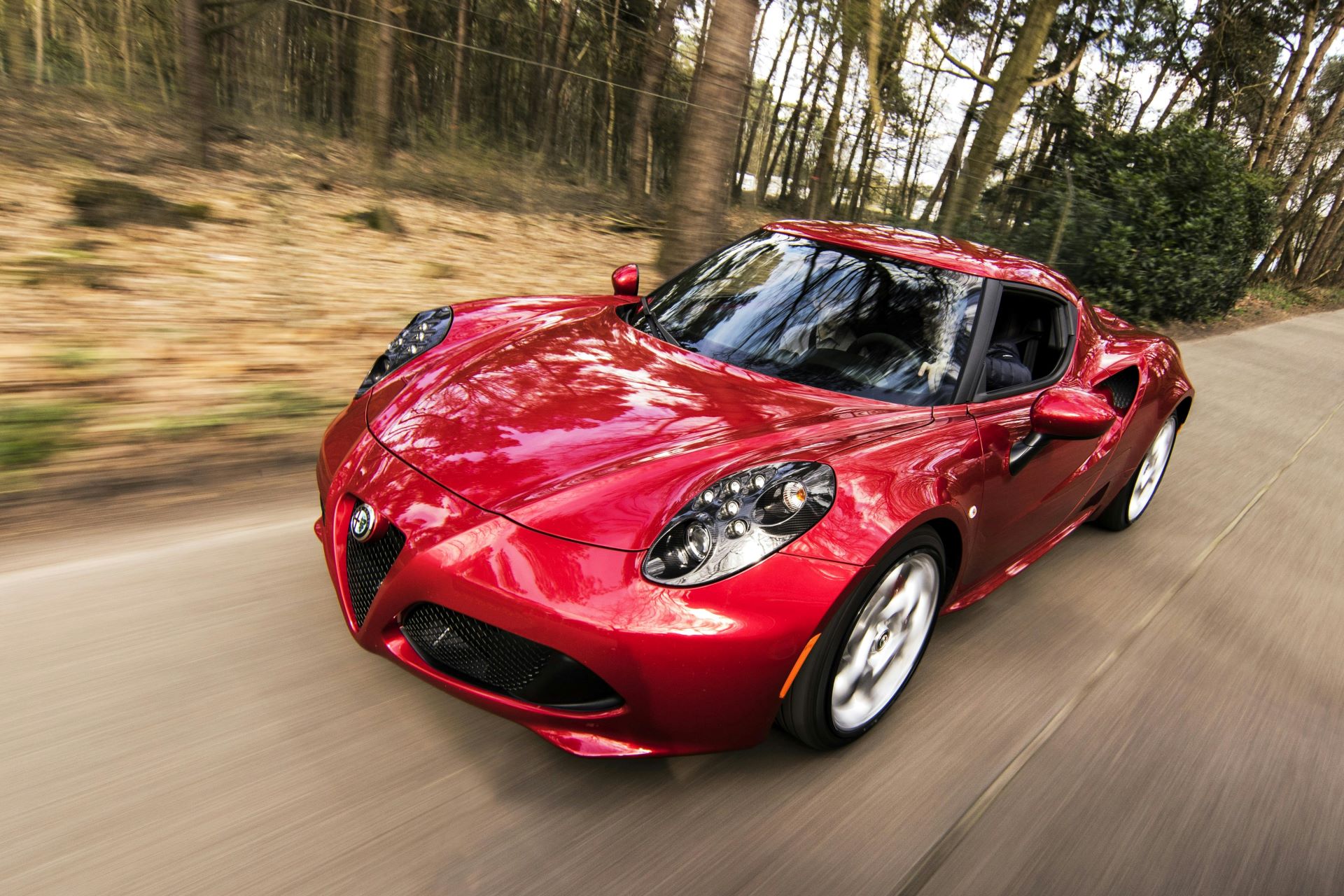
The Motorsport Laboratory: A Testbed for Innovation
Racing is a world where performance is paramount, and failure is not an option. Teams push the limits of engineering to gain even the slightest advantage, turning race cars into mobile laboratories for cutting-edge technology. These innovations are not developed in isolation; the intense demands of motorsport accelerate progress, which eventually permeates consumer vehicles.
Take lightweight materials, for example. Carbon fiber composites, once exclusive to Formula 1 and endurance racing, are now used extensively in premium sports cars and increasingly in mainstream vehicles. These materials help reduce weight, enhancing fuel efficiency and handling without compromising safety.
The relentless quest for speed and efficiency in racing also pushes advances in aerodynamics. Aerodynamic principles developed to increase downforce and reduce drag on the track are adapted to improve stability, reduce fuel consumption, and lower wind noise in road cars. The subtle shaping of spoilers, diffusers, and air intakes we see today owes much to motorsport research.
Powertrain Evolution: From Pure Speed to Efficiency and Beyond
Motorsport has historically been a proving ground for engine technology. High-revving, high-output engines designed for racing have influenced the development of powerful yet refined engines in production cars. However, in recent decades, the focus has shifted towards sustainability without sacrificing performance.
Hybrid and electric powertrains, initially introduced in endurance racing and Formula E, are reshaping the automotive landscape. The kinetic energy recovery systems (KERS) used in Formula 1 to recapture braking energy have inspired regenerative braking systems in hybrid road cars, improving efficiency and reducing emissions.
Furthermore, the rapid evolution of battery technology and electric motors, driven by racing demands for power density and reliability, benefits everyday electric vehicles (EVs). Consumers now enjoy electric cars with better range, faster charging, and exhilarating acceleration, all thanks to motorsport innovations.
Safety Innovations: RacingÔÇÖs Life-Saving Legacy
Safety in motorsport is a matter of life and death, prompting rapid advancements that ultimately save lives on public roads. Many safety features first developed for race cars have become standard in modern vehicles.
The introduction of the HANS (Head and Neck Support) device, designed to prevent fatal head injuries during crashes, revolutionized driver safety in racing and influenced helmet design and safety protocols worldwide.
Crash structures, such as energy-absorbing crumple zones and reinforced roll cages, were refined on race cars before becoming integral to passenger vehicles. TodayÔÇÖs airbags, stability control systems, and even the structural design of modern cars owe much to lessons learned on the track.
Suspension and Handling: Precision Engineering from Circuit to City
A race carÔÇÖs suspension must balance agility with control, delivering precision at high speeds over varying surfaces. The knowledge gained here directly enhances the driving dynamics of road cars.
Technologies such as adaptive dampers, active suspension systems, and advanced traction control were pioneered on race cars before filtering down to luxury and performance vehicles. These systems adjust in real-time to road conditions, improving comfort without sacrificing handling.
Moreover, the development of high-performance tyres for racing has driven advancements in tyre compounds and construction, resulting in better grip, longevity, and fuel efficiency for everyday tyres.

The Digital Revolution: Telemetry and Connectivity
Modern motorsport is not only mechanical but also highly digital. Telemetry systems track every aspect of a race carÔÇÖs performance, providing teams with data to optimize strategy and engineering.
This data-driven approach has transformed road cars too. Advanced driver-assistance systems (ADAS) like adaptive cruise control, lane-keeping assist, and collision avoidance use sensors and processing power inspired by racing telemetry. The integration of AI and machine learning in motorsport analytics is paving the way for smarter, safer autonomous vehicles.
Connected car technology, including real-time diagnostics and over-the-air updates, also traces roots back to race teamsÔÇÖ need for instant data and rapid adjustments during races.
Materials and Manufacturing: Precision and Durability
The extreme conditions of racing demand materials that are not only light but incredibly durable and heat resistant. The pursuit of such materials has led to breakthroughs now commonplace in road cars.
Titanium alloys, advanced ceramics for brake discs, and high-strength aluminum alloys are a few examples where racing development has driven improvements. These materials contribute to vehicle longevity, performance, and safety.
Manufacturing techniques refined in motorsport, such as additive manufacturing (3D printing), enable complex, lightweight components to be produced faster and at lower costÔÇöbenefits that increasingly reach production lines.
Design Language and Aesthetic Influence
MotorsportÔÇÖs influence extends beyond pure engineering into automotive design. The aggressive lines, functional aerodynamics, and bold aesthetics of race cars inspire the styling of sports cars and even mainstream models.
Limited edition models and performance variants often wear design cues directly taken from their racing counterparts, embodying the spirit of motorsport in everyday driving.
Moreover, the passion and excitement generated by racing heritage have marketing value, deepening customer engagement with brands and models.
Looking Forward: The Future of Motorsport-Driven Innovation
As motorsport embraces electrification, sustainability, and digitalization, so too will the cars on our streets. The boundaries between racing and road cars continue to blur, promising advancements that enhance performance, safety, and environmental responsibility.
Autonomous racing series, like Roborace, test AI-driven vehicles, offering a glimpse into a future where driverless cars may dominate both track and street. Simultaneously, alternative fuels, from hydrogen to synthetic e-fuels, are being trialed in competition, hinting at greener roads ahead.
The ongoing synergy between motorsport and the automotive industry ensures that the thrill of racing will continue to fuel innovationÔÇöbenefitting every driver beyond the finish line.
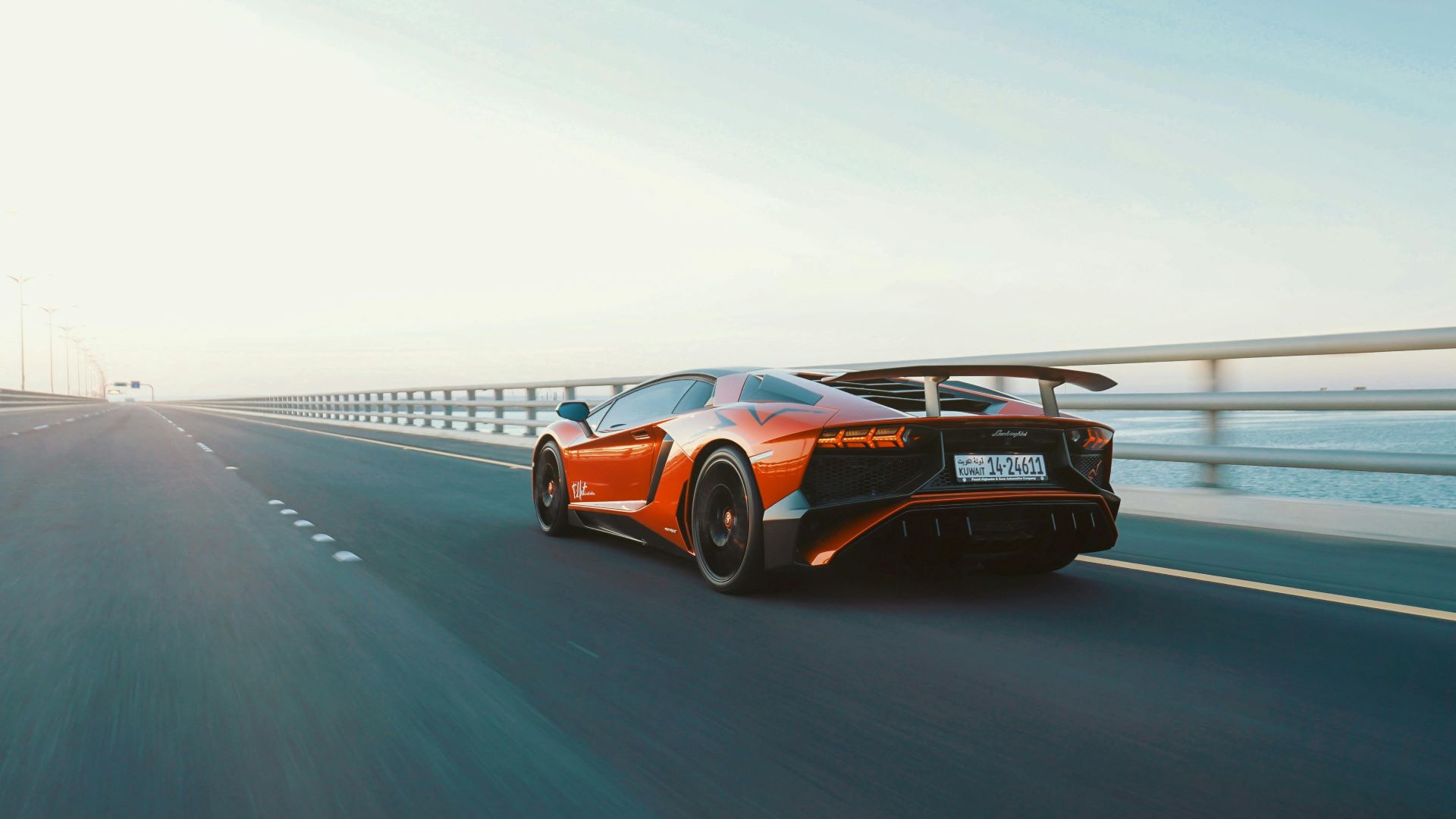
From lightweight composites and aerodynamic finesse to hybrid powertrains and life-saving safety features, motorsport remains a vital engine of automotive progress. The technology born on circuits around the world filters down to enhance the vehicles we rely on daily, blending performance, efficiency, and safety.
This dynamic interplay keeps the passion for driving alive while pushing the industry toward a smarter, cleaner, and more exciting future. Motorsport is not just a spectacle of speedÔÇöitÔÇÖs a driving force shaping the cars of tomorrow.
Breyten Odendaal
Specializing in high-performance automotive advertising and digital marketing solutions, delivering cutting-edge insights and the latest news shaping the automotive industry in South Africa.
More From Advertising

Automotive Digital Ads in South Africa: A Shift
Exploring how South Africa’s automotive advertising evolved from print and broadcast to data-driven, programmatic digital ecosystems.

The Video Shift in Car Buying Decisions in SA
Explore how video content shapes car purchase decisions in South Africa, comparing short-form and long-form strategies for automotive marketers.

Why Automotive Ads Must Think Like E-Commerce
Automotive ads in South Africa need e-commerce style conversion thinking to boost leads, optimise funnels, and improve dealership ROI.