
In the world of automotive marketing, few platforms offer the drama, reach, and brand-building power of motorsport. Among the elite circuits, Formula 1 and 24 Hours of Le Mans stand as pinnaclesÔÇönot only of engineering and endurance but also of advertising prowess. These global racing events serve as more than just battlegrounds for constructors; they are fertile ground for narrative-rich, emotionally-charged brand campaigns that blur the lines between performance and prestige, sport and storytelling.
A Historical Marriage: Motorsport and Marketing
The relationship between motorsport and automotive marketing is nearly as old as the automobile itself. In the early 20th century, manufacturers used racing victories to validate their vehicles' performance and reliability. PeugeotÔÇÖs dominance in early Grand Prix racing and BentleyÔÇÖs legendary Le Mans triumphs in the 1920s laid the foundation for what would become a powerful formula: "Win on Sunday, sell on Monday."
Formula 1 and Le Mans have each evolved into high-stakes brand showcases. In both cases, automakers invest tensÔÇöor hundredsÔÇöof millions of dollars not just for the pursuit of trophies, but for the visibility, prestige, and technological legitimacy these platforms confer.
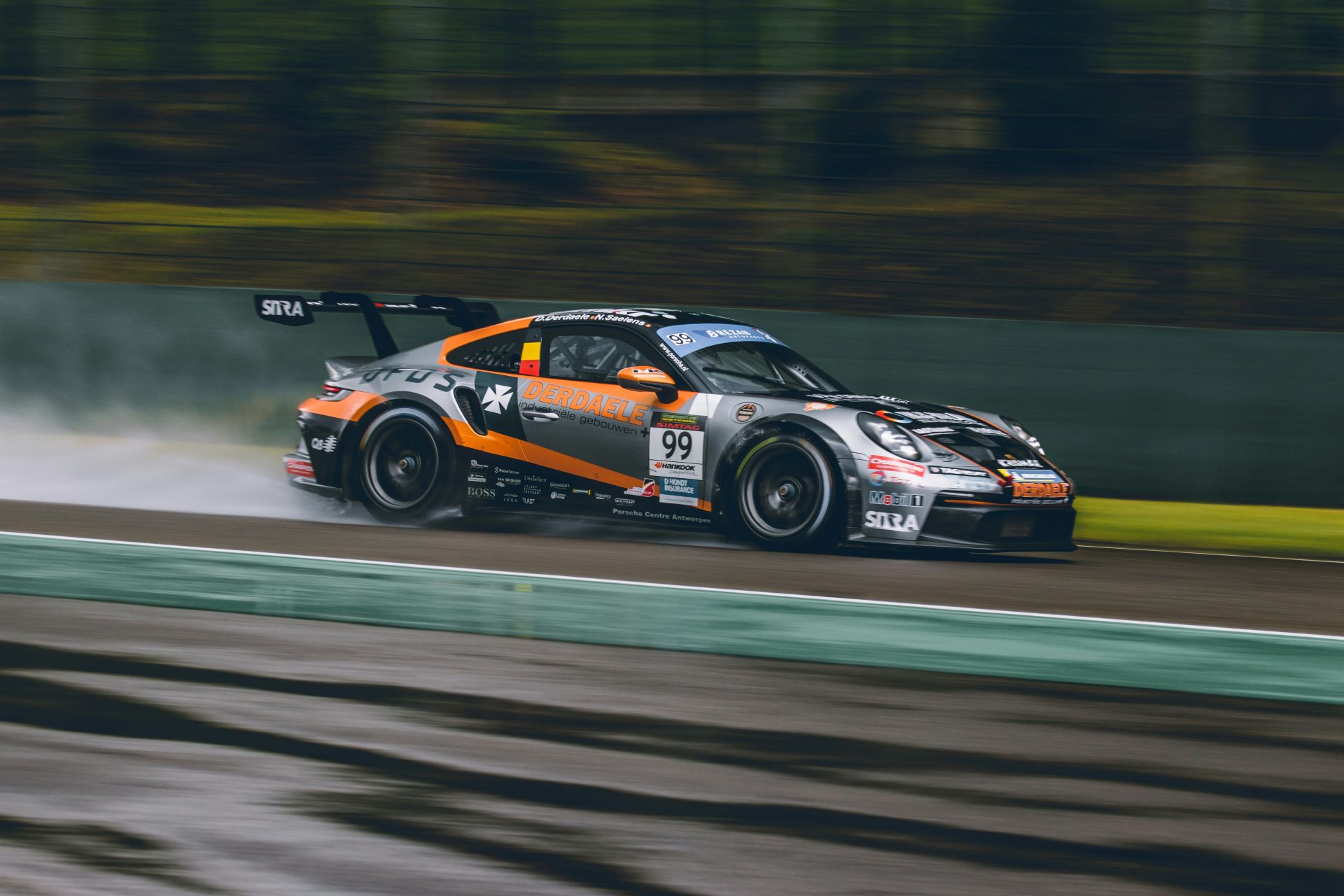
Formula 1: The Pinnacle of Prestige
Few arenas carry the cultural and commercial cachet of Formula 1. With its global calendar, elite teams, and precision-engineered machines, F1 is the ultimate stage for showcasing automotive excellence. But it is also an advertising goldmine.
Brand Positioning on the Global Stage
Automakers like Mercedes-Benz, Ferrari, and Alpine use F1 to align themselves with innovation, luxury, and high performance. Sponsorships and team ownership are strategic decisions tied directly to brand equity. Mercedes-AMG PetronasÔÇÖ dominant era (2014ÔÇô2021), for example, did more than amass titlesÔÇöit repositioned Mercedes-Benz in the public imagination from stately luxury to cutting-edge performance.
Through trackside advertising, team liveries, and ever-evolving media partnerships, Formula 1 reaches a worldwide audience of over 1.5 billion viewers annually. The Netflix series Drive to Survive has further supercharged F1's advertising value, introducing a new generation of fansÔÇöand consumersÔÇöthrough storytelling rather than technical specs.
Storytelling Through Sponsorship
Brands that associate with F1 leverage its drama and elite competition to craft compelling advertising narratives. When Aston Martin returned as a works team in 2021, its campaign wasnÔÇÖt just about carsÔÇöit was about reclaiming a heritage, a James Bond-worthy sophistication fused with adrenaline.
Even non-automotive brandsÔÇölike Oracle, Red Bull, and AramcoÔÇöhave used F1 as a visual and emotional touchpoint, gaining trust through proximity to excellence and speed.
Le Mans: The Endurance of Engineering and Emotion
The 24 Hours of Le Mans, meanwhile, offers a different, but equally potent, platform for advertising. Where F1 is a sprint, Le Mans is a marathonÔÇöa test not only of speed, but of stamina, strategy, and innovation.
Technological Validation
For brands like Porsche, Audi, and Toyota, success at Le Mans is proof of durability and cutting-edge engineering. PorscheÔÇÖs record 19 wins at Le Mans serve as a badge of honour that bolsters everything from its hybrid hypercars to its entry-level SUVs.
The 2023 return of Ferrari to the top class of Le Mans after 50 years was accompanied by a global campaign centred on "The Return of a Legend"ÔÇöa masterclass in nostalgia marketing, pride, and continuity.
From Garage to Grandstand
Unlike Formula 1, where factory involvement is tightly controlled, Le Mans (and the WEC more broadly) allows for a wide variety of entries, from manufacturer teams to privateer outfits. This diversity opens up opportunities for more nuanced advertising strategies.
For example, when Peugeot Sport unveiled the radical 9X8 Hypercar with no rear wing, the marketing campaign wasnÔÇÖt just about performanceÔÇöit was about rethinking the rules. That message extended seamlessly into its road-car advertising, reinforcing the brandÔÇÖs innovation-first positioning.
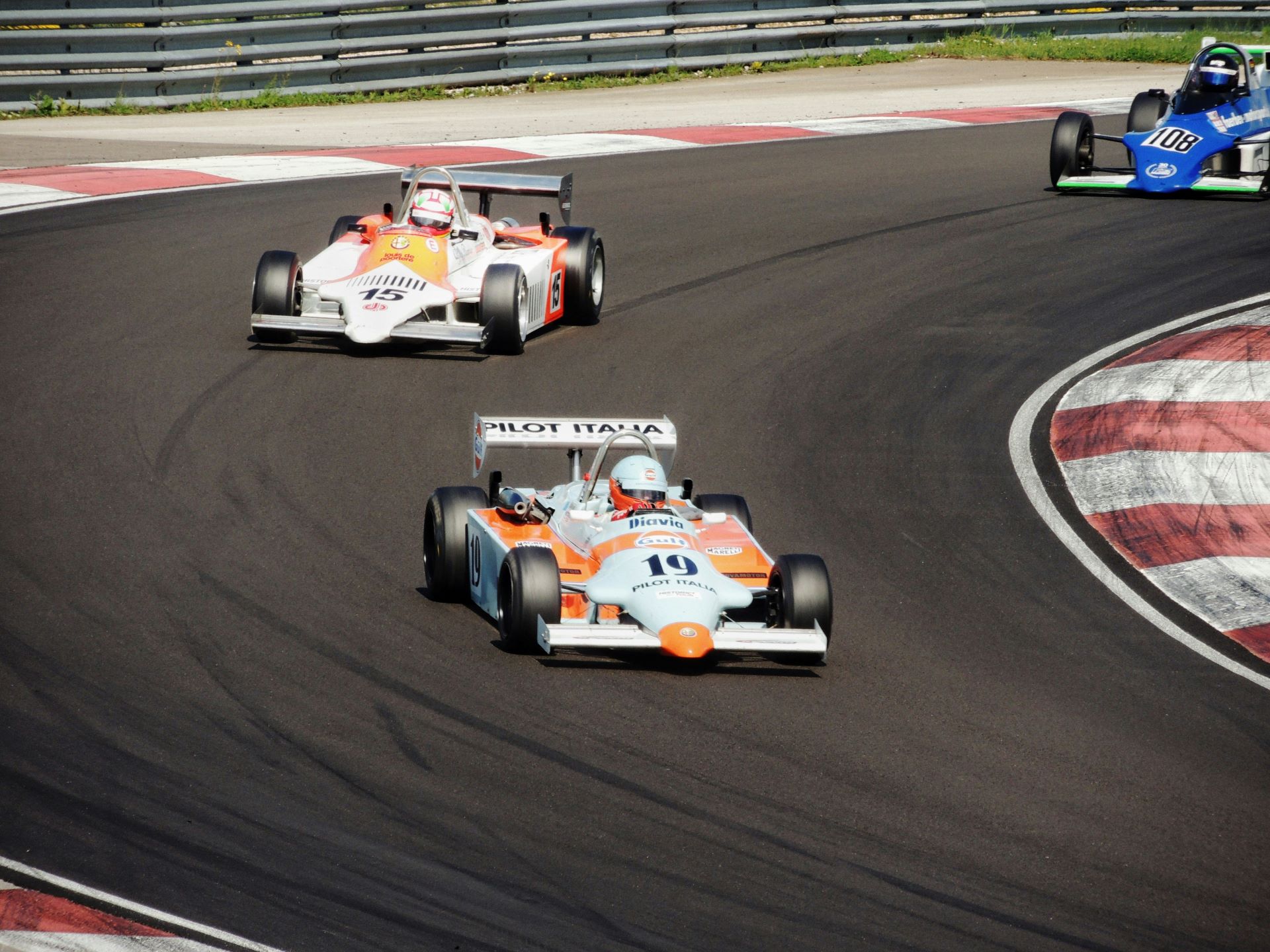
The Power of Cinematic Storytelling
Where once a race win translated to a press release and a dealer showroom banner, todayÔÇÖs victories are repackaged into cinematic brand stories. In both F1 and Le Mans, the integration of media and motorsport has reached a sophisticated level.
Drive to Survive: F1ÔÇÖs Masterstroke
NetflixÔÇÖs Drive to Survive has been widely credited with reigniting global interest in Formula 1. But beyond viewership numbers, its greatest achievement has been in turning drivers and team principals into characters, and races into plotlines. Advertisers have quickly followed suit.
Brands like McLaren have leaned into the seriesÔÇÖ emotional hooksÔÇöbrotherhood, rivalry, redemptionÔÇöin their social content, turning race weekends into serialized drama. This emotional resonance makes advertising feel less like promotion and more like participation.
Le Mans on the Silver Screen
Le Mans also benefits from its inherent drama. Films like Ford v Ferrari (2019) and Le Mans (1971) have immortalised the race's epic stakes. Car brands have leveraged this cinematic quality in recent campaigns. PorscheÔÇÖs 2023 ad campaign "Driven by Dreams" traced its racing DNA directly to Le Mans, using lush visuals and archival footage to connect past to present.
Cross-Channel Campaigns: From Trackside to TikTok
Motorsport branding today is no longer limited to broadcast ads or printed spreads. The modern campaign is omnichannelÔÇöInstagram Reels, Twitter threads, YouTube mini-docs, and in-car augmented reality experiences all form part of a broader, more immersive advertising ecosystem.
Red Bull Racing, arguably one of the most successful marketing-first teams in F1 history, exemplifies this approach. From viral stunt videos to behind-the-scenes tech explainers, their content strategy ensures that every race delivers far more than just podiumsÔÇöit creates weeksÔÇÖ worth of engaging brand material.
Hybrid Messaging: Sustainability and the Future
Both F1 and Le Mans are also being used to communicate evolving brand values, particularly around sustainability and electrification.
F1's plan to run fully sustainable fuel by 2026 has already become a narrative pillar for participating OEMs like Mercedes-Benz and Alpine. Le Mans, meanwhile, has hosted hydrogen prototypes and hybrid hypercars, with ToyotaÔÇÖs GR010 Hybrid serving as a rolling lab for its carbon-neutral ambitions.
Advertising campaigns increasingly frame these efforts as not just regulatory compliance, but visionary leadershipÔÇöproof that brands are racing toward a cleaner, faster future.
Emotional Engagement and Tribal Identity
At the heart of motorsport advertising is one critical truth: racing inspires tribal loyalty. Fans donÔÇÖt just buy into carsÔÇöthey buy into teams, colours, and stories. This emotional depth provides a rare opportunity for brands to transcend product marketing and foster cultural relevance.
When BMW returned to Le Mans in 2024 with the M Hybrid V8, its ads werenÔÇÖt just product showcasesÔÇöthey were invitations to join a legacy. The marketing didnÔÇÖt say ÔÇ£Buy this carÔÇØ; it said, ÔÇ£Be part of something bigger.ÔÇØ

Racing as Resonance
From the glitzy circuits of Monaco to the punishing straights of La Sarthe, motorsport offers automotive brands an unmatched stage for storytelling. Formula 1 dazzles with precision, glamour, and speed. Le Mans endures with soul, stamina, and legacy. Both serve as vital enginesÔÇönot just for performance innovation, but for emotional resonance and brand differentiation.
As audiences become more fragmented and ad budgets scrutinized, the power of live sport fused with cinematic narrative is only growing. Motorsport isn't just a proving ground for carsÔÇöit's a playground for branding, where emotion meets engineering, and identity roars to life with every lap.
Breyten Odendaal
Specializing in high-performance automotive advertising and digital marketing solutions, delivering cutting-edge insights and the latest news shaping the automotive industry in South Africa.
More From Advertising

Automotive Advertising in 2026: Selling Confidence in a More Competitive Market
As South Africa’s vehicle market becomes more competitive, automotive advertising needs to do more than announce a price or specification. It needs to help buyers understand value, ownership costs and why a vehicle suits their lives.

Automotive Digital Ads in South Africa: A Shift
Exploring how South Africa’s automotive advertising evolved from print and broadcast to data-driven, programmatic digital ecosystems.

The Video Shift in Car Buying Decisions in SA
Explore how video content shapes car purchase decisions in South Africa, comparing short-form and long-form strategies for automotive marketers.