
Imagine a bustling taxi rank in Soweto. The hum of conversation, the laughter, the shout of a hawker selling vetkoek. Nearby, a modified VW Golf revs its engine, drawing admiring glances. This is where South Africa's love for cars lives and breathes. Yet, turn on the television or scroll through YouTube, and the ads selling these vehicles often reflect none of this. Instead, sleek highways, sterile showrooms, and polished English dominate the screen. It's a sanitized vision of automotive life that ignores the richness of South Africa's everyday motoring culture.
According to a 2022 study by the Loeries, only 20% of South African advertising campaigns featured authentically local settings or dialects. In a country with 11 official languages and a kaleidoscope of cultures, this is more than a missed opportunity ÔÇô it's a glaring omission. The current automotive advertising scene remains largely skewed towards suburban, upper-middle-class aesthetics, often sidelining the diverse realities and vibrant voices of South Africa's townships, rural areas, and multicultural urban spaces.
It's time to shift gears. This article explores why South Africa's automotive advertising industry must embrace real voices, grounded in authenticity and local flair, to drive the sector forward. From the untapped creativity in townships to the proven value of diversity in global markets, we make the case for a more inclusive, compelling, and relevant approach to advertising cars in the country.
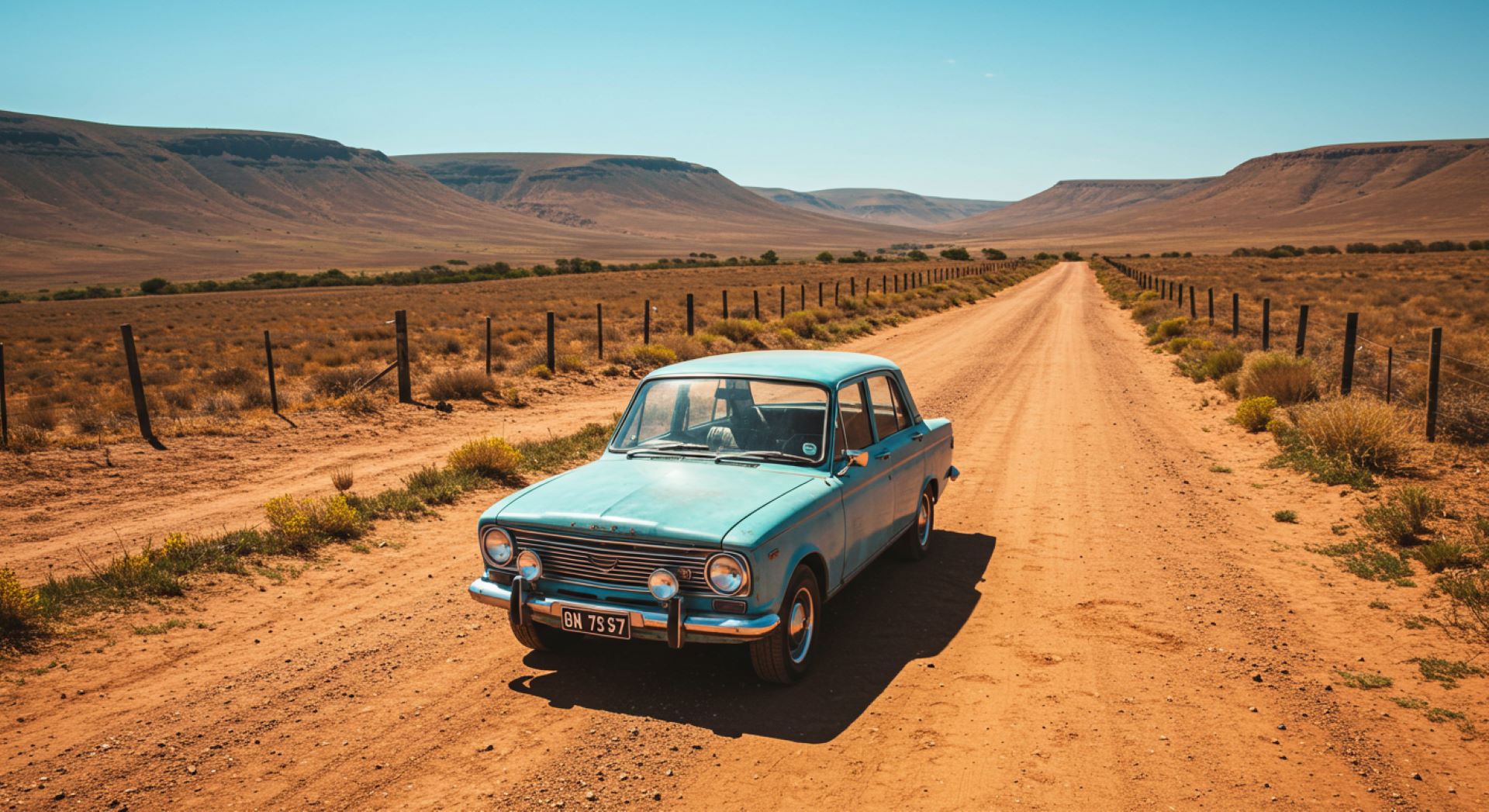
Background
South Africa's automotive industry is the continent's largest, contributing around 5% to the national GDP. Its advertising arm, however, has traditionally catered to a narrow demographic. During the late 20th century, car commercials mirrored the country's political and economic landscape: racially exclusive, aspirational, and imported from Western templates. Cars were presented as status symbols, aimed at the affluent few rather than the masses who used taxis, bakkies, or budget hatchbacks as lifelines.
Even post-democracy, while many sectors evolved, automotive advertising often remained stuck in a formulaic loop. Think: scenic drive, well-dressed couple, a cinematic score, and perhaps a voiceover with a vaguely international accent. While South African creativity has flourished in other domains ÔÇô from fashion to music videos ÔÇô the auto industry has largely lagged behind in reflecting real, local narratives.
Critics have long argued that this disconnect weakens brand resonance. Car buyers from diverse backgrounds rarely see their lives mirrored in glossy ad campaigns. Language, aesthetics, and lifestyle cues remain skewed towards a middle-class ideal that doesn't reflect the country's broader motoring reality. This not only alienates large swaths of the consumer base but also diminishes the emotional power that great advertising can wield.
The Case for Change
Representation in advertising isnÔÇÖt just a moral imperative ÔÇô itÔÇÖs a business one. When people see themselves reflected in media, they engage more deeply. A 2021 Nielsen report found that ads with authentic cultural representation drive higher purchase intent by up to 23%. For automotive brands, that kind of impact could translate into major sales shifts.
South African townships, where many cultural trends are born and where ingenuity thrives despite economic limitations, represent an enormous untapped market. They are spaces where car culture is lived, not just aspired to. Think of the local car clubs, Sunday spin events, or custom mods done with little more than resourcefulness and pride. These are stories waiting to be told.
Globally, brands that have embraced diverse narratives have seen tangible returns. In the U.S., General MotorsÔÇÖ "Real People, Not Actors" campaign increased customer trust and brand relatability. In India, Tata Motors found success with regionally tailored ads that spoke to local values and languages. These examples show how authenticity and inclusion aren't fringe ideas ÔÇô they're future-forward strategies.
In South Africa, leveraging real voices means more than just casting township youth in background roles. It means co-creating narratives with them. It means hiring directors who understand kasi slang, choosing music that was made in garages in Khayelitsha, and setting stories in places where real automotive passion lives.
When done right, the impact is profound. Viewers connect emotionally. Brands feel accessible. Products feel relevant. It becomes about more than horsepower or price points ÔÇô it becomes about identity, pride, and aspiration in its truest form.
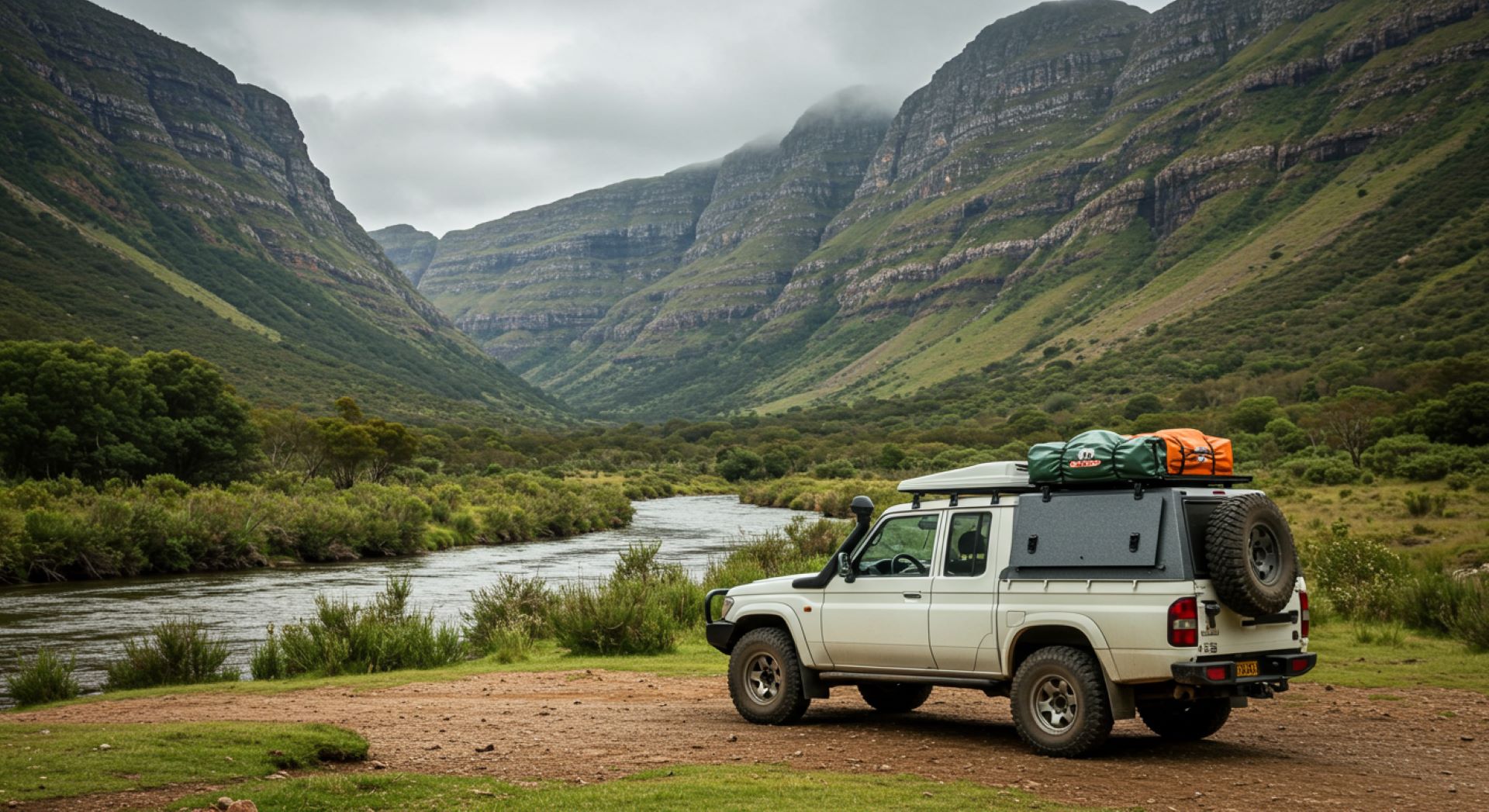
Local Voices: Untapped Potential
One standout example is the 2020 Toyota South Africa Hilux campaign, which featured the phrase "Bakkie Sbuya" and leaned into South African idioms and humour. It was a smash hit, generating over 4 million views in its first week and igniting conversations across social media. Why? Because it felt real. It spoke to people not in marketing jargon, but in the language of everyday life.
Then there's the rise of influencers like Wandile Zondo and brands like Kasi Vibe Motors, who document local car culture with flair and authenticity. These are creators who film their content in the streets, capturing everything from loud exhausts to louder personalities. Their audiences aren't niche; they're massive ÔÇô and growing.
Local talents bring with them a deep understanding of cultural nuance. They know that in some places, a Toyota Tazz isnÔÇÖt just a car ÔÇô itÔÇÖs a rite of passage. They understand the pride of fixing a car yourself or the unspoken social dynamics of who gets shotgun. These stories canÔÇÖt be faked or scripted by outsiders. They require lived experience.
However, these voices face barriers: limited access to funding, lack of formal platforms, and systemic industry gatekeeping. To unlock their potential, the advertising world must create more inclusive pipelines ÔÇô internships, content incubators, and direct collaborations between agencies and local creatives. Instead of mining these communities for "inspiration," the industry should invest in them as equal partners.
Industry Insights
Ad veteran Sipho Maseko, creative director at a leading Johannesburg agency, puts it bluntly: "We've sold enough cars on the back of aspiration. ItÔÇÖs time we sell them on identification."
HeÔÇÖs not alone. A growing chorus within the industry is calling for change. In a recent panel hosted by the Creative Circle, several marketers highlighted the importance of "cultural fluency" ÔÇô the ability to navigate and reflect diverse lived realities in brand storytelling.
Some automakers are beginning to catch on. Ford SA's recent Fiesta campaign used real customers and community testimonials rather than actors, capturing a mosaic of voices across regions. Hyundai has experimented with user-generated content, allowing fans to submit their own driving stories for feature.
Yet challenges persist. Budgets often favour "safe" choices. Senior decision-makers still skew homogenous. And while diversity in front of the camera has improved, diversity behind it ÔÇô among directors, scriptwriters, DOPs ÔÇô remains limited.
There is also the question of metrics. Traditional KPIs like impressions and reach donÔÇÖt always capture the depth of engagement that authentic content generates. Agencies and brands must evolve how they measure success ÔÇô incorporating sentiment analysis, cultural impact, and long-term brand affinity.
Strategies for Transformation
So how can the industry course-correct?
Collaborate Creatively
Partner with grassroots creatives and influencers on campaigns from concept to execution. Shared ownership leads to richer, more resonant storytelling.
Invest in Pipeline Development
Establish scholarship programmes, mentorships, and training for young talents in townships and rural areas who aspire to join the advertising or automotive world.
Diversify Decision-Making
Ensure that creative and strategic decisions include voices from a range of cultural, linguistic, and socio-economic backgrounds.
Localise Content Authentically
Use local languages, dialects, and cultural cues. This isn't about ticking boxes; it's about telling the truth.
Use Tech as a Bridge
Platforms like TikTok, YouTube, and Instagram are natural homes for raw, unfiltered storytelling. Brands should tap into these ecosystems and let go of full control.
Measure Differently
Broaden the metrics for campaign success to include cultural relevance, emotional resonance, and community engagement.

Call to Action
The road ahead for South AfricaÔÇÖs automotive advertising industry is filled with potential ÔÇô if only it chooses to shift lanes.
To the agencies: take a chance on a new kind of script. One where the lead doesnÔÇÖt speak in polished English but in isiZulu, Tsotsitaal, or Afrikaans. One where the setting isnÔÇÖt a generic highway but a taxi rank, a dusty field, or the streets of Umlazi during a spin session.
To the car brands: your future customers are not just the ones in suits. They're in overalls, hoodies, and school uniforms. They're watching, waiting to be seen.
To the creatives: keep pushing. Your voice is valid, your story is valuable, and your perspective is powerful.
South Africa has always been a nation of storytellers. LetÔÇÖs make sure our advertising tells stories that reflect the full throttle of our national identity. Not just from the top down, but from township to tarmac. Because thatÔÇÖs where the real engine of culture ÔÇô and the future of automotive passion ÔÇô truly lies.
Breyten Odendaal
Specializing in high-performance automotive advertising and digital marketing solutions, delivering cutting-edge insights and the latest news shaping the automotive industry in South Africa.
More From Advertising

Automotive Advertising in 2026: Selling Confidence in a More Competitive Market
As South Africa’s vehicle market becomes more competitive, automotive advertising needs to do more than announce a price or specification. It needs to help buyers understand value, ownership costs and why a vehicle suits their lives.

Automotive Digital Ads in South Africa: A Shift
Exploring how South Africa’s automotive advertising evolved from print and broadcast to data-driven, programmatic digital ecosystems.

The Video Shift in Car Buying Decisions in SA
Explore how video content shapes car purchase decisions in South Africa, comparing short-form and long-form strategies for automotive marketers.