
Redefining Automotive Appeal
The automotive landscape is shifting at an unprecedented pace. No longer is the conversation solely about horsepower, torque, or 0ÔÇô100 km/h times. TodayÔÇÖs consumers demand vehicles that are efficient, sustainable, and aligned with a greener futureÔÇöbut they still want excitement, style, and performance. This dual expectation presents both a challenge and an opportunity for automotive marketers.
The key lies in balancing the thrill of speed with the responsibility of sustainability, and in doing so, transforming the perception of lightweight, environmentally conscious vehicles from niche options to mainstream desirables.

The Rise of Lightweight Vehicles: A Marketing Opportunity
Reducing vehicle weight has long been a focus for engineers aiming to improve efficiency and performance. Lighter cars require less energy to move, which directly translates into better fuel efficiencyÔÇöor, in the case of electric vehicles, longer range. Beyond efficiency, the driving experience is often sharper, more responsive, and more enjoyable, providing marketers with tangible benefits to showcase.
Marketing these vehicles, however, requires a nuanced approach. Consumers accustomed to associating weight with quality or safety may need reassurance. Here, storytelling becomes crucial: highlighting engineering innovations, material advances, and the rigorous safety standards that make these lighter vehicles just as safeÔÇöif not saferÔÇöthan their heavier predecessors.
Sustainability as a Core Brand Message
Sustainability in automotive marketing goes beyond promoting ÔÇ£greenÔÇØ vehicles. ItÔÇÖs about positioning a brand as forward-thinking, responsible, and aligned with the values of increasingly eco-conscious consumers.
Marketing campaigns can emphasize the full lifecycle benefits of lighter vehicles: reduced emissions during production, lower fuel consumption during ownership, and easier recyclability at the end of life. Integrating sustainability into branding also means partnering with environmental initiatives, communicating transparent carbon reduction goals, and demonstrating authenticity through measurable impact.
Consumer Psychology: From Performance to Responsibility
Understanding why consumers buy cars is essential for effective marketing. For decades, the focus was on speed, performance, and image. Today, those same consumers increasingly weigh sustainability and efficiency in their decisions.
Marketers must reframe lightweight vehicles not as compromises, but as enhancements. A lighter car is quicker, more agile, and more responsive. An EV with optimized weight can go further between charges. Campaigns that combine the thrill of performance with the pride of responsible choice create a narrative that resonates with modern buyers.

Digital Marketing Strategies for the New Automotive Era
The digital landscape provides automotive marketers with powerful tools to communicate the benefits of lighter, greener vehicles. Video content, interactive experiences, and augmented reality apps allow consumers to explore vehicle performance and environmental impact firsthand.
Social media storytelling can highlight the engineering process, sustainability milestones, or even user experiences that showcase efficiency and excitement. Influencer partnerships and experiential marketingÔÇösuch as eco-racing events or test-drive experiencesÔÇöcan reinforce the message that sustainability and performance are not mutually exclusive.
Case Studies: Brands Leading the Shift
Several automotive brands have successfully integrated lightweight and sustainable messaging into their campaigns:
Tesla: Promotes long-range performance while highlighting the energy efficiency of its EVs.
Toyota: Uses hybrid technology as a bridge between performance and sustainability.
BMW i Series: Positions lightweight construction as central to both driving dynamics and environmental responsibility.
These examples demonstrate that authenticity, innovation, and clear storytelling are key to convincing consumers that lighter, greener vehicles are the future of exciting driving experiences.
Overcoming Challenges in Automotive Messaging
Marketing lightweight, sustainable vehicles is not without challenges. Skepticism around safety, perceived performance compromises, and entrenched consumer habits require thoughtful, evidence-based messaging.
Marketers must anticipate objections and proactively address them through transparent communication, product demonstrations, and third-party validations. Safety certifications, performance tests, and tangible data on fuel savings or emissions reductions provide credibility, turning potential doubts into selling points.
Integrating Lifestyle and Values into Campaigns
Modern automotive marketing increasingly connects vehicles with broader lifestyle aspirations. Campaigns for lighter, greener vehicles can link ownership to personal values: environmental responsibility, financial prudence, and innovative living.
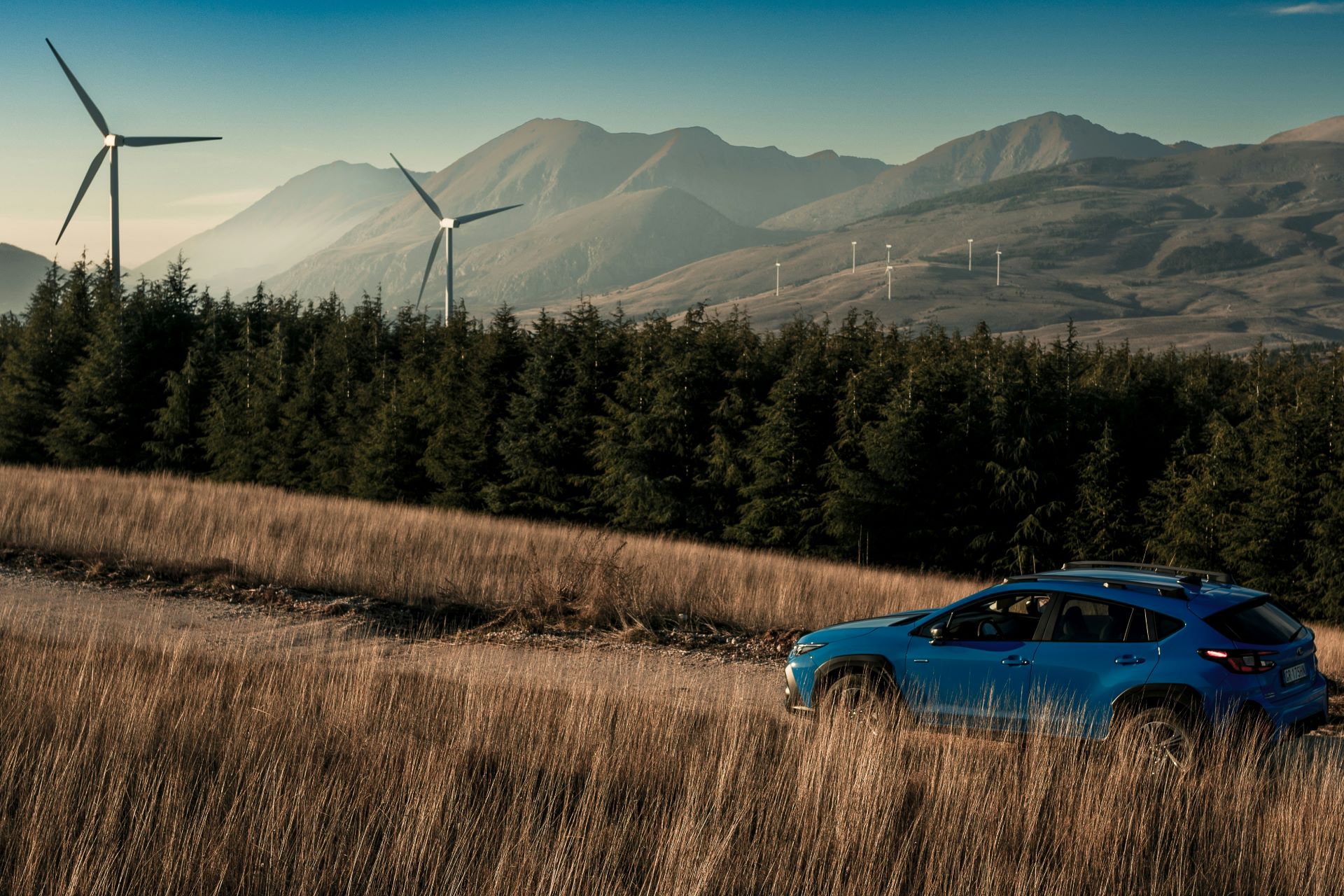
Luxury, tech-savvy, and environmentally conscious consumers respond to narratives that integrate vehicles into a wider lifestyle context. By showing how lightweight cars align with urban mobility, adventure travel, or sustainable family living, marketers can make the shift to greener driving compelling beyond technical specifications.
Driving the Future of Automotive Marketing
The transition from speed to sustainability represents both a shift in engineering priorities and a profound opportunity for marketers. By highlighting the tangible benefits of lighter, greener vehiclesÔÇöwithout sacrificing excitement or styleÔÇöbrands can redefine consumer perceptions and foster loyalty.
Automotive marketing in this era is about storytelling, authenticity, and value-driven messaging. The brands that succeed will be those that not only deliver innovation on the road but also communicate a compelling vision for the future of driving. Lightweight, sustainable vehicles are not just a technical evolutionÔÇöthey are the next frontier in automotive aspiration.
Breyten Odendaal
Specializing in high-performance automotive advertising and digital marketing solutions, delivering cutting-edge insights and the latest news shaping the automotive industry in South Africa.
More From Advertising

Automotive Advertising in 2026: Selling Confidence in a More Competitive Market
As South Africa’s vehicle market becomes more competitive, automotive advertising needs to do more than announce a price or specification. It needs to help buyers understand value, ownership costs and why a vehicle suits their lives.

Automotive Digital Ads in South Africa: A Shift
Exploring how South Africa’s automotive advertising evolved from print and broadcast to data-driven, programmatic digital ecosystems.

The Video Shift in Car Buying Decisions in SA
Explore how video content shapes car purchase decisions in South Africa, comparing short-form and long-form strategies for automotive marketers.