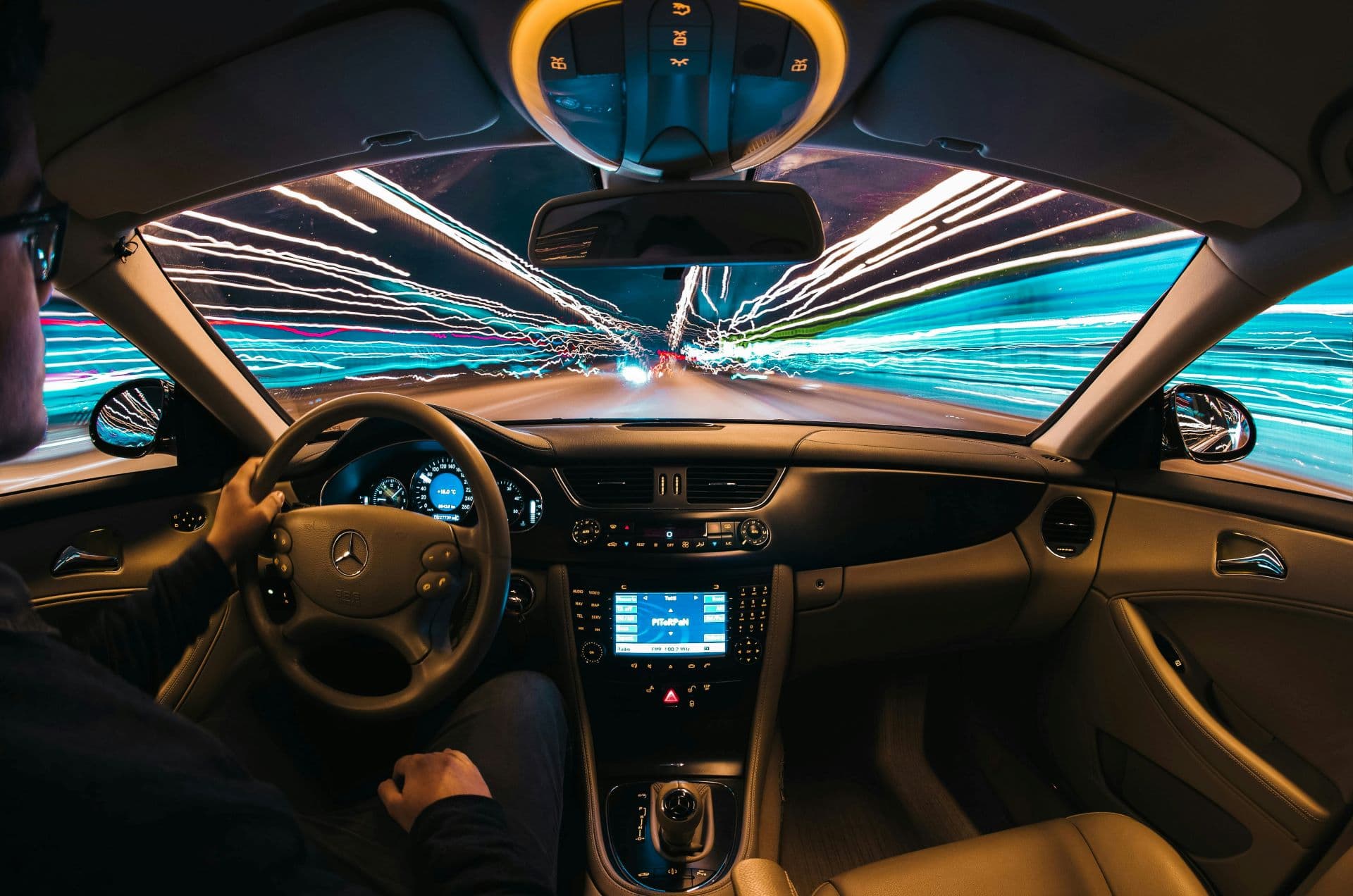
In a world where the boundaries between industries are increasingly blurred, a recent collaboration between Mercedes-Benz, Apple, and fashion giant Louis Vuitton offers a glimpse into the future of advertising. This cross-industry partnership not only redefined the traditional car commercial but also set a new benchmark for luxury branding, weaving technology, automotive innovation, and high fashion into a single, cohesive narrative. This article explores the growing trend of cross-industry collaborations, focusing on how car brands are increasingly partnering with tech and fashion brands to create groundbreaking advertising campaigns that captivate and engage.
Historical Context
Early Collaborations
The concept of cross-industry collaboration in the automotive world isn't entirely new. In the early 20th century, car manufacturers like Ford and General Motors began exploring partnerships outside the traditional automotive industry. While these collaborations were modest compared to today's standards, they laid the groundwork for what would become a significant trend. For example, in the 1950s, Chrysler collaborated with aerospace companies to introduce the "Jet Age" look into their cars, marking one of the first notable instances of cross-industry influence.
Evolution
As time progressed, these partnerships evolved, driven by a combination of technological advancements and changing consumer expectations. The 1980s and 1990s saw a surge in collaborations between car brands and electronics companies. Brands like BMW and Sony teamed up to integrate advanced audio systems into vehicles, offering a glimpse into how technology could enhance the driving experience. By the 21st century, the rise of digital technology and social media opened new avenues for collaboration, leading to increasingly sophisticated and immersive advertising campaigns.
Significance
These collaborations hold significant value for all parties involved. For car brands, partnering with tech and fashion companies offers an opportunity to innovate and differentiate themselves in a crowded market. Tech companies, on the other hand, benefit from exposure to a broader audience, while fashion brands can leverage the prestige and engineering prowess associated with luxury automobiles. The result is a mutually beneficial relationship that enhances brand image, expands market reach, and creates a more engaging consumer experience.
The Power of Technology Partnerships
Innovative Advertising Campaigns
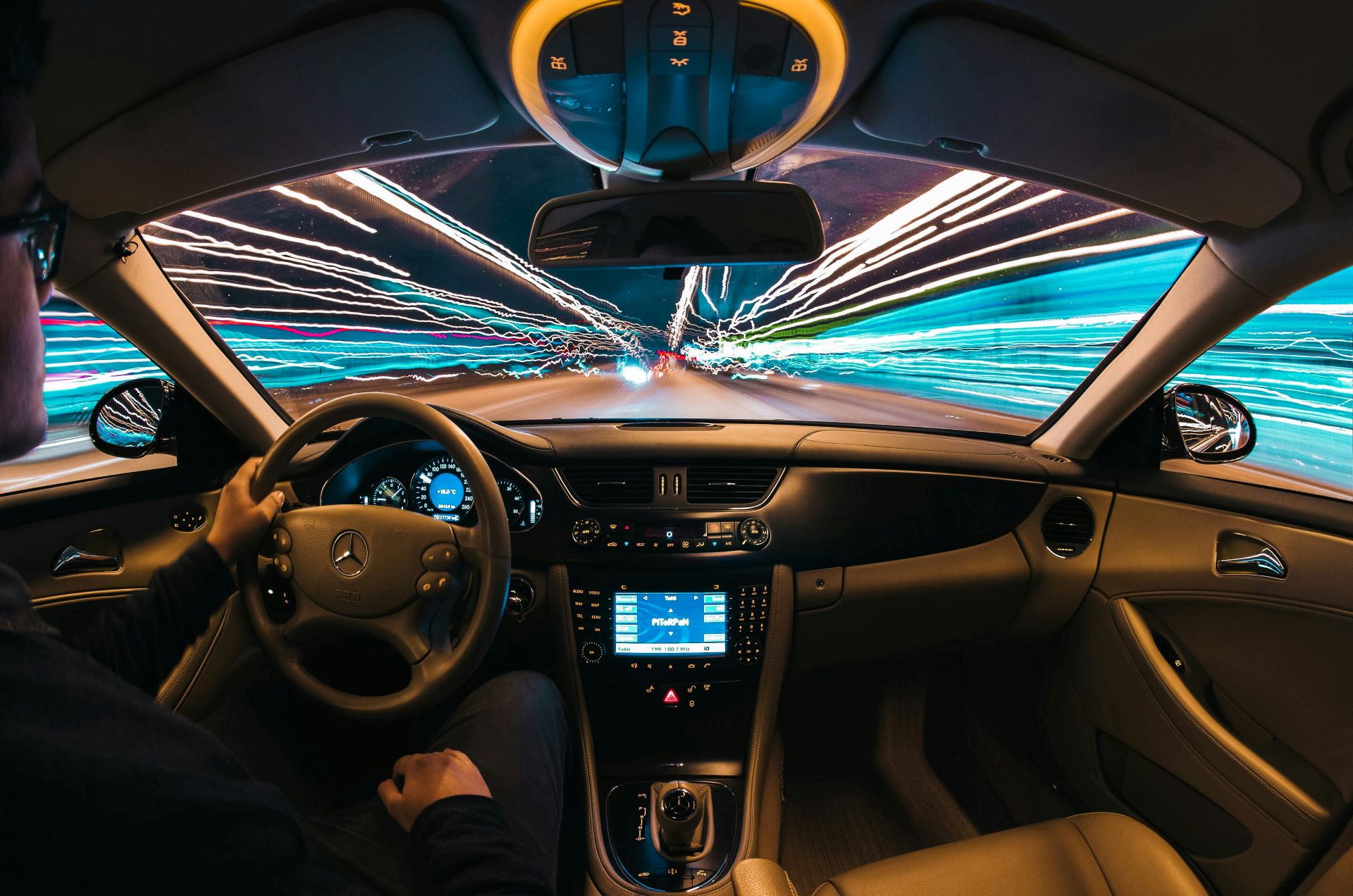
One of the most striking examples of a successful technology partnership in the automotive industry is the collaboration between Audi and NVIDIA. The two brands joined forces to create a series of advertisements showcasing the advanced AI capabilities in AudiÔÇÖs self-driving cars. These campaigns went beyond traditional advertising, incorporating interactive elements that allowed consumers to experience the technology firsthand through virtual reality (VR) and augmented reality (AR). The result was a campaign that not only highlighted AudiÔÇÖs technological prowess but also positioned NVIDIA as a leader in the AI space.
Enhanced Features
Beyond advertising, technology partnerships have also led to significant advancements in car features. TeslaÔÇÖs collaboration with Google to integrate Google Maps into its navigation system is a prime example. This partnership enhanced the user experience by providing real-time traffic updates and alternative routes, making driving more efficient and enjoyable. Similarly, BMWÔÇÖs partnership with Microsoft to develop an in-car productivity suite demonstrates how technology can transform the car from a mere mode of transportation into a mobile office.
Case Studies
A notable case study is the partnership between Volvo and Google. This collaboration led to the development of the first-ever Android-powered infotainment system integrated directly into a carÔÇÖs dashboard. The system allows drivers to access Google Assistant, Google Maps, and other apps seamlessly, creating a more connected and intuitive driving experience. This partnership not only benefited Volvo by positioning it as a tech-savvy brand but also allowed Google to showcase its capabilities in the automotive space, expanding its reach beyond smartphones and tablets.
Fashion Meets Automotive
Stylish Campaigns
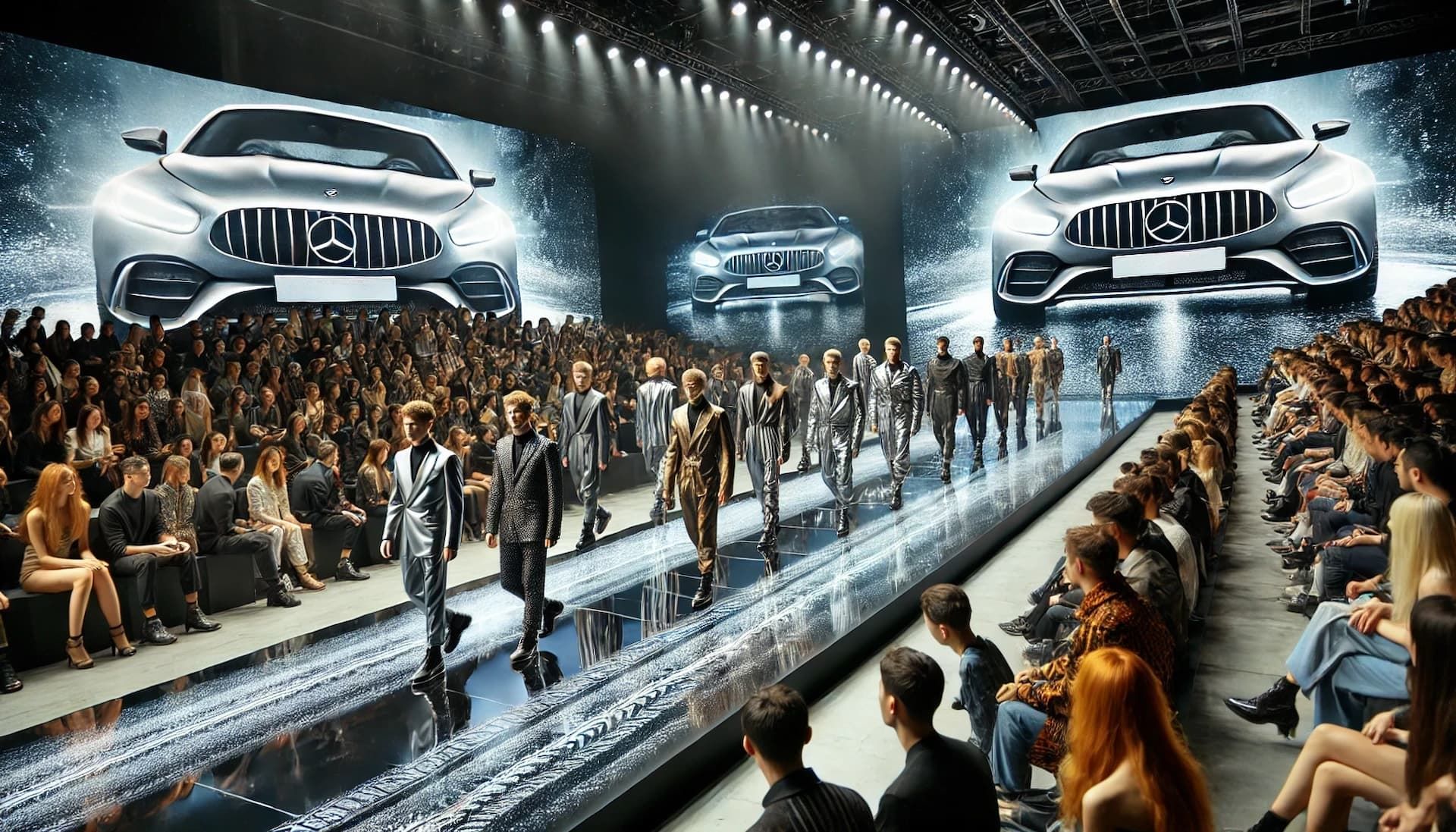
Fashion brands bring a unique aesthetic to automotive advertising, creating campaigns that are as visually stunning as they are innovative. One of the most memorable collaborations in recent years is the partnership between Maserati and Italian fashion house Ermenegildo Zegna. The two brands collaborated to create a limited edition of the Maserati Quattroporte, featuring bespoke interiors designed by Zegna. The advertising campaign that followed was a perfect blend of luxury and craftsmanship, highlighting the elegance and sophistication of both brands.
Brand Image
These collaborations are not just about aesthetics; they play a crucial role in shaping and enhancing the brand image of car manufacturers. For instance, when Bentley partnered with luxury watchmaker Breitling, the resulting campaign emphasized the precision engineering and attention to detail that both brands are known for. By associating themselves with high-end fashion brands, car manufacturers can reinforce their luxury status and appeal to a more affluent, style-conscious audience.
Case Studies
One of the most high-profile fashion-automotive collaborations is the partnership between BMW and Louis Vuitton. The two brands came together to create a special edition of the BMW i8, featuring custom-designed luggage by Louis Vuitton. This collaboration was more than just a marketing gimmick; it was a strategic move that aligned both brands with innovation, luxury, and exclusivity. The campaign generated significant buzz, attracting attention from both automotive enthusiasts and fashion aficionados.
Mutual Benefits
Market Expansion
Cross-industry collaborations offer a unique opportunity for brands to tap into new customer bases. When a car brand partners with a tech company or a fashion house, it can reach audiences that may not have been previously accessible. For instance, JaguarÔÇÖs collaboration with British fashion designer Stella McCartney helped the brand connect with a younger, more environmentally-conscious demographic, thanks to McCartneyÔÇÖs reputation for sustainable fashion.
Brand Synergy
The strength of cross-industry partnerships lies in the synergy between the brands involved. When done right, these collaborations can create a product or campaign that is greater than the sum of its parts. A perfect example of this is the partnership between Lexus and Mark Levinson, a high-end audio equipment manufacturer. The collaboration resulted in one of the most advanced sound systems ever installed in a car, enhancing the driving experience and reinforcing both brands' commitment to quality and innovation.
Consumer Perspective
From a consumer standpoint, these collaborations offer exciting new possibilities. Whether itÔÇÖs the ability to control your carÔÇÖs features using voice commands or the luxury of owning a limited-edition vehicle designed in partnership with a leading fashion brand, these partnerships enhance the overall ownership experience. Consumers today are looking for more than just a car; they want a product that reflects their lifestyle, values, and aspirations. Cross-industry collaborations allow car brands to meet these expectations in innovative and compelling ways.

Challenges and Considerations
Brand Compatibility
One of the key challenges in cross-industry collaborations is ensuring brand compatibility. Not all partnerships are a natural fit, and misalignment can lead to a disjointed or ineffective campaign. For example, if a car brand known for its rugged, off-road vehicles were to partner with a high-end fashion brand, the result might be confusing for consumers. ItÔÇÖs essential for brands to carefully consider whether their values, target audience, and overall image align before entering into a partnership.
Market Reception
Another challenge is market reception. Even if a collaboration seems like a perfect fit, it may not resonate with consumers as expected. The partnership between Ford and Hearst, for example, to create a series of digital magazines aimed at millennial women, was met with mixed reactions. While the concept was innovative, some consumers felt that the collaboration was forced and lacked authenticity. This highlights the importance of understanding consumer expectations and ensuring that the collaboration feels organic and genuine.
Future Outlook
Looking ahead, the future of cross-industry collaborations in the automotive space appears promising. As technology continues to evolve and consumer preferences shift, we can expect to see even more innovative partnerships emerge. The rise of electric vehicles (EVs) and autonomous driving technology, in particular, presents new opportunities for collaboration between car brands, tech companies, and even fashion brands. For instance, we might see partnerships focused on sustainable materials, advanced driver-assistance systems, or personalized in-car experiences.
Cross-industry collaborations have become a powerful tool for car brands looking to innovate and differentiate themselves in a competitive market. By partnering with tech and fashion brands, car manufacturers can create more engaging advertising campaigns, enhance their products, and reach new customer bases. These collaborations offer mutual benefits, from market expansion to brand synergy, and have the potential to reshape the future of automotive advertising.
As we look to the future, itÔÇÖs clear that the boundaries between industries will continue to blur. The most successful brands will be those that embrace these cross-industry collaborations, leveraging the strengths of their partners to create products and campaigns that resonate with consumers. Whether itÔÇÖs a cutting-edge tech partnership or a stylish fashion collaboration, the possibilities are endlessÔÇöand the results can be truly transformative.
Breyten Odendaal
Specializing in high-performance automotive advertising and digital marketing solutions, delivering cutting-edge insights and the latest news shaping the automotive industry in South Africa.
More From Advertising

Automotive Advertising in 2026: Selling Confidence in a More Competitive Market
As South Africa’s vehicle market becomes more competitive, automotive advertising needs to do more than announce a price or specification. It needs to help buyers understand value, ownership costs and why a vehicle suits their lives.

Automotive Digital Ads in South Africa: A Shift
Exploring how South Africa’s automotive advertising evolved from print and broadcast to data-driven, programmatic digital ecosystems.

The Video Shift in Car Buying Decisions in SA
Explore how video content shapes car purchase decisions in South Africa, comparing short-form and long-form strategies for automotive marketers.