
Imagine a time when the only way to learn about a new car was through a charming radio jingle or a glossy print ad. Fast forward to today, and automotive advertising has transformed into a digital spectacle, blending storytelling, data analytics, and immersive technologies. The journey from those humble beginnings to todayÔÇÖs digital-first landscape is as dynamic as the evolution of the automobile itself. This article takes you through the fascinating history, present innovations, and future possibilities of automotive advertising, showcasing how it has continually adapted to capture the hearts and minds of consumers.
Historical Background
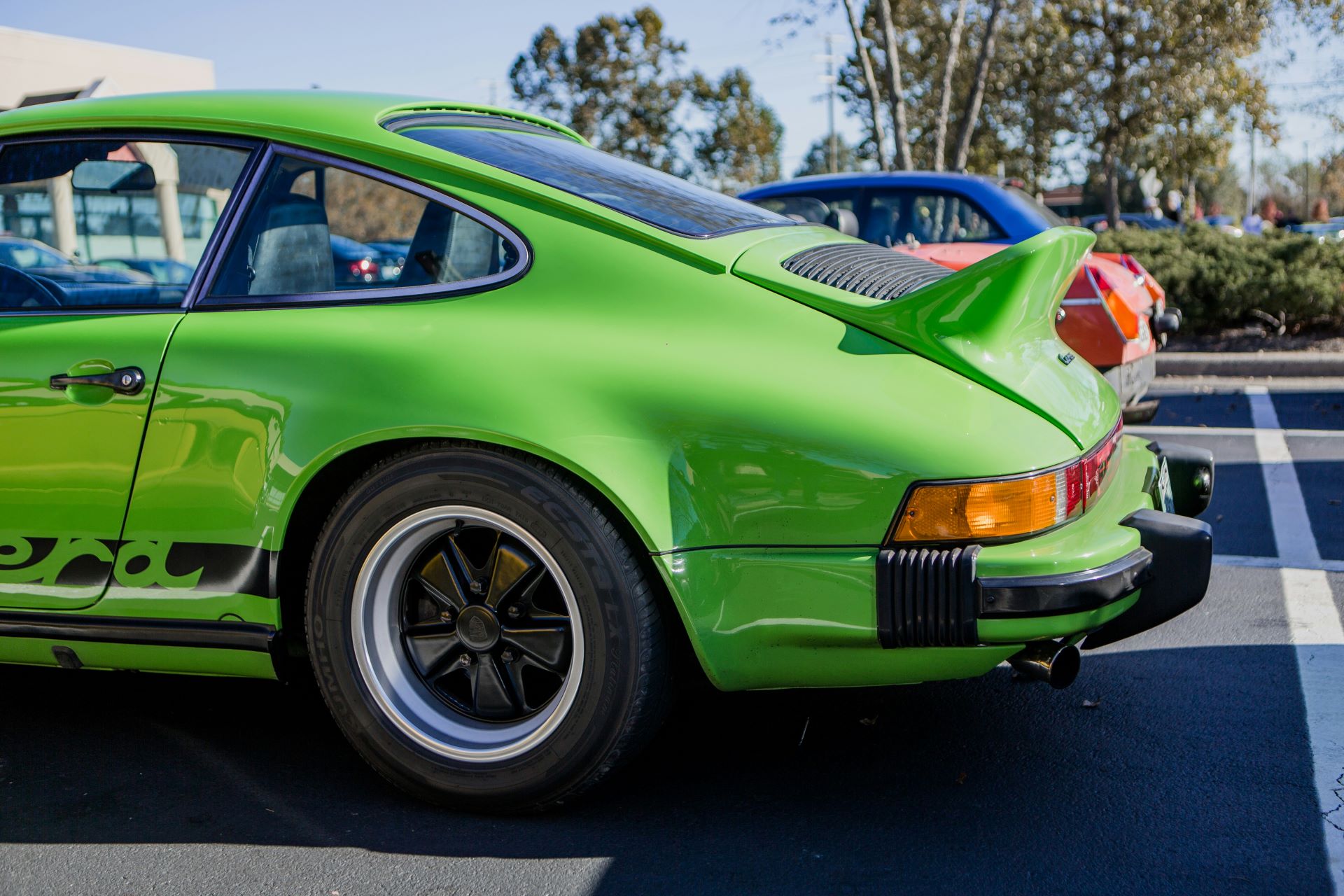
In the early 20th century, the automobile was more than a mode of transportation; it was a symbol of freedom and innovation. Advertising reflected this ethos, relying heavily on print media to showcase vehicles as aspirational products. Early print ads emphasized reliability, luxury, or performance, often accompanied by detailed illustrations. For instance, FordÔÇÖs Model T advertisements positioned it as ÔÇ£the car for the common man,ÔÇØ leveraging affordability as a unique selling point.
Radio jingles emerged in the 1920s and 1930s, offering a more dynamic way to connect with audiences. Companies like Chevrolet and Chrysler capitalized on the growing popularity of radio to craft catchy tunes that lingered in listenersÔÇÖ minds. These jingles not only advertised vehicles but also reinforced brand recognition, embedding automakers into the cultural fabric of the time.
By the mid-20th century, advertising campaigns became more sophisticated, with brands like Cadillac and Mercedes-Benz introducing themes of prestige and exclusivity. These campaigns set the stage for the next revolution: television.
The Television Era
The advent of television in the 1950s marked a seismic shift in automotive advertising. For the first time, brands could pair visuals with sound, creating emotionally engaging stories that showcased their cars in action. Television commercials became mini-productions, often featuring cinematic elements to captivate audiences.
One of the most iconic examples is the 1984 Ridley Scott-directed ad for the Peugeot 405, which combined dramatic visuals with a compelling narrative. Similarly, VolkswagenÔÇÖs ÔÇ£Think SmallÔÇØ campaign for the Beetle broke advertising norms by using wit and simplicity, leaving an indelible mark on pop culture.
Celebrity endorsements also gained traction during this era. Steve McQueen, known for his roles in action films, became synonymous with the Ford Mustang, leveraging his rugged persona to align the car with a sense of adventure and freedom. Television ads of this period not only sold cars but also crafted aspirational lifestyles that resonated with diverse audiences.
The Rise of Digital Advertising
The dawn of the internet in the late 1990s ushered in a new era for automotive advertising. Websites became virtual showrooms, allowing consumers to explore features and compare models from the comfort of their homes. Email marketing campaigns and banner ads followed, targeting potential buyers with offers and promotions.
As social media platforms like Facebook, Twitter, and Instagram gained popularity, brands began to engage directly with consumers. These platforms offered a two-way communication channel, enabling real-time interactions and feedback. For example, AudiÔÇÖs #WantAnR8 campaign on Twitter invited users to share why they deserved to drive the luxury sports car, generating massive user engagement and brand visibility.
Digital advertising also introduced programmatic ad buying, enabling precise targeting based on demographics, browsing behavior, and purchase history. Brands like Tesla leveraged these tools to position themselves as tech-driven innovators, reaching audiences who prioritized sustainability and cutting-edge design.
Social Media and Influencer Impact
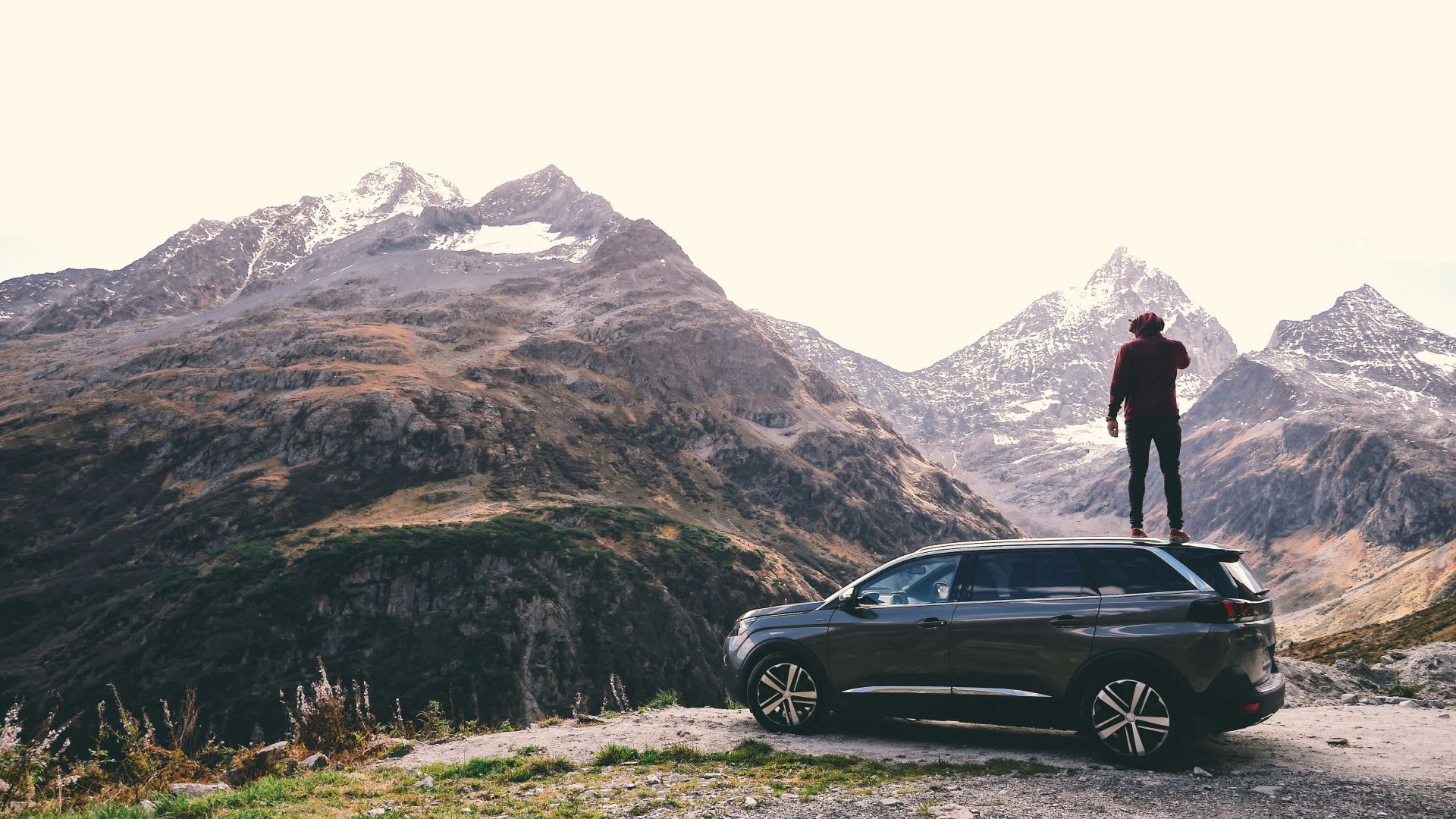
Today, social media platforms are indispensable in automotive advertising, particularly for reaching younger demographics. Instagram and TikTok have emerged as powerful tools for showcasing vehicles through visually appealing content, often leveraging influencers to amplify reach and credibility.
Influencers like Supercar Blondie have carved out niches by sharing engaging content that highlights the allure of high-performance and luxury vehicles. Collaborations between brands and influencers create authentic narratives, making advertising feel less intrusive and more relatable.
YouTube has become a hub for automotive enthusiasts, with channels dedicated to test drives, reviews, and behind-the-scenes content. FordÔÇÖs partnership with YouTube creators for the launch of the Bronco exemplifies this trend, using influencer-driven campaigns to build anticipation and connect with adventure-seekers.
The Role of Data and Personalization
In the digital age, data analytics has revolutionized how automotive brands craft advertising campaigns. Insights derived from consumer behavior, preferences, and purchase history allow for highly personalized messaging that resonates on a deeper level.
For instance, BMWÔÇÖs use of geo-targeted ads ensures that potential buyers see models tailored to their local market conditions. Similarly, Mercedes-BenzÔÇÖs ÔÇ£MeÔÇØ app integrates with user data to recommend vehicles and services based on individual driving habits.
Personalization extends to immersive experiences, such as augmented reality (AR) test drives and virtual showrooms. These innovations not only enhance engagement but also simplify the decision-making process, bridging the gap between curiosity and conversion.
The Future of Automotive Advertising
As technology continues to advance, the possibilities for automotive advertising are boundless. Augmented and virtual reality are set to play pivotal roles in offering immersive experiences that let consumers explore vehicles in unprecedented detail. Imagine test-driving a car from your living room or customizing a vehicleÔÇÖs features in a virtual showroom.
Artificial intelligence (AI) is another game-changer. AI-driven chatbots and recommendation engines will enable hyper-personalized interactions, guiding potential buyers through every step of their journey. Additionally, autonomous vehicles could become mobile advertising platforms, displaying targeted messages to passengers and pedestrians alike.
Sustainability is likely to influence future campaigns as well. Brands that prioritize eco-friendly messaging, coupled with green technologies, will resonate strongly with environmentally conscious consumers. This shift will redefine the narrative of automotive advertising, emphasizing responsibility alongside innovation.
From the melodic charm of radio jingles to the cutting-edge allure of virtual reality, automotive advertising has undergone a remarkable transformation. Each era brought new tools and strategies, reflecting the evolving tastes and technologies of its time. Today, as brands navigate the digital realm, they continue to push boundaries, crafting campaigns that inspire and engage.
As we look to the future, the potential for innovation in automotive advertising is limitless. For enthusiasts, itÔÇÖs a thrilling time to witness how brands will continue to captivate audiences, blending creativity with technology to drive the industry forward. Whether itÔÇÖs through a nostalgic nod to the past or a bold leap into the future, one thing remains clear: the journey of automotive advertising is far from over.
Breyten Odendaal
Specializing in high-performance automotive advertising and digital marketing solutions, delivering cutting-edge insights and the latest news shaping the automotive industry in South Africa.
More From Advertising
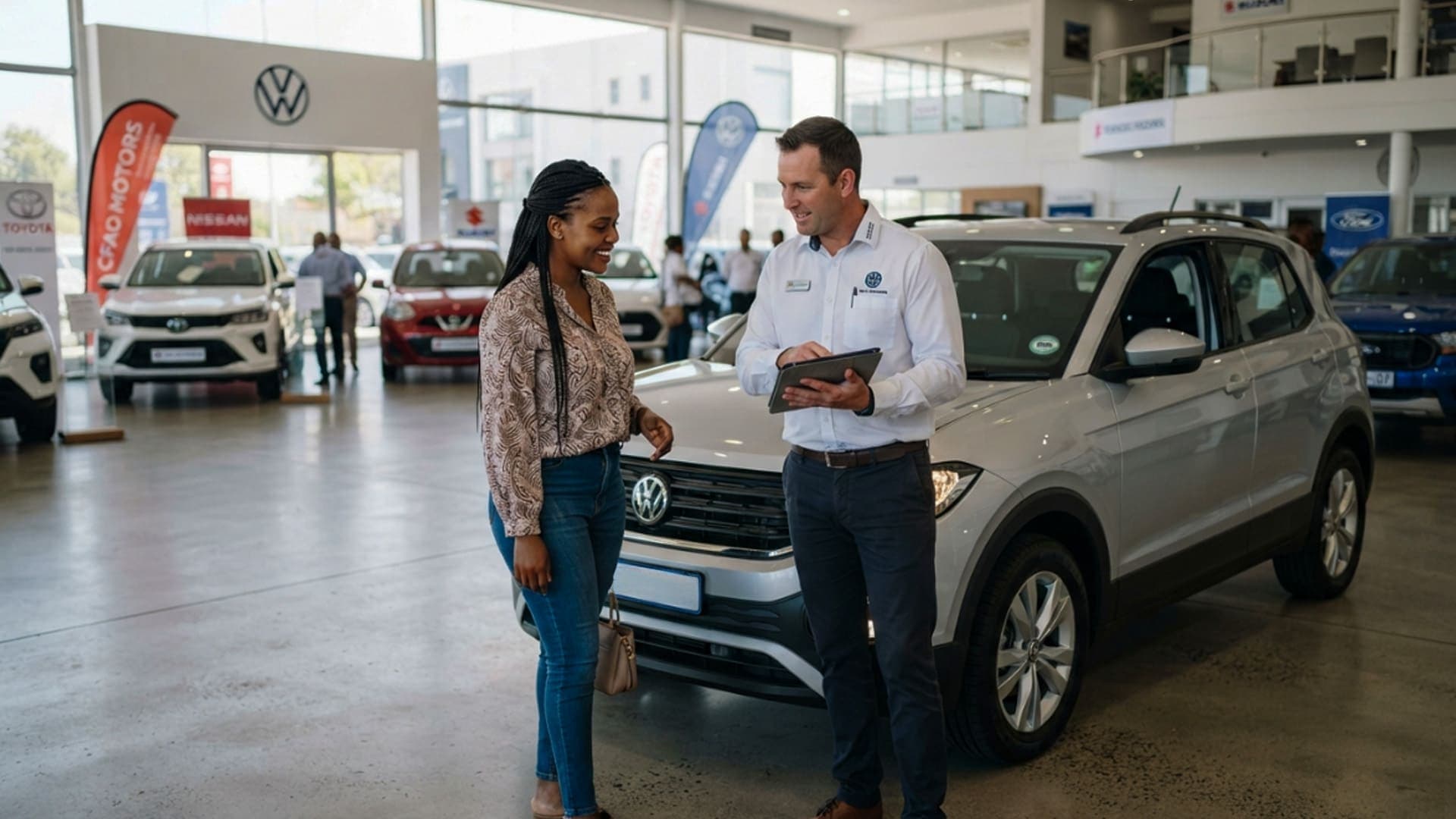
Automotive Advertising in 2026: Selling Confidence in a More Competitive Market
As South Africa’s vehicle market becomes more competitive, automotive advertising needs to do more than announce a price or specification. It needs to help buyers understand value, ownership costs and why a vehicle suits their lives.

Automotive Digital Ads in South Africa: A Shift
Exploring how South Africa’s automotive advertising evolved from print and broadcast to data-driven, programmatic digital ecosystems.

The Video Shift in Car Buying Decisions in SA
Explore how video content shapes car purchase decisions in South Africa, comparing short-form and long-form strategies for automotive marketers.