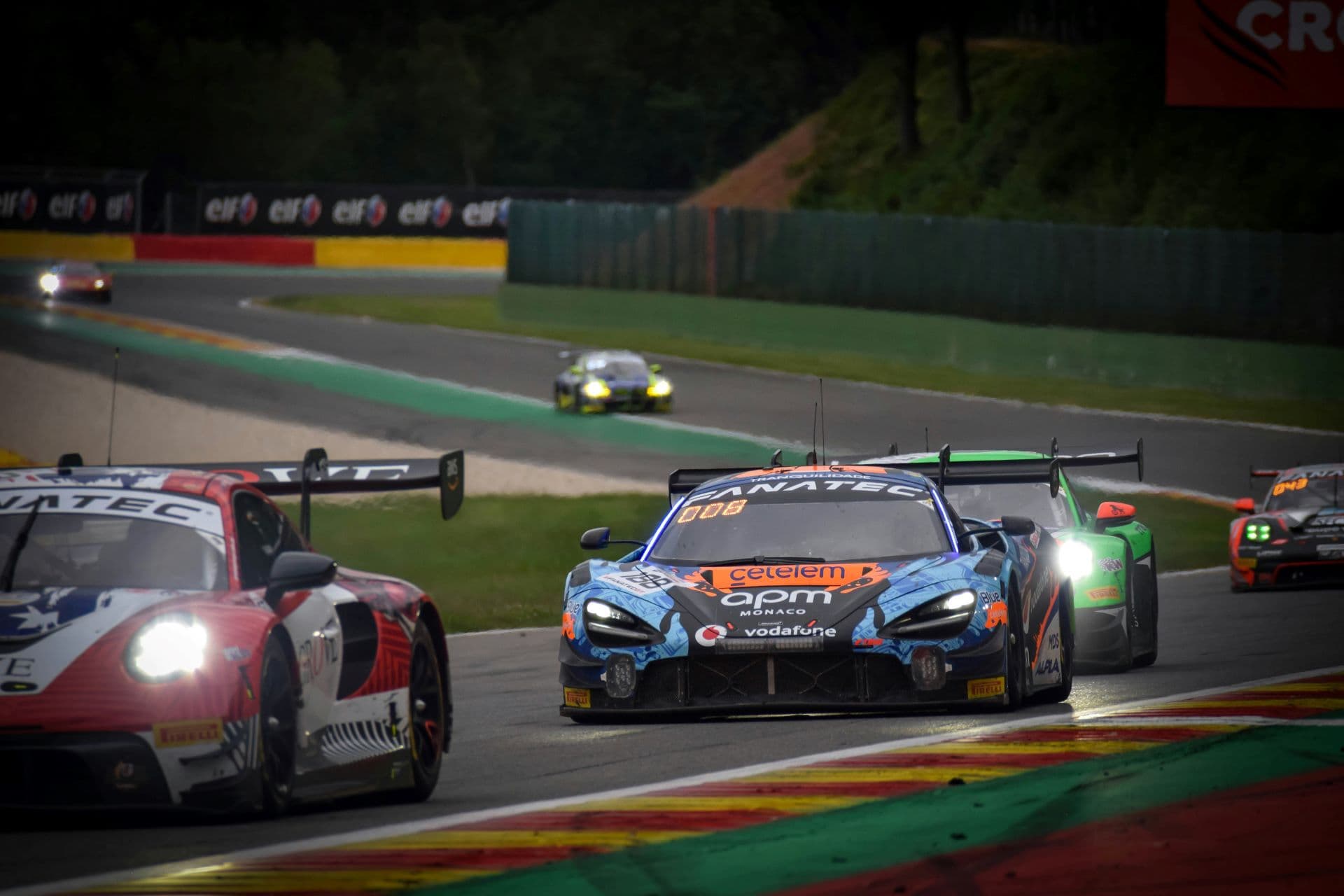
For more than a century, the racetrack has been the proving ground for innovation, endurance, and glory. ItÔÇÖs where brands forge reputations, test engineering boundaries, and cultivate legends. But beyond the checkered flags and champagne sprays, motorsport plays a powerful, often underestimated role in shaping retail marketing strategies. This is not merely a matter of slapping a race car driver on a billboard or launching a limited-edition vehicle with a spoiler and some decals. Rather, itÔÇÖs about the strategic integration of motorsport heritage into brand storytelling, lifestyle positioning, and customer engagement ÔÇö from the paddock to the showroom floor.
Today, automotive brands are not only leveraging their racing success to reinforce product performance but are also translating decades of motorsport prestige into aspirational campaigns that drive consumer loyalty, elevate brand value, and deepen emotional resonance. In this article, we explore the symbiotic relationship between motorsport and marketing, unpacking how brands harness their racing roots to create compelling narratives that captivate enthusiasts and casual drivers alike.
The Legacy Lever: Why Motorsport Matters in Brand Positioning
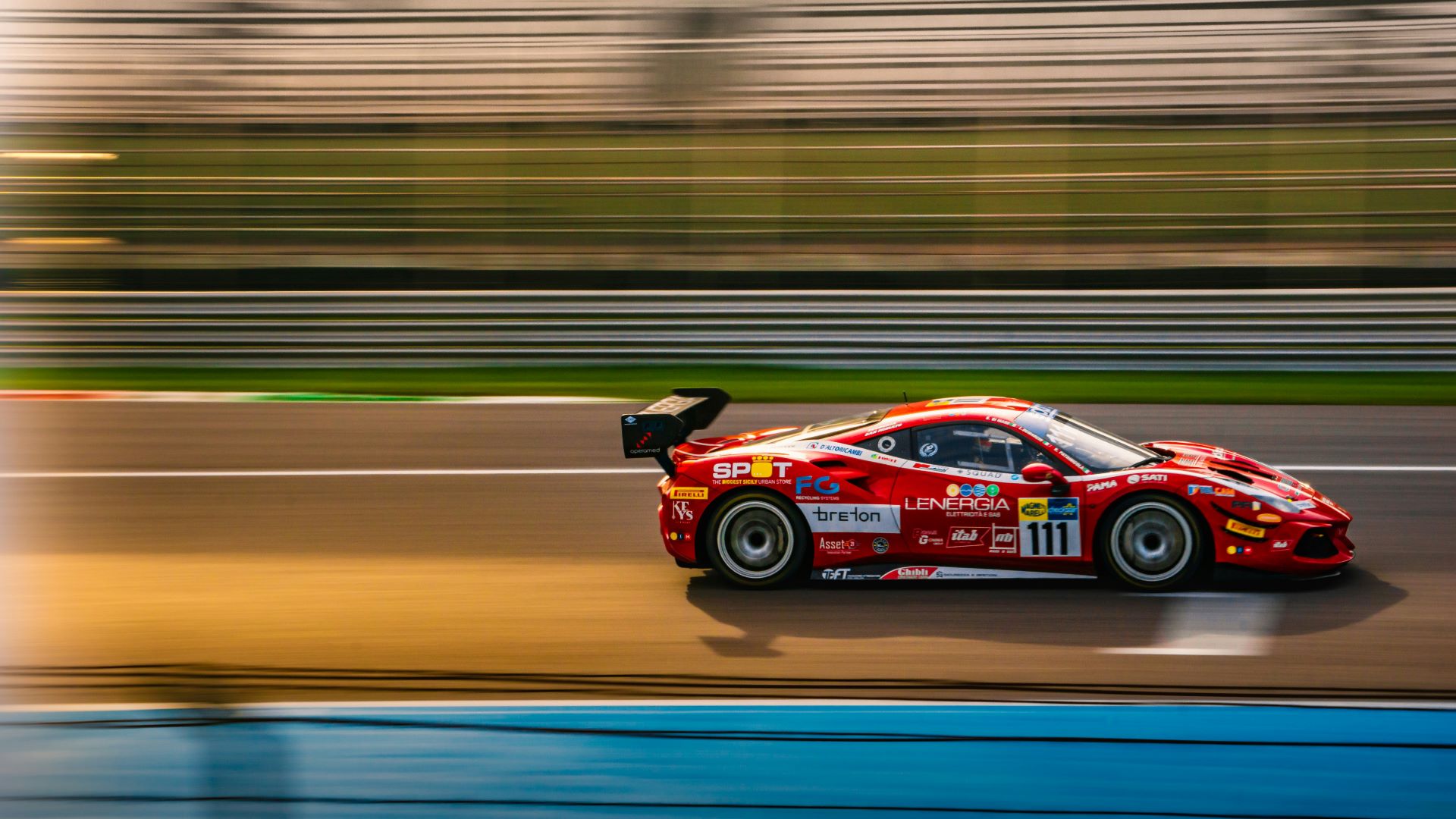
Motorsport is not just a sport ÔÇö it's a stage for showcasing engineering excellence under extreme conditions. Brands like Ferrari, Porsche, McLaren, and Mercedes-AMG have built global empires not just on road car performance but on motorsport dominance. The success achieved on circuits like Le Mans, N├╝rburgring, and Monaco feeds directly into brand mythology.
Consider Ferrari: every road-going model is steeped in the blood, sweat, and carbon fibre of Scuderia FerrariÔÇÖs Formula 1 exploits. The very name evokes images of screaming V12s and crimson blurs ÔÇö and that cachet carries weight in the showroom. Customers arenÔÇÖt just buying a car; theyÔÇÖre buying into an ethos of speed, prestige, and passion. The same can be said of Porsche's relentless 24 Hours of Le Mans dominance, which forms the backbone of its "Everyday Sports Car" proposition.
In todayÔÇÖs saturated automotive market, where technical specifications are increasingly commoditised, this heritage serves as a powerful differentiator. It conveys authenticity. It builds trust. It tells a story that transcends torque figures and instead taps into emotion, aspiration, and identity.
Beyond the Track: Motorsport as a Lifestyle Narrative
Brands have learned that the appeal of motorsport extends far beyond the pit lane. The modern automotive consumer doesnÔÇÖt only care about lap times; they care about lifestyle, aesthetics, and alignment with personal values. Motorsport heritage becomes a cultural touchpoint, enabling brands to position themselves as not just carmakers but curators of experience.
Take TAG HeuerÔÇÖs longstanding partnership with Formula 1. While the brand has deep racing roots, its campaign messaging seldom focuses on telemetry data. Instead, it leans into the glamor, grit, and history of motorsport ÔÇö think Steve McQueen in Le Mans, or Monaco GP backdrops. The result is a product that exudes precision, rebellion, and edge ÔÇö all through the lens of racing culture.
BMW MÔÇÖs ÔÇ£Born on the TrackÔÇØ campaign is another example. Rather than simply touting horsepower, it creates a visceral connection between motorsport DNA and everyday driving excitement. Track footage is juxtaposed with urban driving to create a seamless narrative: from race to road, this is a brand built for those who live to drive.
Limited Editions: From CollectorÔÇÖs Item to Cultural Moment
Few marketing tactics bridge the gap between racetrack and retail more effectively than the launch of limited-edition, motorsport-inspired models. These vehicles often commemorate a racing milestone or pay tribute to a legendary driver or car. They become instantly collectible, desirable, and conversation-worthy.
PorscheÔÇÖs 911 GT3 RS Tribute to Carrera RS is a masterclass in this genre. ItÔÇÖs not just a car ÔÇö itÔÇÖs a homage to motorsport history, packed with subtle cues and aesthetic flourishes that reference the iconic 1973 model. The marketing campaign was equally reverent, evoking PorscheÔÇÖs storied past while reinforcing its ongoing relevance.
Similarly, FordÔÇÖs GT Heritage Edition series taps into its iconic 1966 Le Mans victory with liveries that celebrate the original Gulf Oil racers. These editions arenÔÇÖt just vehicles; they are rolling narratives, enabling owners to feel part of a legend. Each release is accompanied by a tightly choreographed campaign ÔÇö short films, influencer engagement, immersive digital experiences ÔÇö all designed to create buzz and urgency.
These campaigns donÔÇÖt just sell cars; they sell belonging. And in the age of social media, where visibility and distinction matter more than ever, owning a slice of racing history is the ultimate statement.
Motorsport Sponsorship: The Hidden Influence Engine
While fans focus on overt campaigns, a quieter but equally powerful dynamic plays out through brand sponsorship of motorsport teams and events. From energy drinks to insurance providers, non-automotive companies leverage motorsport to imbue their brand with traits like performance, resilience, and innovation.
Red Bull Racing exemplifies this strategy. As both sponsor and team owner, Red Bull has engineered a seamless link between extreme performance and its brand ethos. Its racing success amplifies everything from its media output to product placements. The brandÔÇÖs identity is now inseparable from high-octane thrills, and its global recognition owes much to the halo effect of F1.
On the automotive side, Alfa RomeoÔÇÖs return to Formula 1 in partnership with Sauber rekindled public interest in a once-storied marque. The tie-in allowed for cross-promotion with its Giulia Quadrifoglio and Stelvio performance models, reinforcing its sporting credentials and invigorating brand perception.
Sponsorship, when done well, doesnÔÇÖt just slap logos on cars. It tells a story, aligns values, and places the brand at the heart of high-stakes drama ÔÇö all of which spills over into consumer perception and, eventually, purchasing behavior.
Technology Transfer: From Pit Lane to Product Page
One of the most tangible ways motorsport informs marketing is through technology transfer. When automakers can credibly claim that their road cars benefit from race-derived innovations, they command attention and authority.
Mercedes-AMGÔÇÖs Project ONE, which integrates a full Formula 1 hybrid power unit into a road car, is perhaps the boldest expression of this idea. ItÔÇÖs the literal transfer of race tech to the street. The accompanying campaign ÔÇö fronted by F1 champion Lewis Hamilton ÔÇö was a celebration of engineering ambition, framed not as a marketing gimmick but as a natural evolution of the brandÔÇÖs motorsport prowess.
AudiÔÇÖs e-tron GT also leans heavily into this narrative, often referencing its endurance racing heritage to underline the performance credentials of its electric lineup. By drawing a direct line between motorsport innovation and EV development, Audi reinforces the message that sustainability and performance are not mutually exclusive ÔÇö a powerful message in the current automotive zeitgeist.
This blend of technical credibility and storytelling is gold dust for marketers. It transforms abstract R&D into customer-facing value, making engineering relevant, exciting, and sellable.
Experiential Marketing: Letting the Customer Drive the Legacy
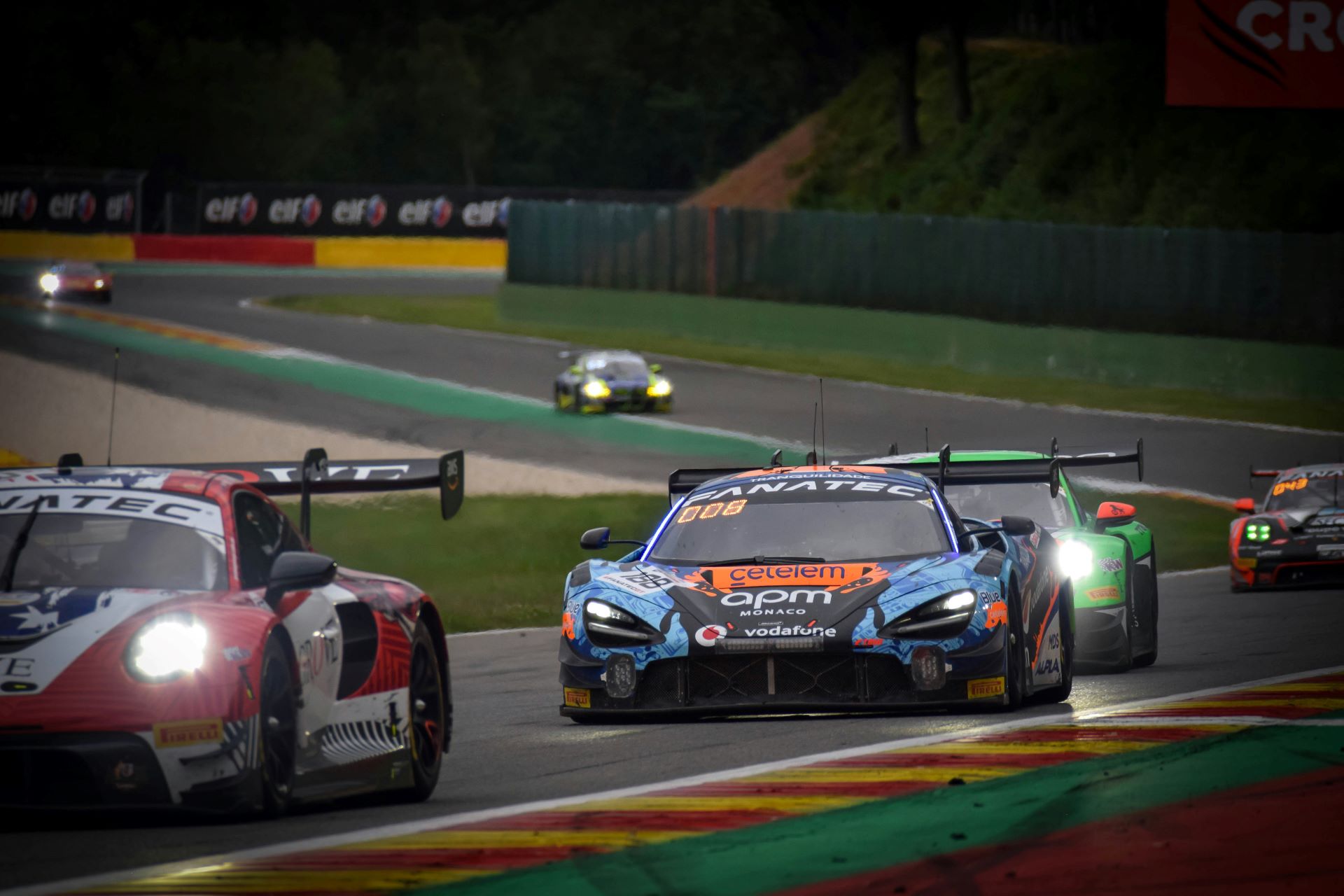
Experience has become a core pillar of modern marketing, and motorsport heritage provides fertile ground for unforgettable, immersive campaigns. From track days to VR simulations, brands are letting customers feel the thrill of racing history firsthand.
JaguarÔÇÖs ÔÇ£Art of PerformanceÔÇØ Tour invited customers to test drive vehicles on closed courses while immersed in high-production-value content that celebrated JaguarÔÇÖs motorsport history. The result was part adrenaline, part brand indoctrination ÔÇö a masterstroke in emotional engagement.
FerrariÔÇÖs Corsa Clienti and LamborghiniÔÇÖs Squadra Corse programmes go even further, allowing high-net-worth individuals to own, race, and maintain factory-built race cars under the brandÔÇÖs direct guidance. These experiences aren't just about selling cars; theyÔÇÖre about creating lifelong advocates.
As customer expectations evolve, especially in the luxury and performance segments, the opportunity to feel part of a brandÔÇÖs motorsport journey becomes a key value proposition. It turns buyers into believers.
Digital Storytelling: Bringing Motorsport to the Masses
In the digital age, the democratization of motorsport storytelling has taken campaigns to new heights. Brands are using social media, streaming, and gaming to make their motorsport heritage accessible to millions.
NetflixÔÇÖs ÔÇ£Drive to SurviveÔÇØ proved that there is a massive appetite for motorsport drama beyond the traditional fan base. Savvy brands jumped on this wave, integrating behind-the-scenes content, micro-documentaries, and influencer partnerships to ride the rising tide of F1 popularity.
Gran Turismo, F1 Manager, and other racing games also provide key platforms. Automakers now integrate campaign elements within these games ÔÇö from digital liveries to branded events ÔÇö engaging younger demographics in environments where traditional advertising often fails.
Through YouTube, TikTok, and Instagram, brands like Pagani, Koenigsegg, and Aston Martin offer sneak peeks into test days, design meetings, and race weekends. This content doesnÔÇÖt just entertain ÔÇö it builds mythology, showcasing a commitment to craft and competition that resonates deeply with enthusiasts.
The Future of Heritage-Driven Campaigns
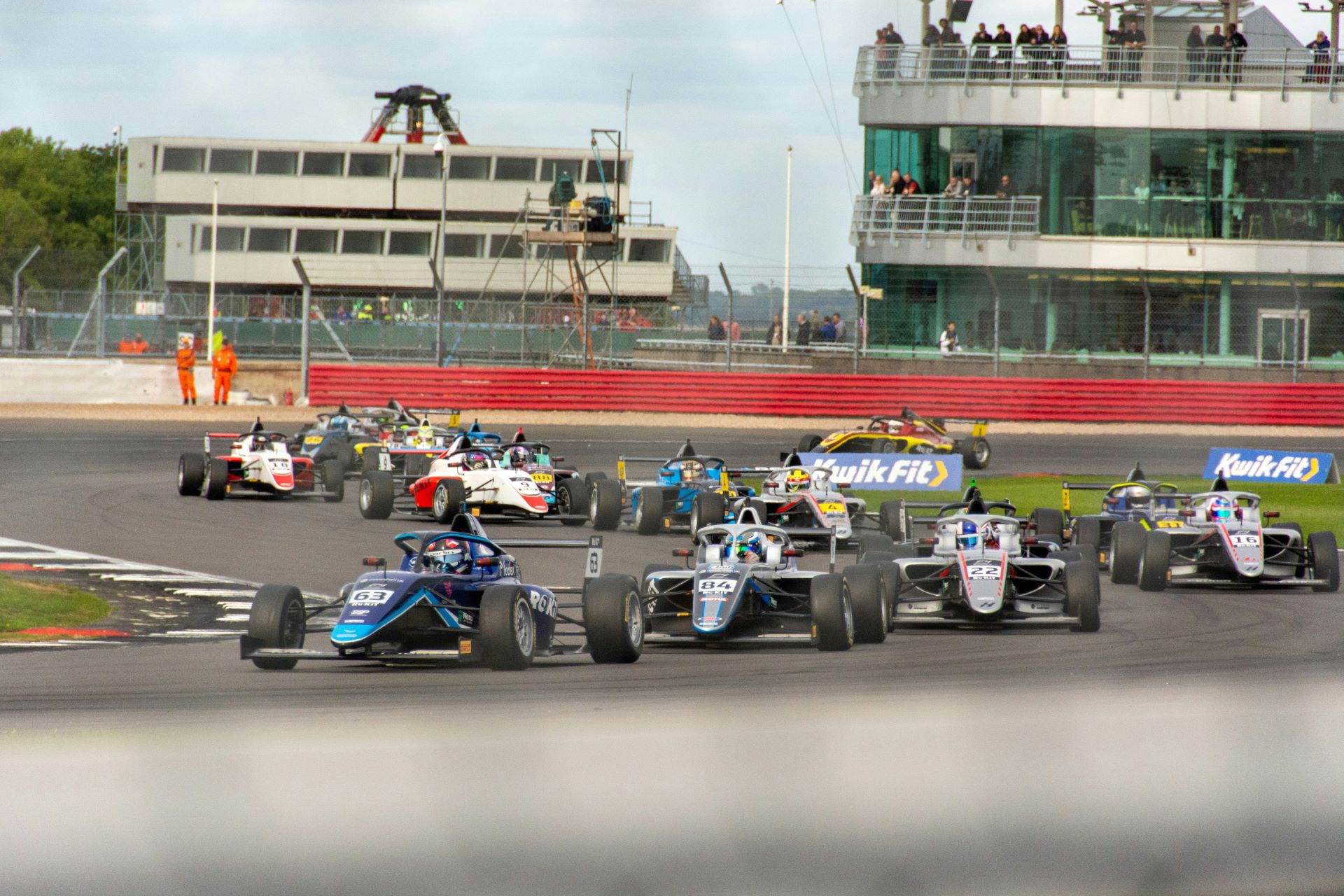
As the automotive world pivots toward electrification, autonomy, and digitalisation, one might expect motorsportÔÇÖs marketing relevance to fade. But in fact, the opposite appears to be true. As cars become quieter, cleaner, and more software-defined, the emotional charge of motorsport heritage provides the spark that sustains passion in the automotive space.
Heritage is not a static asset ÔÇö itÔÇÖs a living, evolving resource that smart brands tap into to stay relevant, inspire loyalty, and drive desire. Motorsport, with its unique blend of high drama, technical excellence, and human grit, offers a storytelling palette unlike any other. When integrated thoughtfully into campaigns, it doesnÔÇÖt just sell cars ÔÇö it sells dreams.
And for the automotive enthusiast, those dreams will always begin with the sound of an engine on the edge, hurtling down a straight, chasing glory not just for a team, but for a legacy that lives from racetrack to retail.
Breyten Odendaal
Specializing in high-performance automotive advertising and digital marketing solutions, delivering cutting-edge insights and the latest news shaping the automotive industry in South Africa.
More From Advertising

Automotive Advertising in 2026: Selling Confidence in a More Competitive Market
As South Africa’s vehicle market becomes more competitive, automotive advertising needs to do more than announce a price or specification. It needs to help buyers understand value, ownership costs and why a vehicle suits their lives.

Automotive Digital Ads in South Africa: A Shift
Exploring how South Africa’s automotive advertising evolved from print and broadcast to data-driven, programmatic digital ecosystems.

The Video Shift in Car Buying Decisions in SA
Explore how video content shapes car purchase decisions in South Africa, comparing short-form and long-form strategies for automotive marketers.