The Shift from Static to Mobile Brand Experiences
The traditional showroom once stood as the beating heart of the automotive retail experience ÔÇö a gleaming space of polished floors, glossy brochures, and polite salespeople waiting behind desks. Customers came to it when they were ready to buy, and the brandÔÇÖs role was largely reactive: create a welcoming space and hope the product would do the convincing.
That model is still alive, but it no longer stands alone. The past decade has seen a profound shift in how carmakers connect with people. Instead of relying solely on fixed locations, brands now put their product directly in the path of consumersÔÇÖ lives ÔÇö at music festivals, outdoor adventure expos, shopping malls, tech conventions, even in the middle of bustling pedestrian plazas. These are not just cars on display; they are immersive, tactile experiences designed to stir emotions and forge memories long before a purchase decision is made.
This movement toward mobile experiential marketing is about meeting customers where they are, rather than waiting for them to come knocking. ItÔÇÖs a response to changing consumer habits, shorter attention spans, and a desire for authenticity. In an age where nearly every product can be compared, reviewed, and even purchased online, automotive brands are seeking differentiation through something the digital world canÔÇÖt fully replicate: real-life, sensory engagement.

The Origins of Mobility in Automotive Marketing
While the current wave feels modern, travelling automotive showcases have a long lineage. As early as the 1920s and 1930s, manufacturers staged roadshows to bring their latest models to smaller towns that lacked dealerships. These events were part spectacle, part sales pitch, often accompanied by marching bands, local dignitaries, and demonstrations of new technology ÔÇö such as the ÔÇ£silentÔÇØ running of early closed-body cars or the smoothness of hydraulic brakes.
Motorsport also played a role in shaping todayÔÇÖs experiential approach. Formula 1 and endurance racing teams have long set up paddock displays, allowing fans to peek behind the curtain at engineering innovations. Over time, these static paddock displays evolved into full-scale brand villages at race circuits ÔÇö with merchandise shops, driver meet-and-greets, simulators, and hospitality lounges.
The late 20th century saw manufacturers experimenting with ÔÇ£concept toursÔÇØ ÔÇö think of Porsche taking its latest 911 iteration on a cross-country journey, or GM sending futuristic concept cars on rotating display in shopping centres. The seeds of modern experiential marketing were being planted, but it was the early 2000s that brought the game-changing realisation: cars are not just modes of transport; they are lifestyle objects. And lifestyle, by its very nature, is mobile.
Pop-Up Showrooms ÔÇô Bringing the Dealership to the People
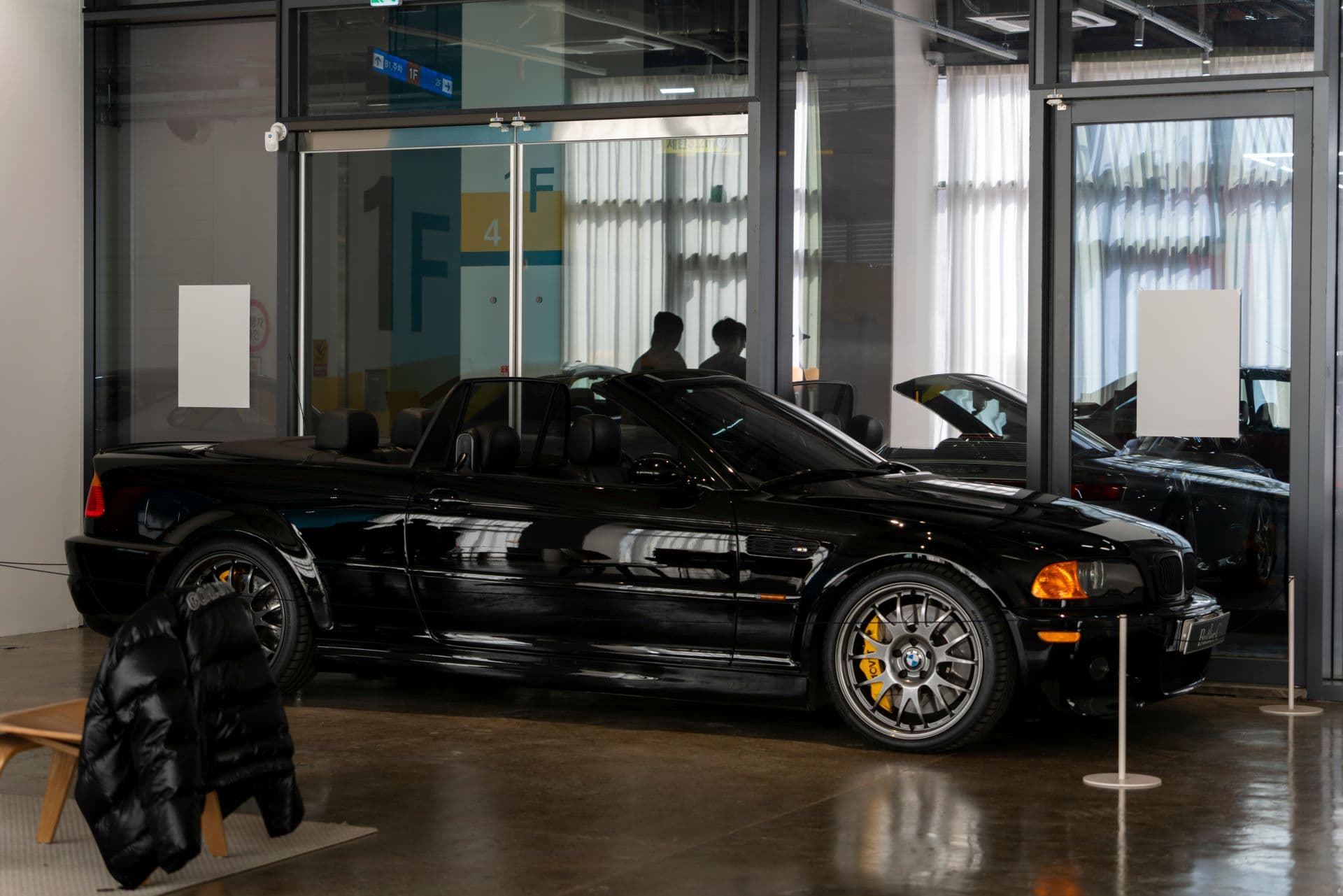
Pop-up showrooms became a significant force in the 2010s, reflecting the growing appetite for flexible, high-impact brand spaces. These are temporary installations ÔÇö often in high-footfall locations such as malls, airports, or urban squares ÔÇö designed to showcase a specific model or theme.
MINI was one of the early adopters, opening glass-walled pop-ups in trendy neighbourhoods to show off its new range. The idea was as much about vibe as it was about cars: casual seating areas, branded coffee, DJ sets on weekends, and even art exhibitions happening alongside test-drive sign-ups. The message was subtle but clear ÔÇö MINI was not just selling a car, it was inviting you into a cultural moment.
Volvo took a different approach, leaning into its Scandinavian heritage. Its pop-up lounges ÔÇö white oak flooring, soft lighting, and minimalistic displays ÔÇö aimed to convey calm sophistication. Shoppers could relax with a cappuccino, chat to product experts (who deliberately dressed more like stylists than salespeople), and explore new models like the XC40 Recharge via interactive touchscreens.
Hyundai, meanwhile, integrated more direct retail into the pop-up concept. In several UK shopping centres, its temporary showrooms allowed visitors to not only explore cars physically but also complete the majority of the purchase process on-site. This reduced the traditional dealership friction, appealing to younger buyers who value convenience.
The appeal of pop-ups lies in their agility. A manufacturer can launch one in a matter of weeks, tailor the look and feel to a specific campaign, and dismantle it just as quickly ÔÇö avoiding the sunk cost of permanent infrastructure.
The Rise of Festival Pavilions and Lifestyle Tie-Ins
If pop-ups are about convenience and proximity, festival pavilions are about immersion and association. Big-ticket lifestyle events have become fertile ground for automotive marketing because they draw large, engaged audiences whose interests can align closely with a brandÔÇÖs target demographic.
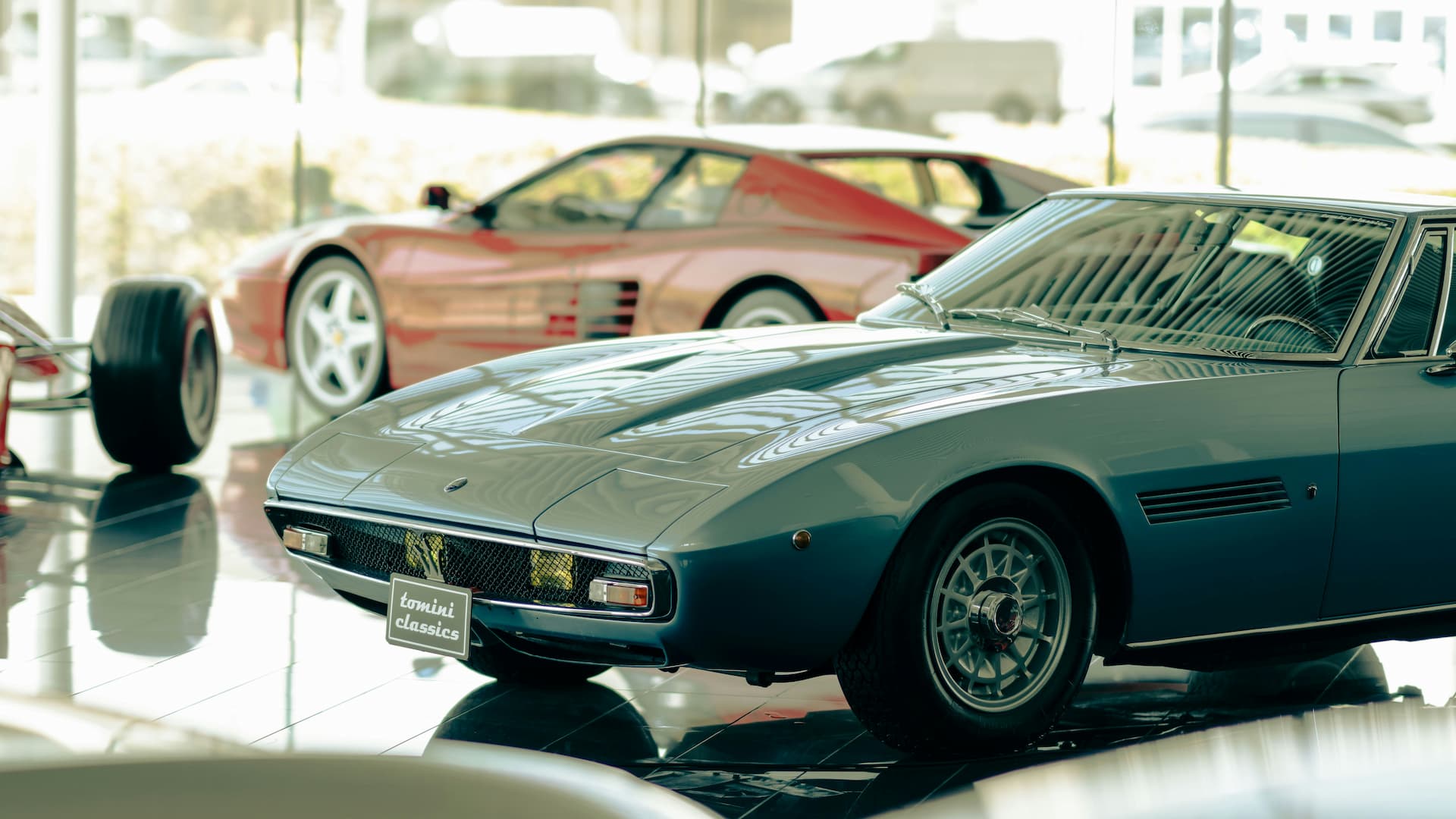
Goodwood Festival of Speed is perhaps the ultimate example ÔÇö a multi-day celebration where historic race cars, modern hypercars, and experimental EVs share the same stage. Manufacturers treat Goodwood as an experiential playground. Jaguar builds performance driving arenas, BMW unveils special editions with theatrical reveals, and EV brands offer hill climb runs to showcase acceleration and handling. The crowd is primed for automotive content, but the competition for attention is fierce ÔÇö which is why brands invest heavily in creative stand design, interactive tech, and Instagram-worthy moments.
Outside of automotive-specific events, lifestyle tie-ins are increasingly powerful. Land Rover has established a reputation for building off-road courses at outdoor adventure festivals, inviting visitors to tackle steep inclines and water crossings under expert guidance. Lexus has brought its luxury SUVs to design weeks around the world, creating art-meets-engineering installations that attract a style-conscious audience.
Even music festivals are fair game. Ford once converted a section of Lollapalooza into a branded lounge with charging stations (for both phones and people), live music sets, and the latest Mustang Mach-E on display. The car became part of the festivalÔÇÖs visual identity on social media ÔÇö an organic brand amplification that advertising money canÔÇÖt easily buy.
Immersion Through Technology ÔÇô VR, AR, and Mixed Reality Test Drives
Not every location allows for a traditional test drive, but thatÔÇÖs where immersive technology steps in. VR (virtual reality) and AR (augmented reality) experiences are now a core tool in the automotive experiential arsenal.
Porsche has developed VR test drives that transport participants to the winding mountain roads of the Pyrenees or the sun-drenched curves of the Pacific Coast Highway ÔÇö all from the middle of a shopping centre. By syncing the VR environment to a physical car cockpit, complete with haptic feedback through the steering wheel, the illusion is remarkably convincing.
BMW and Kia have taken AR to outdoor events, enabling attendees to see how different trim levels, colours, and wheel designs would look in real life, overlaid directly onto the car before them. This solves a common frustration for buyers: the inability to visualise optional extras without physically seeing them.
While the spectacle of immersive tech is a draw in itself, the best implementations link back to tangible next steps. Many VR experiences now end with a personalised QR code that takes users to a booking page for an actual test drive ÔÇö merging the virtual thrill with a real-world follow-up.
The Strategic Roadmap ÔÇô Choosing the Right Event and Audience
Behind every flashy activation is a detailed strategic process. Automotive brands donÔÇÖt just show up at any event ÔÇö they select environments that reflect their positioning and target the right psychographics.
For example, a high-performance sports car marque is unlikely to invest in a family-focused food festival, but it might commit heavily to a supercar ownersÔÇÖ rally or an international art fair that attracts affluent, design-savvy guests. EV brands, conversely, are increasingly visible at sustainability expos, green tech summits, and community eco-fairs, aligning their presence with their environmental credentials.
Timing is equally important. Aligning a mobile activation with a new model launch amplifies media interest and maximises social media traction. Geographical planning also plays a role ÔÇö some activations tour multiple cities in a region, creating a rolling buzz that feeds into broader marketing campaigns.
Designing for Interaction ÔÇô Why Passive Displays No Longer Work
The days of a roped-off car sitting passively under bright lights are gone. TodayÔÇÖs experiential spaces invite touch, interaction, and even co-creation. Brands have realised that the more a visitor physically and emotionally engages with a vehicle, the deeper the memory it leaves.
Polestar has exemplified this with its minimalist ÔÇ£SpacesÔÇØ concept ÔÇö stripped-down environments that allow the car to be the hero. Guests are encouraged to open doors, explore interiors, and even plug in their own devices to experience connectivity features. ThereÔÇÖs no sales pitch unless requested, reinforcing a low-pressure environment.
Other brands experiment with sensory cues: scent diffusers inside cabins to evoke luxury or adventure, ambient soundscapes matching the carÔÇÖs intended environment, or curated playlists streamed from the in-car audio system. These multi-sensory layers create associations that last well beyond the event itself.
Partnering for Impact ÔÇô Cross-Industry Collaborations
One of the strongest developments in recent years has been the merging of automotive activations with other industries. Collaborations with fashion houses, outdoor gear brands, and even gourmet food producers have given carmakers fresh cultural relevance.
LexusÔÇÖ long-standing involvement in design weeks sees the brand pairing with architects and artists to create installations that blur the lines between product display and cultural exhibition. Mercedes-Benz has sponsored haute couture runway shows, parking concept cars alongside collections as part of a ÔÇ£future of luxuryÔÇØ narrative.
For off-road and adventure brands like Jeep, collaborations with tent manufacturers or overlanding equipment suppliers allow them to showcase vehicles fully outfitted for exploration ÔÇö an authentic demonstration of capability rather than just a claim on a spec sheet.
Measuring the Mileage ÔÇô ROI in Experiential Automotive Marketing
For all their creativity, experiential campaigns are still investments that must justify themselves. Measuring ROI in this context is complex, because not all benefits are immediate or tangible.
Brands look at multiple data points: the number of qualified leads captured, the volume of test drives booked, the reach and engagement of social media content generated, and even post-event sales spikes in targeted regions. But thereÔÇÖs also a softer metric at play ÔÇö the elevation of brand perception.
A well-executed festival pavilion might not sell cars directly, but it can position a brand in a way that influences a customerÔÇÖs decision months later. The challenge is convincing internal stakeholders to value that long-tail impact alongside short-term sales metrics.
Future Horizons ÔÇô Mobility, Sustainability, and Beyond
The next frontier in automotive experiential marketing is sustainability ÔÇö not just in the vehicles on display but in the activations themselves. Mobile showrooms powered by solar panels and battery storage are already in use by some EV brands, reducing the environmental footprint of on-the-road campaigns.
Looking further ahead, the rise of autonomous vehicles could create a new category altogether: rolling showrooms. Imagine an autonomous lounge-car that drives into a city, parks in a plaza, and offers a fully immersive brand environment inside ÔÇö blending mobility, hospitality, and retail in one.
The Road Ahead for Automotive Experiential Marketing
Automotive experiential marketing has travelled far from its humble origins. What began as simple travelling showcases has evolved into a sophisticated blend of cultural alignment, immersive technology, and lifestyle integration.
In an industry where products can be researched, compared, and even bought online in minutes, physical experiences remain irreplaceable. Cars are more than machines; they are aspirational objects, emotional triggers, and in many cases, reflections of personal identity. To connect with that on a deep level, brands must continue to meet customers in their world, not just wait for them in the showroom.
From pop-up showrooms in busy city centres to sprawling pavilions at lifestyle festivals, the journey of experiential marketing is far from over ÔÇö and the road ahead promises to be as exciting as the destinations it reaches.
Breyten Odendaal
Specializing in high-performance automotive advertising and digital marketing solutions, delivering cutting-edge insights and the latest news shaping the automotive industry in South Africa.
More From Advertising

Automotive Digital Ads in South Africa: A Shift
Exploring how South Africa’s automotive advertising evolved from print and broadcast to data-driven, programmatic digital ecosystems.

The Video Shift in Car Buying Decisions in SA
Explore how video content shapes car purchase decisions in South Africa, comparing short-form and long-form strategies for automotive marketers.
Why Automotive Ads Must Think Like E-Commerce
Automotive ads in South Africa need e-commerce style conversion thinking to boost leads, optimise funnels, and improve dealership ROI.