
Motorsport has always traded on speed, spectacle, and a near-mythic fusion of man and machine. Yet the reason it matters so much right now goes beyond poetic race-day metaphors. Motorsport has become a premium, multi-format, always-on media ecosystem where live entertainment, technical innovation, social storytelling, and brand partnerships interlock. It is increasingly one of the only places where a sponsor can buy both attention and cultural momentum at global scaleÔÇöthen convert that heat into measurable demand through data-rich fan platforms, e-commerce integrations, and real-time content.
What changed? Three forces converged. First, the sport globalised its narrativeÔÇöstreaming unlocked behind-the-scenes drama and helped unfamiliar audiences understand the stakes. Second, the economics of attention shiftedÔÇölive sport remained resiliency gold while other media fragmented and ad-skipped. Third, the sport professionalised its commercial and digital stackÔÇörights-holders, teams, and promoters now sell not only logo exposure but a portfolio of outcomes: growth in new territories, customer acquisition at events, conversion funnels via team apps and stores, and B2B deal flow through hospitality and technical collaboration.
As a result, motorsport sponsorship has vaulted from brand vanity to boardroom strategy. The pit lane isnÔÇÖt merely painted with logos; itÔÇÖs lined with pipelines to growth.
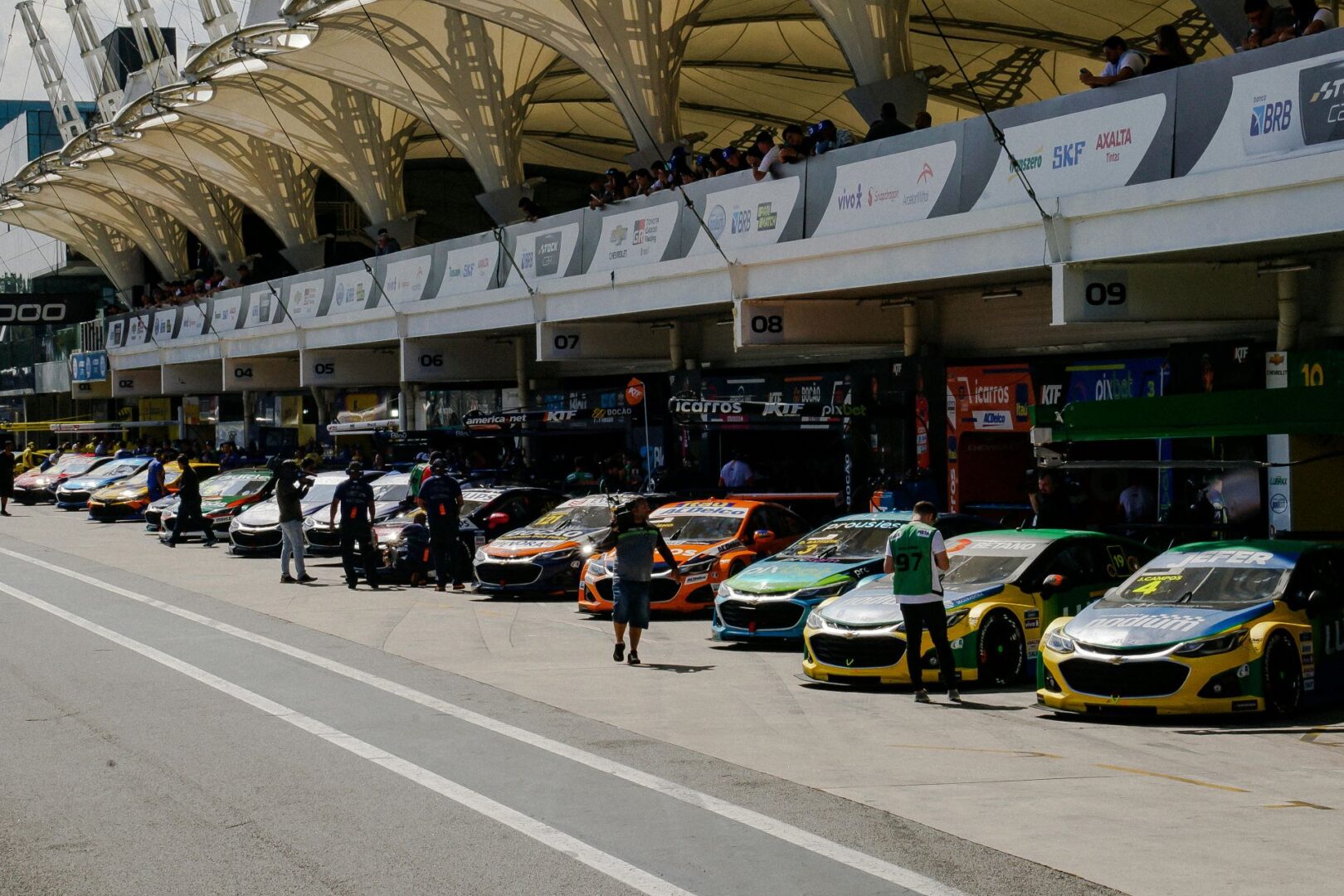
The New Audience Engine: Streaming, Storytelling, and Shared Rituals
The most obvious growth lever is narrative. Streaming documentaries, team-produced content, and driver-first storytelling have humanised a sport once viewed as opaque. The televised spectacle is still the beating heart, but the sportÔÇÖs commercial lungs are now the midweek oxygen of short-form clips, behind-the-scenes vignettes, and snackable tech explainers. This omnichannel habit-building has converted casuals into regulars and regulars into superfans.
Crucially, the audience has diversified. Younger fans arrive through TikTok edits and carousel explainers long before they learn the difference between an apex and a kerb. They identify with personalities as much as with marques, and theyÔÇÖre comfortable toggling between disciplinesÔÇöjumping from single-seaters to endurance, from MotoGP to rallyÔÇöbecause the common thread is human narrative stitched onto mechanical jeopardy. That has changed the sponsor equation. The most effective partnerships now fund content calendars as deliberately as they fund decal placement. The brand doesnÔÇÖt simply ÔÇ£appearÔÇØ at the race; it co-authors the weekly soap opera.
This is also where motorsportÔÇÖs value compounds. Each race is a ritual; each ritual is a reason for community to gather. When brands facilitate those ritualsÔÇöwatch parties, co-streams, fantasy leagues, Discord Q&As, AR filters, curated insider newslettersÔÇöthey stop renting attention and start owning a community. The most sophisticated sponsors treat each Grand Prix or main event like a national holiday on their marketing calendar: a procession of teasers, tech drops, creator collaborations, and surprise-and-delight moments that spike engagement and then cascade into conversion.
From Inventory to Outcomes: How the Sponsorship Product Has Changed
Ten years ago, many deals were still sold on logo tonnage and hospitality days. Today, inventory still mattersÔÇöfront wing real estate is not going out of fashionÔÇöbut the underlying product is outcomes. Rights-holders map creative assets to business results: brand lift metrics, market-entry milestones, lead-gen quotas, retail traffic commitments, and even enterprise pipeline targets for B2B sponsors.
The packaging has become modular. A tiered partner might receive television-visible branding, virtual trackside signage on certain feeds, branded engineering content, driver appearances, social co-creation, DTC e-commerce hooks, and a data layer that surfaces qualified prospects from event activations. Meanwhile, a challenger brand might choose a content-heavy, market-specific program in two or three geographies, with short-term ÔÇ£burstÔÇØ contracts synced to product launches.
What underwrites this evolution is data. Team apps, fan clubs, ticketing platforms, and partner-owned microsites now connect campaigns to CRM stacks. QR placements, NFC wristbands in fan zones, and shoppable live streams on race weekends bridge attention to intent. Even the humble autograph session is a data capture moment, integrated with a preference center that tailors future communications. Sponsorship has become a performance channel without losing its halo.
The Discipline Mix: Where Brands Are Betting (and Why)
Formula 1: The Global Billboard with a Brain
F1 remains the apex of international reach, the sport where brand leaders buy global ubiquity and boardroom credibility in one stroke. The value proposition blends ultra-premium audiences, glamorous city backdrops, and technical theatre. Sponsors increasingly fund technical features that tell a story: recycled materials in pit equipment, energy-efficient freight solutions, or human performance programs integrating sleep and nutrition science. F1 provides the widest canvas for brand architectureÔÇömass awareness, premium positioning, enterprise hospitality, and content storytelling that travels.
Endurance Racing (WEC, IMSA): Craft, Credibility, and Innovation
Endurance is the connoisseurÔÇÖs playground. The tone is engineering-forward, with a through-line from race to road in aerodynamics, powertrains, and materials. The rise of Hypercar/GTP has drawn manufacturers and tech partners who want to be seen as problem-solvers, not just entertainers. Sponsors here often choose long-form contentÔÇömini-docs on night stints, data strategy, tyre degradation, pit choreographyÔÇöand use hospitality for deep B2B. ItÔÇÖs where a CTO feels at home.
MotoGP: Kinetic Cool with Pop-Cultural Reach
MotoGP is visceral. It delivers breathtaking onboards, shoulder-to-shoulder drama, and a younger fan skew in many markets. Apparel collaborations and streetwear crossovers do well here. Brands seeking cultural heat can play with rider personas, helmet design drops, or trackside art collaborations that give social media the ÔÇ£share me nowÔÇØ aesthetic it craves.
Rally/WRC: Authenticity, Terrain, and Real-World Relevance
Rally trades on realismÔÇöcars on gravel, snow, tarmac, iceÔÇöand the values of resilience and mastery over variables. Sponsors often leverage regional storytelling and sustainability narratives, from biofuels to remote power solutions. Fan access is intimate; activation can feel grassroots. ItÔÇÖs also a playground for rugged consumer products, outdoor brands, and infrastructure tech.
NASCAR, IndyCar, and Regional Series: Scale, Roots, and Retail
In markets like the United States, stock cars and open-wheel series deliver massive domestic reach and a unique retail engine. On-car branding still punches above its weight due to broadcast conventions that reward repetition. Sponsor portfolios blend old-school loyalty with modern CRMÔÇöloyalty clubs, point-of-sale tie-ins, and retailer-exclusive merchandise that actually moves units.
Formula E and Electric Ecosystems: Future-Led Positioning
Electric single-seaters speak to sustainability, urban innovation, and smart city narratives. The value for sponsors is not only audience but alignmentÔÇövisible proof that a brand is future-facing, interested in efficiency, and comfortable discussing the hard details of energy transitions. The tone is experimental and tech-forward; the ROI is often reputational plus enterprise, as climate-tech and mobility ecosystems cross-pollinate in the paddock.
Money, Meaning, and Measurement: The Economics Behind the Paint
Sponsorship pricing has climbed in the premier categories, driven by audience growth, calendar expansion, and the rarity value of live sport. But budgets are not the whole story. The brands that outperform peers are those that reframe cost as an investment stack: media equivalency, content production value, first-party data collection, hospitality-fueled pipeline creation, and internal engagement (leadership summits, employee reward programs, recruitment magnetism).
Measurement is more multidimensional. Top-tier partners combine brand lift studies with funnel analytics: impressions and reach from race weekends; social engagement quality scores; conversion from race-week content to product pages; sign-ups, trials, and downloads tied to unique partner URLs; and sales uplift in geographies that hosted a round. Enterprise sponsors add a B2B layerÔÇömeeting counts, influenced revenue, partner-originated RFPs, and conversion velocity from hospitality-introduced prospects.
The sophisticated sponsors now build a motorsport marketing P&L. They attribute revenue to specific assets, discount vanity metrics, and conduct lift tests by region. When negotiations come around, they speak in the CFOÔÇÖs dialect.
Risk, Regulation, and Reputation: The New Compliance Chicane
Every sport is a reputational mirror. Motorsport has had to mature its posture on sustainability, inclusion, advertising categories, and geopolitical optics. For sponsors, this means navigating three realities.
First, category regulation evolves. Gambling and alcohol rules vary by market; fintech and cryptoÔÇöonce ascendantÔÇöare now assessed with more caution and due diligence. Health-adjacent categories face stipulations on messaging. In certain regions, political sensitivities require exacting communication.
Second, ESG scrutiny has teeth. Brands are expected to demonstrate genuine progress: lowering the footprint of trackside activations, using reused or recyclable materials for build-outs, powering fan zones through renewable sources, offsetting travel with transparency, funding community programs that arenÔÇÖt just photo ops. MotorsportÔÇÖs own sustainability roadmapsÔÇöincluding transport optimisations, sustainable fuels, and reduced single-use plasticsÔÇögive sponsors a platform, but not a free pass. The question is no longer ÔÇ£Do you offset?ÔÇØ but ÔÇ£How did you reduce?ÔÇØ
Third, safety and inclusion have moved from box-ticking to core strategy. Driver development pipelines, academy programs for women, and STEM outreach projects now intersect with sponsor commitments. It is entirely normalÔÇöand wiseÔÇöfor sponsors to build partner KPIs around real-world outcomes: scholarship cohorts, technician apprenticeships, community kart track refurbishments, and safe-transport initiatives on race weekends.

Creative That Moves: The Look, Feel, and Language of Modern Activations
The best creative in motorsport sponsorship solves a structural challenge: the cars and bikes move fast, and cameras donÔÇÖt always linger. To stand out, brands design motion-minded identitiesÔÇöclean marks that read at 300 km/h, typographic systems that survive compression, and colorways that differentiate in a field of carbon and neon.
But the most potent creativity lives off-car. Pop-up brand studios on race weekends, media days that deliberately break format, limited-run merchandise codes dropped during the formation lap, trackside AR games that unlock digital collectiblesÔÇöthese all bind the fan emotionally and give them something to do, not just something to watch. In hospitality, the experience has matured from champagne and canap├®s to curated, story-led environments: interactive telemetry walls, design workshops with team engineers, and tasting menus inspired by host cities.
The tone has shifted too. FansÔÇöespecially younger onesÔÇöwill not tolerate jargon or corporate distance. They want explainers, not platitudes: ÔÇ£HereÔÇÖs how our thermal management tech helps the car last a stint and why thatÔÇÖs similar to how your laptop stays cool.ÔÇØ When sponsors connect the dots between the garage and everyday life, they earn the most precious commodity: credibility.
The B2B Superpower: Motorsport as a Deal Platform
Motorsport sponsorship is a masterclass in layered value because it catalyses enterprise relationships. The paddock is an industry trade show in fast-forward. A cybersecurity company doesnÔÇÖt just place a logo; it secures a teamÔÇÖs infrastructure and then case-studies the deployment for regulated verticals. A materials science sponsor proves performance under heat, vibration, and stressÔÇöand spins that proof into aerospace and medical sales. A financial services partner streamlines team payments across continents, then turns that design into a cross-border treasury solution for multinationals attending hospitality.
Hospitality isnÔÇÖt a perk; itÔÇÖs a pipeline. The rhythm of a race weekend forces urgency: meet Friday, watch practice, break bread, return Saturday with a working session, then lock in a proof-of-concept by Sunday. This cadence collapses months of sales theatre into a single, emotionally resonant window. The deal deltaÔÇöthe gap between abstract interest and concrete commitmentÔÇöshrinks when a prospect watches a pit stop with your CTO whispering technical context at their shoulder.
Regional Dynamics: A World Tour of Opportunity
Growth isnÔÇÖt uniform. Each region presents distinct opportunity architecture.
In North America, meteoric interest in international series coupled with longstanding strength in domestic championships has created a double engine. Brands can run parallel plays: global glam and local loyalty. City races turn streets into billboards, while traditional ovals and road courses anchor weekly fandom. Retail tie-insÔÇöexclusive packaging, race-weekend bundles, loyalty point multipliersÔÇöstill convert powerfully.
Europe remains the technical and cultural heartland, where heritage mingles with innovation. Sponsors here tend to push deeper into engineering narratives and sustainability signaling. Collaborations with museums, design schools, and technology institutes add gravitas and talent pipeline benefits.
In the Middle East, state-of-the-art venues and long-term investment have produced destination weekends where sponsors can stage flagship experiences. The ecosystem is geared for enterprise networkingÔÇöthink investor summits wrapped in a Grand PrixÔÇöand world-class production.
Asia-Pacific blends explosive fan potential with market-entry complexity. Brands succeed by tailoring to local platforms and creators, respecting regional sponsorship norms, and ensuring that at least some IPÔÇömerch, content, or fan experiencesÔÇöis uniquely made for the market, not merely repackaged.
Latin America contributes fervent fan culture and rising commercial sophistication. Sponsors who invest in grassroots motorsport, junior series, and community programs find that loyalty compounds across generations.
Sustainability at Speed: From Pledges to Proof
Sustainability is no longer a sidebar; itÔÇÖs a race directive. The most credible sponsors donÔÇÖt perform virtueÔÇöthey operationalise it. Freight logistics are re-optimised, sustainable fuels are trialled, energy-efficient temporary power replaces diesel gensets, and materials are reused across events. Brand activations follow suit: modular booths, low-impact textiles, digital-first swag (downloadable car setups, livery filters, audio loops), and circular merchandise programs that incentivise returns.
Crucially, the messaging has matured. Fans accept pragmatic transition narratives: ÔÇ£We are testing sustainable fuels now while decarbonising logistics year-on-year.ÔÇØ Overclaiming triggers backlash; specificity earns trust. Sponsors should publish a concise race-season sustainability logÔÇöwhat was reduced, what was offset, what failed, whatÔÇÖs nextÔÇöand integrate those notes into fan channels. Transparency is the new trophy.
Talent and Teaming: Drivers as Media Companies, Teams as Brands
Drivers are no longer just athletes; they are media companies, product collaborators, andÔÇösometimesÔÇöinvestors. Smart sponsors budget for co-creation that respects the driverÔÇÖs voice. The output can span capsule collections, micro-documentaries, music or gaming crossovers, and charitable projects that mean something to the driver personally. Authenticity starts with a simple rule: never force an athlete to read a script that sounds like a press release.
Teams behave like lifestyle brands. They run seasonal drops, engage in design collabs with fashion labels, and commission visual artists for special liveries. They cultivate Discord communities, seed sub-brands (think junior teams and academies), and internationalise their retail footprint through pop-ups during away races. Sponsors can plug into this cultural engine, but the contribution must be additiveÔÇöfunding new creative, not merely buying exposure.
The Content Operating System: Week-by-Week Cadence
Motorsport is a calendar sport. The best sponsors construct a content operating system that breathes with the season:
MondayÔÇôTuesday: Data debriefs, tech explainers, a ÔÇ£what we learnedÔÇØ note.Wednesday: Culture contentÔÇöcity guides for the next round, local partnerships, creator collabs.Thursday: Driver media day, Q&A snippets, behind-the-scenes pack shots.Friday: Practice highlights with micro-lessons tied to the sponsorÔÇÖs domain.Saturday: Qualifying drama, live room watch-alongs, limited merch drops.Sunday: Race-day rituals, second-screen experiences, shoppable clips.Post-race: Immediate reaction, followed by measured analysis and community appreciation.
This cadence is not decoration; itÔÇÖs demand generation. Each touchpoint includes subtle conversion routesÔÇönewsletter sign-ups, free trials, store visits, showroom appointments, demo requests. The key is balance: not every post should sell, but every post should know how to route a fan who wants to buy.
Creative Guardrails: What to Avoid
Even premium sponsors stumble. The most common mistakes:
Over-indexing on vanity placement while underfunding content and community.Announcing sustainability without bringing the activation architecture along.Treating hospitality as an entertainment expense instead of a sales motion.Speaking in acronyms and expecting fans to keep up.Entering a category conversation (e.g., performance, safety, finance) without your own subject-matter experts visible.
The fix is simple if not easy: build multidisciplinary squads that blend brand, performance marketing, data, sustainability, creative, and sales. Then empower them to run a season, not a campaign.
The Midfield Opportunity: Winning Without a Factory Budget
Not every sponsor can afford the front-row seat. ThatÔÇÖs fine. The midfield is a goldmine for brands that prioritise intimacy, specificity, and speed of execution. A challenger brand can own a technical verticalÔÇösensor telemetry, simulation rigs, thermal managementÔÇöand become indispensable to the ÔÇ£howÔÇØ of racing. They can also dominate a city race with localised activations that feel handcrafted: chef collabs, street art liveries, community kart days, university hackathons judged by team engineers.
The advantage of the midfield is access. Drivers have more time, engineers have more patience for deep content, and fans reward the underdog story. If you show up consistently and speak plainly about the craft, you can out-earn bigger spenders on trust.
Merch, Membership, and the Direct-to-Fan Economy
Merch is no longer an afterthought. ItÔÇÖs a brand lab and a profit center. Limited runs, pre-order models, and collabs with designers and creators keep stock risk low while stoking desire. But the real unlock is membership. Team clubs and sponsor clubsÔÇösometimes co-brandedÔÇöbundle tangible perks (early access, member-only AMA sessions, seat upgrades, digital collectibles with utility) with intangible status. A clever sponsor inserts product benefits into the bundle: free trial months, exclusive features, concierge support.
The checkout is now everywhereÔÇöteam apps, social posts, QR codes at fan zones, and even hospitality tables. Each purchase is a data handshake that can become a lifetime relationship if handled with care.
Data Ethics and Fan Trust: The Invisible Contract
As motorsport becomes more digitised, the privacy conversation sharpens. Fans will trade data for value, but not for vagueness. Sponsors who articulate what they collect, why they collect it, and how it benefits the fan earn permission to personalise. The standard is informed consent with transparent options. A meaningful gesture is the preference center reset at the end of a seasonÔÇöan email that says, ÔÇ£Want more of X and less of Y next year?ÔÇØ That small respect keeps a list warm and a community listening.
Looking Ahead: Hybrid Calendars, Smarter Venues, and New IP
The future is hybrid in both senses: powertrains and programming. Sustainable fuels are rising alongside electrification, and both will yield rich sponsor storytellingÔÇöchemistry, logistics, efficiency, lifecycle design. Venues are becoming smarter, with better connectivity, dynamic LED canvases, and modular hospitality that can morph across events. Expect more city circuits and destination weekends where sports, art, and tech festivals converge under a motorsport umbrella.
IP will diversify. Special one-off liveries will carry brand narratives; exhibition formats will unlock new markets; and team-owned media channels will strengthen, turning race weeks into publisher weeks. The sponsor who treats motorsport as an editorial platform rather than an ad buy will outperform.
A SponsorÔÇÖs Playbook: Turning Velocity into Value
The through-line of all high-performing motorsport partnerships is intentionality. Brands plan their year like a team plans a race: with strategy, precision, and the humility to adapt. If you were to distill a practical approach, it would look like this:
Start with a clear business problemÔÇömarket entry, customer acquisition, repositioningÔÇöand select the discipline and properties that map to that problem.Engineer a content and community plan that breathes with the season, not just race days.Design activations for motion and memory: assets that are legible at speed and memorable at rest.Wire in measurement from the first handshakeÔÇöbrand lift, funnel metrics, B2B pipeline, sustainability outcomes.Invest in relationships: drivers as co-creators, engineers as teachers, fans as members, prospects as guests.Be precise with sustainability; publish your race-season log; build and reuse.Negotiate for what you will use, not what looks impressive in a deck.
Do that and the sport gives back. It returns in a currency that CFOs recogniseÔÇörevenue, pipeline, market shareÔÇöbut also in a softer balance-sheet line called meaning. Motorsport is theatre with a torque curve; itÔÇÖs where humans and technology dance at the edge of failure. Brands that support that dance do more than borrow gloryÔÇöthey help the story happen.
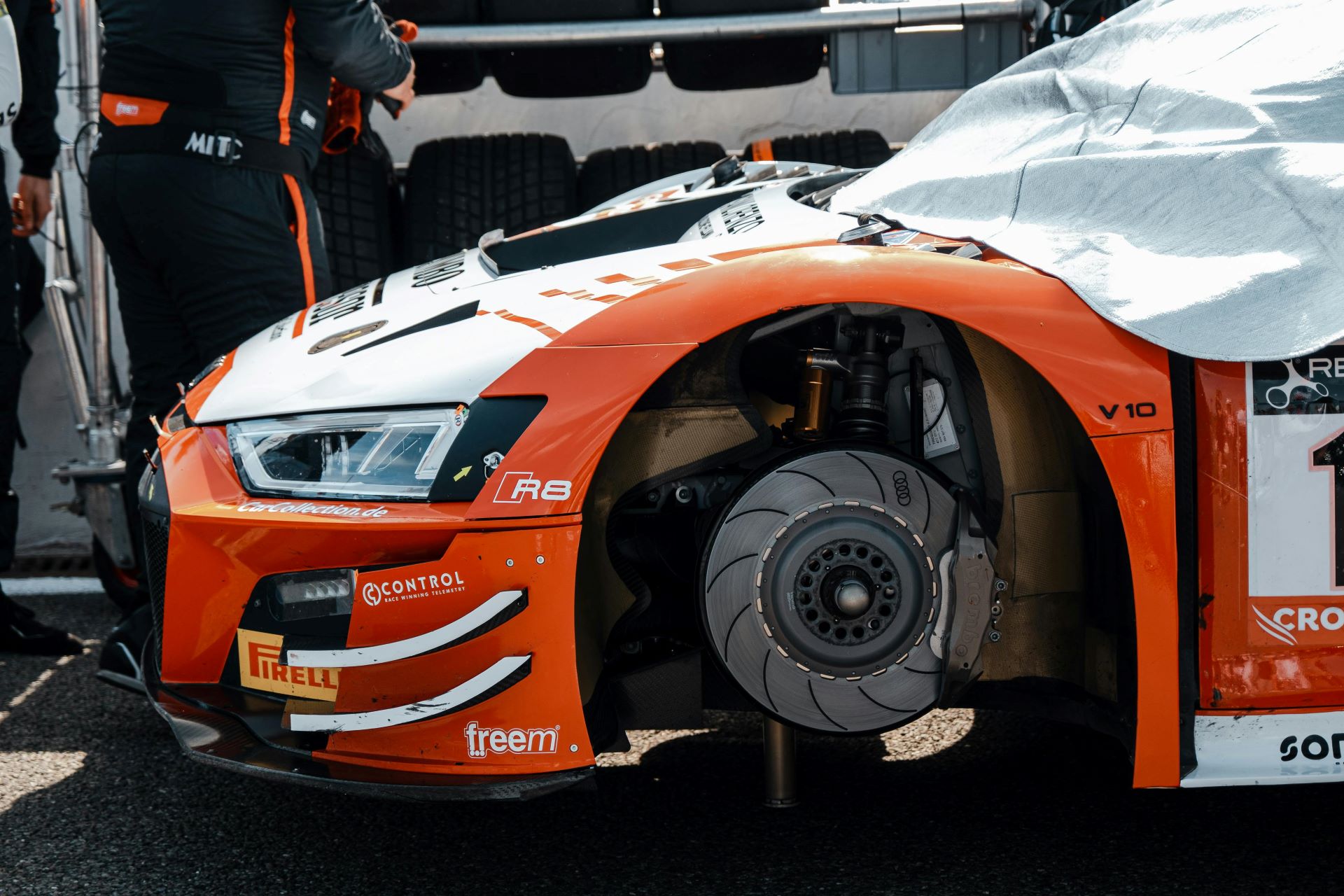
Chequered Flag: From Media Buy to Strategic Moat
Sponsorship in motorsport has matured from logo placement to brand powerplay because the sport has matured from broadcast to ecosystem. The grid is not merely a line of cars; itÔÇÖs a matrix of cultural signals, enterprise networks, creative canvases, and data flows. The opportunity for brandsÔÇöwhether they sit on the nosecone of a title favourite or in the garage of a hungry midfield teamÔÇöis to step into that matrix with intention.
Buy speed, yes. But more importantly, buy the system that creates and multiplies speed: the stories that pull fans in, the content that keeps them close, the experiences that bond them, the data that understands them, and the values that respect them. From pit stop to prime time, that is how a sponsor turns velocity into advantageÔÇöand a season into a moat.
Breyten Odendaal
Specializing in high-performance automotive advertising and digital marketing solutions, delivering cutting-edge insights and the latest news shaping the automotive industry in South Africa.
More From Advertising

Automotive Advertising in 2026: Selling Confidence in a More Competitive Market
As South Africa’s vehicle market becomes more competitive, automotive advertising needs to do more than announce a price or specification. It needs to help buyers understand value, ownership costs and why a vehicle suits their lives.

Automotive Digital Ads in South Africa: A Shift
Exploring how South Africa’s automotive advertising evolved from print and broadcast to data-driven, programmatic digital ecosystems.

The Video Shift in Car Buying Decisions in SA
Explore how video content shapes car purchase decisions in South Africa, comparing short-form and long-form strategies for automotive marketers.