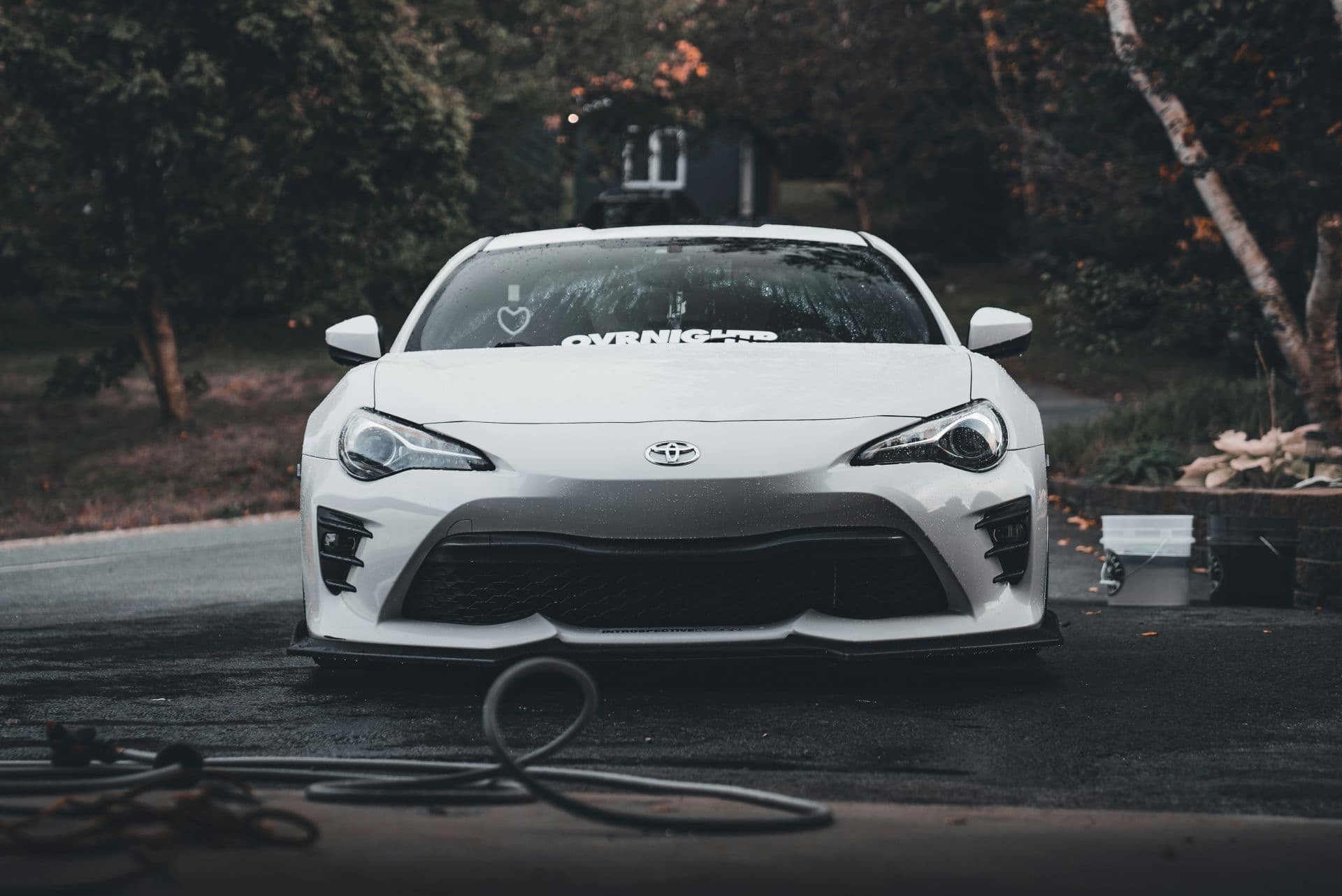
For over a century, car culture has thrived in backyards, garages, racetracks and petrol station forecourts. The petrolhead ÔÇö typically a hands-on enthusiast with a deep appreciation for combustion engines, mechanical wizardry and driver-focused engineering ÔÇö has long been the poster child of automotive passion. But as social media transforms how we connect, consume and communicate, a new archetype is emerging: the car influencer.
Where once the smell of burnt rubber and the roar of a V8 defined car fandom, todayÔÇÖs landscape is increasingly shaped by TikTok transitions, Instagram reels and YouTube builds. From hyper-polished supercar content to lo-fi garage transformations, the digital era is not just changing how cars are shared ÔÇö itÔÇÖs redefining what it means to be a car enthusiast altogether.
The Traditional Petrolhead: A Legacy of Grease and Grit
To understand the cultural shift, we must first honour its roots.
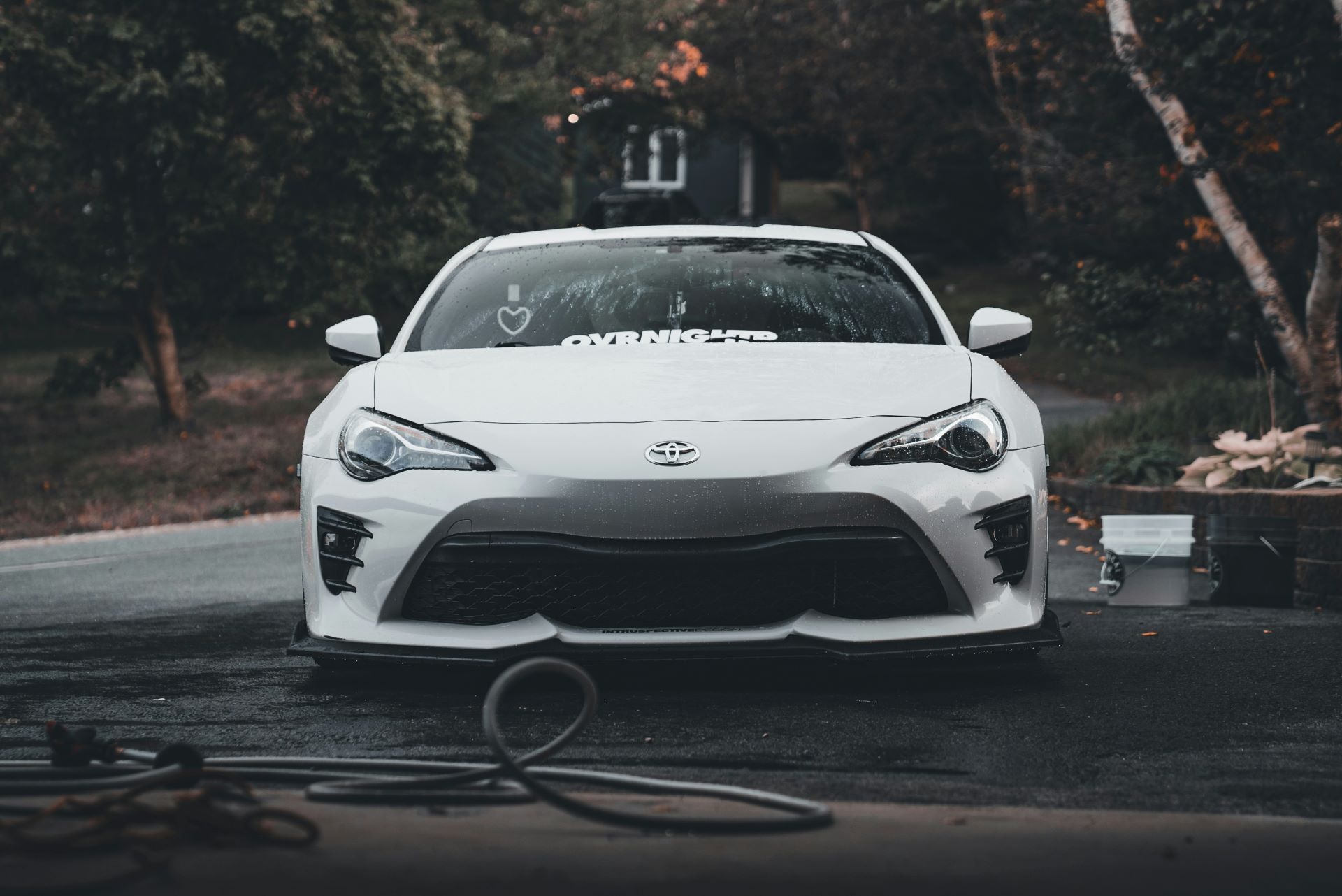
The traditional petrolhead was born from the golden age of motoring ÔÇö the post-war boom of the 1950s through to the turbo-charged heyday of the 1990s. These enthusiasts revered the machine itself: the guttural growl of a carbureted muscle car, the linear pull of a naturally aspirated inline-six, or the chassis balance of a mid-engined European coupe.
Hands-on knowledge was the badge of honour. Whether restoring a barn-find Porsche 911, modifying a Mk1 Golf GTI, or tuning a Nissan Skyline GT-R for peak performance, the petrolhead was both student and artisan. Communities thrived in forums, club meets and race paddocks. Respect wasnÔÇÖt given based on follower counts ÔÇö it was earned under the hood.
However, as cars became more digitised and less accessible to the average DIYer, the barrier to entry shifted. So too did the demographic. Car culture didnÔÇÖt disappear ÔÇö it evolved.
The Rise of the Car Influencer: Pixels Over Petrol
Enter the influencer generation: a wave of content creators who trade socket wrenches for smartphone gimbals and GoPros. Today, a car doesnÔÇÖt need to be particularly rare or fast to earn attention ÔÇö it needs to be photogenic, shareable and narrative-driven.
Influencers like @supercarblondie, @itsdanielmac, and @shmee150 have built empires around access and storytelling. Their appeal lies in their ability to democratise the exotic. Whether reviewing Bugattis on desert runways or filming backstage at Geneva, they give their audiences an insiderÔÇÖs view ÔÇö one that traditional car journalists might have reserved for print magazines just a decade ago.
But it's not just about hypercars. Content creators like @alex.choi and @emelia_hartford have shown how modified builds, track-day battles and garage projects can rake in millions of views. The secret? Personality. Relatability. Showmanship. And, of course, algorithm-friendly content strategies.
This has blurred the lines between fandom and entertainment. Being a car enthusiast is no longer just about what you drive ÔÇö itÔÇÖs about how you present it.
New Tools, New Language
Social media has reshaped the vocabulary of car culture. Once, acronyms like LSD, ECU and RPM defined the conversation. Now, it's SEO, CTR and engagement rates.
YouTubeÔÇÖs long-form deep dives allow creators to explore the nitty-gritty of turbo setups and suspension geometry ÔÇö but TikTok and Instagram prioritise snackable, fast-moving content. Car builds are distilled into 30-second transitions. Exhaust notes are overlaid with trending audio. An entire drift sequence might be reduced to a single looped reel.
This brevity may concern purists ÔÇö and not without reason. When content is created to serve the platform rather than the passion, technical nuance is often sacrificed for virality. But the trade-off is reach. A young viewer in Cape Town or Calcutta can now discover widebody kits or Wankel engines through a trending clip on their For You page.
The New Heroes of the Scene
With this digital evolution comes a new set of cultural icons. Some blend both worlds seamlessly.
Emelia Hartford transitioned from grassroots drag racing to Netflix star and now commands a loyal following by blending technical savvy with charismatic storytelling. Adam LZ parlayed a BMX YouTube career into one of the most respected drifting channels on the platform, all while building a fleet that rivals many pro garages.
In South Africa, Sasha Martinengo remains a radio legend in the petrolhead community, while newer faces like Wandi Nzimande are carving out digital-first car culture commentary aimed at younger, more diverse audiences.
ItÔÇÖs no longer just white, male, and middle-aged faces at the centre of car culture. Women, LGBTQ+ creators, and people of colour are stepping into the spotlight, reshaping the narrative of what car passion looks like ÔÇö and who it speaks to.
Manufacturers Are Paying Attention
Automotive brands are not just observing this shift ÔÇö theyÔÇÖre investing in it.
Where press fleets were once reserved for motoring journalists, todayÔÇÖs carmakers are inviting influencers to launches, seeding early builds, and collaborating on branded content campaigns. BMWÔÇÖs partnership with TikTok creators for the M4 CSL reveal. ToyotaÔÇÖs sponsorship of Formula Drift drivers with strong YouTube presence. NissanÔÇÖs Z Proto reveal via livestream influencers.
This shift reflects changing consumer behaviour. Millennials and Gen Z are less likely to read print magazines or rely on legacy media for purchasing decisions. Instead, they turn to creators they trust ÔÇö even if that trust is built in 15-second vertical videos.
For manufacturers, influencers offer authentic brand storytelling with measurable ROI. For influencers, itÔÇÖs access and credibility. For audiences, itÔÇÖs a new way to fall in love with cars.
Tension in the Community
Still, not all petrolheads are applauding this evolution.
Many lament the perceived superficiality of influencer content. They worry that car culture is becoming performative ÔÇö more about aesthetics than engineering, more about clout than capability. The car meet that once buzzed with torque talk and tyre pressure tips is now lit by ring lights and phone cameras.
And yet, to dismiss the new wave entirely is to miss the point. Every generation of car enthusiasts has faced resistance from the one before. Hot rodders were scorned by classic restorers. Tuner culture was sneered at by muscle car fans. Electric car lovers face derision from combustion purists.
Car culture has always evolved ÔÇö sometimes uncomfortably. What matters is whether the passion remains at the core.
The Digital Garage: Building Community Online
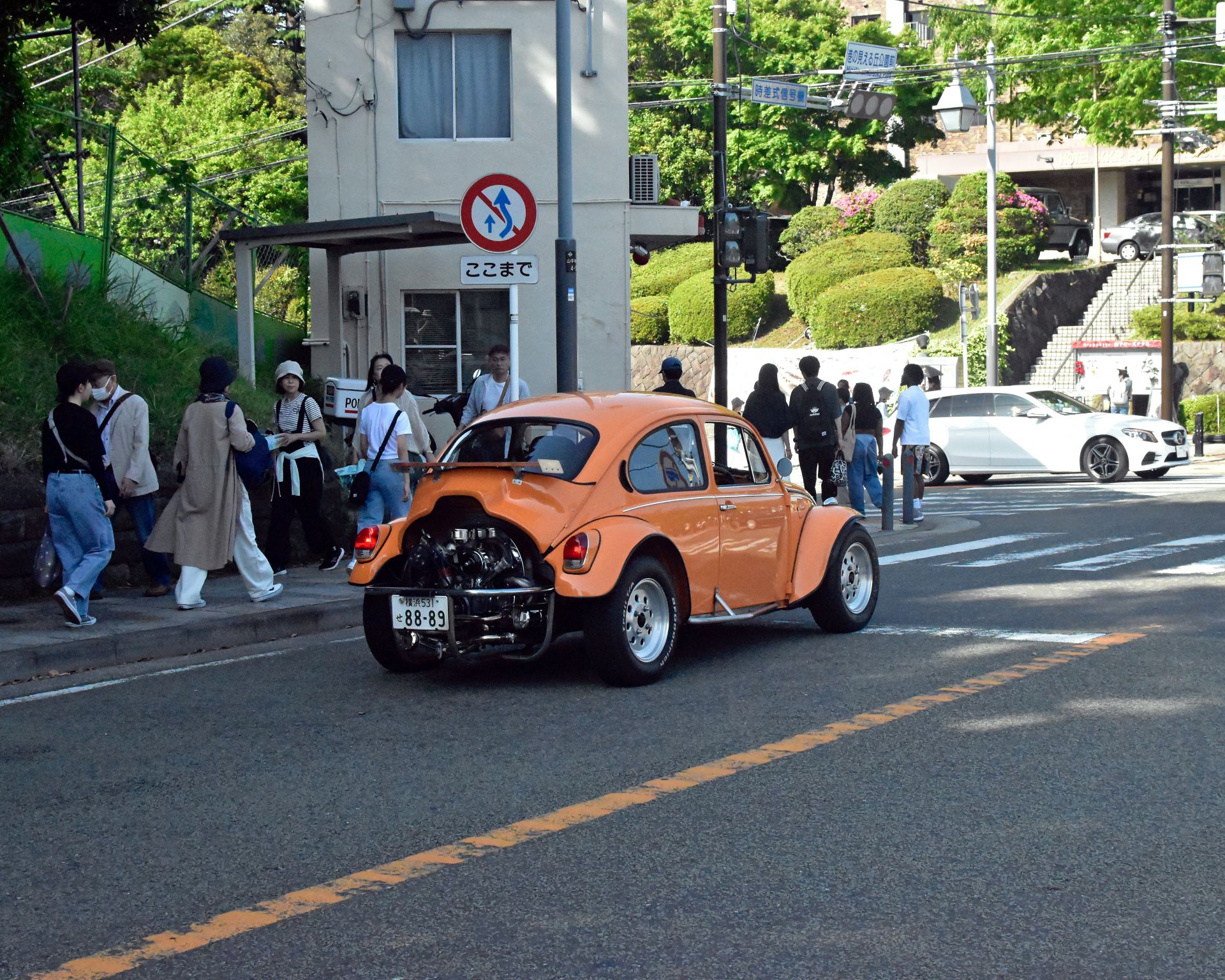
One of the most profound shifts is how community is formed. Traditional forums like PistonHeads, VWVortex or SAÔÇÖs own Car Forums gave way to Discord servers, Reddit threads and WhatsApp groups.
Online, a kid with a 3D-printed shifter knob in Johannesburg can trade tips with a Mustang restomod builder in Ohio. Meet-ups happen via hashtags. Advice is shared through DMs and livestreams. Knowledge travels faster ÔÇö and further ÔÇö than ever before.
Even sim racing and video games like Forza Horizon, Gran Turismo, and Assetto Corsa have become entry points into real-world car enthusiasm. Influencers who started as virtual drivers are now drifting real cars in Formula Drift or building their own performance shops.
From Aspiration to Accessibility
Influencers have changed the economics of car fandom, too. While traditional motoring media often placed supercars on untouchable pedestals, todayÔÇÖs creators favour transparency. They reveal build costs, discuss financing options, share insurance headaches and showcase DIY fixes.
This honesty is refreshing. It demystifies the world of car ownership and invites participation. You donÔÇÖt need a six-figure income to join the conversation. You need curiosity, consistency ÔÇö and probably a phone with a decent camera.
What Lies Ahead?
So whatÔÇÖs next for car fandom?
As EVs become more dominant, and as the ÔÇ£soulÔÇØ of combustion continues to stir debate, itÔÇÖs likely the lines between digital and physical car culture will only deepen. We may see the rise of fully virtual car influencers ÔÇö avatars that review vehicles in the metaverse. We may also see an increased blending of gamification, augmented reality, and community-driven car building.
The petrolhead isnÔÇÖt disappearing ÔÇö theyÔÇÖre adapting. Many are launching YouTube channels of their own, embracing modern storytelling, and using influencer platforms to advocate for engineering literacy, sustainability, and driver education.
In the end, whether under halogen garage lights or on the glow of a smartphone screen, car culture remains a shared love story ÔÇö between man, machine and motion.
A Culture in Motion
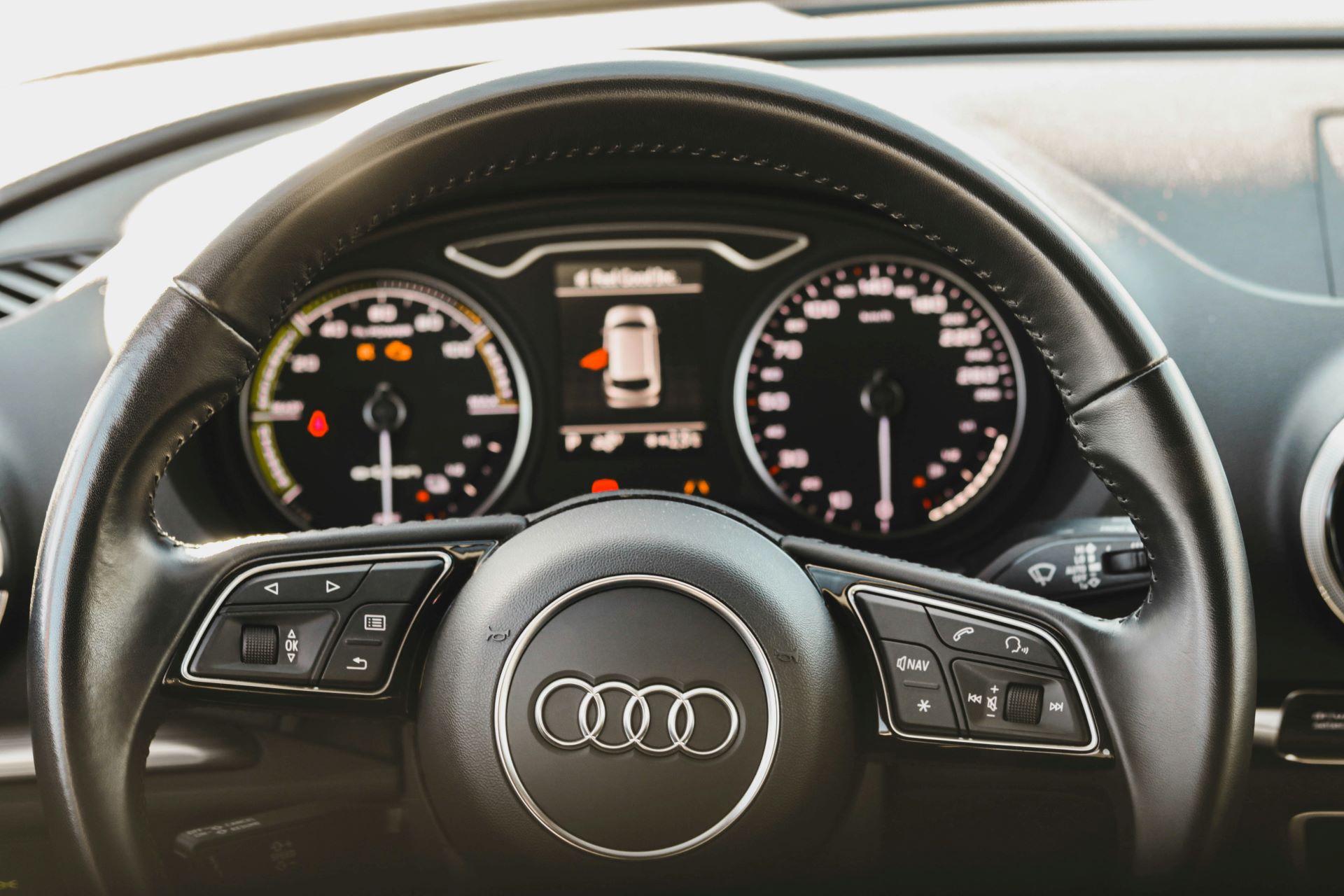
The face of car fandom is changing. From grease-stained garages to algorithm-curated feeds, the passion for cars is finding new forms of expression. While the mediums may differ, the message remains the same: we love cars.
Whether youÔÇÖre revving a classic inline-four, charging a silent EV, or filming a cold start for your next reel, youÔÇÖre part of the same lineage ÔÇö one that stretches from the earliest days of motoring to whatever the future holds.
Because at its heart, car culture isnÔÇÖt about tradition or technology. ItÔÇÖs about connection. And thatÔÇÖs something no algorithm can replicate.
Breyten Odendaal
Specializing in high-performance automotive advertising and digital marketing solutions, delivering cutting-edge insights and the latest news shaping the automotive industry in South Africa.
More From Advertising
Automotive Advertising in 2026: Selling Confidence in a More Competitive Market
As South Africa’s vehicle market becomes more competitive, automotive advertising needs to do more than announce a price or specification. It needs to help buyers understand value, ownership costs and why a vehicle suits their lives.

Automotive Digital Ads in South Africa: A Shift
Exploring how South Africa’s automotive advertising evolved from print and broadcast to data-driven, programmatic digital ecosystems.

The Video Shift in Car Buying Decisions in SA
Explore how video content shapes car purchase decisions in South Africa, comparing short-form and long-form strategies for automotive marketers.