
In the fast-paced, ever-evolving world of the automotive industry, advertising is more than just a tool for selling vehiclesÔÇöitÔÇÖs a powerful medium that shapes brand perception, drives consumer engagement, and ultimately fuels purchasing decisions. Today, as automotive enthusiasts marvel at sleek designs, innovative technology, and sustainable mobility solutions, they are also witnessing the transformation of automotive advertising. What began as modest, locally focused dealership campaigns has evolved into a complex network of global strategies, blending art, science, and technology to capture audiences around the world.
This article explores that fascinating evolutionÔÇöfrom the humble beginnings of local advertising to the sophisticated, multi-market campaigns of global giants. We delve into the historical context of automotive advertising, dissect the core components that make an ad campaign effective, and examine key case studies that highlight success at both local and international levels. Additionally, we investigate the role of technology in redefining automotive advertising, the challenges brands face when scaling campaigns, and the emerging trends that will likely steer the future of automotive marketing.
As the automotive sector becomes increasingly competitive, the ability to craft a compelling narrative that resonates with diverse audiences is paramount. Whether itÔÇÖs the roar of an engine captured in a nostalgic print ad or the interactive digital experiences that bring a carÔÇÖs story to life on social media, advertising has the unique power to transport consumers into the driverÔÇÖs seat of their dreams. In this article, we will guide you through the multifaceted world of automotive advertisingÔÇöfrom local dealership efforts that pioneered the industryÔÇÖs early days, to the global campaigns that now dominate the market. Fasten your seatbelt and join us on a journey through time, creativity, and innovation in automotive advertising.
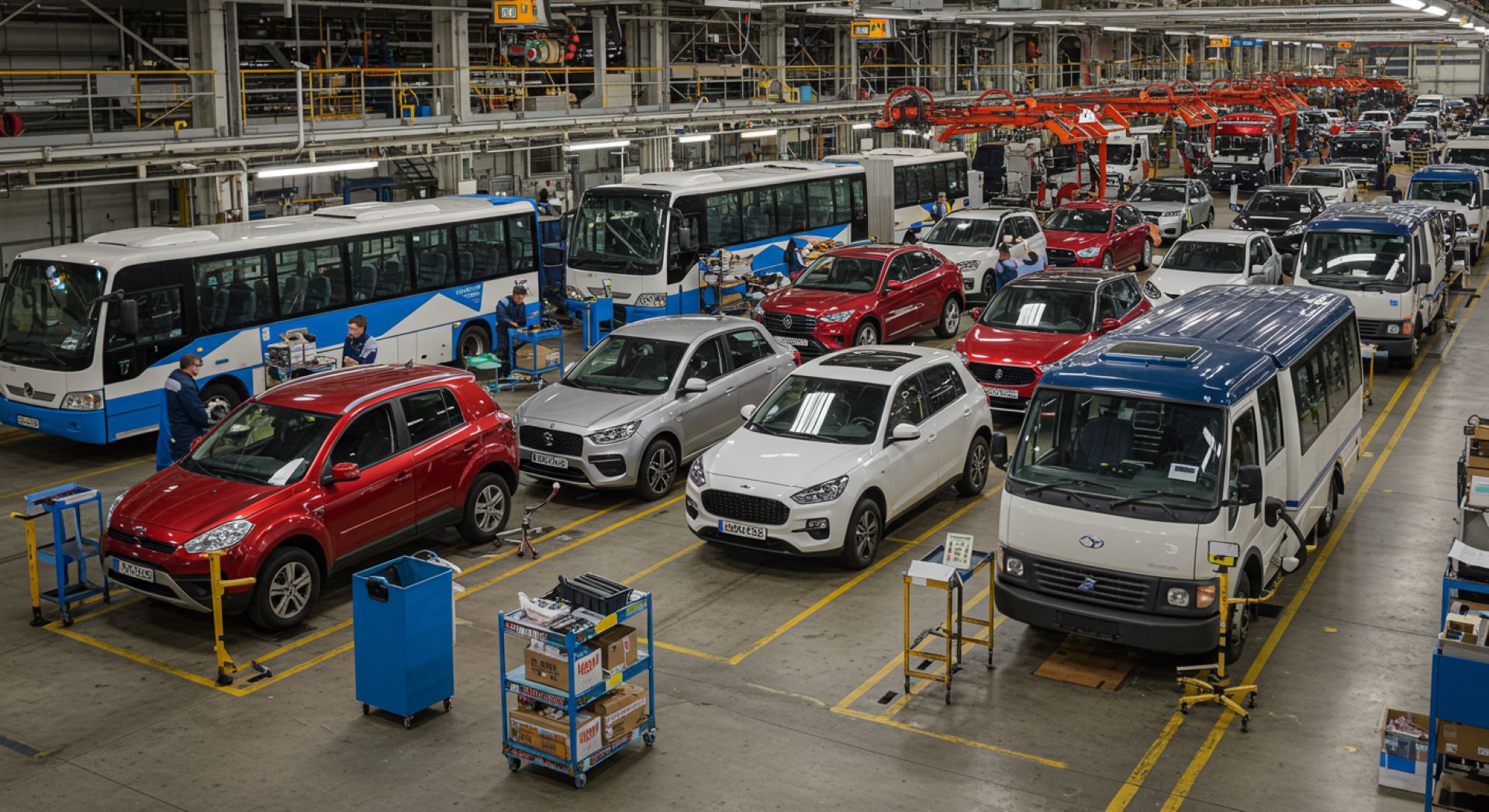
Historical Context
The roots of automotive advertising are as rich and varied as the industry itself. In the early days of the automobile, advertising was a straightforward affair. Print media and radio were the dominant channels for reaching potential customers, and local dealerships relied heavily on these traditional mediums to capture the attention of their communities.
In the early 20th century, print advertisements in newspapers and magazines painted vivid pictures of automotive freedom. Bold headlines and eye-catching images promised a new era of mobility. Local dealerships, often family-owned businesses, would create ads that emphasized reliability, affordability, and the promise of an improved lifestyle. These early campaigns capitalized on the novelty of the automobile and the excitement of a rapidly modernizing world. A typical ad might include a personal invitation from the dealership owner, a description of the carÔÇÖs mechanical prowess, and testimonials from satisfied customersÔÇöall designed to build trust and credibility within the local community.
Radio soon emerged as another influential medium. In an era when families gathered around the radio for news and entertainment, a well-placed radio spot could capture the collective imagination of an entire community. Dealerships used catchy jingles, memorable taglines, and relatable storytelling to promote their vehicles. For example, a local dealer might air a segment featuring a heartfelt story of a familyÔÇÖs first road trip, subtly highlighting the carÔÇÖs durability and the dealerÔÇÖs commitment to quality service.
Over time, these modest efforts began to evolve. The introduction of television in the mid-20th century marked a seismic shift in how automotive advertising was delivered. With moving images, sound, and a larger-than-life presentation, television ads brought vehicles to life in ways that print and radio could not. Iconic commercials featuring sleek designs, dynamic driving sequences, and star-studded endorsements started to define the industryÔÇÖs approach to marketing. While local campaigns remained effective in building community trust, they laid the groundwork for larger, more ambitious advertising strategies that would eventually cross regional and national boundaries.
Historical examples such as the early campaigns of brands like Ford and Chevrolet illustrate how local ads paved the way for future global advertising efforts. These early campaigns were not only about selling a productÔÇöthey were about creating a vision of freedom, innovation, and progress. The success of these strategies provided valuable insights for marketers, showing that effective automotive advertising must tap into universal emotions and values, even as it caters to local sensibilities.
Key Elements of Automotive Advertising
Modern automotive advertising is built on a foundation of core components that transcend geographic boundaries while allowing for local customization. Three key elements stand out: brand messaging, customer engagement, and emotional appeal.
Brand Messaging
At the heart of any successful campaign is a clear, compelling brand message. This message encapsulates the identity of the automotive brand and differentiates it from its competitors. Whether itÔÇÖs a promise of cutting-edge technology, unparalleled luxury, or rugged dependability, the brand message must resonate with the target audience. For local campaigns, this often means highlighting attributes that are particularly relevant to the communityÔÇösuch as reliability in harsh local weather conditions or support for local initiatives. On a global scale, however, the message must be broad enough to appeal to a diverse range of consumers while still maintaining the brandÔÇÖs core identity.
Customer Engagement
Effective automotive advertising goes beyond simply showcasing a productÔÇöit creates an experience that invites consumers to interact with the brand. Local campaigns frequently rely on community events, test drive promotions, and personalized customer service to build lasting relationships. These engagements are tailored to the local culture and consumer behavior, fostering a sense of loyalty and trust. In contrast, global campaigns often leverage digital platforms to engage with customers across multiple touchpoints. Social media, interactive websites, and mobile apps allow brands to create a two-way dialogue with consumers, gathering valuable feedback and fostering a global community of enthusiasts.
Emotional Appeal
Automotive advertising thrives on its ability to evoke emotion. Whether itÔÇÖs the thrill of a high-speed chase, the joy of a family road trip, or the sense of freedom that comes with the open road, effective campaigns tap into the emotions that drive consumers to make a purchase. Local advertisements might draw on regional pride, nostalgia, or community values, while global campaigns focus on universally appealing themes such as innovation, adventure, and freedom. By combining striking visuals, powerful storytelling, and a deep understanding of consumer aspirations, automotive advertisers create campaigns that leave a lasting impact.
Balancing Local and Global Nuances
While the core components of effective advertising remain constant, the approach must be adapted to the market at hand. Local campaigns can afford to be more personalized and culturally nuanced, ensuring that the message resonates on a community level. Conversely, global campaigns need a delicate balance between consistency and flexibility. A unified brand image must be maintained, but the messaging must also be tailored to address local languages, cultural norms, and regulatory environments. This balancing act is at the heart of successful global advertising strategies.
Transitioning to Global Campaigns
Scaling an advertising campaign from a local market to a global stage is no small feat. It requires a strategic blend of creativity, consistency, and cultural sensitivity. Brands must navigate a complex landscape of linguistic diversity, regulatory differences, and varied consumer behaviorsÔÇöall while maintaining a cohesive brand identity.
Overcoming Cultural Barriers
One of the foremost challenges in transitioning to a global campaign is understanding and respecting cultural differences. What resonates with consumers in one country may fall flat or even offend in another. Global campaigns need to strike a balance between a universal brand message and localized content that speaks to regional values and traditions. For instance, a campaign that emphasizes rugged, adventurous imagery may work well in North America and Australia, but might require adaptation for markets in Asia or Europe where the cultural context differs.
Linguistic Considerations
Language is another critical factor in global advertising. Translating an ad campaign isnÔÇÖt as simple as converting words from one language to another; it involves capturing the nuance and emotional impact of the original message. Successful global campaigns invest in professional localization services to ensure that the brandÔÇÖs message is accurately and effectively communicated in every target market. This process often includes modifying slogans, adjusting cultural references, and even changing visuals to better align with local tastes.
Navigating Regulatory Environments
Different countries have different advertising regulations, which can pose significant challenges for global campaigns. Brands must be acutely aware of local advertising laws, data protection regulations, and industry-specific standards. Failure to comply with these regulations can result in fines, reputational damage, or even the withdrawal of a campaign. As a result, global automotive advertisers must work closely with local legal experts and regulatory bodies to ensure that every element of their campaign adheres to the local requirements while still maintaining overall brand consistency.
Strategic Adaptation for Global Reach
Despite these challenges, the transition from local to global campaigns also presents tremendous opportunities. Global campaigns can leverage the success and lessons learned from local initiatives to create a unified brand image that spans continents. By adapting creative frameworks to suit diverse markets, brands can enhance their global appeal while preserving the authenticity that made their local campaigns successful. Strategies such as region-specific sub-campaigns, tailored digital content, and localized event marketing allow global brands to connect with consumers on a personal level, regardless of geographical boundaries.
The Role of Technology and Digital Media
As the digital age continues to reshape consumer behavior, technology has emerged as a driving force behind modern automotive advertising. The integration of digital media has transformed how brands connect with their audiences, offering new avenues for creative storytelling, data analytics, and personalized customer experiences.
Digital Transformation in Advertising
Traditional advertising mediums such as print and broadcast remain relevant, but digital channels have taken center stage in recent years. Social media platforms, video streaming services, and interactive websites provide brands with unprecedented opportunities to reach a global audience. Digital campaigns are characterized by their immediacy and adaptability, allowing advertisers to fine-tune their messaging in real time based on consumer feedback and engagement metrics.
One of the key advantages of digital advertising is its ability to target specific demographics with precision. Using sophisticated data analytics, automotive brands can segment their audiences by factors such as age, location, interests, and purchasing behavior. This targeted approach not only maximizes the effectiveness of the campaign but also ensures that the content resonates with the intended audience. For example, digital ads promoting high-performance sports cars may be targeted at younger, tech-savvy consumers, while luxury sedans might be marketed to affluent professionals.
Interactive and Immersive Experiences
In recent years, emerging technologies such as virtual reality (VR), augmented reality (AR), and 360-degree video have redefined whatÔÇÖs possible in automotive advertising. These tools offer consumers immersive experiences that go far beyond traditional ad formats. Virtual showrooms, for instance, allow potential buyers to explore every detail of a vehicle from the comfort of their own home, while augmented reality apps enable users to visualize a car in different settings and colors.
Interactive experiences not only enhance customer engagement but also provide brands with valuable data. By tracking user interactions and preferences, companies can further refine their advertising strategies, ensuring that future campaigns are even more personalized and effective.
Data Analytics and Targeted Advertising
The role of data in modern advertising cannot be overstated. In todayÔÇÖs competitive market, success hinges on the ability to analyze consumer behavior and tailor advertising efforts accordingly. Automotive brands invest heavily in data analytics platforms that track everything from website visits and social media engagement to test drive inquiries and sales conversions. This data-driven approach allows marketers to optimize ad spend, identify emerging trends, and predict consumer preferences with remarkable accuracy.
By combining the power of digital media with robust analytics, automotive brands are better equipped than ever to deliver personalized, impactful campaigns that resonate with automotive enthusiasts across the globe.
Challenges in Scaling Campaigns
Despite the numerous opportunities presented by global markets, scaling an advertising campaign is fraught with challenges. From budget constraints to brand alignment issues, automotive advertisers must overcome several hurdles to successfully transition from local to global campaigns.
Budget Constraints and Resource Allocation
One of the most significant challenges in scaling up is managing the increased financial demands. Global campaigns often require a substantial investment in technology, creative development, and media buying across multiple markets. Balancing these costs while ensuring a strong return on investment (ROI) is a constant challenge. Brands must carefully allocate resources and sometimes make tough decisions about which markets to prioritize.
Maintaining Brand Consistency
When campaigns span multiple countries, maintaining a consistent brand image becomes a delicate balancing act. Each market has its own unique cultural and regulatory context, and a one-size-fits-all approach can lead to diluted messaging or even misinterpretations. Ensuring that the core brand identity is preserved while adapting content to meet local needs requires meticulous planning and coordination. Brands often rely on global brand guidelines and local creative teams working in tandem to ensure coherence across all markets.
Market Research Limitations
Effective global advertising is underpinned by detailed market research, yet obtaining accurate, region-specific insights can be challenging. Variations in consumer behavior, economic conditions, and regulatory environments make it difficult to design a campaign that works seamlessly in every market. Automotive advertisers often need to invest in localized research initiatives, partner with local experts, and continuously adapt their strategies based on real-time feedback.
Strategies for Overcoming Challenges
Many brands have successfully navigated these obstacles by adopting flexible, data-driven approaches. Investing in robust analytics and local market research helps identify potential pitfalls before they become major issues. Moreover, brands that foster strong collaboration between global and local teams are better positioned to adjust their strategies on the fly, ensuring that each campaign resonates with its intended audience without compromising the overall brand image.
Future Trends in Automotive Advertising
Looking ahead, the automotive advertising landscape is poised for further evolution, driven by emerging trends and technological advancements. As the industry adapts to changing consumer behaviors and market dynamics, several key trends are likely to shape the future of automotive marketing.
The Rise of Electric Vehicles and Sustainability Messaging
As electric vehicles (EVs) gain traction worldwide, advertising campaigns are increasingly emphasizing sustainability and eco-friendly technology. This trend is transforming how brands communicate their values. Instead of focusing solely on performance and luxury, advertisers are now highlighting environmental responsibility and the long-term benefits of sustainable mobility. Campaigns that successfully integrate sustainability messaging with cutting-edge technology are expected to resonate strongly with the growing segment of environmentally conscious consumers.
Integration of Artificial Intelligence in Marketing
Artificial intelligence (AI) is revolutionizing the way brands approach advertising. AI-powered tools are being used to analyze vast amounts of consumer data, predict trends, and deliver personalized content. In the automotive sector, AI is enabling brands to create highly targeted campaigns that adapt in real time to consumer behavior. For example, dynamic ads can adjust their messaging based on the viewerÔÇÖs online activity, ensuring that each interaction is as relevant as possible. As AI technology continues to advance, its integration into automotive advertising is set to become even more sophisticated, driving higher engagement and conversion rates.
Enhanced Interactivity and Immersive Experiences
The future of automotive advertising lies in interactivity. With the increasing availability of VR, AR, and 360-degree video technologies, brands are creating immersive experiences that allow consumers to explore vehicles in a virtual environment. Imagine taking a virtual test drive or customizing a car in a 3D model before making a purchase decisionÔÇöthese interactive experiences not only enhance consumer engagement but also build lasting emotional connections with the brand. As these technologies become more accessible, they are likely to play a pivotal role in future campaigns.
Data-Driven Storytelling and Predictive Analytics
The convergence of storytelling and data is poised to redefine automotive advertising. Future campaigns will leverage predictive analytics to craft narratives that are not only compelling but also tailored to individual consumer preferences. By harnessing the power of big data, brands can predict emerging trends, personalize messaging at scale, and deliver content that anticipates the needs and desires of automotive enthusiasts. This marriage of creativity and technology is set to create a new era of data-driven storytelling that captivates audiences around the world.
The Evolving Role of Social Media and Influencer Collaborations
Social media continues to transform advertising, offering brands a direct channel to engage with their audience. As platforms evolve, the role of influencers and user-generated content is expected to grow in importance. Automotive brands are increasingly partnering with social media influencers who have loyal followings among car enthusiasts, allowing them to reach niche markets with authentic, relatable content. In the future, influencer collaborations, combined with sophisticated data analytics, are likely to form a cornerstone of automotive advertising strategies.
The journey from local dealership ads to global advertising giants is a testament to the enduring power of creativity, innovation, and adaptability in the automotive industry. Over the decades, automotive advertising has evolved from simple print and radio spots to immersive digital experiences that leverage cutting-edge technology and data-driven insights. At its core, the success of any automotive campaignÔÇöwhether local or globalÔÇörests on a few fundamental elements: a compelling brand message, genuine customer engagement, and the ability to evoke strong emotional connections.
Local campaigns have laid the groundwork by building trust, authenticity, and community involvement. These foundational efforts provided valuable lessons in storytelling and customer engagement that have been refined and scaled for global audiences. In todayÔÇÖs interconnected world, the challenges of cultural differences, linguistic nuances, and regulatory requirements are met with innovative strategies that preserve a unified brand identity while catering to diverse consumer needs.
Looking to the future, emerging trends such as electric vehicles, sustainability messaging, artificial intelligence, and immersive digital experiences promise to further revolutionize automotive advertising. As brands continue to push the boundaries of creativity and technology, the automotive industry is set to deliver even more compelling, personalized, and engaging campaigns that resonate with enthusiasts around the globe.
Ultimately, the evolution of automotive advertising is a dynamic narrative of progressÔÇöa story of how local insights have paved the way for global innovation. As the industry accelerates into a new era marked by rapid technological advancement and shifting consumer expectations, one thing remains clear: the road ahead is filled with exciting opportunities for brands to connect with consumers, inspire passion, and drive success in ways that were once unimaginable.
Breyten Odendaal
Specializing in high-performance automotive advertising and digital marketing solutions, delivering cutting-edge insights and the latest news shaping the automotive industry in South Africa.
More From Advertising

Automotive Advertising in 2026: Selling Confidence in a More Competitive Market
As South Africa’s vehicle market becomes more competitive, automotive advertising needs to do more than announce a price or specification. It needs to help buyers understand value, ownership costs and why a vehicle suits their lives.

Automotive Digital Ads in South Africa: A Shift
Exploring how South Africa’s automotive advertising evolved from print and broadcast to data-driven, programmatic digital ecosystems.

The Video Shift in Car Buying Decisions in SA
Explore how video content shapes car purchase decisions in South Africa, comparing short-form and long-form strategies for automotive marketers.