
The automotive industry has always been a reflection of its time, adapting to shifting consumer values, technological advancements, and global challenges. Today, electric vehicles (EVs) dominate conversations around the future of transportation, promising sustainability, innovation, and a redefined driving experience. Yet, the way these vehicles are marketed is a testament to the dramatic transformation in automotive language over the decades.
From the roaring combustion engines of the early 20th century to the silent efficiency of modern EVs, marketing language has evolved to shape and reflect consumer aspirations. This article explores how automotive advertising has transitioned from promoting raw power and status to emphasizing efficiency, sustainability, and cutting-edge technology.
The Early Days of Automotive Marketing (1920s-1950s)
The dawn of the automobile era saw marketing focused on freedom, luxury, and innovation. Automakers positioned cars as symbols of progress, independence, and social mobility. Early advertisements often featured phrases like "The Car of TomorrowÔÇöToday!" and "Freedom at Your Fingertips."
Henry FordÔÇÖs famous Model T campaign highlighted affordability and accessibility, proclaiming, "You can have any color as long as itÔÇÖs black." Meanwhile, luxury brands like Cadillac and Packard emphasized status, with slogans such as "Ask the Man Who Owns One" (Packard) and "Standard of the World" (Cadillac).
During this period, marketing language underscored durability, reliability, and the promise of adventure. As cars became more common, manufacturers leaned into technological advancements, highlighting automatic transmissions, radio-equipped dashboards, and powerful V8 engines as selling points.
The Muscle Car Era (1960s-1970s)
As the American car market expanded, the 1960s ushered in the golden age of muscle cars. Marketing shifted dramatically, emphasizing speed, power, and rebellion. Automakers like Ford, Chevrolet, and Dodge appealed to adrenaline-seeking consumers with aggressive slogans such as "Unleash a Mustang" (Ford Mustang) and "The Ultimate Driving Machine" (BMW).
The Pontiac GTO, widely credited as the first true muscle car, was marketed with taglines like "The Humbler," appealing to youthful, thrill-seeking buyers. Ads prominently featured tire-smoking burnouts, emphasizing horsepower and acceleration.
This era's marketing language was also shaped by cultural movements. The countercultural rebellion of the late 1960s saw car advertisements leaning into themes of personal freedom and anti-establishment ideals, mirroring the rise of rock and roll and a growing car enthusiast culture.
Fuel Crisis and Environmental Awareness (1980s-1990s)
The oil crises of the 1970s and increasing environmental concerns led to a shift in automotive marketing language. Consumers became more cost-conscious, and automakers adjusted their messaging to emphasize fuel efficiency, safety, and economy.
Campaigns began touting miles per gallon (MPG) ratings, with HondaÔÇÖs 1978 advertisement proudly stating, "ItÔÇÖll get you where youÔÇÖre going, and save you money getting there." Safety also became a focal point, with VolvoÔÇÖs "For Life" campaign highlighting its commitment to vehicle safety and reliability.
Luxury brands adjusted their messaging as well. Instead of focusing solely on power, they began emphasizing refined engineering and comfort. Lexus, introduced in 1989, marketed itself with "The Relentless Pursuit of Perfection," positioning luxury as a balance between power and sophistication.

The Rise of Hybrid and Electric Vehicles (2000s-2010s)
The early 2000s saw a new revolution in automotive marketing with the rise of hybrids and electric vehicles. ToyotaÔÇÖs Prius, one of the first mass-market hybrids, was marketed as an eco-friendly alternative, with campaigns emphasizing reduced carbon footprints and fuel efficiency. The slogan "Drive Like You Care" positioned the Prius as the responsible choice for environmentally conscious drivers.
Luxury brands also entered the EV and hybrid market, shifting their marketing language to focus on cutting-edge technology. Tesla, emerging as an industry disruptor, positioned its vehicles as not just electric cars, but as high-performance, high-tech machines. Its tagline, "Accelerating the WorldÔÇÖs Transition to Sustainable Energy," emphasized both innovation and environmental responsibility.
During this period, marketing language increasingly centered around sustainability, efficiency, and the integration of smart technology. Vehicles were no longer just modes of transportation but connected devices, with features like autopilot and over-the-air updates becoming key selling points.
Current EV Marketing Trends
Today, electric vehicle marketing blends themes of luxury, technology, and sustainability. Automakers use phrases like "Zero Emissions, Infinite Possibilities" (Nissan Leaf) and "The Future is Electric" (Volkswagen ID.4) to promote EVs as symbols of progress and environmental consciousness.
TeslaÔÇÖs minimalistic yet powerful marketing relies on word-of-mouth and social media virality, positioning its vehicles as lifestyle choices rather than just cars. Meanwhile, legacy automakers like Ford and General Motors are leveraging nostalgia and performance-oriented marketing to appeal to traditional car enthusiasts with electric models like the Mustang Mach-E and GMC Hummer EV.
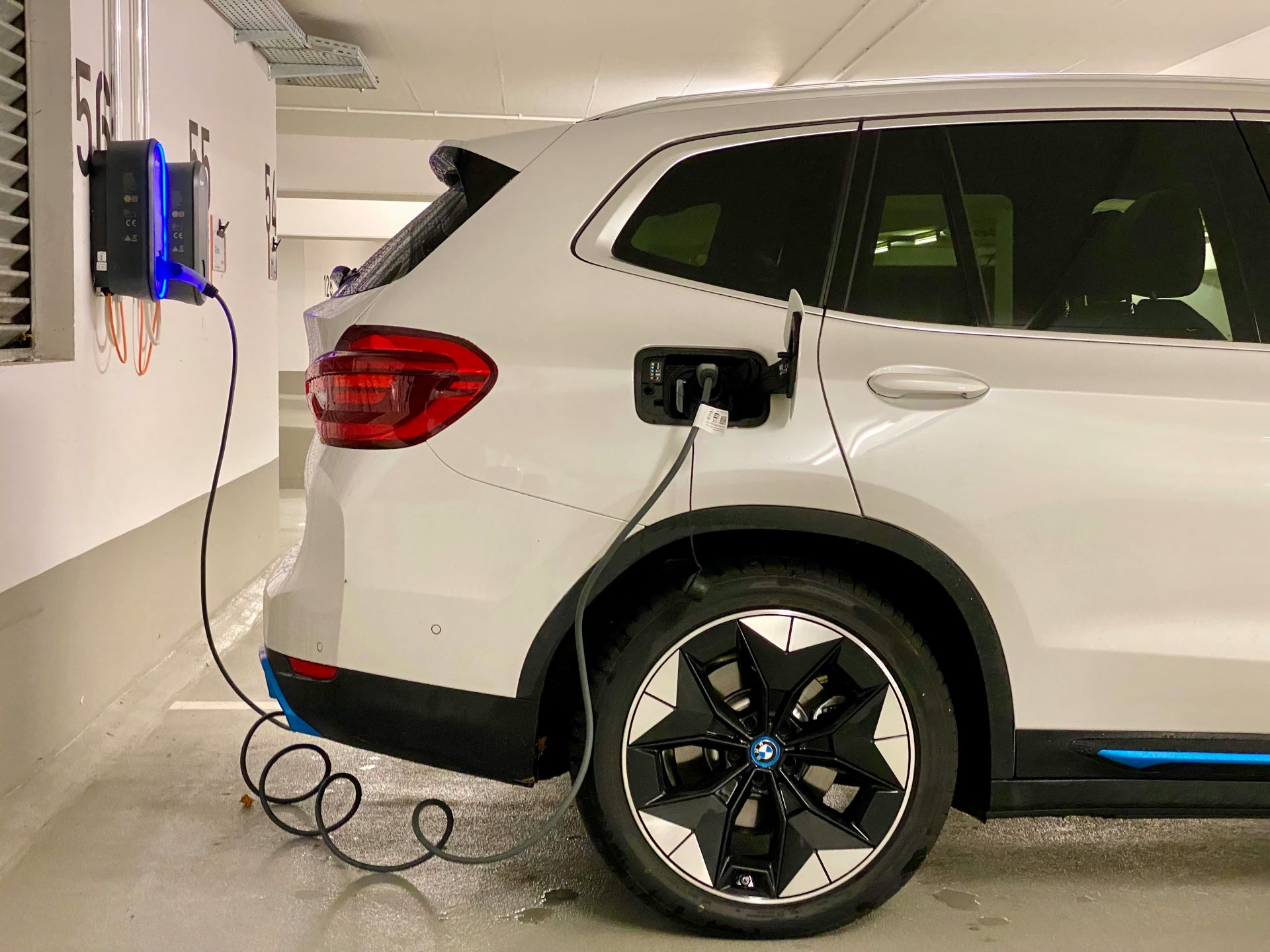
Luxury brands are now merging exclusivity with sustainability. PorscheÔÇÖs Taycan campaign, "Soul, Electrified," emphasizes that EVs can be thrilling and luxurious while still being eco-friendly. Meanwhile, BMWÔÇÖs iX series highlights "Born Electric" as a statement of both identity and progress.

Over the decades, automotive marketing language has shifted dramatically, mirroring societal values and technological progress. From the early days of selling freedom and status to the muscle car eraÔÇÖs focus on power, to todayÔÇÖs emphasis on sustainability and technology, the words used to market vehicles have shaped consumer perceptions and aspirations.
As EV adoption grows and new automotive technologies emerge, marketing language will continue evolving. Future campaigns may highlight autonomous driving, AI integration, and even the shift towards shared mobility. One thing is certain: just as cars themselves have changed, the way they are marketed will keep reflecting the needs and desires of each new generation of drivers.
Breyten Odendaal
Specializing in high-performance automotive advertising and digital marketing solutions, delivering cutting-edge insights and the latest news shaping the automotive industry in South Africa.
More From Advertising

Automotive Advertising in 2026: Selling Confidence in a More Competitive Market
As South Africa’s vehicle market becomes more competitive, automotive advertising needs to do more than announce a price or specification. It needs to help buyers understand value, ownership costs and why a vehicle suits their lives.

Automotive Digital Ads in South Africa: A Shift
Exploring how South Africa’s automotive advertising evolved from print and broadcast to data-driven, programmatic digital ecosystems.

The Video Shift in Car Buying Decisions in SA
Explore how video content shapes car purchase decisions in South Africa, comparing short-form and long-form strategies for automotive marketers.