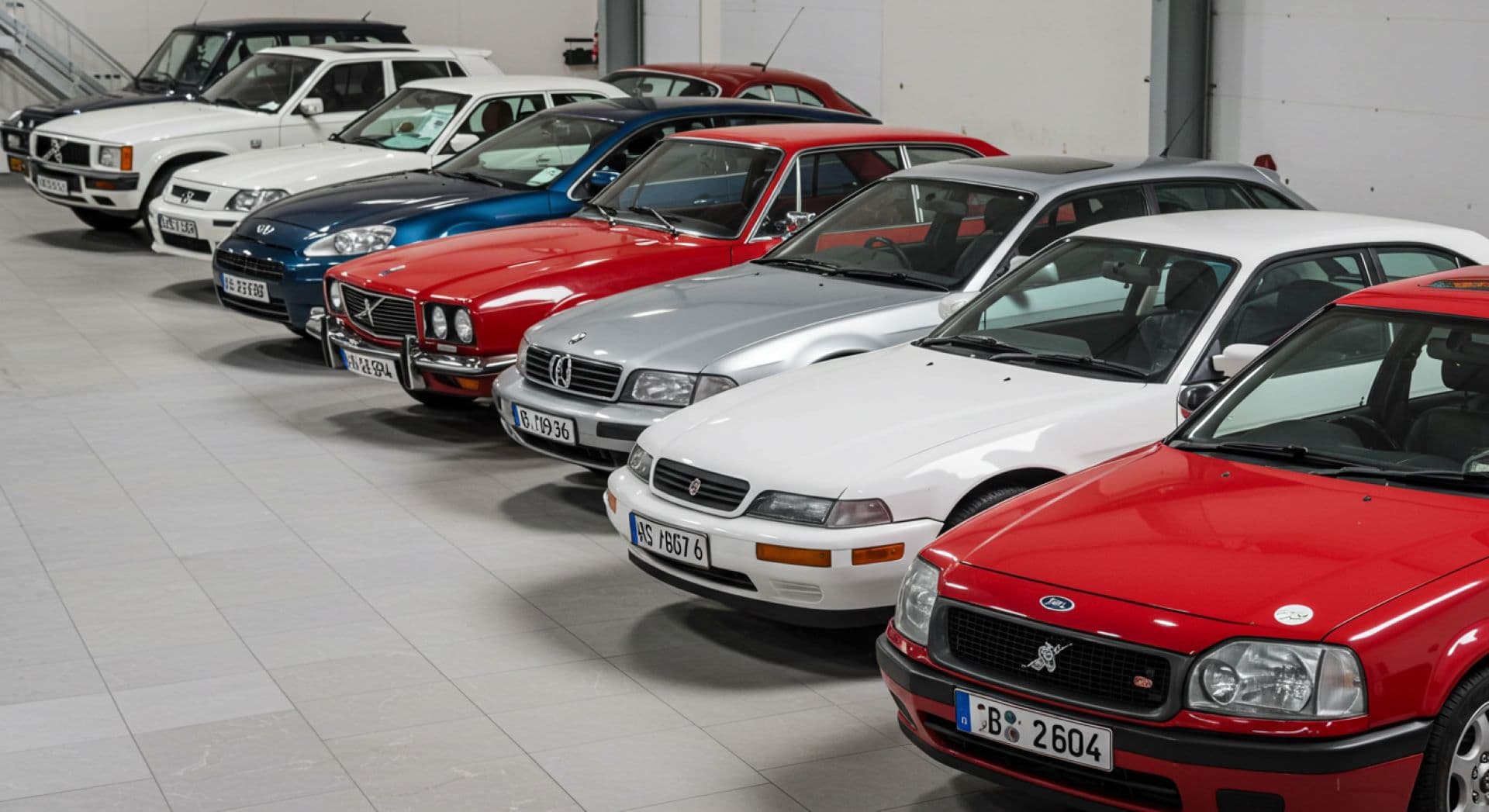
ThereÔÇÖs something magical about the moment you slide into the driverÔÇÖs seat of a classic car. The sound of the engine turning over, the smell of aged leather and polished chrome, and the undeniable sense of history that comes with every turn of the wheel. Whether it's the throaty roar of a MustangÔÇÖs V8 engine or the carefree spirit of a Volkswagen Beetle on a sunlit road, these cars carry a legacy that transcends time.
In an age where technology is advancing at lightning speed, and electric vehicles (EVs) are quickly becoming the norm, one might wonder if the iconic cars of the past will be relegated to museum pieces. But there's a movement that aims to preserve the magic of these vintage vehicles: heritage marketing. This powerful tool enables automakers to celebrate their rich history while navigating the rapidly evolving world of electric cars. ItÔÇÖs a way to evoke nostalgia, create emotional connections, and remind consumers that the legacy of iconic cars is alive and well.
As the world shifts toward sustainability and electric innovation, the transition from the classic to the electric car has become an essential part of the automotive narrative. Heritage marketing has allowed brands to bridge the gap between past and future, blending beloved classics with new-age technology. But what exactly does this mean for the iconic cars of yesterday, and how are manufacturers maintaining their legacy in a world driven by change? LetÔÇÖs explore the role of heritage marketing in keeping the memoryÔÇöand the futureÔÇöof these legendary vehicles alive.
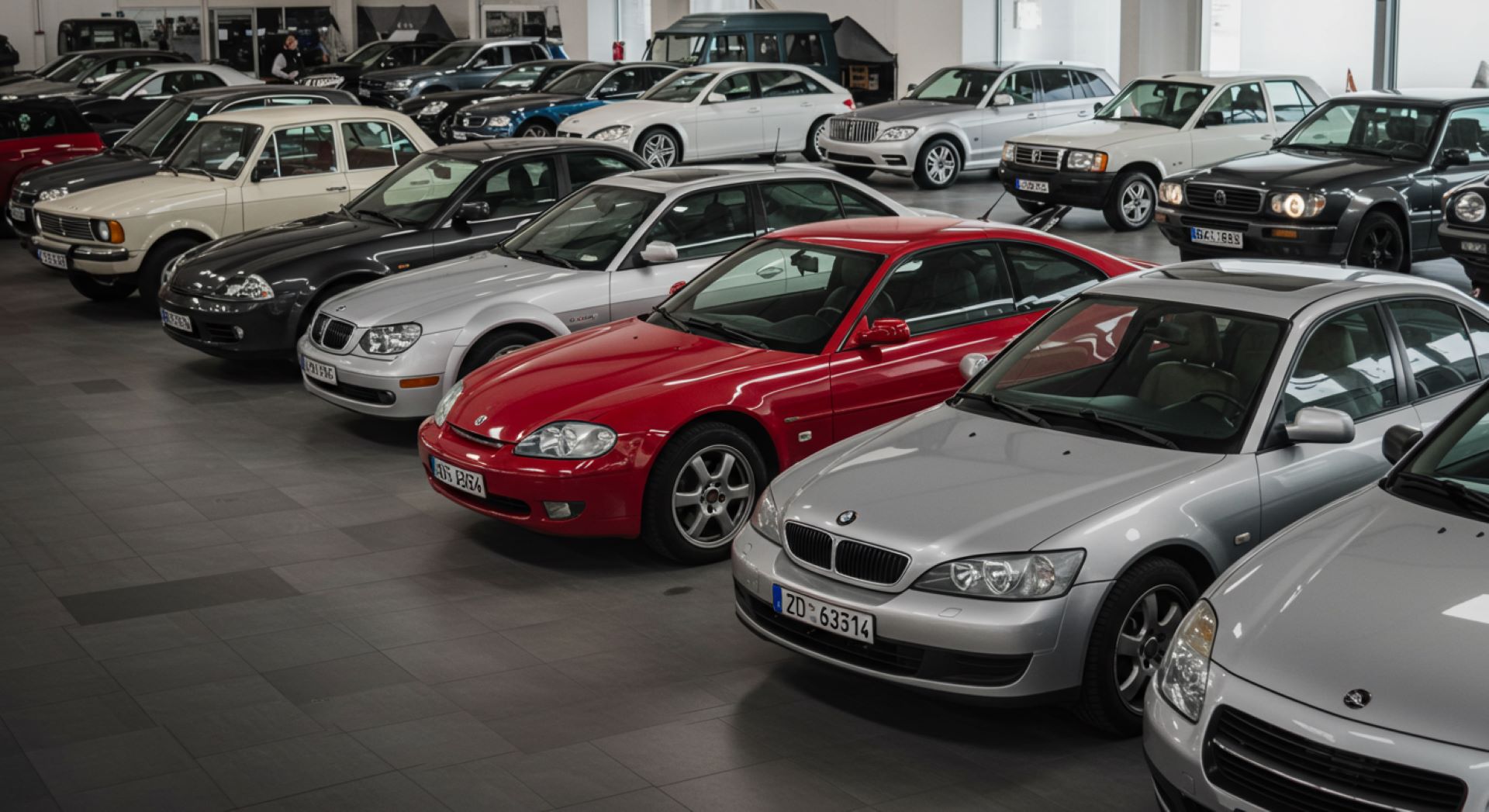
The Legacy of Iconic Cars
When we think of iconic cars, names like the Ford Mustang, Chevrolet Corvette, and Volkswagen Beetle instantly come to mind. These vehicles werenÔÇÖt just modes of transportation; they became symbols of culture, identity, and the American dream. Each one marked a defining moment in automotive history, carving a permanent place in the hearts and minds of car enthusiasts worldwide.
The Ford Mustang, introduced in 1964, embodied the freedom and rebellion of post-war America. With its long hood and aggressive stance, the Mustang quickly became a symbol of youthful exuberance and American muscle. It was more than a car; it was a statement. The marketing behind the MustangÔÇöespecially its partnership with Hollywood in the film BullittÔÇöcemented its legendary status.
The Chevrolet Corvette, on the other hand, became the ultimate American sports car, known for its sleek design and high performance. Its legacy was solidified through its ability to evolve with the times, maintaining its place as the pinnacle of American engineering. And who could forget the unforgettable marketing campaigns, like the one featuring the CorvetteÔÇÖs role in the 1963 Sting Ray model launch? These ads didnÔÇÖt just sell a carÔÇöthey sold an experience.
Then thereÔÇÖs the Volkswagen Beetle, a car that found a place in the hearts of millions around the world. Initially designed in the 1930s as an affordable, reliable car for the masses, the Beetle quickly became synonymous with the counterculture movements of the 1960s. Its quirky shape and timeless design made it a global icon. VolkswagenÔÇÖs marketing campaigns, especially during the 1960s with slogans like "Think Small," tapped into the growing desire for individuality and simplicity. These cars became more than just vehicles; they were cultural touchstones, a reflection of the times in which they were created.
What makes these cars truly legendary, though, is not just their design or performanceÔÇöitÔÇÖs the emotional connection they created with their owners. These vehicles werenÔÇÖt merely purchased for utility; they were cherished, personalized, and celebrated. And it was through groundbreaking marketing strategies that these cars earned a permanent place in the automotive pantheon.
The Rise of Heritage Marketing
Heritage marketing is a strategic approach that uses a brandÔÇÖs pastÔÇöits history, values, and iconic productsÔÇöto build emotional connections with consumers. For car manufacturers, itÔÇÖs a way to celebrate their legacy while still engaging with modern audiences. In a world where technology is constantly changing, heritage marketing allows brands to stay rooted in their history while remaining relevant in the present.
Car manufacturers have realized that their history isnÔÇÖt just something to be rememberedÔÇöitÔÇÖs something to be leveraged. Consumers have an innate emotional connection to classic cars, whether they were around to witness them firsthand or have only experienced them through media. This connection is deep-rooted in nostalgia, and brands that can tap into that emotion have a unique advantage.
Why are companies investing so much in heritage marketing today? The answer lies in the way people interact with brands. TodayÔÇÖs consumer isnÔÇÖt just looking for a product; they want a brand with a story, a history, and a sense of identity. Classic cars, with their rich histories and iconic status, are perfect vehicles (no pun intended) for creating these stories.
Take, for example, the resurgence of the Ford Mustang. Ford has consistently used its historical legacy in its marketing, invoking the rebellious spirit of the original Mustang while introducing modern technologies in the latest models. The Mustang is now available as an electric vehicle, with the Mustang Mach-E, a nod to the brandÔÇÖs muscle car roots while embracing the future of driving. FordÔÇÖs ability to blend the past and future through heritage marketing has proven immensely successful.
The Transition to Electric Vehicles
The rise of electric vehicles has created a unique challenge for car manufacturers trying to preserve the legacy of their iconic vehicles. While classic models like the Corvette and the Mustang are known for their gas-guzzling engines and roaring exhausts, the electric vehicle era is quieter and cleaner. For car companies, the challenge lies in adapting their legendary models to the electric age without losing what made them special in the first place.
One solution is to create electric versions of classic cars, allowing consumers to experience the nostalgia of driving a legendary car while benefiting from the environmental advantages of modern EV technology. Ford has done this with the Mustang Mach-E, an electric SUV that carries the MustangÔÇÖs spirit while embracing a new, sustainable future. Similarly, Jaguar has introduced the I-PACE, an all-electric SUV that builds on the brandÔÇÖs performance and luxury legacy.
These electric adaptations have sparked mixed reactions from traditionalists, some of whom argue that the essence of these cars lies in their internal combustion engines. However, the broader public has shown increasing enthusiasm for the idea of electric classics, and many enthusiasts view it as a way to keep the iconic cars alive for future generations.
Future Outlook for Iconic Cars
Looking ahead, the future of heritage marketing in the automotive industry is bright. As electric vehicles become the norm, we can expect more brands to blend nostalgia with innovation. Digital technologies like augmented reality and virtual reality will play a key role in this transformation, allowing consumers to experience classic cars in new and exciting ways.
Ultimately, the iconic cars of the past will continue to inspire future generations, even as we drive toward a greener, more sustainable future. The enduring appeal of these carsÔÇöwhether electric or notÔÇöwill ensure that their legacy is never truly lost.
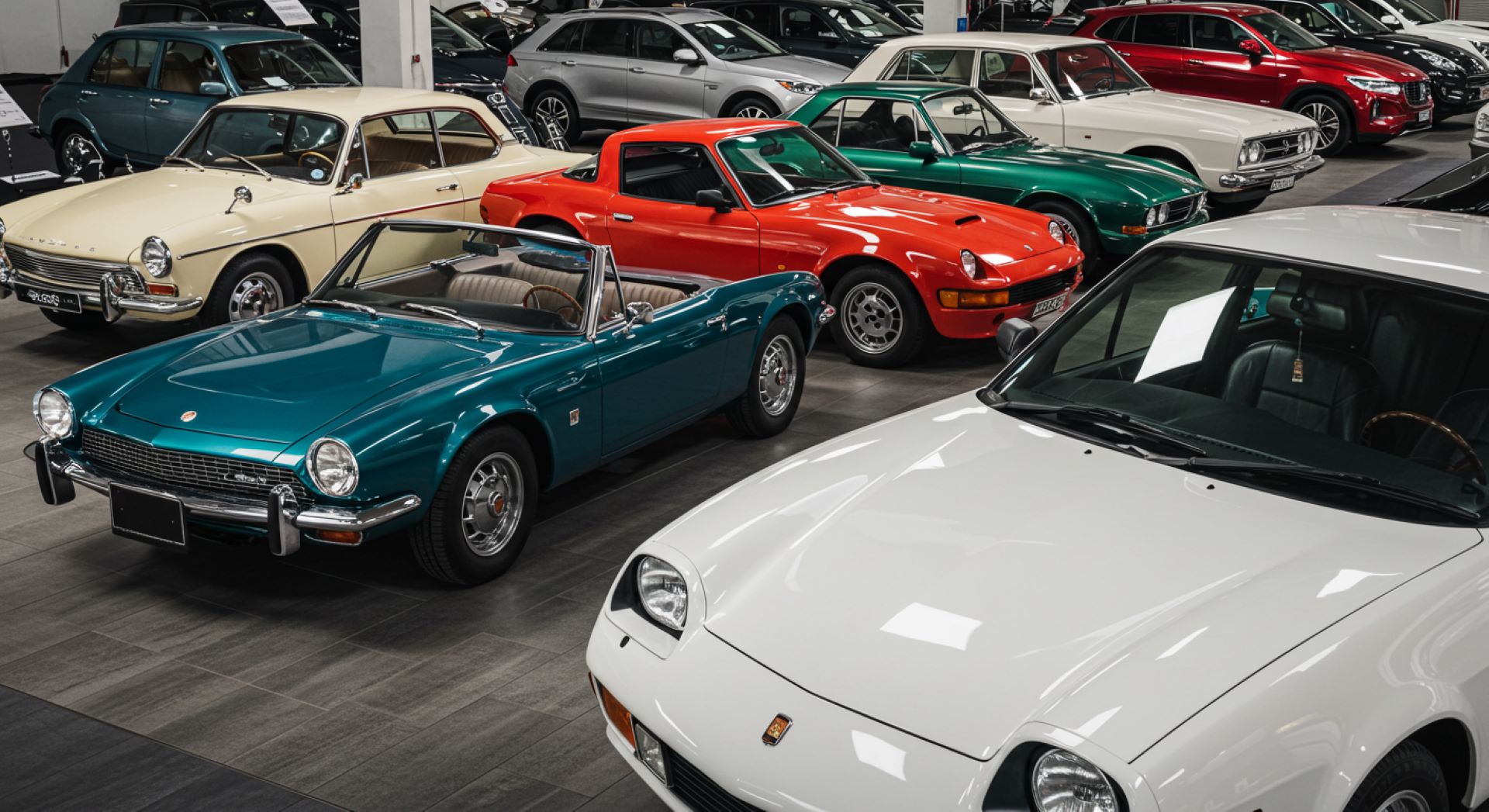
The journey from classic to electric is not just about new technologies; itÔÇÖs about preserving the memories, the emotions, and the cultural significance that iconic cars carry. Through heritage marketing, car brands are successfully keeping the magic of these legendary vehicles alive, connecting the past with the future in ways that evoke nostalgia and excitement. As we drive into the future, the legacy of classic cars will continue to fuel our imaginations and our love for the open road.
Breyten Odendaal
Specializing in high-performance automotive advertising and digital marketing solutions, delivering cutting-edge insights and the latest news shaping the automotive industry in South Africa.
More From Advertising

Automotive Advertising in 2026: Selling Confidence in a More Competitive Market
As South Africa’s vehicle market becomes more competitive, automotive advertising needs to do more than announce a price or specification. It needs to help buyers understand value, ownership costs and why a vehicle suits their lives.

Automotive Digital Ads in South Africa: A Shift
Exploring how South Africa’s automotive advertising evolved from print and broadcast to data-driven, programmatic digital ecosystems.

The Video Shift in Car Buying Decisions in SA
Explore how video content shapes car purchase decisions in South Africa, comparing short-form and long-form strategies for automotive marketers.