
The allure of a sleek automobile weaving through bustling city streets has long captivated audiences, but the landscape of car advertising is shifting as swiftly as the urban environments it depicts. From the earliest days when automobiles were symbols of boundless freedom to the present, where sustainability and smart technologies dominate, the evolution of car ads reflects not only the vehicles themselves but the changing values, needs, and aspirations of society.
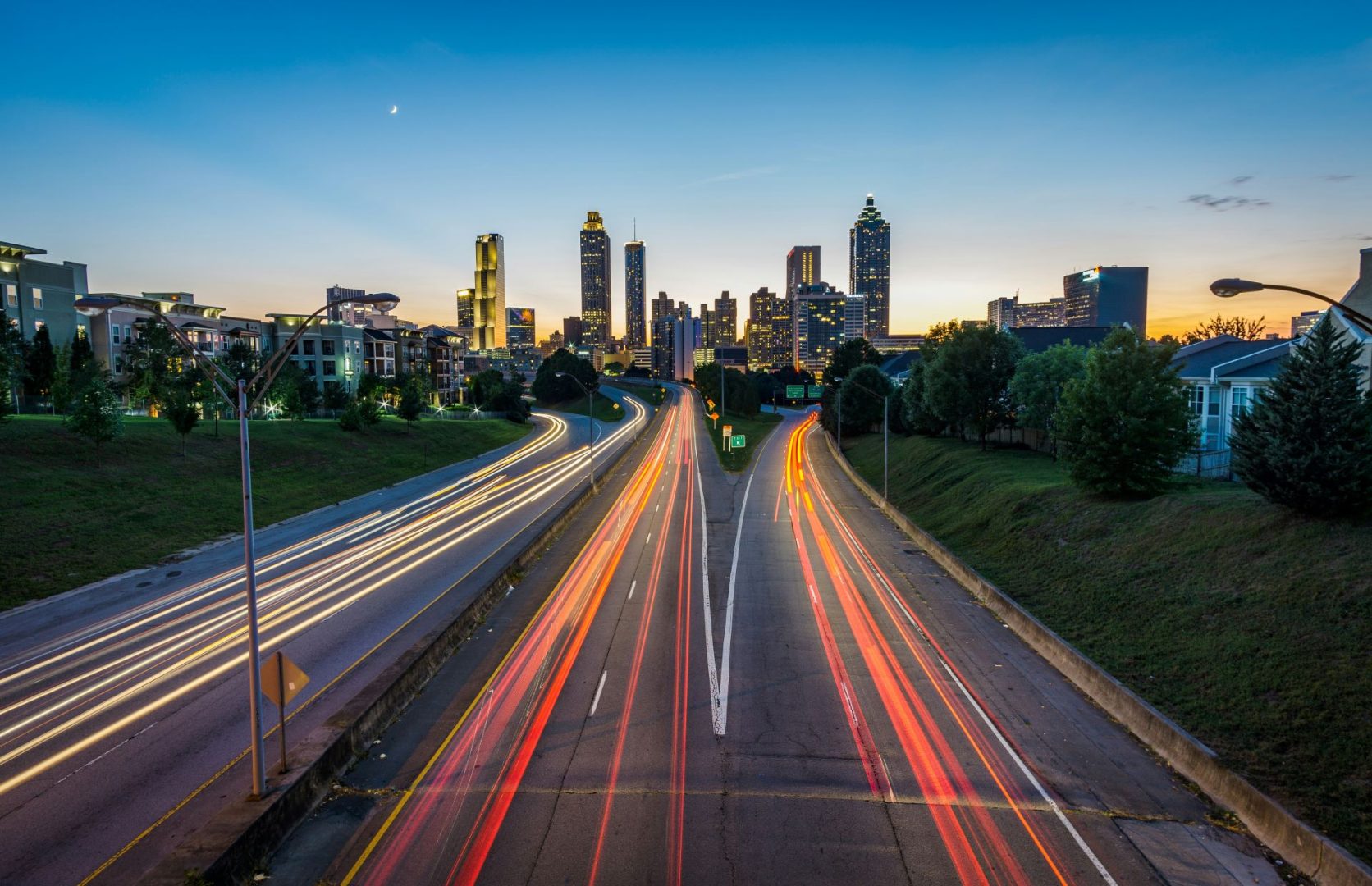
In todayÔÇÖs world, where cities are becoming increasingly dense and urban mobility is at the forefront of conversations about the future, car advertisements serve as a mirror to our evolving lifestyles. No longer are cars portrayed solely as instruments of adventure; instead, they are positioned as solutions to modern urban challenges, promoting efficiency, adaptability, and technological prowess. This article traces the fascinating journey of automotive advertising through the lens of urban mobility, exploring how the car ad has transformed from a promise of liberation on open roads to a beacon of innovation in the smart cities of tomorrow.
From FordÔÇÖs iconic Model T advertisements to TeslaÔÇÖs digital campaigns, car ads have historically been shaped by and responsive to shifts in society, technology, and urbanization. With every new innovation and transformation in city infrastructure, automotive brands have adapted their messaging to stay relevant, and in doing so, theyÔÇÖve not only sold cars but also shaped cultural and technological conversations.
Urban Mobility Evolution: From Expansion to Sustainability
As cities expanded and populations grew, the nature of urban mobility began to change. The once idyllic vision of cars cruising down empty highways gave way to the realities of congested city streets, parking shortages, and growing concerns about pollution and sustainability. These changes forced both automakers and advertisers to adapt their messaging to reflect the evolving needs of urban consumers.
Throughout the latter half of the 20th century, cities became increasingly congested, and the environmental impact of automobiles began to garner attention. By the 1970s, oil crises and growing environmental consciousness began to influence the direction of car advertisements. The focus shifted from speed and power to fuel efficiency and environmental responsibility. Brands like Volkswagen, which had already positioned itself as an alternative to the large, gas-guzzling American cars, capitalized on this trend with ads that emphasized simplicity, efficiency, and practicality.
The rise of public transportation systems in major cities also played a significant role in shaping urban mobility trends. As people sought alternatives to car ownership, particularly in densely populated urban centers, automotive companies began exploring new ways to appeal to urban dwellers. Compact cars, which had once been relegated to the fringes of the market, suddenly became a focal point of advertising campaigns. HondaÔÇÖs ÔÇ£The Civic Goes to TownÔÇØ campaign in the 1980s, for instance, highlighted the practicality of owning a small, fuel-efficient car in a bustling urban environment.
By the early 2000s, the concept of urban mobility was undergoing a radical transformation, fueled by technological innovations and a growing emphasis on sustainability. The rise of ride-sharing services like Uber and Lyft introduced a new dimension to the car ownership model, as more people began to view cars as tools for specific urban journeys rather than as long-term investments. This shift in mindset prompted automakers to rethink their advertising strategies, with many brands beginning to focus on flexibility, connectivity, and eco-consciousness.
In parallel, the growth of smart cities and advancements in urban planning have introduced a new wave of urban mobility solutions. Concepts like car-sharing, electric scooters, and autonomous vehicles are becoming central to the conversation about the future of transportation. Car ads have begun to reflect this shift, focusing on how automobiles can integrate into smart city ecosystems, reduce congestion, and contribute to sustainable urban living.

Transition to Modern Car Ads: New Narratives for a Changing World
As urban mobility has evolved, so too have the narratives that define car advertisements. In contrast to the power-centric ads of the past, modern car ads often emphasize sustainability, innovation, and adaptability to urban environments. The car is no longer portrayed as a status symbol or an instrument of personal freedom but as an intelligent, eco-friendly tool designed to enhance urban living.
One of the most notable changes in contemporary car advertising is the shift towards promoting electric vehicles (EVs). Brands like Tesla, Nissan, and BMW have led the charge in this area, with campaigns that highlight the environmental benefits of driving electric. TeslaÔÇÖs "Drive to a Better Future" campaign, for instance, focuses on the companyÔÇÖs commitment to sustainability and technological innovation, using sleek, futuristic imagery to appeal to eco-conscious consumers.
Another key theme in modern car ads is the integration of cutting-edge technology. As cities become more connected and autonomous vehicles move closer to reality, car advertisements have increasingly focused on showcasing the technological capabilities of their vehicles. AudiÔÇÖs "Future is an Attitude" campaign, for example, emphasizes the brandÔÇÖs commitment to innovation, with ads that feature futuristic cityscapes and autonomous driving technologies.
Luxury brands have also adapted to this shift, with companies like Mercedes-Benz and BMW emphasizing urban adaptability and smart technologies in their marketing. Mercedes-Benz's "Urban Mobility" campaign showcases its electric EQ series as the ideal vehicles for navigating modern cities, combining luxury with eco-conscious design.
In addition to environmental sustainability and technological innovation, car ads today also focus on the concept of urban adaptability. Compact, city-friendly vehicles like the MINI Cooper and Toyota Yaris are frequently advertised as the perfect solutions for navigating congested urban environments. These ads often emphasize features like agility, fuel efficiency, and smart design, appealing to consumers who prioritize practicality and convenience in city driving.
The Role of Technology: Digital Advertising and Personalization
In the digital age, the way car ads are created, distributed, and consumed has undergone a seismic shift. Gone are the days of print-dominated campaigns and television spots being the primary modes of engagement. Today, automotive brands leverage digital platforms, social media, and even virtual reality (VR) to create immersive, personalized advertising experiences that speak directly to their target audiences.
Social media platforms like Instagram, YouTube, and TikTok have become powerful tools for car manufacturers to engage with younger, tech-savvy consumers. Influencer partnerships, user-generated content, and viral campaigns have transformed car ads into interactive experiences. Tesla, for instance, has famously shunned traditional advertising in favor of social media engagement, relying on its passionate fanbase to create and share content that promotes the brand.
Moreover, advances in data analytics have allowed car brands to tailor their advertisements to specific demographics and even individual consumers. Through targeted ads on platforms like Facebook and Google, automotive companies can now deliver highly personalized messages that speak directly to a consumer's preferences, driving habits, and lifestyle choices. This level of customization not only increases engagement but also fosters a deeper emotional connection between the consumer and the brand.
Virtual reality and augmented reality (AR) are also making their mark on car advertising. Brands like Audi and Volvo have used VR to create immersive test-drive experiences, allowing consumers to virtually explore their vehicles from the comfort of their homes. These technologies provide a unique opportunity for car brands to showcase their vehicles' features in a dynamic, interactive way, enhancing consumer engagement and interest.

Consumer Impact and Perception: A New Era of Expectations
As car ads have evolved to reflect changes in urban mobility and technological advancements, they have also shaped consumer perceptions of what a car represents. Today, consumers expect more from their vehiclesÔÇöthey want cars that are not only stylish and performant but also eco-friendly, technologically advanced, and adaptable to urban living.
The rise of electric vehicles, autonomous driving technology, and smart city infrastructure has created a new paradigm in car advertising, where the focus is not just on selling a product but on selling a vision of the future. Brands are no longer simply marketing cars; they are marketing a lifestyleÔÇöa lifestyle that is sustainable, connected, and forward-thinking.
Moreover, the shift towards digital and personalized advertising has empowered consumers to make more informed decisions. In a world where consumers can research and compare vehicles online, car ads must do more than just capture attentionÔÇöthey must provide real value, whether through showcasing innovative features, offering virtual test drives, or highlighting sustainability credentials.
This new era of advertising also reflects a broader societal shift towards sustainability and environmental responsibility. Consumers today are more environmentally conscious than ever before, and car brands have responded by incorporating sustainability into their core messaging. Whether itÔÇÖs through promoting electric vehicles, using eco-friendly materials in manufacturing, or emphasizing fuel efficiency, car ads are increasingly aligning with consumers' values and expectations.
The Future of Car Ads in an Urbanized World
As cities continue to grow and technology continues to advance, the future of car advertisements will likely be shaped by the ongoing evolution of urban mobility. From electric vehicles to autonomous driving, car ads will increasingly reflect the realities of smart cities, where sustainability, efficiency, and connectivity are paramount.
Looking ahead, we can expect to see even more personalized, immersive, and tech-driven car advertisements that engage consumers on a deeper level. Brands will continue to leverage digital platforms, data analytics, and emerging technologies to create dynamic advertising experiences that resonate with the values and aspirations of urban dwellers.
Ultimately, the car ad of the future will not only sell carsÔÇöit will sell a vision of how we move through the world, one that is sustainable, connected, and in harmony with the smart cities of tomorrow. Whether through promoting electric mobility, autonomous driving technologies, or urban adaptability, the car ad will remain a powerful tool in shaping our perceptions of the future of transportation.
Shaping the Future of Mobility through Advertising
In a world where urban mobility is constantly evolving, car ads play a crucial role in shaping our understanding of transportation. By adapting to the needs of modern cities and embracing sustainability, innovation, and connectivity, automotive brands have the opportunity to not only sell cars but to shape the future of how we move through the world.
Whether through digital campaigns that highlight the latest in electric vehicle technology or immersive VR experiences that allow consumers to test-drive autonomous cars, the future of car advertising is one of endless possibilities. As we look towards a future where cars are more than just machinesÔÇöthey are integral parts of our connected, urban ecosystemsÔÇöcar ads will continue to reflect and influence our journey towards a smarter, more sustainable world.
Breyten Odendaal
Specializing in high-performance automotive advertising and digital marketing solutions, delivering cutting-edge insights and the latest news shaping the automotive industry in South Africa.
More From Advertising

Automotive Advertising in 2026: Selling Confidence in a More Competitive Market
As South Africa’s vehicle market becomes more competitive, automotive advertising needs to do more than announce a price or specification. It needs to help buyers understand value, ownership costs and why a vehicle suits their lives.

Automotive Digital Ads in South Africa: A Shift
Exploring how South Africa’s automotive advertising evolved from print and broadcast to data-driven, programmatic digital ecosystems.

The Video Shift in Car Buying Decisions in SA
Explore how video content shapes car purchase decisions in South Africa, comparing short-form and long-form strategies for automotive marketers.