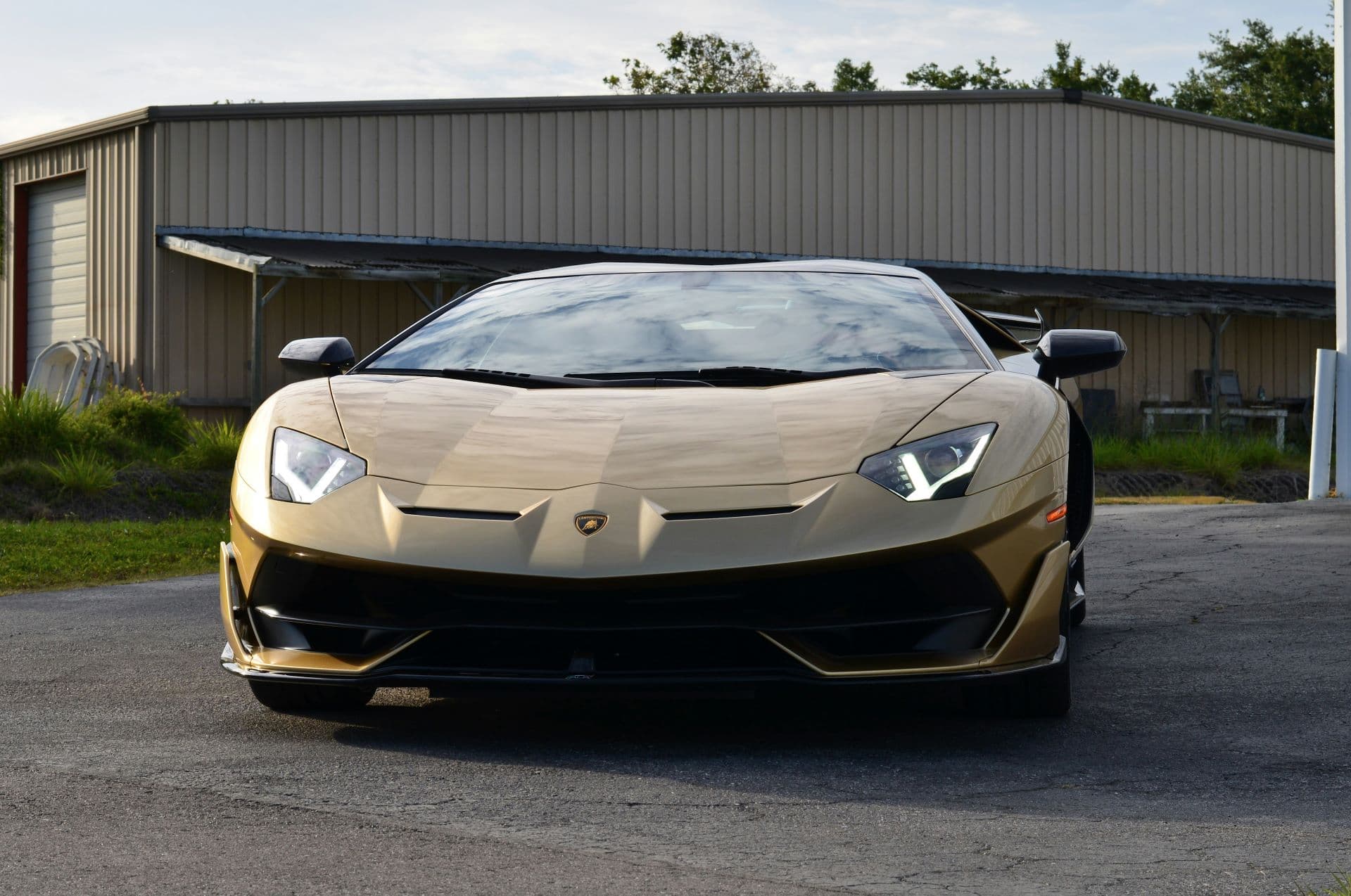
The automotive industry, renowned for its innovation and constant drive toward cutting-edge technology, has always been at the forefront of advertising. From the early days of printed brochures to todayÔÇÖs immersive, data-driven digital campaigns, the evolution of automotive advertising mirrors the broader transformations in society, technology, and media consumption. As the world transitions further into the digital era, the way automotive brands connect with consumers has drastically shifted. This article explores how automotive advertising has evolved from the traditional billboard to the byte-sized, personalized campaigns we see today, while reflecting on the key milestones, trends, and future possibilities in the digital landscape.

The Beginnings: Traditional Advertising
In the mid-20th century, the primary mode of automotive advertising was through print media, television, and billboards. Brands invested heavily in visually compelling ads that showcased sleek, aspirational imagery of their vehicles. The idea was simple yet effective: create an emotional connection with consumers through broad visual appeal. Television commercials, like the iconic 1950s Chevrolet advertisements, aimed to present a narrative of status, freedom, and adventure, underscoring the American Dream and the notion that owning a car could change your life.
While billboards also played a significant role in automotive marketing, they were largely designed to capture the attention of drivers and passengers during their daily commutes. These static, larger-than-life ads communicated a straightforward messageÔÇöadvertising vehicles as symbols of progress, sophistication, or freedomÔÇötailored to local and national demographics.
Despite their effectiveness, traditional forms of advertising had their limitations. They were typically one-size-fits-all, reaching audiences without any nuanced understanding of their specific preferences or behaviors. This is where the digital age would come into play, bringing with it a more dynamic, personalized approach to advertising.
The Digital Revolution: The Internet and Early Social Media
The late 1990s and early 2000s marked the beginning of the digital era in advertising, as the rise of the internet introduced new avenues for brands to reach consumers. Initially, automotive advertising in the digital space was limited to banner ads on websites, email marketing, and basic flash-driven websites that offered online car catalogs. However, the lack of interactivity and personalization in these early forms of online ads did little to engage consumers.
The real game-changer came with the emergence of social media platforms like Facebook, Twitter, and later Instagram. These platforms allowed automotive brands to not only advertise but engage with their audience on a much more personal level. Brands could build communities, gather valuable consumer insights, and deliver targeted campaigns based on user behavior and interests.
In the early 2010s, brands like BMW, Mercedes-Benz, and Audi began to experiment with social media campaigns, using platforms like Facebook and Twitter to promote new car models, share behind-the-scenes content, and engage with their audiences through comments, likes, and shares. For the first time, car manufacturers could directly communicate with consumers in a way that felt less like an advertisement and more like an ongoing conversation.
The Rise of Mobile: Advertising on the Go
As smartphones became ubiquitous, the automotive industry began to embrace mobile marketing. In 2014, a report by the National Automobile Dealers Association revealed that 92% of car buyers researched their vehicle purchase online before making a decision. This created an urgent need for automotive brands to create a seamless mobile experience that could keep up with the growing trend of mobile-first consumers.
Car manufacturers quickly adapted, launching mobile-friendly websites, creating branded apps, and investing in mobile ads that could reach consumers during their daily commutes or while they were actively considering purchasing a car. Mobile search advertising became particularly valuable, with consumers searching for everything from vehicle specifications to dealership locations while on the move. By the mid-2010s, brands like Ford and Toyota were already offering in-app experiences that helped users explore car models and even schedule test drives directly from their phones.
Moreover, the use of geolocation targeting allowed brands to push ads directly to consumers based on their physical location. This level of precision was revolutionary, providing brands with the ability to target potential customers not just demographically but geographically, offering promotions or nearby dealership information in real-time.
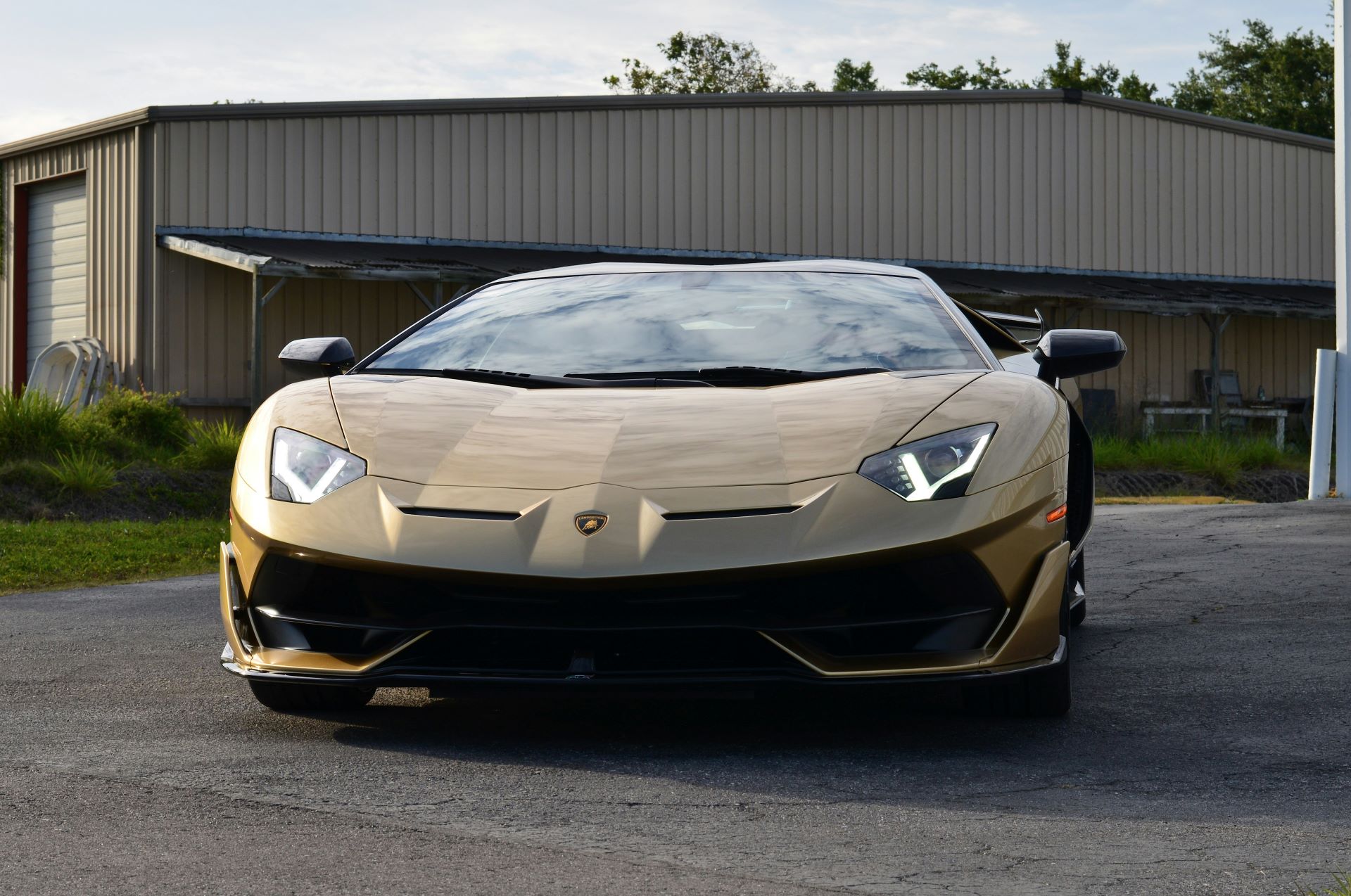
The Era of Video Content: YouTube and Beyond
By the time platforms like YouTube and Vimeo gained popularity, automotive brands had found a new playground for dynamic, long-form content. Video became the go-to medium for showcasing a carÔÇÖs features, performance, and lifestyle appeal in ways that static images or banner ads could not achieve. Companies began to produce high-production-value commercials, behind-the-scenes footage, and even user-generated content that resonated with viewers on a deeper level.
One of the most famous examples of video advertising in the automotive sector is the ÔÇ£Epic SplitÔÇØ commercial by Volvo, featuring Jean-Claude Van Damme performing a split between two moving trucks. The ad went viral, generating millions of views and sparking conversations across social media platforms, all while promoting VolvoÔÇÖs new dynamic steering technology. It demonstrated that automotive brands could go beyond the traditional advertisement and create experiences that were entertaining, shareable, and emotionally compelling.
In addition to traditional video content, live-streaming on platforms like Facebook and Instagram also became a key component of automotive marketing strategies. Brands could stream events like car reveals, press conferences, and even real-time test drives, allowing consumers to interact and ask questions, breaking down the barriers between brand and audience.
Big Data and Personalization: The Next Frontier
The most significant shift in automotive advertising came with the rise of big data and artificial intelligence. As the digital landscape evolved, so did the sophistication of consumer data collection and analysis. Automotive brands began using customer insights to deliver hyper-targeted ads based on individual behaviors, preferences, and even purchase history.
Through the use of programmatic advertising, brands could now purchase ad space in real-time, targeting potential customers with unparalleled precision. With tools like Google Ads, Facebook Ads, and DSPs (Demand-Side Platforms), advertisers could segment audiences based on age, gender, location, browsing behavior, and even what type of car they were interested in.
Moreover, the increasing use of AI and machine learning allowed automotive brands to create dynamic content that could adapt in real-time. Ads could now be personalized, adjusting their messaging, visuals, and offers based on a consumerÔÇÖs interaction history or even the stage they were at in the car-buying journey. If a user had previously browsed a particular car model, they might be shown an ad that emphasized the carÔÇÖs advanced safety features or financing options.
The ability to measure success in real-time also allowed for continual optimization, ensuring that every ad served was more effective than the last. This ÔÇ£test and learnÔÇØ approach became standard practice, enabling marketers to fine-tune campaigns on the fly and ensure they were resonating with their target audience.
The Future: Virtual Reality, AI, and Beyond
As we look to the future of automotive advertising, the possibilities seem endless. The next frontier will likely involve an even deeper integration of emerging technologies like virtual reality (VR), augmented reality (AR), and artificial intelligence (AI).
Virtual reality, in particular, holds tremendous potential for the automotive industry, providing consumers with the ability to experience a car in a fully immersive digital environment. Brands like Audi and Lexus have already begun experimenting with VR showrooms, where potential buyers can ÔÇ£test driveÔÇØ vehicles in virtual environments. This opens up the possibility for remote and at-home vehicle experiences that could revolutionize the way cars are marketed.
Additionally, AR could be used to enhance the in-person car-buying experience, allowing customers to see additional features or modifications in real-time by simply pointing their smartphones or AR glasses at the vehicle. Interactive kiosks and 3D configurators could allow customers to visualize their car with different colors, trims, and options before they even step foot in a dealership.
Finally, artificial intelligence will continue to play a pivotal role in automating much of the advertising process, helping brands create highly targeted, predictive campaigns that anticipate customer needs and preferences. AI-powered chatbots will become more sophisticated, guiding customers through the car-buying journey with personalized advice, and predictive analytics will forecast which consumers are most likely to convert, allowing for more effective marketing strategies.
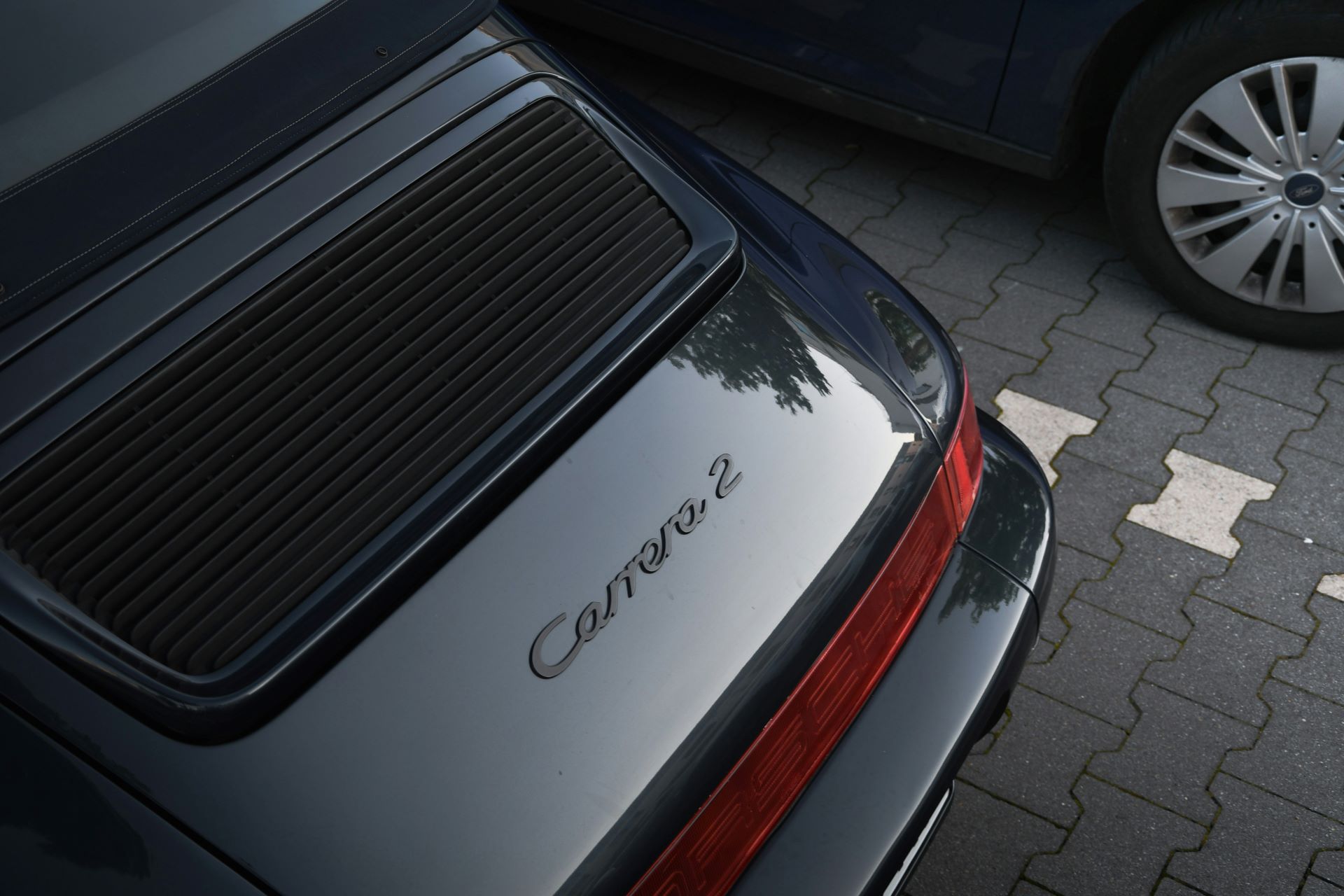
From billboards and TV spots to social media ads, mobile campaigns, and AI-driven personalized marketing, the evolution of automotive advertising has been one of constant innovation. As digital technologies continue to advance, the ability for automotive brands to connect with consumers in a meaningful way will only deepen. The future promises even greater opportunities for immersive, personalized, and data-driven advertising experiences, making the digital era an exciting time for both marketers and consumers in the automotive sector.
Ultimately, the shift from traditional media to digital platforms is not just about keeping up with technological advancements; itÔÇÖs about creating more engaging, relevant, and personalized experiences for consumers. As brands continue to adapt and innovate, the line between advertising and experience will continue to blur, leaving us to wonder: whatÔÇÖs next in the evolution of automotive advertising?
Breyten Odendaal
Specializing in high-performance automotive advertising and digital marketing solutions, delivering cutting-edge insights and the latest news shaping the automotive industry in South Africa.
More From Advertising
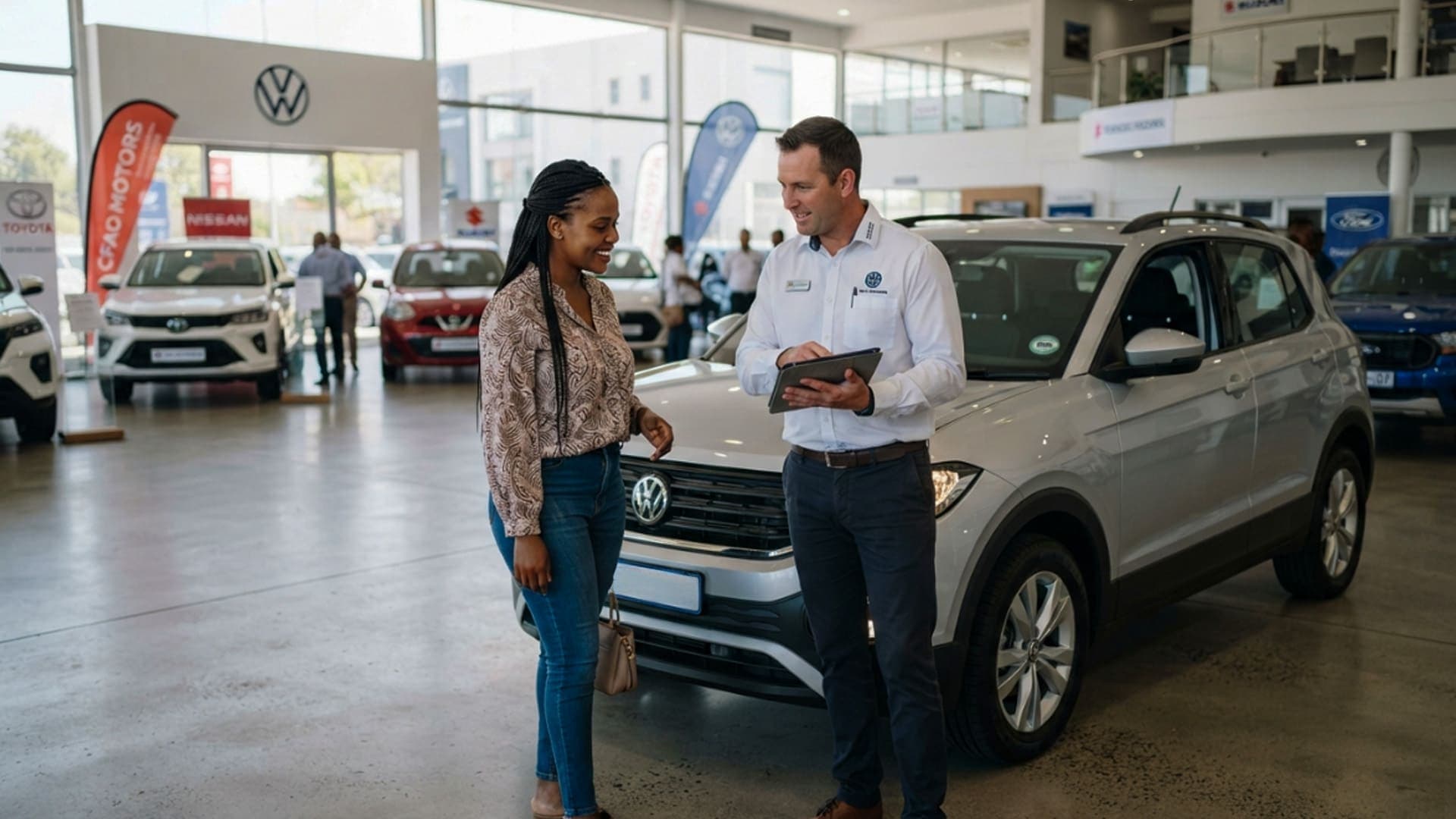
Automotive Advertising in 2026: Selling Confidence in a More Competitive Market
As South Africa’s vehicle market becomes more competitive, automotive advertising needs to do more than announce a price or specification. It needs to help buyers understand value, ownership costs and why a vehicle suits their lives.

Automotive Digital Ads in South Africa: A Shift
Exploring how South Africa’s automotive advertising evolved from print and broadcast to data-driven, programmatic digital ecosystems.

The Video Shift in Car Buying Decisions in SA
Explore how video content shapes car purchase decisions in South Africa, comparing short-form and long-form strategies for automotive marketers.