
When a Name Outgrows the Metal
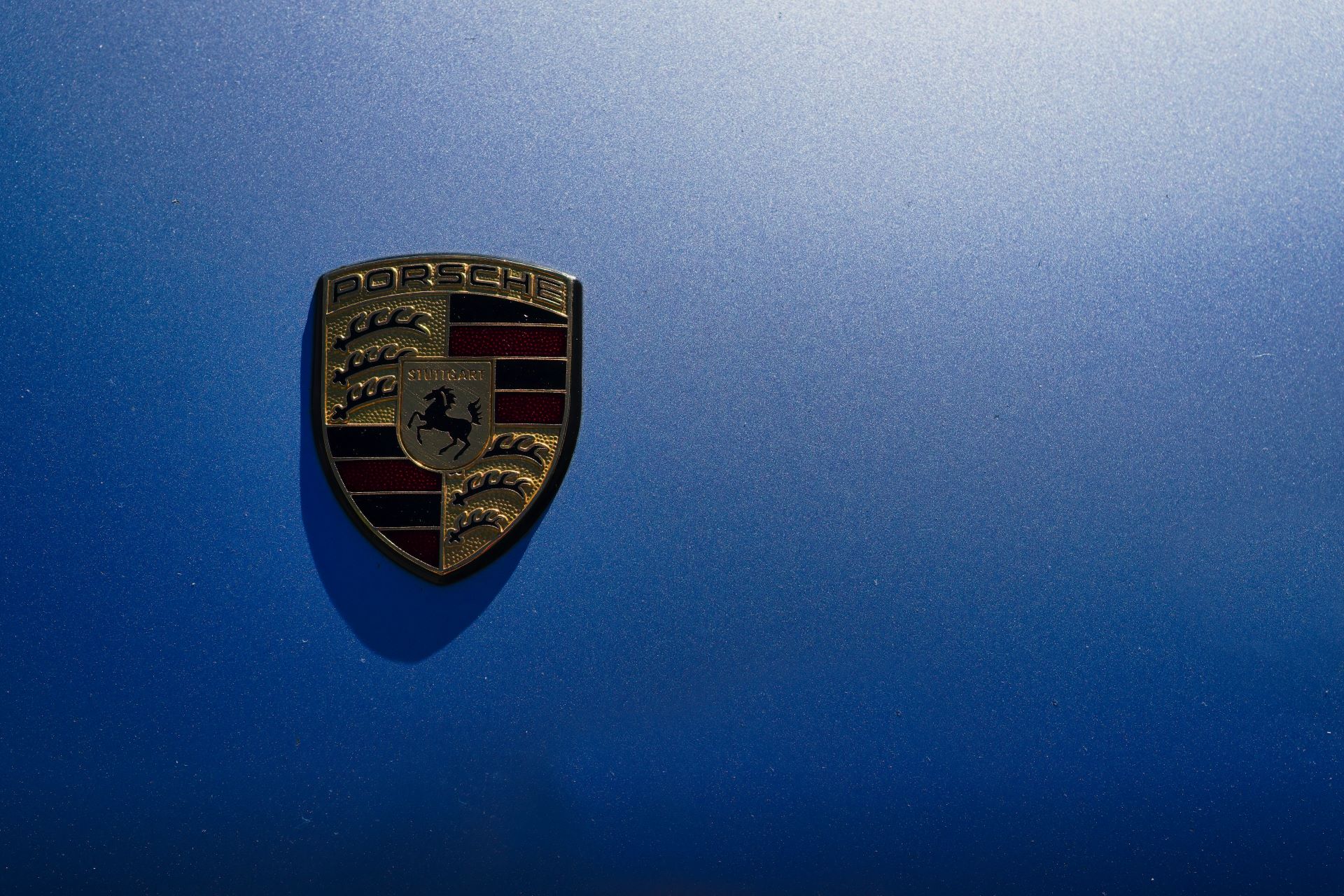
In the past, a carmakerÔÇÖs badge lived almost exclusively on the bonnet. It was a shorthand for engineering prowess, or perhaps a hint of national pride, but rarely a full-fledged cultural identity. Today, that paradigm has shifted. From the racetrack-bred credentials of BMWÔÇÖs M division to the urban-mobility ethos of ToyotaÔÇÖs KINTO and the rugged aura of JeepÔÇÖs Trailhawk, sub-brands now thrive as lifestyle emblems. Their gravitational pull extends well beyond horsepower or trim levels.
This transformation did not happen by accident. It is the result of deliberate marketing strategies, savvy product planning and the recognition that modern consumers seek more than mechanical reliabilityÔÇöthey crave meaning. To understand how performance divisions, adventure sub-brands and urban mobility spin-offs become stand-alone identities, we must examine the forces shaping their evolution and the tactics marketers deploy to keep these offshoots credible.

The Evolution of Automotive Identity
Automotive marketing has long been a dance between aspiration and functionality. Early in the twentieth century, a brandÔÇÖs reputation rested on engineering breakthroughs or endurance racing victories. By the post-war boom, cars became symbols of social mobility and personal freedom. Yet even then, the main marque carried the entire storytelling burden.
As the industry globalised, manufacturers realised that one badge could not embody every message. The needs of a thrill-seeking driver differ sharply from those of a city commuter or a family buyer. Rather than dilute their core brand with contradictory narratives, carmakers began to experiment with specialist divisions. What started as internal skunkworksÔÇöMercedes-BenzÔÇÖs AMG tuning house or NissanÔÇÖs NISMO motorsport teamÔÇösoon evolved into full-scale sub-brands with their own iconography and marketing budgets.
This diversification mirrored broader cultural trends. As fashion houses launched diffusion lines and beverage companies created niche labels, carmakers too embraced the idea that sub-brands could target distinct lifestyles while maintaining an umbrella of trust.
Performance Divisions: Speed as a Creed
Perhaps the most recognisable sub-brands are those built on pure performance. BMW M, Audi SportÔÇÖs RS line, and Mercedes-AMG are not merely faster variants; they are self-contained legends. Their DNA is rooted in motorsport, yet their success is as much about emotional branding as lap times.
Consider BMW M. The tricolour stripes evoke decades of racing glory, but also a mindset: precision engineering for drivers who see the road as their personal circuit. Marketing campaigns rarely dwell on the parent companyÔÇÖs family-friendly sedans. Instead, they speak directly to enthusiasts through track-day events, exclusive driving schools and limited-edition merchandise. The M badge signals membership in a tribe where the car is a conduit for adrenaline.
Mercedes-AMG follows a similar script but adds a distinctly muscular personaÔÇöÔÇ£One man, one engineÔÇØ is both a technical boast and a lifestyle slogan. The message is clear: owning an AMG is less about transportation and more about joining a brotherhood of high-performance purists.
For marketers, these divisions deliver a dual payoff. They elevate brand prestige, creating a halo that benefits the entire portfolio, while also commanding higher margins from customers eager to buy into an exclusive club. Crucially, the performance narrative extends beyond the vehicle. Branded apparel, track experiences and social media communities transform speed into a creed that customers live daily.
Adventure Sub-Brands: Selling the Great Escape
Not every customer dreams of apexes and lap records. A growing demographic yearns for rugged exploration, and manufacturers have responded with sub-brands that promise off-road authenticity. Think of Land RoverÔÇÖs Discovery Adventure events, JeepÔÇÖs Trailhawk editions or ToyotaÔÇÖs TRD Pro line. These identities sell more than four-wheel driveÔÇöthey sell the romance of the great outdoors.
Marketing here pivots from racetrack bravado to storytelling steeped in nature. Imagery of misty mountain passes and river fords dominates campaigns. Sponsorships of overlanding festivals and partnerships with outdoor gear companies reinforce the message. Buyers are not just purchasing a capable vehicle; they are investing in a lifestyle of freedom and self-reliance.
Jeep provides perhaps the archetype. For decades it has cultivated ÔÇ£Jeep Nation,ÔÇØ a global community that organises trail rides and camping weekends. The Trail Rated badge is not a technical specification; it is a rite of passage. By nurturing these owner groups and feeding them exclusive content, Jeep transforms customers into brand advocates whose personal adventures double as marketing collateral.
Adventure sub-brands also thrive in the era of experiential travel. As consumers seek experiences over possessions, the vehicle becomes a passport to exploration. By branding this capabilityÔÇöwhether through special trims or standalone badgesÔÇömanufacturers monetise the dream of escape.

Urban Mobility Spin-offs: Beyond Ownership
If performance and adventure sub-brands celebrate the car as an object of desire, the newest wave reimagines mobility itself. Faced with urban congestion, environmental pressures and shifting consumer habits, carmakers have launched sub-brands that offer mobility as a service rather than a product.
ToyotaÔÇÖs KINTO, BMWÔÇÖs ReachNow and VolvoÔÇÖs M (later integrated into Care by Volvo) exemplify this shift. These brands operate more like tech start-ups than traditional automakers, providing car-sharing, subscription services and multi-modal transport solutions. Their marketing language borrows from lifestyle apps: convenience, flexibility and sustainability.
For marketers, the challenge is to maintain the parent companyÔÇÖs credibility while appealing to a generation less interested in ownership. KINTOÔÇÖs branding, for example, downplays ToyotaÔÇÖs heritage in favour of a clean, digital aesthetic. Social campaigns emphasise community and eco-conscious living, positioning KINTO not as a car brand but as a mobility companion.
These spin-offs must navigate a delicate balance. They must be distinct enough to resonate with tech-savvy urbanites, yet aligned closely enough that the parent brandÔÇÖs reputation for quality underpins trust. Done right, they extend the automakerÔÇÖs relevance into a future where the ÔÇ£carÔÇØ may be only one piece of a larger mobility ecosystem.
Crafting a Lifestyle Narrative
Across performance, adventure and mobility, successful sub-brands share a common trait: they tell a story that transcends mechanical specifications. Crafting such a narrative demands more than clever slogans. It requires an immersive brand world.
Visual identity plays a central role. From AMGÔÇÖs bold typography to KINTOÔÇÖs minimalist colour palette, design signals the sub-brandÔÇÖs values at a glance. Equally important is tone of voice. Adventure offshoots speak in the language of exploration; urban mobility services adopt the friendly efficiency of a trusted app.
Experiential marketing reinforces the lifestyle. Track days, off-road rallies and pop-up city lounges invite customers to live the brand before they buy. These experiences generate content that fuels social media engagement, turning participants into co-creators of the brand narrative.
Merchandising and partnerships extend the sub-brand beyond the garage. Limited-edition watches, performance apparel or co-branded outdoor equipment transform the badge into a fashion statement. When a customer wears an AMG cap or a TRD Pro jacket, they broadcast membership of a lifestyle communityÔÇöoften long before they purchase a vehicle.
The PowerÔÇöand RiskÔÇöof Independence
The very strength of a sub-brandÔÇöits ability to stand apartÔÇöcan also pose risks. If the offshoot drifts too far from the parentÔÇÖs values, it may dilute brand equity or confuse customers. NissanÔÇÖs attempt to launch the standalone Infiniti performance line in Europe, for instance, struggled to find a clear identity distinct from both Nissan and the crowded luxury market.
Maintaining coherence demands constant strategic alignment. Marketers must ensure that every campaign, whether for a 600-horsepower coupe or a car-sharing app, ultimately reinforces the parent companyÔÇÖs overarching mission. Sub-brands can push boundaries, but they cannot abandon the trust that underpins their existence.
Another challenge is longevity. Lifestyle trends evolve quickly; what feels aspirational today may be pass├® tomorrow. Successful sub-brands invest in continuous innovationÔÇörefreshing product lines, updating experiences and listening closely to their communities. The goal is to remain culturally relevant long after the initial buzz fades.
Lessons for Automotive Marketers
For marketers seeking to build the next iconic sub-brand, several lessons emerge:
ÔÇó Authenticity is non-negotiable. A performance badge without genuine engineering upgrades or a mobility service without seamless user experience will be quickly exposed.ÔÇó Community drives loyalty. Whether through track-day clubs or urban car-sharing networks, sub-brands flourish when customers feel part of something larger.ÔÇó Lifestyle storytelling beats product specs. Consumers may appreciate horsepower figures or subscription pricing, but they commit emotionally to a narrative of freedom, speed or sustainability.
These principles are not static rules but guiding philosophies. They require careful adaptation to regional markets, evolving demographics and technological disruption.
Beyond the Car, Into Culture
The rise of automotive sub-brands signals a profound shift in how we relate to mobility. Cars are no longer merely objects of utility; they are touchpoints in a broader cultural conversation about identity, aspiration and community.
From the adrenaline-fueled brotherhood of performance divisions to the wanderlust embodied by adventure badges and the sleek efficiency of urban mobility services, these offshoots demonstrate that the most powerful brands are those that transcend their products. They become part of the fabric of modern lifeÔÇöa badge not just for the car, but for the way we choose to live.
For the automotive industry, the challenge and opportunity are clear: build sub-brands that inspire, connect and evolve. In doing so, manufacturers transform a simple emblem on a bonnet into a living lifestyle brandÔÇöone that drives culture as powerfully as it drives wheels.
Breyten Odendaal
Specializing in high-performance automotive advertising and digital marketing solutions, delivering cutting-edge insights and the latest news shaping the automotive industry in South Africa.
More From Advertising

Automotive Advertising in 2026: Selling Confidence in a More Competitive Market
As South Africa’s vehicle market becomes more competitive, automotive advertising needs to do more than announce a price or specification. It needs to help buyers understand value, ownership costs and why a vehicle suits their lives.

Automotive Digital Ads in South Africa: A Shift
Exploring how South Africa’s automotive advertising evolved from print and broadcast to data-driven, programmatic digital ecosystems.

The Video Shift in Car Buying Decisions in SA
Explore how video content shapes car purchase decisions in South Africa, comparing short-form and long-form strategies for automotive marketers.