
When Cars Meet Cuisine
For decades, the automotive world has leaned heavily on engineering excellence, design flair, and performance credentials to capture the hearts and wallets of consumers. Yet in recent years, a new dimension of brand storytelling has emergedÔÇöone that transcends horsepower, torque figures, and styling cues. It is the fusion of food, drink, and automotive culture. By aligning themselves with food and beverage brands, carmakers are no longer merely selling vehicles; they are selling lifestyles, taste, and identity. In a world where cars increasingly overlap with broader lifestyle aspirations, the dinner table has become as significant a touchpoint as the showroom floor.
This article examines how automotive marketing has evolved to embrace food and beverage partnerships, dissecting case studies, cultural relevance, and strategic outcomes. From luxury marques creating immersive dining experiences to mass-market brands aligning with beverage giants, the automotive industry has discovered that gastronomy is not only about indulgenceÔÇöit is about connection.
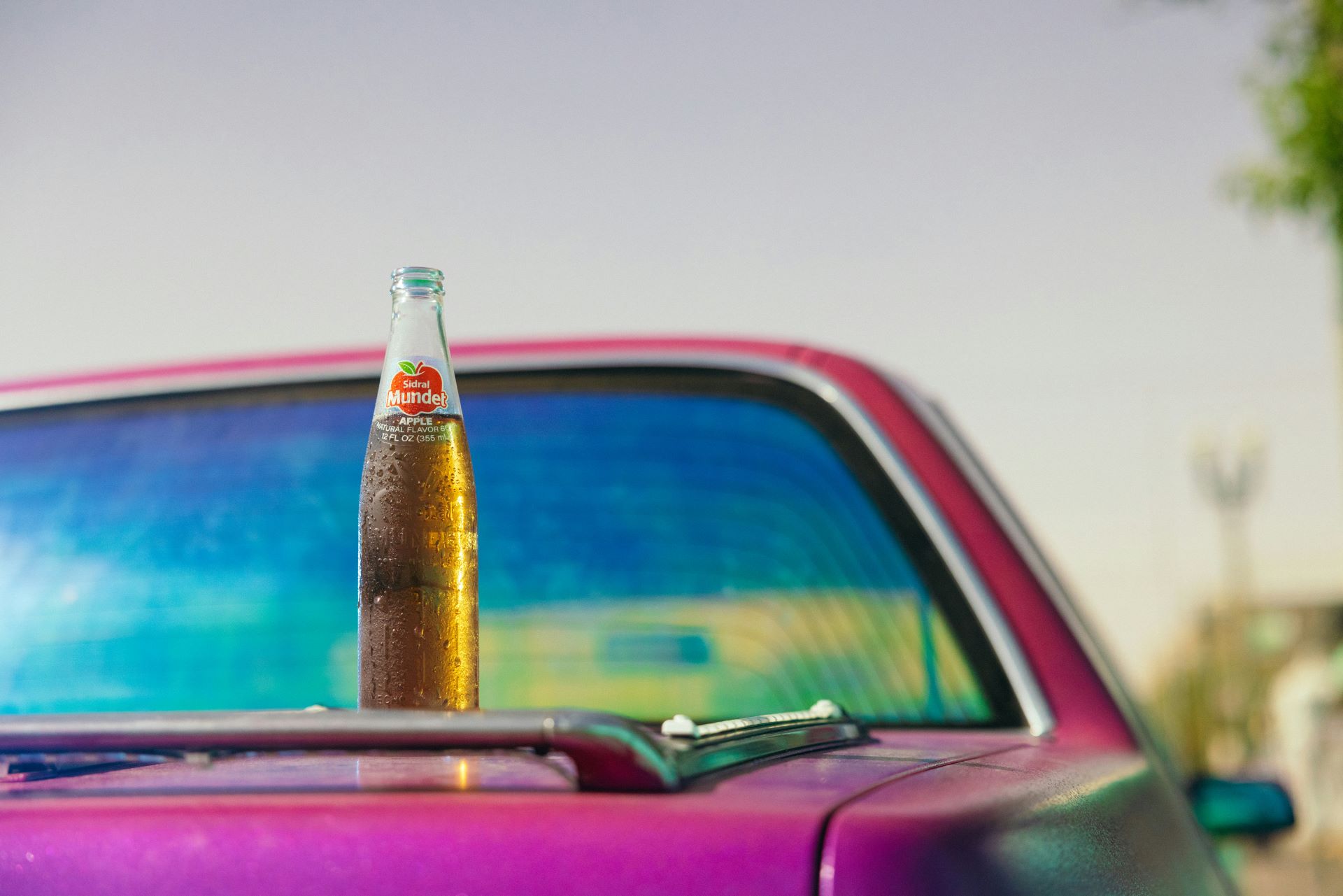
A Symbiotic Relationship: Lifestyle Branding in Motion
The bond between what we consume and what we drive is deeper than it may initially appear. Cars have long been symbols of personal expression, just like the drinks we order or the cuisines we embrace. Automakers understand that food and beverage choices reveal cultural markersÔÇöwhether a preference for artisanal coffee, an iconic global cola brand, or an avant-garde Michelin-star dining experience. By tapping into these preferences, car brands place themselves within broader lifestyle ecosystems.
This symbiotic relationship hinges on more than aesthetics. Food and drink carry emotional weight. They evoke nostalgia, belonging, and sensory memories. When automotive brands align themselves with those emotions, the partnership extends far beyond sponsorshipÔÇöit becomes identity marketing.
The Luxury Segment: Dining with Prestige
Luxury automakers have been the most enthusiastic adopters of food and beverage tie-ins, as their customers already expect a holistic lifestyle brand. For instance, Bentley has collaborated with luxury spirits producers to curate bespoke cocktails served at exclusive driving events. Porsche has leaned into fine dining pop-ups alongside its brand experiences, creating occasions where the precision of German engineering meets the artistry of culinary innovation.
These curated dining experiences are carefully orchestrated. Guests do not simply test-drive a car; they engage in a multisensory journey. The sound of a V8 engine blends with the aroma of truffle-infused dishes. Champagne is poured while conversations about craftsmanship unfold. In this space, the car becomes a centrepiece within a broader expression of taste, refinement, and exclusivity.
By offering not just a product but a taste-driven lifestyle, luxury automakers fortify their positioning among discerning buyers. Dining experiences act as subtle but powerful reminders that purchasing a luxury car is not only about owning a machine but about gaining entry into a cultural club.
Mass-Market Connections: Everyday Icons and Beverage Partnerships
While luxury automakers use food and beverage tie-ins for exclusivity, mass-market brands have discovered the power of partnering with universally recognised beverage companies. From Coca-Cola and Pepsi to Red Bull and Monster Energy, beverage brands provide instant cultural recognition.
Take the example of FordÔÇÖs alignment with Coca-Cola for eco-friendly initiatives, including concept cars showcasing interiors partially produced from Coca-ColaÔÇÖs sustainable materials. Or the way Hyundai and Kia have activated around coffee chains to offer test-drive vouchers redeemable for free drinks. These campaigns link driving to daily rituals, subtly integrating cars into moments that consumers already value.
Beverage tie-ins succeed because they are democratic. A bottle of soda, an energy drink before a late-night drive, or a coffee on the morning commuteÔÇöthese are universal touchpoints. When mass-market automakers connect their vehicles to these moments, they embed themselves seamlessly into consumersÔÇÖ daily rhythms.
Trackside and Beyond: MotorsportÔÇÖs Beverage Culture
No conversation about food and beverage in automotive marketing can ignore motorsport. The history of Formula 1, rallying, and endurance racing is deeply intertwined with iconic beverage sponsors. Red Bull revolutionised the model by transforming from a drinks brand into a fully-fledged racing empire, proving that beverage marketing could not just sponsor but dominate motorsport culture.
Similarly, HeinekenÔÇÖs high-profile presence in Formula 1 demonstrates how beverage brands leverage motorsportÔÇÖs global platform to promote not only products but also messages around responsible consumption. From trackside billboards to immersive fan experiences, beverages have helped motorsport become more approachable, contemporary, and lifestyle-oriented.
For automakers, aligning with beverage brands in motorsport extends beyond logos on race cars. It allows them to enter cultural conversations where audiences already blend speed, excitement, and lifestyle consumption. It transforms sponsorship from a transactional space into one of shared identity.
Cultural Crossover: Cars, Cuisine, and Storytelling
At the heart of these tie-ins is cultural storytelling. Food and cars both occupy rich symbolic roles across societies. Consider the road trip: a uniquely automotive ritual often defined by roadside diners, coffee stops, and shared meals. By tapping into such cultural archetypes, brands weave themselves into consumersÔÇÖ emotional narratives.
Jeep, for example, has leaned into the rugged outdoors by creating partnerships with craft beer breweries and barbecue festivals, reinforcing its positioning as the vehicle of choice for adventurous, food-loving explorers. Meanwhile, Italian brands like Ferrari and Maserati benefit from natural synergies with Italian cuisine and wine culture, often hosting experiences that merge national heritage across both industries.
These cultural crossovers succeed because they are not artificial. They resonate with the lived experiences of consumers. Cars and cuisine both serve as social connectorsÔÇöspaces where people gather, celebrate, and share. Automotive marketers who recognise this overlap gain access to authentic, lifestyle-driven storytelling.
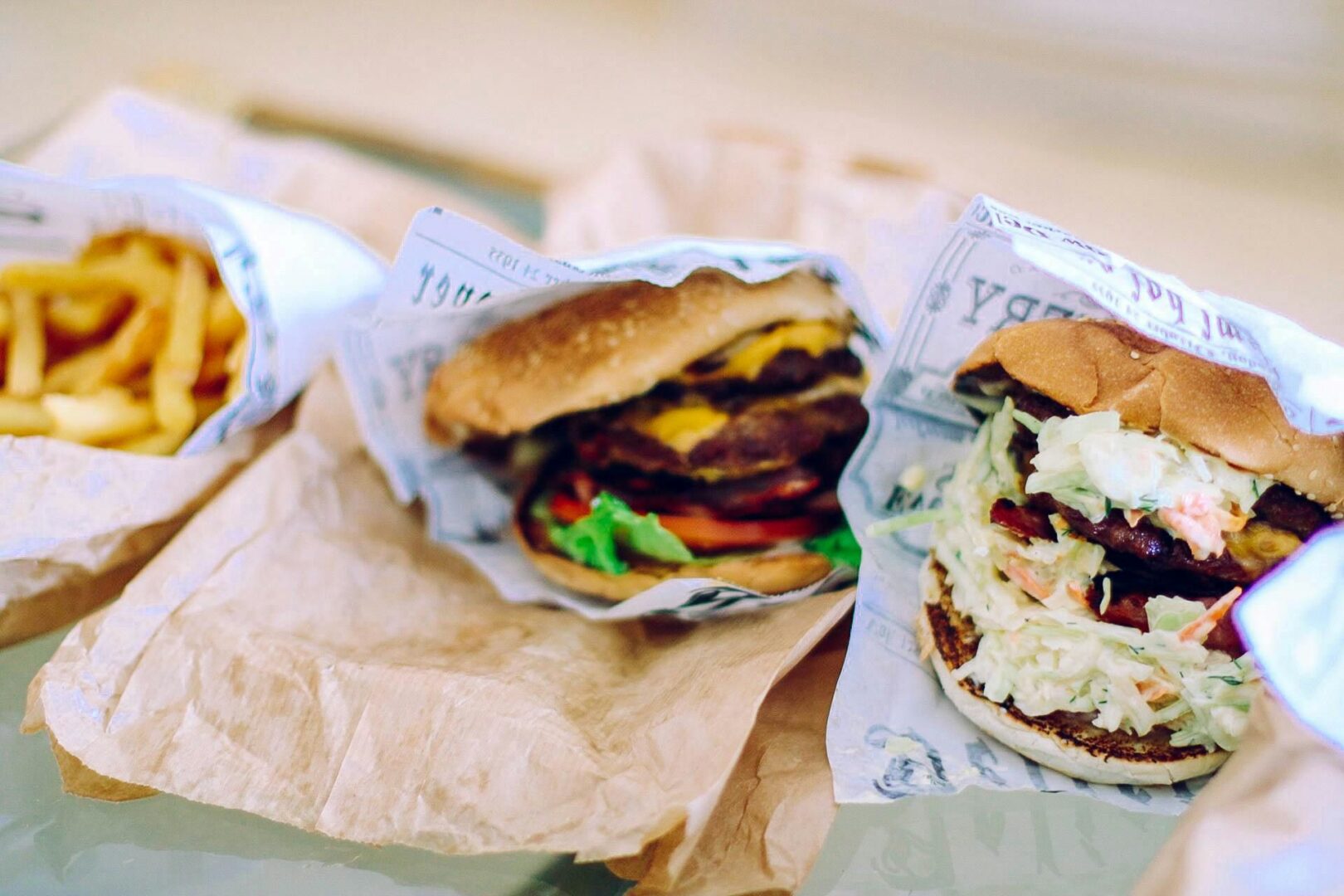
Experiential Marketing: Taste Meets Test Drive
Experiential marketing has been one of the strongest applications of food and beverage tie-ins. Instead of traditional test drives, brands now curate holistic experiences where cars are paired with gourmet meals, craft cocktails, or even immersive culinary workshops. These events create memories far more lasting than a brochure or sales pitch.
Take Lexus, which has worked with celebrity chefs to deliver fine dining events aligned with its pursuit of craftsmanship and precision. Or MINI, which has tapped into urban food culture by staging pop-up events that blend street food with city driving experiences. These activations allow brands to blur the lines between lifestyle, mobility, and gastronomy.
The brilliance of experiential marketing lies in its subtlety. Attendees leave not just having driven a car, but with a lingering sensory memory tied to taste, sound, and atmosphere. That memory often becomes the seed of long-term brand loyalty.
Digital Amplification: Social Media, Influencers, and the Gastronomic Lens
In an era where social media dictates brand exposure, food and beverage tie-ins offer unparalleled visual and shareable content. The Instagrammable cocktail next to a sports car, the gourmet burger paired with a rugged SUV, or the latte art shaped into a brand logoÔÇöthese images fuel digital storytelling in ways that traditional advertising cannot.
Influencer marketing plays a crucial role here. Automotive brands increasingly collaborate with food and lifestyle influencers rather than solely with automotive journalists. This strategy broadens reach, ensuring vehicles are seen not only as transport but as integral to aspirational living. The rise of TikTok further enhances this dynamic, with short-form video content capturing the immediacy of lifestyle tie-ins.
When amplified digitally, these partnerships achieve exponential visibility. They transform from intimate experiences into global brand statements, where every shared post becomes an echo of the original event.
Challenges and Critiques: Authenticity Matters
Despite the many successes, not every food and beverage partnership resonates. Consumers are quick to detect inauthenticity. A luxury car brand aligning with a mass-produced fast-food chain, for instance, risks brand dilution unless the tie-in is carefully curated and contextualised. Similarly, a brandÔÇÖs association with alcohol carries reputational risk, particularly when tied to driving.
This is why successful campaigns are always anchored in alignment. The values of the automaker and the food or beverage partner must harmonise. Both industries trade heavily on emotion and aspiration, and missteps can create jarring inconsistencies. Transparency, consistency, and cultural relevance are therefore essential for these partnerships to succeed.
The Future: Mobility, Wellness, and Sustainable Gastronomy
As the automotive industry shifts toward electric mobility and sustainable practices, food and beverage tie-ins are also evolving. Partnerships are increasingly reflecting themes of health, wellness, and environmental consciousness. For instance, collaborations with plant-based food brands or sustainable coffee producers align neatly with the eco-friendly messaging of electric vehicles.
Looking ahead, the synergy between cars and cuisine may extend into connected mobility services. Imagine ride-hailing EVs that partner with beverage companies to provide branded refreshment experiences, or dealerships offering gourmet farm-to-table caf├®s to reinforce community engagement. These possibilities suggest that the dining table and the driverÔÇÖs seat will continue to converge in surprising ways.
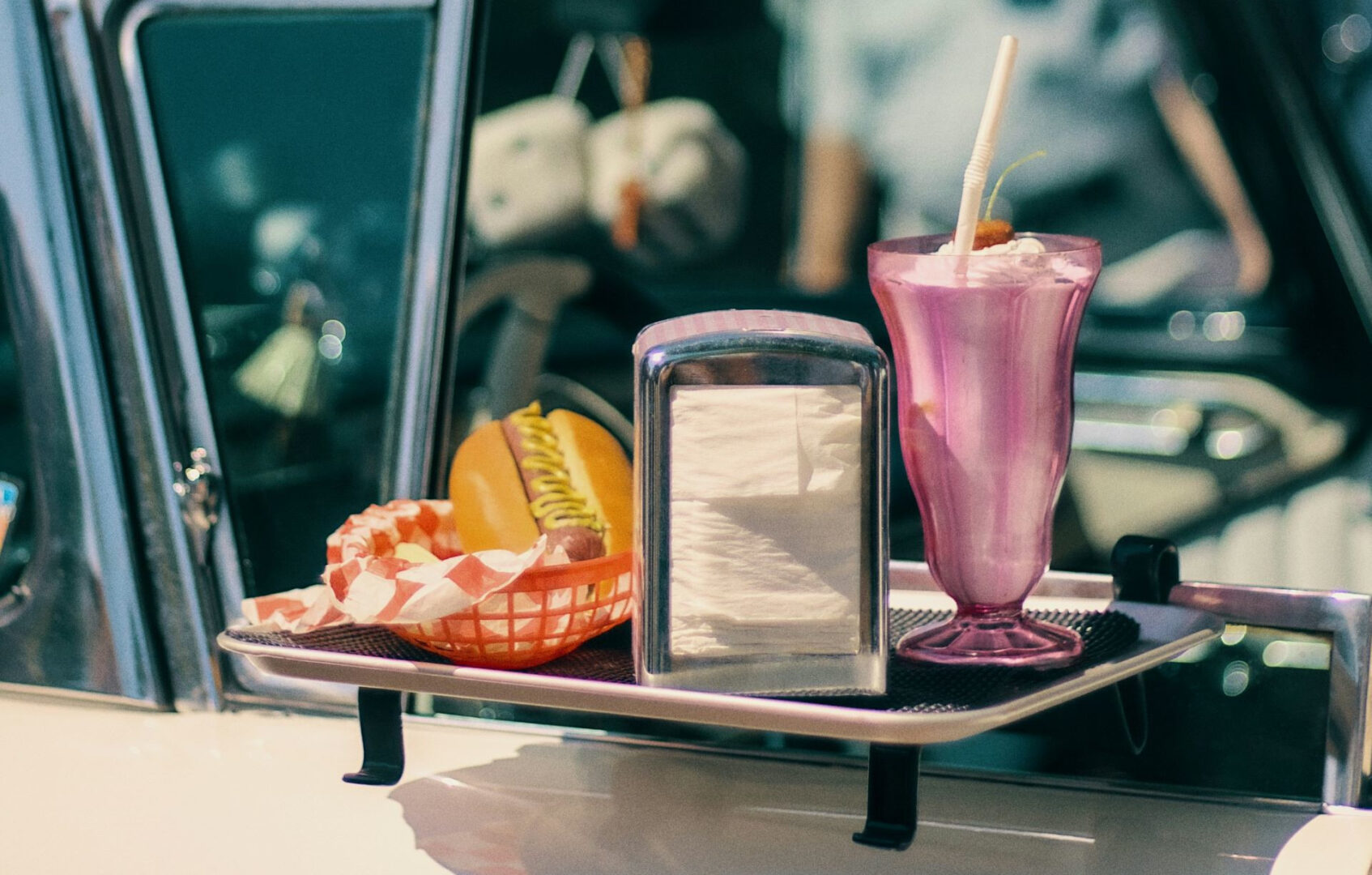
Driving Taste Into the Automotive Experience
Food and beverage tie-ins are not passing fads; they represent a deeper shift in how automotive brands view themselves. Cars are no longer isolated productsÔÇöthey are lifestyle hubs. By aligning with cuisine, drinks, and gastronomic culture, automotive marketers create experiences that are visceral, emotional, and memorable.
The success of these partnerships lies in authenticity, cultural resonance, and the ability to connect across multiple touchpointsÔÇöfrom exclusive fine dining to everyday coffee rituals, from trackside beer branding to Instagrammable cocktails. The overlap between what we drive and what we consume is not trivial; it is a reflection of identity itself.
As automakers navigate an increasingly complex world of digital storytelling, sustainability, and consumer expectations, food and beverage tie-ins offer a palate of opportunities. They prove that the road to loyalty may just be paved with flavour, aroma, and the shared joy of living well.
Breyten Odendaal
Specializing in high-performance automotive advertising and digital marketing solutions, delivering cutting-edge insights and the latest news shaping the automotive industry in South Africa.
More From Advertising
Automotive Advertising in 2026: Selling Confidence in a More Competitive Market
As South Africa’s vehicle market becomes more competitive, automotive advertising needs to do more than announce a price or specification. It needs to help buyers understand value, ownership costs and why a vehicle suits their lives.

Automotive Digital Ads in South Africa: A Shift
Exploring how South Africa’s automotive advertising evolved from print and broadcast to data-driven, programmatic digital ecosystems.

The Video Shift in Car Buying Decisions in SA
Explore how video content shapes car purchase decisions in South Africa, comparing short-form and long-form strategies for automotive marketers.