
Automotive advertising has long leaned on the visualÔÇöshimmering paint jobs, sculpted silhouettes, panoramic backdrops. But lately, another sense has stealthily taken the wheel: touch. Not literal touch, of course, but the suggestion of tactilityÔÇöthe creased leather, the brushed aluminum, the rich grain of open-pore woodÔÇöall carefully curated in visual media to make you feel what you cannot physically touch.
ItÔÇÖs a curious thing. A still image canÔÇÖt purr or glide or rev. And yet, when executed artfully, a single photograph of a gearshift wrapped in Nappa leather can make your fingers twitch. A slow-motion video of tyres gripping a wet road might as well splash droplets across your living room.
Why? Because car advertising today doesnÔÇÖt just sell machines. It sells feelings. And at the intersection of visual storytelling and tactile suggestion lies a whole new form of automotive seduction.
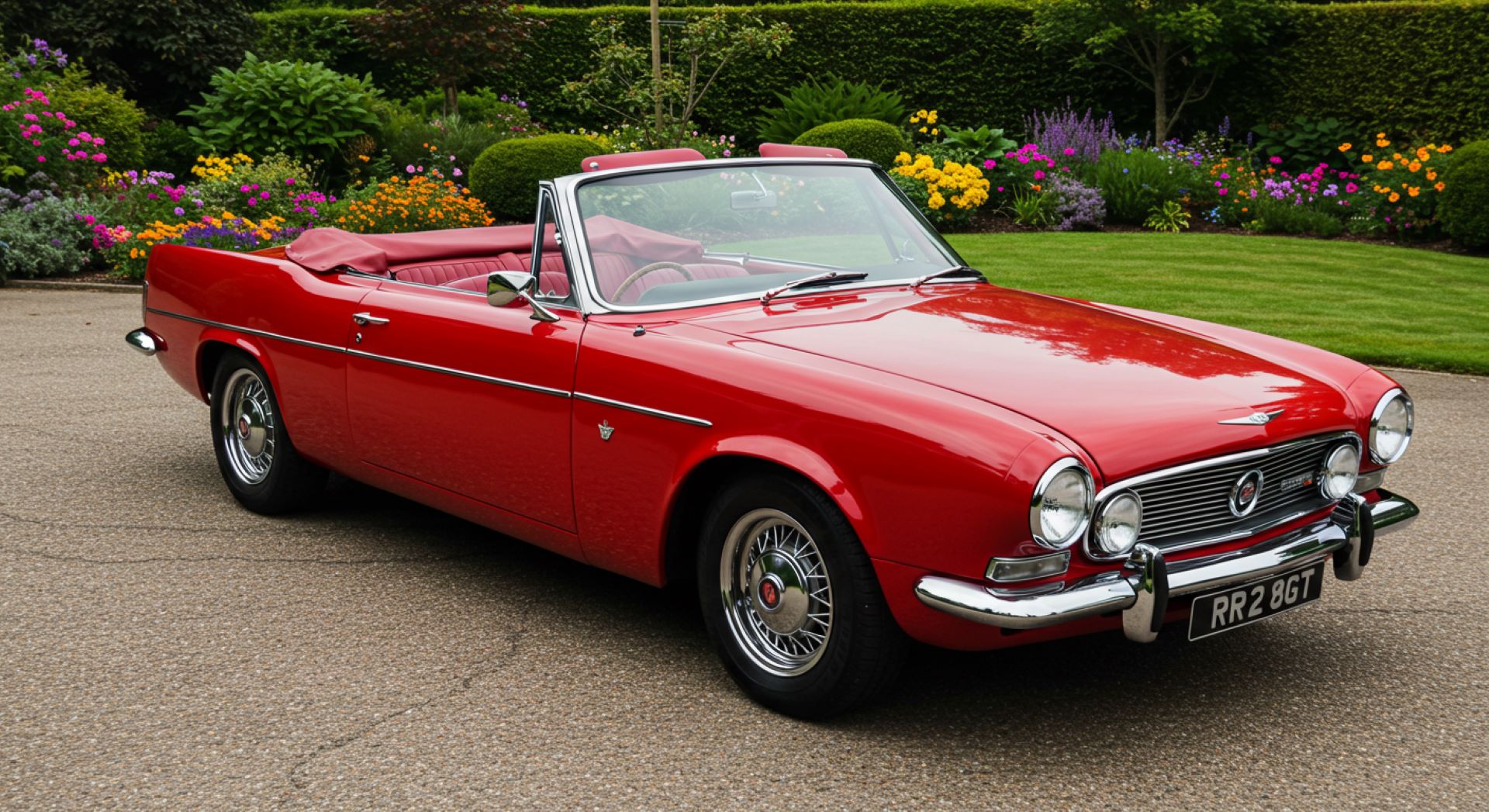
From Horsepower to Skin Feel
In the early decades of car advertising, visuals were aspirational but mechanical. Chrome was king. Speedometers were centrepieces. Cutaways showcased engine internals. It was about performanceÔÇöobjectively quantified and masculine-coded.
Then came the pivot.
By the 1990s, a different kind of horsepower galloped into the frame: emotion. Lifestyle branding emerged, with visuals that whispered, ÔÇ£This is how youÔÇÖll feel behind the wheel,ÔÇØ rather than shouting, ÔÇ£This is how fast youÔÇÖll go.ÔÇØ
But emotion, especially in static media, is slippery. You canÔÇÖt photograph ambition. You canÔÇÖt light confidence. What you can do is photograph texture. That tactile suggestionÔÇöstitched seams, sun-dappled dashboards, rain-washed windowsÔÇödoes the heavy lifting. It implies comfort, craftsmanship, confidence.
It turns out, what your fingers imagine can be just as persuasive as what your eyes actually see.
The Rise of Texture as a Visual Language
In the digital era, where most car ads are first encountered via screen rather than showroom, the role of texture has grown even more crucial. Pixels are poor surrogates for physical sensation, so the art direction must compensate.
Look at AudiÔÇÖs ÔÇ£Feel ProgressÔÇØ campaigns. Notice the focus on materials: the haptic dial with its satisfying knurling, the suede-soft seats basking in morning light, the metal-flecked paint glinting like molten obsidian. YouÔÇÖre not just seeing the car. YouÔÇÖre feeling itÔÇömentally tracing the contours of the steering wheel, sensing the weight of the door handle.
Luxury brands in particular have leaned into this. For Bentley, Rolls-Royce, or Lexus, tactility isnÔÇÖt a side noteÔÇöitÔÇÖs the headline. And in visual storytelling, texture is how luxury is often most believably conveyed.
The Science of Suggestion
Psychologists and neuroscientists have a name for this phenomenon: crossmodal perception. Our senses donÔÇÖt operate in silosÔÇöthey influence each other. Seeing certain visual cues can trigger associations with texture, temperature, even weight.
In advertising, this is known as haptic imagery. And while you may not consciously think about it, your brain is doing the math behind the scenes.
Studies show that images with implied texture can increase perceived value, trust, and product desirability. In automotive contexts, this means that close-up shots of stitching, grip patterns, or material contrast can significantly boost a viewerÔÇÖs connection with the vehicleÔÇöeven in the absence of sound or motion.
In fact, a 2021 study from the University of MichiganÔÇÖs Human Perception Lab found that viewers presented with highly textured automotive interior imagery rated vehicles as ÔÇ£more premiumÔÇØ and ÔÇ£better builtÔÇØ than those shown the same interiors with flatter lighting and fewer tactile cues.
Our eyes, it seems, are suckers for skin-deep impressions.
Show, DonÔÇÖt Just Go
ItÔÇÖs tempting to assume that texture only matters when showcasing interiors. But exterior shots have just as much at stake.
Consider how paint finishes are represented. Gloss, matte, satin, metallic, ceramic-infusedÔÇöthe terminology alone reads like a wine list. Each finish offers not just a colour but a feel. And in advertising, this is crucial. The way light interacts with those surfaces can make the difference between a car looking ÔÇ£fastÔÇØ versus ÔÇ£fluid,ÔÇØ ÔÇ£elegantÔÇØ versus ÔÇ£intimidating.ÔÇØ
Think of BMWÔÇÖs Frozen paint finishes. The visual language used to sell themÔÇödusty roads, desert light, warm shadowsÔÇöevokes a tactile response. You donÔÇÖt just see the paint. You feel its softness, its resistance, its fragility.
Likewise, tyre shots on rugged SUVs are never just round and black. TheyÔÇÖre photographed with dust in the treads, mud on the flanks, sometimes even a pebble lodged in the grooves. Why? Because these details suggest grip. Not just physical, but emotional grip. The car doesnÔÇÖt just performÔÇöit connects, it anchors, it responds.
Digital Detailing in a Virtual Age
As CGI and AI-generated imagery increasingly enter the automotive ad space, tactility faces a new challenge: how to feel real when nothing is real?
Manufacturers now release hyper-realistic renders of upcoming models, often months before a physical prototype exists. These visuals must not only communicate design language but also material promiseÔÇöa kind of synthetic touchability.
To do this, texture becomes paramount. Photorealistic detailÔÇöhow light diffuses across leather grain, how stitching casts microscopic shadows, how brushed metal handles reflect ambient huesÔÇösaves these images from the uncanny valley.
Even in fully virtual experiences like VR showrooms or metaverse test drives, texture remains a critical concern. If your hand canÔÇÖt actually grasp the wheel, then your eyes must be convinced that it could.
When Tactility Becomes Storytelling
Great automotive advertising doesn't just show a car; it tells a story. And texture often plays the role of supporting character.
Think of the infamous Volvo XC90 ad campaign titled Made by Sweden. In one scene, a manÔÇÖs hand brushes against the leather strap of his childÔÇÖs satchel as he closes the boot. Another shot lingers on the carÔÇÖs interior door pullÔÇöa loop of stitched material, unpretentious yet luxurious.
These micro-moments carry immense weight. The satchel isn't just a prop; it's a cue for family, routine, safety. The door pull isnÔÇÖt just designÔÇöitÔÇÖs a moment of contact, a whisper of quality. Together, they create a textured narrative, one where the car becomes part of the human fabric.
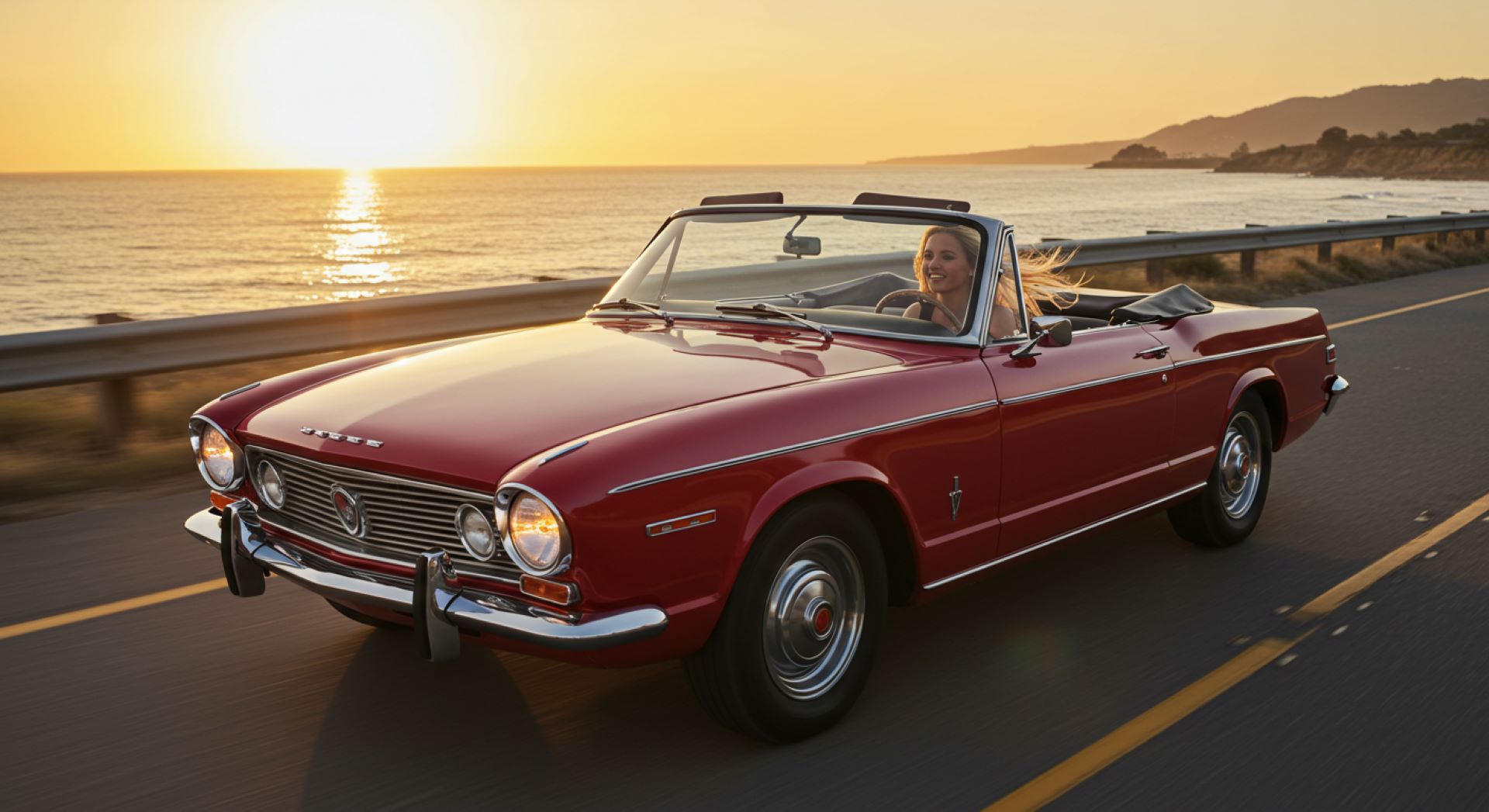
Texture as Identity
For certain brands, tactility is more than aestheticsÔÇöitÔÇÖs identity.
Land RoverÔÇÖs recent Defender campaigns showcase vehicles dusted in desert, slicked in sleet, or etched with trail scratches. The texture here isnÔÇÖt refinedÔÇöitÔÇÖs rugged. It's the grit in the gears, the patina of purpose.
Meanwhile, MazdaÔÇÖs ÔÇ£KodoÔÇØ design language hinges on light and surface interplay. In press shots, youÔÇÖll often find reflections racing across panels, suggesting motion and tension. The cars are posed as though mid-breath, the way a cat might tense before pouncing. ItÔÇÖs tactile dynamismÔÇösuggesting responsiveness through visual tension.
Porsche, on the other hand, uses texture to convey precision. The knurling on a drive selector, the symmetrical weave of carbon fibre, the disciplined grain of AlcantaraÔÇöall serve the brandÔÇÖs ÔÇ£form follows functionÔÇØ philosophy. ThereÔÇÖs no velvet for velvetÔÇÖs sake; every surface implies performance.
PhotographyÔÇÖs Role in Tactile Persuasion
Behind every image that makes you want to reach through the screen is a photographer obsessing over f-stops, light falloff, and glass choice.
Automotive photographers often use macro lenses and shallow depth-of-field techniques to isolate tactile elements. A handbrake is not just a handbrakeÔÇöitÔÇÖs a topographic study of leather, thread, and form. Lighting rigs are tuned to emphasise surface gradations and avoid flattening the materials.
Post-production also plays a vital role. Retouchers enhance grain structure, deepen shadow contrast, and even simulate subsurface scattering on translucent materials (like glass or taillights). ItÔÇÖs sculpture by pixels.
The South African Sensibility
In the South African market, where terrain, weather, and culture intersect in unique ways, tactile storytelling is particularly resonant.
Bakkies arenÔÇÖt just trucksÔÇötheyÔÇÖre workmates, family transporters, off-road explorers. So advertising here leans heavily on texture: gritty boots on rubber mats, muddy wheel wells, hands gripping coarse-finished grab handles.
Luxury buyers, on the other hand, gravitate toward aesthetic tactility. Campaigns for brands like Jaguar or Mercedes-Benz in local publications often showcase opulence through contrastsÔÇöglossy veneers paired with soft leathers, perforated textures offset by ambient lighting.
South African campaigns understand something global markets sometimes miss: tactile storytelling is also about environment. Whether itÔÇÖs the softness of a car seat under African sun, or the crunch of gravel under tyres on a Karoo trail, texture localises the story.
The Future is Touchable
As automotive advertising moves into the next frontierÔÇöAR, 3D billboards, AI-generated assetsÔÇötactility will remain a vital tool. Perhaps more than ever, in fact.
In a world where we canÔÇÖt test-drive every car or feel every surface before buying, the images must do it for us. They must simulate sensation. And to do that, they must whisper through texture what canÔÇÖt be shouted through specs.
As haptic feedback becomes more embedded in our devicesÔÇöthink of phone screens that simulate click pressure or game controllers that mimic resistanceÔÇöwe may eventually see visual ads merge with actual touch simulation. A car brochure that lets you feel the grain of the leather? Not so far-fetched.
Until then, great visual storytellers will keep turning pixels into surfaces, and images into touchpoints.
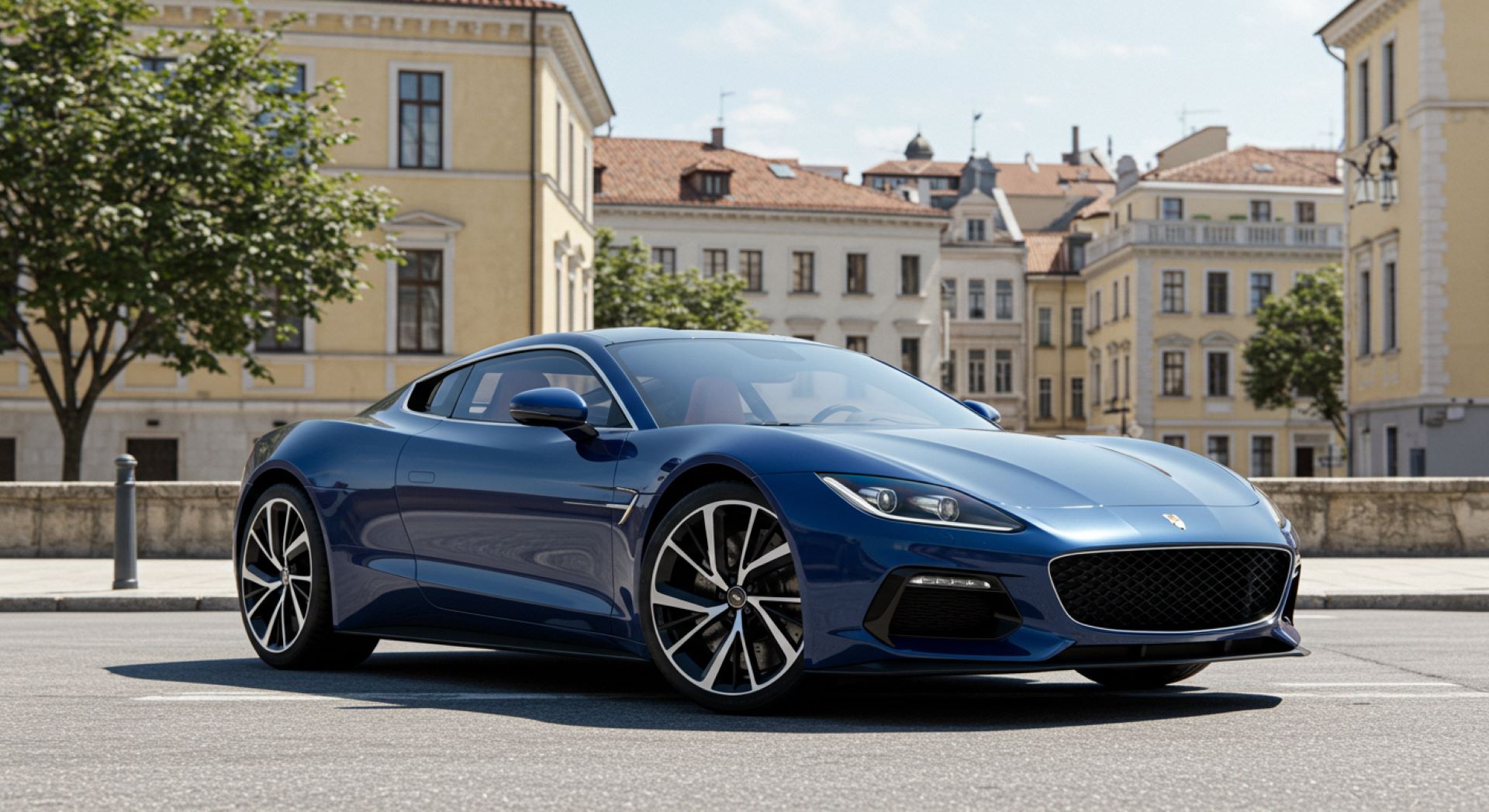
Touch Wins the Test Drive
Car lovers are a tactile bunch. We run our hands over fenders. We knock on dashboards. We judge a car not just by how it looks, but by how it feels. The click of a button. The grip of a shifter. The yield of a suspension component over rough ground.
Car advertising, at its best, taps into this obsession with the physical. It translates sensation into sight. It uses texture not just to decorateÔÇöbut to communicate.
So the next time you see a close-up of perforated leather, a glinting badge, or a perfectly imperfect smear of mud on a tailgate, remember: theyÔÇÖre not just there to impress your eyes. TheyÔÇÖre there to seduce your skin.
Breyten Odendaal
Specializing in high-performance automotive advertising and digital marketing solutions, delivering cutting-edge insights and the latest news shaping the automotive industry in South Africa.
More From Advertising

Automotive Advertising in 2026: Selling Confidence in a More Competitive Market
As South Africa’s vehicle market becomes more competitive, automotive advertising needs to do more than announce a price or specification. It needs to help buyers understand value, ownership costs and why a vehicle suits their lives.

Automotive Digital Ads in South Africa: A Shift
Exploring how South Africa’s automotive advertising evolved from print and broadcast to data-driven, programmatic digital ecosystems.

The Video Shift in Car Buying Decisions in SA
Explore how video content shapes car purchase decisions in South Africa, comparing short-form and long-form strategies for automotive marketers.