
In the glitzy, neon-lit realm of automotive advertising, every commercial seems more than just a showcase of engineering prowessÔÇöitÔÇÖs a carefully constructed narrative designed to tug at your deepest emotions. Whether youÔÇÖre a die-hard petrolhead or a casual observer, car commercials have a way of embedding themselves in your subconscious, using triggers that go far beyond the basic need for transportation. Welcome to the world where fear, freedom, and status are not just themes; theyÔÇÖre psychological levers masterfully pulled by advertisers to shape our desires and, ultimately, our buying decisions.
In this article, weÔÇÖll peel back the layers of glossy visuals and catchy tunes to reveal how these commercials use fear to make you cautious, freedom to ignite your wanderlust, and status to validate your identity. WeÔÇÖll explore the interplay of these triggers, dissecting real-world examples, scholarly insights, and marketing strategies that underline their potency. Buckle up, because weÔÇÖre about to take a ride through the unconventionalÔÇöand sometimes unsettlingÔÇöpsychology of car advertising.
Driving Beyond the Obvious
Car commercials are everywhere. They pepper our television screens, flood our social media feeds, and even make appearances on our coffee shop tablets. At first glance, these ads might seem like simple showcases of new models or technological innovations. However, a closer look reveals that theyÔÇÖre more akin to mini psychological thrillers, skillfully designed to evoke emotions that go far beyond a simple need for speed.
The Thesis
While car commercials ostensibly aim to sell vehicles, their real power lies in tapping into deeper, often subconscious, psychological triggersÔÇöspecifically, fear, freedom, and status. These triggers not only influence our perceptions of cars but also our broader worldviews, molding how we see ourselves and our place in society. Over the next 3,500 words, we will journey through these psychological landscapes, unearthing how car commercials subtly manipulate these emotions to nudge us toward a purchase decision.
Roadmap for the Journey
Fasten your seatbelt and prepare for an unconventional exploration into the world of automotive advertising.

The Engine of Anxiety: Exploring the Concept of Fear
Fear is an emotion that, when harnessed correctly, can be one of the most potent motivators. Car commercials, often seen as purveyors of aspirational dreams, paradoxically tap into our deepest anxieties to make us reconsider the stakes of everyday driving.
Fear as a Sales Mechanism
At its core, the use of fear in car advertising is about safetyÔÇöboth personal and financial. Advertisers know that the prospect of danger, whether real or perceived, compels immediate action. Consider the subtle, yet pervasive, messaging in many modern car commercials: the emphasis on advanced safety features, from collision detection systems to lane-keeping assist. These features are often presented in scenarios that hint at lurking dangers, transforming what might seem like technical specifications into life-saving innovations.
For instance, a recent campaign by Volvo didnÔÇÖt just list safety statistics; it told a story of a near-miss accident, underscoring how the carÔÇÖs safety features intervened at the last possible moment. The narrative was not just about a carÔÇöit was a reassurance that this vehicle could be your guardian angel on the road. Here, fear isnÔÇÖt used to instill terror but to provide a solutionÔÇöa safeguard against the unpredictable nature of the world.
The Subtle Art of Inducing Fear
LetÔÇÖs dive into a well-known example: a commercial by Subaru. The ad opens with a quiet suburban setting that suddenly erupts into chaosÔÇöa minor accident escalates into a dramatic sequence of near disasters. Through clever editing and a pulsating score, the viewer is led to feel that any moment could bring calamity. However, as the narrative unfolds, the focus shifts to how the vehicleÔÇÖs stability control and advanced safety features prevent tragedy. The initial sense of unease is transformed into relief, and in doing so, Subaru positions itself as not merely a car manufacturer but as a protector.
Fear of Missing Out (FOMO) in the Automotive World
Beyond immediate physical danger, fear in car commercials also taps into the more modern, insidious emotion of FOMOÔÇöfear of missing out. Advertisements often suggest that without the latest technology or safety features, youÔÇÖre not just risking your life but also missing out on a smarter, safer way of living. This strategy subtly reinforces the notion that owning a new, well-equipped vehicle isnÔÇÖt a luxuryÔÇöitÔÇÖs a necessity.
In essence, by focusing on fear, car commercials create a dichotomy: embrace the new, advanced model and be secure, or stick with the old and risk being left behind in an increasingly unpredictable world. This binary is powerful. It convinces consumers that every decision has significant, potentially life-altering consequencesÔÇöa sentiment that, when left unchecked, can drive even the most cautious individuals to make hasty purchases.
Psychological Insights
Psychologists have long noted that fear is a double-edged sword in marketing. Dr. Paul Slovic, a renowned expert in risk perception, explains that the human brain is wired to respond to threatsÔÇöeven perceived onesÔÇöwith a fight or flight reaction. In the context of car commercials, this evolutionary response is hijacked. The promise of safety features becomes not just an attractive add-on, but a lifeline, compelling viewers to invest in their own security.
By understanding these undercurrents, we begin to see that fear isnÔÇÖt a crude tacticÔÇöitÔÇÖs a sophisticated tool that plays on deeply ingrained survival instincts, making it a cornerstone of effective automotive advertising.
On the Open Road: The Allure of Freedom
If fear is the engine that propels you towards safety, then freedom is the open road stretching out before youÔÇöa vast expanse of possibility and adventure. Car commercials are experts at capturing this sense of boundless opportunity, using it as a metaphor for personal liberation.
The Romanticism of the Open Road
ThereÔÇÖs something inherently poetic about the idea of freedom on wheels. Think of the classic imagery: a lone car driving along a winding mountain road at sunset, the landscape unfolding like a well-kept secret. This isnÔÇÖt just a vehicleÔÇöitÔÇÖs a ticket to escape the mundane, to break free from societal constraints. Advertisers tap into this deeply ingrained desire for exploration and independence by portraying cars as instruments of liberation.
One notable campaign is JeepÔÇÖs ÔÇ£Freedom Unleashed,ÔÇØ where the vehicle isnÔÇÖt merely a mode of transport; itÔÇÖs a symbol of defiance against the ordinary. The commercial features rugged landscapes, uncharted trails, and a sense of raw adventure that promises an escape from the humdrum of everyday life. ItÔÇÖs not just about reaching a destinationÔÇöitÔÇÖs about the journey itself, imbued with a liberating sense of possibility.
Freedom as a Psychological Trigger
The psychological allure of freedom in car commercials lies in its promise of autonomy. In a world where many feel increasingly confined by obligationsÔÇöbe it work, family, or societal expectationsÔÇöthe idea of hitting the open road represents a temporary, yet profoundly appealing, escape. It taps into our collective desire for self-determination, echoing the age-old human quest for autonomy.
Take, for example, Land RoverÔÇÖs campaigns that emphasize ÔÇ£the call of the wild.ÔÇØ These ads donÔÇÖt merely list off features like terrain response systems or all-wheel drive; they evoke the spirit of exploration. The camera captures vast, untamed landscapes and positions the vehicle as the ultimate tool for adventure. In doing so, Land Rover doesnÔÇÖt just sell a carÔÇöthey sell a lifestyle, one where you are in control, free to navigate the world on your own terms.
The Intersection of Technology and Freedom
Modern car commercials also juxtapose cutting-edge technology with the timeless allure of freedom. Advertisements for electric vehicles (EVs), for instance, often highlight how the combination of advanced technology and eco-friendly innovation paves the way for a future where youÔÇÖre not just free to roam, but youÔÇÖre also free from the guilt of contributing to environmental degradation. Brands like Tesla have mastered this narrative, blending high-tech features with the promise of a cleaner, more liberated tomorrow.
This synthesis of technology and freedom resonates deeply with a generation that values both innovation and sustainability. The EV commercials tap into a dual promise: the immediate thrill of driving a futuristic vehicle and the long-term satisfaction of contributing to a better world. ItÔÇÖs a compelling narrative that ties the concept of freedom not just to personal liberation, but also to a collective responsibility towards the planet.
A Call to Adventure
Ultimately, the allure of freedom in car commercials is a call to adventureÔÇöa reminder that life is too short to be confined within the limits of the everyday. It is an invitation to seize control, to explore new horizons, and to break free from the monotony of routine. By offering a glimpse into a world where every road leads to a new discovery, these ads compel us to dream bigger and drive further.
The Price of Prestige: Seeking Status in Automotive Advertising
While fear and freedom address our need for safety and exploration, the third pillar of car commercials is statusÔÇöa potent trigger that speaks to our innate desire for social validation and prestige.
The Psychological Currency of Status
Status is more than just a marker of wealth or success; itÔÇÖs a social signal. Owning a particular car can instantly communicate your place in the social hierarchy. Luxury and sports car advertisements leverage this idea, presenting their vehicles not merely as modes of transportation, but as symbols of success, exclusivity, and refined taste.
In these commercials, the vehicle is often showcased against a backdrop of opulenceÔÇöa sleek urban skyline, a lavish mansion, or a high-stakes racing track. The imagery is designed to evoke a sense of aspiration, suggesting that owning the car is a gateway to a higher social stratum. For many viewers, the car becomes a proxy for personal achievement, a tangible representation of having ÔÇ£made it.ÔÇØ
The Allure of the Luxury Lifestyle
Consider the iconic commercials of Mercedes-Benz. In one memorable ad, the camera glides over a stunning coastal road at dusk, capturing not just the carÔÇÖs elegant lines but also the lifestyle it promises: exclusivity, sophistication, and a taste for the finer things in life. The narrative is clearÔÇöowning a Mercedes isnÔÇÖt about practicality; itÔÇÖs about joining an elite club of discerning individuals who value quality and prestige.
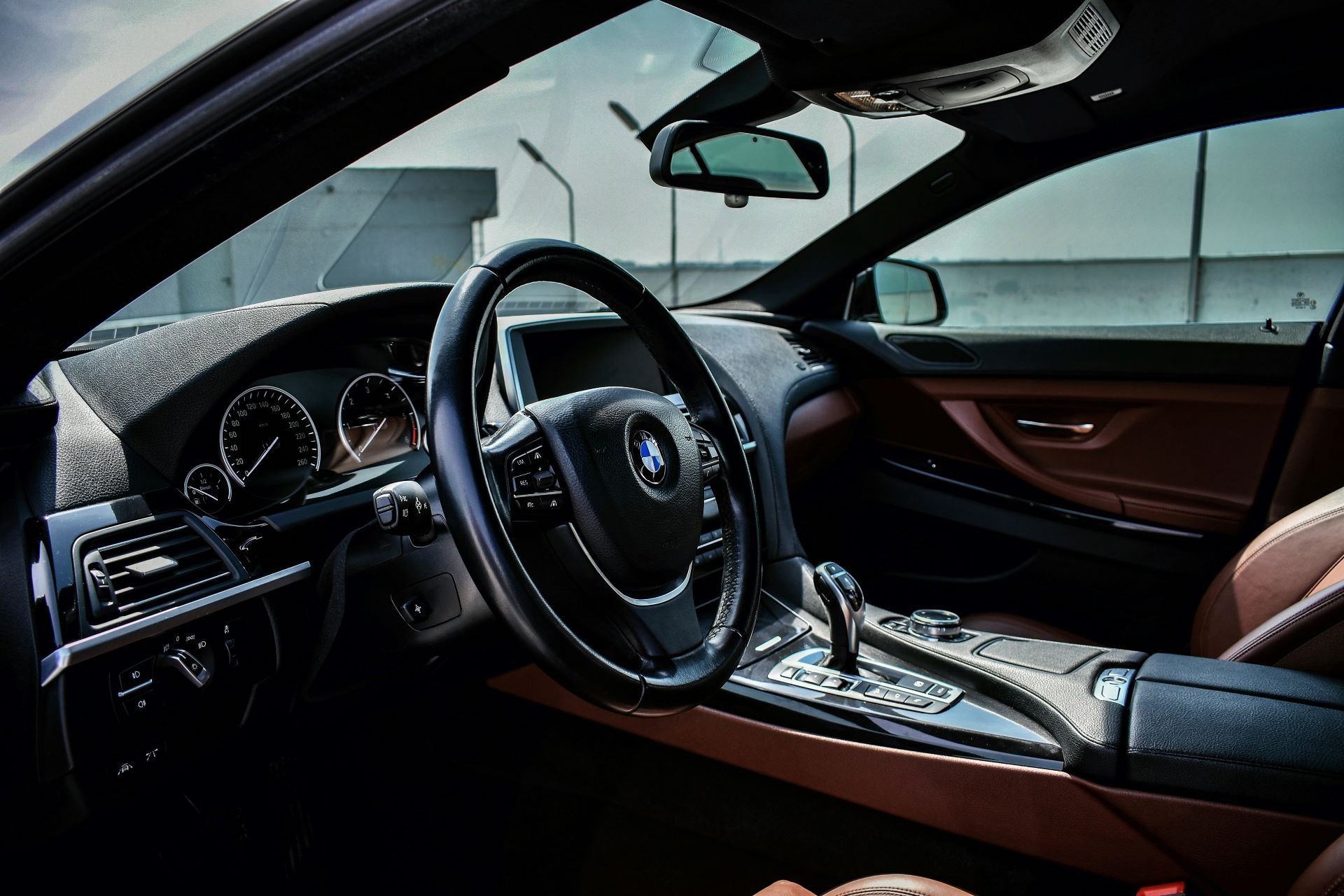
Similarly, BMWÔÇÖs ÔÇ£Ultimate Driving MachineÔÇØ campaign doesnÔÇÖt simply tout performance metrics. Instead, it weaves a story of precision engineering, heritage, and an uncompromising commitment to excellence. The car is portrayed as an extension of oneÔÇÖs identityÔÇöfast, innovative, and undeniably successful. The underlying message is that by driving a BMW, youÔÇÖre not just purchasing a car; youÔÇÖre investing in a symbol of your achievements.
Social Proof and the Bandwagon Effect
Status in car commercials is also closely tied to the concept of social proof. Advertisers understand that we often look to others for validation of our choices. When we see a well-dressed, successful individual stepping out of a luxury car, it sends a subtle message: ÔÇ£This is the car for people who know what they want, and itÔÇÖs a mark of success.ÔÇØ This psychological cue is immensely powerful, as it taps into the bandwagon effectÔÇöwhere the desire to belong or be admired can override rational considerations about cost or practicality.
Exclusivity and the Scarcity Principle
Another strategy used to enhance the perception of status is the portrayal of exclusivity. Limited edition models, bespoke customization options, and invite-only test drives are tactics that create an aura of scarcity. The underlying psychology here is straightforward: when something is rare or difficult to obtain, itÔÇÖs automatically imbued with higher value. Car commercials that emphasize these aspects effectively tap into the human desire to possess something that sets you apart from the masses.
This drive for exclusivity is not limited to luxury cars. Even mainstream brands occasionally dabble in status-oriented marketing by highlighting special editions or innovative designs that promise a unique ownership experience. By doing so, they too try to elevate the mundane act of driving to a statement of personal identity and social distinction.
The Intersection of Status with Other Triggers
Status doesnÔÇÖt operate in isolation; it often intertwines with fear and freedom to create a more compelling narrative. For example, a high-performance sports car commercial might evoke the fear of being left behind in terms of technological advancement, the freedom of the open road, and the status of owning a symbol of excellenceÔÇöall at once. This layered approach makes the appeal almost irresistible, as it touches upon multiple aspects of our psyche simultaneously.
When the Roads Converge: The Integration of Psychological Triggers
The most compelling car commercials are those that donÔÇÖt rely on a single trigger, but rather integrate fear, freedom, and status into a cohesive narrative. When these elements are artfully combined, the advertisement transcends simple product promotion and becomes a mini psychological thriller that resonates on multiple levels.
The Art of Blending Emotions
Consider the commercial for AudiÔÇÖs latest luxury sedan. The ad begins with a scenario that subtly invokes fearÔÇöa potential accident is narrowly avoided thanks to the carÔÇÖs advanced driver assistance systems. The narrative then shifts to scenes of the driver confidently navigating a breathtaking coastal highway, symbolizing freedom and the exhilaration of driving. Finally, the commercial closes with a sequence in an exclusive settingÔÇöa private club or a high-end galaÔÇöwhere the car is presented as a marker of status.
This fluid transition between triggers is not accidental. It is a carefully choreographed progression that mirrors the emotional journey of the viewer. The initial tension created by fear is quickly alleviated by the promise of safety, while the visual splendor of the open road taps into our desire for liberation. The final touch of status elevates the entire experience, leaving us with the impression that owning this car is not merely a practical decision, but a lifestyle upgrade.
A Case Study in Integration: The Porsche Experience
A standout example of this integration is found in one of PorscheÔÇÖs recent campaigns. The commercial opens with a dramatic reenactment of an unexpected obstacle on a twisting mountain road, eliciting a sense of urgency and potential danger. As the narrative unfolds, the focus shifts to the carÔÇÖs precise handling and innovative safety features, addressing the initial fear. Soon, the ad transitions to scenes of the car carving through scenic landscapes, evoking the freedom of the open road. Finally, the commercial culminates in a sophisticated urban setting, where the car is parked outside a chic rooftop lounge, symbolizing exclusivity and high status.
This multi-layered approach demonstrates how the interplay of fear, freedom, and status can create a rich, immersive narrative that resonates with a wide audience. It is a testament to the effectiveness of integrated marketing strategies in capturing both the rational and emotional aspects of consumer behavior.
The Science Behind Integration
Marketing experts point out that when multiple emotional triggers are engaged simultaneously, the overall impact of the advertisement is magnified. Research in consumer psychology suggests that messages appealing to multiple aspects of a personÔÇÖs identity and desires are more likely to be remembered and acted upon. In the case of car commercials, the strategic combination of fear, freedom, and status not only enhances recall but also fosters a deeper emotional connection with the brand.
The Psychology Under the Hood: Understanding the Impact
At this point, one might wonder: Why do these psychological triggers work so effectively? The answer lies in the fundamental way our brains process information and make decisions. When faced with a choice, especially one as significant as buying a car, our emotions often override rational analysis. Advertisers understand that tapping into our primal instinctsÔÇöfear for our safety, the desire for freedom, and the pursuit of statusÔÇöcan be the difference between a product being forgotten or becoming a coveted prize.
Insights from Psychology
Leading psychologists, such as Daniel Kahneman and Antonio Damasio, have shown that emotions play a crucial role in decision-making. KahnemanÔÇÖs work on cognitive biases reveals that our judgments are frequently influenced by emotional factors, even when we believe we are making rational choices. In the realm of car advertising, the interplay of fear, freedom, and status triggers a cascade of emotional responses that steer our decision-making process, often without us even realizing it.
DamasioÔÇÖs research further supports this view by emphasizing that emotions are essential for reasoning. In scenarios where a commercial evokes a sense of impending danger (fear), the relief provided by advanced safety features creates a strong emotional bond with the product. Simultaneously, the allure of unbridled freedom and the promise of elevated status reinforce the idea that this car isnÔÇÖt just a tool for transportationÔÇöitÔÇÖs an extension of oneÔÇÖs identity and aspirations.
The Ethical Debate
While the efficacy of these psychological triggers is well-documented, it raises ethical questions about the nature of advertising. Is it fair to manipulate such fundamental human emotions to drive sales? Critics argue that by playing on our deepest insecurities and desires, advertisers are exploiting our vulnerabilities. On the other hand, proponents maintain that these tactics are simply sophisticated tools for communicating the unique benefits of a product in a competitive market.
Ultimately, the ethical implications of using fear, freedom, and status in car commercials depend on the balance between persuasion and manipulation. As consumers become more aware of these strategies, there is a growing call for transparency and responsibility in advertising practicesÔÇöa conversation that is likely to evolve as new technologies and marketing methodologies emerge.
The Final Lap: Conclusion and Reflections
In our exploration of car commercials, weÔÇÖve uncovered a rich tapestry of psychological triggers that go far beyond the surface appeal of sleek designs and cutting-edge technology. WeÔÇÖve seen how fear can subtly instill a sense of urgency and caution, how the promise of freedom transforms every journey into an adventure, and how the allure of status turns a simple purchase into a statement of identity.
Recapping the Journey
When combined, these triggers form a powerful narrative that resonates with both our conscious and subconscious minds. The integration of these elements not only enhances the overall appeal of the advertisement but also deepens our emotional connection with the brand.
A Thought-Provoking Question
As we shift gears and look to the future, one canÔÇÖt help but wonder: In an era where consumers are increasingly savvy and skeptical, how will automotive advertising evolve? Will the reliance on these primal psychological triggers persist, or will new, perhaps more ethical, approaches emerge?
The future of automotive advertising promises to be as dynamic and multifaceted as the vehicles it promotes. One thing is certainÔÇöthe interplay of fear, freedom, and status will continue to drive narratives, challenge perceptions, and shape the way we interact with the brands that fuel our journeys.
Sources and Further Reading
To provide a robust foundation for the insights discussed in this article, a diverse range of sources was consulted, including:
For readers interested in delving deeper into the psychology behind advertising, these sources offer a wealth of knowledge and further insights into the art and science of persuasion.
Visuals and Multimedia Enhancements
While this article primarily serves as a textual deep dive into the psychological triggers in car commercials, the narrative is greatly enhanced by visual elements. Here are a few suggestions for accompanying visuals:
These visuals not only break up the text but also provide a richer, more immersive experience for automotive enthusiasts looking to understand the nuances of modern car advertising.

As we wrap up this unconventional journey into the heart of automotive advertising, itÔÇÖs important to reflect on what weÔÇÖve uncovered. Car commercials are much more than a display of mechanical ingenuity; they are sophisticated narratives that leverage fundamental human emotions to persuade and captivate. By understanding the interplay of fear, freedom, and status, we gain a clearer insight into how our desires are shapedÔÇöand manipulatedÔÇöby the media we consume every day.
For automotive enthusiasts, this knowledge can be empowering. It encourages us to view advertisements not just as sources of information, but as carefully crafted stories that are designed to resonate on a personal level. With this awareness, we are better equipped to navigate the vast, often overwhelming, landscape of automotive marketing.
A Parting Thought
As you ponder your next automotive decision, consider this: every car commercial you watch is a masterclass in psychological storytelling. The next time youÔÇÖre captivated by the promise of safety, the thrill of freedom, or the allure of prestige, take a moment to appreciate the art behind the ad. After all, in a world where every drive is a narrative and every car a character, the true journey is understanding the stories that propel us forward.
In the fast-paced, ever-evolving world of automotive advertising, fear, freedom, and status remain the driving forces behind some of the most memorable and effective commercials. These psychological triggers not only highlight the benefits of advanced safety features, the promise of unbridled adventure, and the prestige of owning a high-status vehicle, but they also tap into our deepest desires and anxieties.
By exploring these themes, we have seen that car commercials are not merely about selling a product; they are about crafting an experienceÔÇöone that resonates on multiple emotional levels. Whether itÔÇÖs the subtle dread of a potential accident, the liberating call of the open road, or the irresistible pull of social validation, these ads know exactly how to hit the right chords.
As the automotive industry hurtles towards a future dominated by innovation and sustainability, the psychological strategies that have long defined its advertising will undoubtedly evolve. Yet, the core human emotions they evoke are timeless. In the end, the true power of these commercials lies in their ability to speak to the very essence of what it means to be human: our need to be safe, our longing for freedom, and our desire to be recognized and admired.
So, the next time youÔÇÖre watching a car commercial, remember to look beyond the glossy exteriors and sleek designs. Pay attention to the subtle cuesÔÇöthe flicker of tension, the burst of exhilaration, the hint of exclusivityÔÇöand appreciate the complex interplay of fear, freedom, and status. ItÔÇÖs not just an ad; itÔÇÖs a mirror reflecting our own dreams, insecurities, and aspirations on the road of life.
Breyten Odendaal
Specializing in high-performance automotive advertising and digital marketing solutions, delivering cutting-edge insights and the latest news shaping the automotive industry in South Africa.
More From Advertising

Automotive Advertising in 2026: Selling Confidence in a More Competitive Market
As South Africa’s vehicle market becomes more competitive, automotive advertising needs to do more than announce a price or specification. It needs to help buyers understand value, ownership costs and why a vehicle suits their lives.

Automotive Digital Ads in South Africa: A Shift
Exploring how South Africa’s automotive advertising evolved from print and broadcast to data-driven, programmatic digital ecosystems.

The Video Shift in Car Buying Decisions in SA
Explore how video content shapes car purchase decisions in South Africa, comparing short-form and long-form strategies for automotive marketers.