
Formula 1 (F1) is the pinnacle of motorsport, where cutting-edge technology, high-speed competition, and global entertainment converge. More than just a racing series, F1 is a proving ground for innovation, pushing the limits of automotive performance. The sport's global reach, intense competition, and technological advancements make it a prime platform for high-performance car brands to showcase their engineering prowess and gain brand exposure.
One of the most powerful strategies that automakers leverage in F1 is sponsorship. By aligning with successful racing teams, automotive brands not only gain visibility but also tap into the advanced research and development (R&D) taking place within the sport. Over the years, F1 sponsorships have evolved from simple branding opportunities to full-fledged technical partnerships, influencing both racing cars and consumer vehicles. This article explores how F1 sponsorships have become an indispensable tool for high-performance car brands, examining their historical significance, technological benefits, marketing advantages, challenges, and future prospects.
The History of F1 Sponsorships
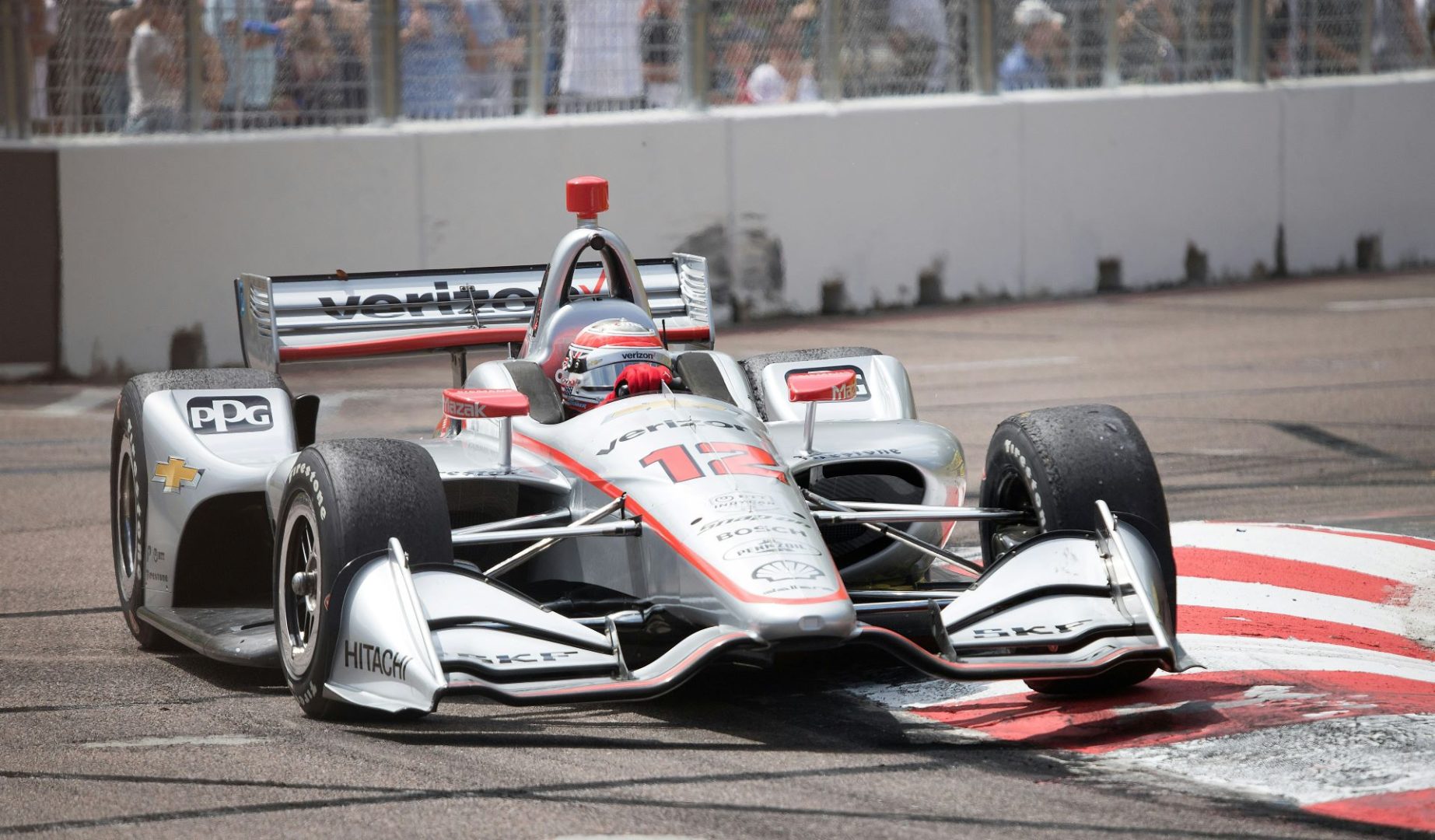
Since the inception of F1 in 1950, sponsorships have played a pivotal role in shaping the sport. Initially, teams were financed by manufacturers or private entrants, but the commercialization of F1 saw an influx of corporate sponsorships in the 1960s. The Lotus team, led by Colin Chapman, revolutionized the sport in 1968 by introducing the first fully branded livery with Gold Leaf sponsorship. This move set a precedent, leading to a surge in sponsorship deals across the grid.
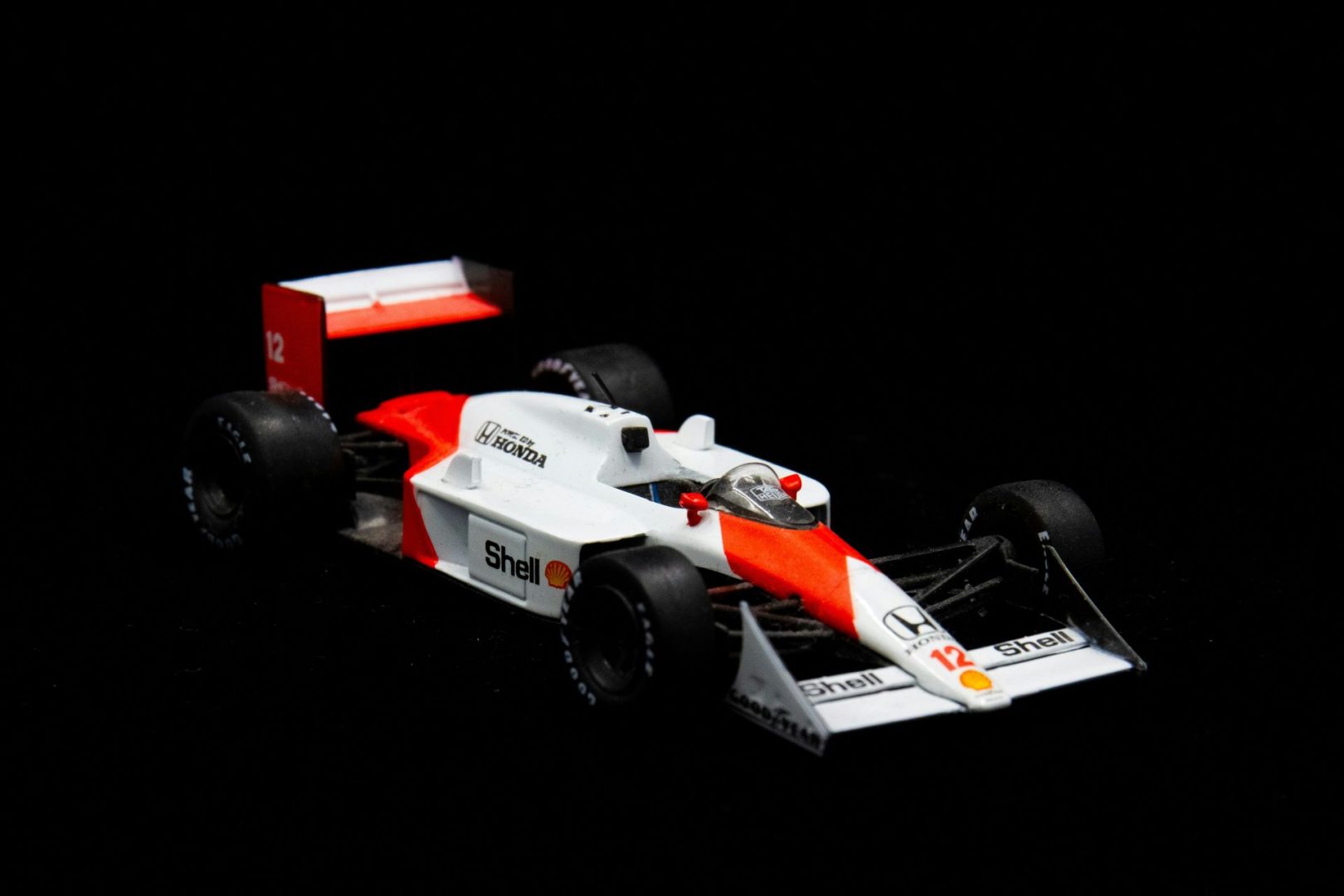
Throughout the decades, automotive brands such as Ferrari, Mercedes-Benz, McLaren, and Renault have forged deep connections with F1. Some, like Ferrari, have seamlessly integrated racing into their brand identity, while others, like Mercedes-AMG, used F1 as a launching pad for their modern dominance in road cars. The partnership between McLaren and Honda in the 1980s and 1990s remains one of the most iconic collaborations, showcasing how F1 sponsorships can shape an automakerÔÇÖs reputation.
Technological Advancements and R&D
F1 sponsorships offer more than just marketing exposure; they serve as catalysts for technological innovation. Many of the advancements pioneered in F1 have trickled down into road-going performance vehicles, demonstrating the tangible benefits of these partnerships.
Key innovations transferred from F1 to consumer vehicles include:
Brands such as Mercedes-AMG and Ferrari have directly benefited from their F1 involvement by incorporating race-derived technology into their performance lineups. The AMG One hypercar, for instance, integrates an actual F1 power unit into a road-legal vehicle, illustrating the close synergy between F1 and automotive engineering.
Brand Visibility and Market Reach
F1 provides a unique global platform, reaching an audience of over 1.5 billion viewers annually. For high-performance car brands, the visibility gained through F1 sponsorships translates to enhanced brand recognition and consumer engagement.
Challenges of F1 Sponsorships
Despite the benefits, F1 sponsorships come with inherent risks and challenges:
Case Studies of Successful Sponsorships
Several high-performance car brands have leveraged F1 sponsorships to achieve remarkable success:
The Future of F1 Sponsorships
Looking ahead, the landscape of F1 sponsorships is evolving. With sustainability and electrification taking center stage, brands will need to align their sponsorships with emerging technologies.
F1 sponsorships have proven to be a powerful tool for high-performance car brands, offering unparalleled visibility, technological advancement, and marketing influence. Despite the financial and strategic challenges, the benefits often outweigh the risks, making F1 an invaluable asset for automotive companies looking to push boundaries. As the industry moves toward electrification and sustainability, the role of F1 sponsorships will continue to evolve, shaping the future of automotive innovation and brand positioning in an ever-competitive market.
Breyten Odendaal
Specializing in high-performance automotive advertising and digital marketing solutions, delivering cutting-edge insights and the latest news shaping the automotive industry in South Africa.
More From Advertising

Automotive Advertising in 2026: Selling Confidence in a More Competitive Market
As South Africa’s vehicle market becomes more competitive, automotive advertising needs to do more than announce a price or specification. It needs to help buyers understand value, ownership costs and why a vehicle suits their lives.

Automotive Digital Ads in South Africa: A Shift
Exploring how South Africa’s automotive advertising evolved from print and broadcast to data-driven, programmatic digital ecosystems.

The Video Shift in Car Buying Decisions in SA
Explore how video content shapes car purchase decisions in South Africa, comparing short-form and long-form strategies for automotive marketers.