
The Evolution of Automotive Experience
The traditional car purchase journey has long been linear: a consumer researches, visits a dealership, sits behind the wheel, and decides whether to buy. In the modern automotive landscape, however, this linearity has been disrupted. TodayÔÇÖs consumer demands more than just specifications on a brochure; they seek experiences, emotions, and stories that connect them to a brand. Experiential test drivesÔÇöranging from adrenaline-charged track days to immersive virtual reality sessionsÔÇörepresent the cutting edge of this evolution.
Automakers now understand that the decision to buy a vehicle is influenced not only by performance metrics and price points but by the consumerÔÇÖs perception of the lifestyle a car represents. From TeslaÔÇÖs minimalist, tech-forward experience to PorscheÔÇÖs adrenaline-pumping track days, brands are leveraging every tool available to immerse potential buyers in the ethos of their vehicles.
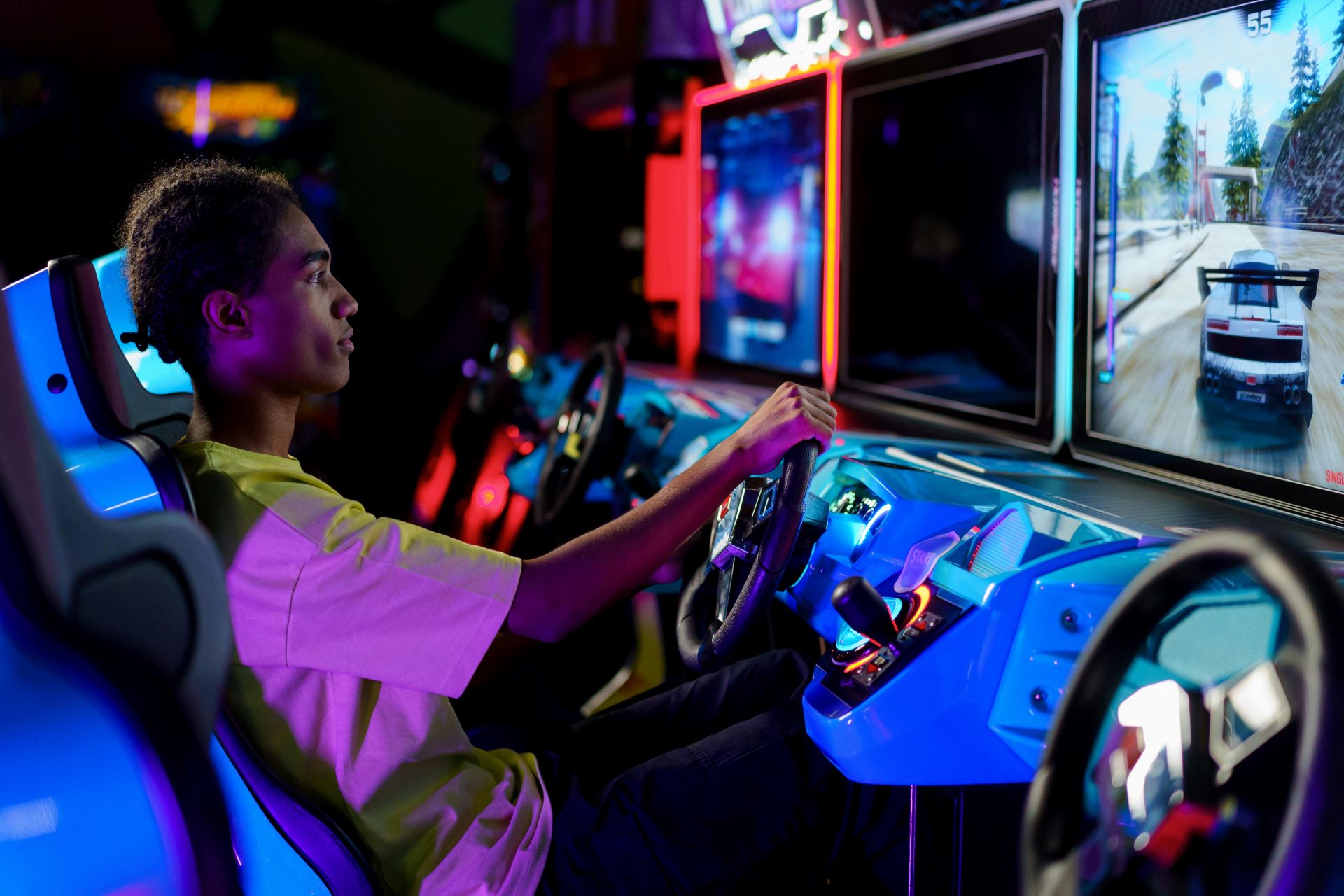
Track Days: Adrenaline as a Selling Point
For decades, track days have been the ultimate test of a carÔÇÖs capabilities. They offer potential customers a controlled environment to push vehicles to their limits. However, these events are no longer purely functional; they are meticulously designed marketing instruments.
Brands curate these experiences to be more than just driving sessions. They are lifestyle showcases, blending high-octane thrills with hospitality, media coverage, and social media engagement. Attendees might navigate a 911 through the twisties of a professional circuit, only to be whisked into a VIP lounge featuring the latest merchandise and refreshments. Every corner of the track day is engineered to convey the brandÔÇÖs personalityÔÇöfrom the aggressive engineering of a performance SUV to the elegant precision of a luxury sedan.
Automakers increasingly recognize that track days extend far beyond the participants. The shareability of these experiences on platforms like Instagram, TikTok, and YouTube amplifies brand reach exponentially. User-generated content becomes a powerful, authentic endorsement, transforming attendees into digital brand ambassadors.
Virtual Reality: Immersive Engagement in a Digital Age
While track days deliver visceral thrills, they are limited by geography and resources. Virtual reality (VR) addresses this limitation by offering scalable, immersive experiences that can reach anyone, anywhere. Automotive VR allows consumers to explore vehicles in hyper-realistic digital environments, simulating the tactile and visual sensations of being inside a car without the constraints of a physical showroom.
Luxury brands, in particular, have embraced VR for high-stakes launches and configurators. Potential buyers can virtually slide into the driverÔÇÖs seat, test interior finishes, and even simulate driving scenarios on renowned circuits. Unlike traditional brochures or online videos, VR fosters emotional engagement, enabling users to envision themselves behind the wheel and anticipate the feeling of acceleration, steering feedback, and cabin ambiance.
Moreover, VR experiences can be gamified. Brands integrate performance challenges, scenic road trips, or even futuristic simulations that allow users to explore vehicle capabilities beyond real-world limitations. By merging entertainment with marketing, automakers can create a narrative that resonates on a personal level, nurturing a sense of ownership long before the consumer signs any paperwork.
Augmented Reality: Personalization Meets Participation
Complementing VR, augmented reality (AR) takes experiential marketing a step further by merging the digital with the physical. Through AR apps or in-store displays, consumers can customize vehicles in real time, visualizing paint colors, trim levels, wheel options, and interior configurations in their immediate environment.
AR transforms passive browsing into interactive participation. Instead of imagining how a car might look on their driveway, buyers see it projected in their actual space. This tangible connection reduces uncertainty, fosters confidence, and accelerates decision-making. Furthermore, AR can be leveraged for social media engagement, allowing users to share personalized vehicles online, effectively crowdsourcing marketing content and extending brand reach organically.
Some manufacturers have pushed AR integration even further, enabling collaborative customization. For instance, family members can interact with the same virtual vehicle simultaneously, testing configurations and features. This social dimension positions car buying as a shared experience, reinforcing emotional investment and, ultimately, brand loyalty.
Adventure Drives: Experiential Storytelling Beyond the Track
While track days focus on performance and VR/AR emphasize customization, adventure drives cater to lifestyle branding. Automakers now orchestrate off-road excursions, coastal cruises, or mountain escapades to demonstrate versatility, durability, and comfort. These experiences allow consumers to encounter vehicles in conditions that align with aspirational narratives: the rugged SUV scaling cliffs, the luxury sedan gliding along scenic coastal roads, or the electric crossover navigating urban landscapes with effortless precision.
Adventure drives are particularly effective when designed with storytelling in mind. Brands often create scenarios with clear narratives, such as ÔÇ£the weekend getawayÔÇØ or ÔÇ£family expedition,ÔÇØ emphasizing how the vehicle seamlessly integrates into the consumerÔÇÖs life. Marketing content captured during these experiencesÔÇöprofessional photography, drone footage, and attendee-generated social media postsÔÇöserves as authentic proof points that bridge the gap between aspiration and reality.
The social media component is critical. Adventure drives are inherently shareable, and brands encourage participants to post videos and photos using branded hashtags. This approach transforms marketing from a one-way broadcast into a collaborative, participatory event, where consumers become part of the brandÔÇÖs story.

Experiential Marketing as an Ecosystem
Individually, track days, VR/AR experiences, and adventure drives are compelling. Together, they form a holistic experiential ecosystem that engages customers at multiple touchpoints. Some automakers have begun integrating these experiences, allowing a consumer to virtually configure a car at home, then attend a real-world adventure drive, and later access VR simulations of more extreme scenarios.
This layered approach maximizes brand impact. It addresses diverse consumer preferencesÔÇösome respond to adrenaline-fueled experiences, others to digital engagement, and many to lifestyle storytellingÔÇöwhile maintaining a consistent narrative that positions the brand as innovative, aspirational, and customer-centric.
Moreover, this ecosystem approach allows for continuous engagement. Rather than ending at the point of purchase, brands can create ongoing experiences: VR upgrades to showcase new features, AR apps for seasonal customization, or exclusive adventure events for owners. This strategy fosters long-term loyalty and converts consumers into lifelong advocates.
Metrics and Measurement: Beyond Likes and Shares
Effective experiential marketing relies on more than creativity; it requires rigorous measurement. Brands increasingly track engagement across multiple channels to assess impact. Metrics include participation rates, content shareability, dwell time in virtual environments, and conversion rates from test drive to purchase.
Data collected during these experiences can also inform product development. Insights into consumer preferencesÔÇöinterior finishes, performance features, or driving conditionsÔÇöcan guide engineering decisions, ensuring that vehicles resonate with their intended audience. In this sense, experiential test drives are not only marketing tools but also research instruments that close the feedback loop between consumer desires and product offerings.
Challenges and Considerations
Despite their effectiveness, experiential test drives come with challenges. Track days and adventure drives are resource-intensive, requiring careful planning, logistics, and safety protocols. VR and AR implementations demand investment in technology, software, and content creation. Additionally, brands must navigate accessibility concerns, ensuring that experiences are inclusive and scalable.
Yet, these challenges are offset by the strategic advantages. Immersive experiences generate emotional resonance, build social proof, and position brands as innovators. In an era of saturated advertising and fleeting digital attention, experiences that are memorable, shareable, and personalized cut through the noise.
The Future of Experiential Test Drives
Looking ahead, experiential automotive marketing will continue to evolve alongside technological advancements and consumer expectations. Artificial intelligence may enhance VR and AR experiences, creating adaptive simulations tailored to individual preferences. Mixed-reality setups could blend physical test drives with interactive overlays, offering real-time performance metrics, navigation insights, or even gamified challenges.
Sustainability will also play a role. Electric vehicle brands are leveraging experiential drives to highlight energy efficiency, battery range, and regenerative technologies in real-world contexts. These experiences educate consumers while reinforcing brand values, bridging the gap between performance and responsibility.
Moreover, the boundary between online and offline experiences will increasingly blur. Hybrid strategiesÔÇöwhere social media content, VR/AR exploration, and physical adventures convergeÔÇöwill dominate. Consumers will expect seamless transitions between digital engagement and tactile experiences, and brands that can deliver will cultivate stronger connections, loyalty, and advocacy.
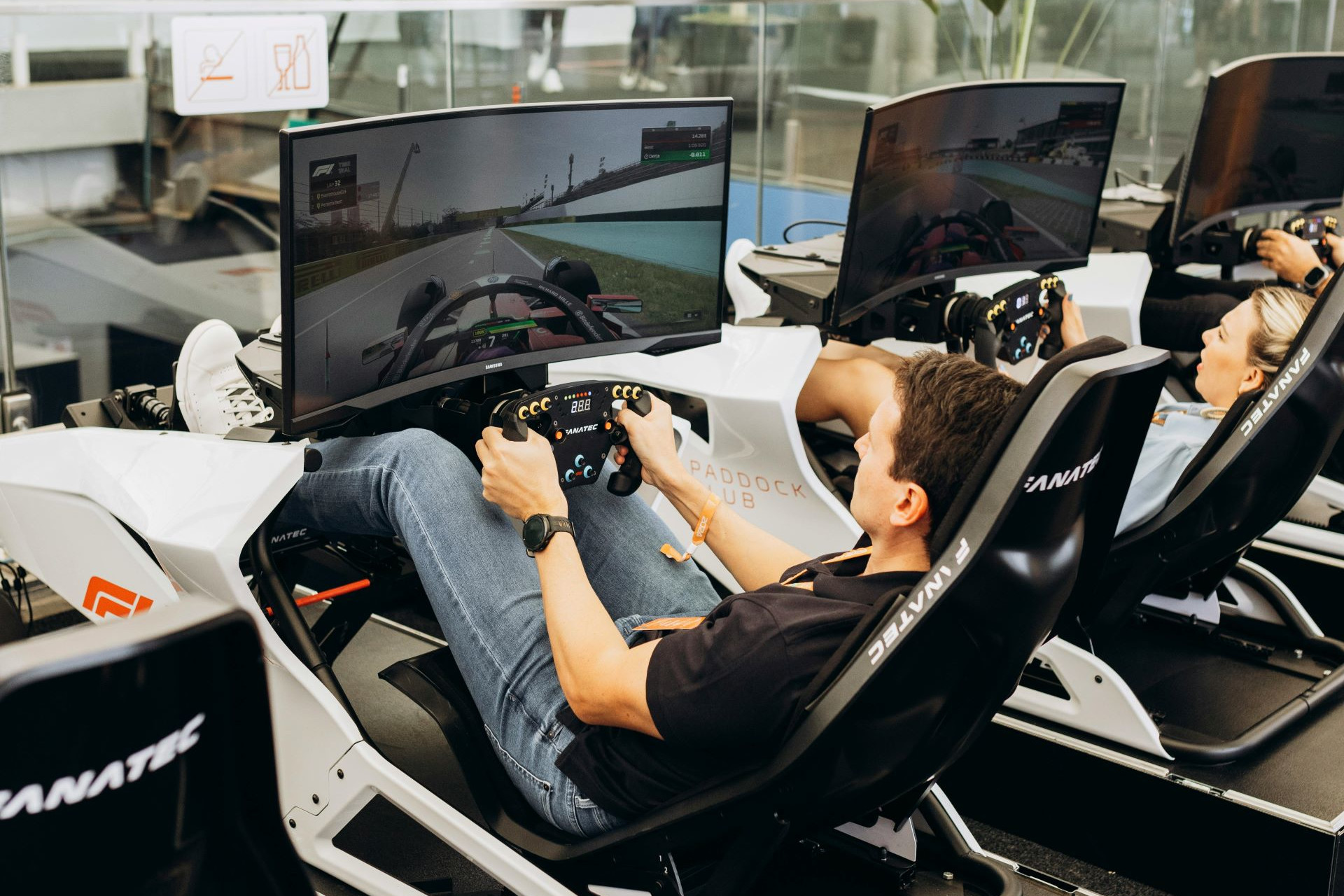
Beyond the Drive
Experiential test drives are more than marketing gimmicks; they are the embodiment of modern automotive storytelling. They transform the act of car shopping into a multi-sensory journey, merging technology, adventure, and social participation. From the thrill of a track day to the limitless potential of virtual reality, these experiences allow consumers to live the brand before they own it.
As automotive marketing evolves, the brands that master experiential engagement will not only sell vehiclesÔÇöthey will sell dreams, lifestyles, and identities. The road ahead is immersive, interactive, and undeniably exciting, and the most successful automakers are already driving at full speed.
Breyten Odendaal
Specializing in high-performance automotive advertising and digital marketing solutions, delivering cutting-edge insights and the latest news shaping the automotive industry in South Africa.
More From Advertising
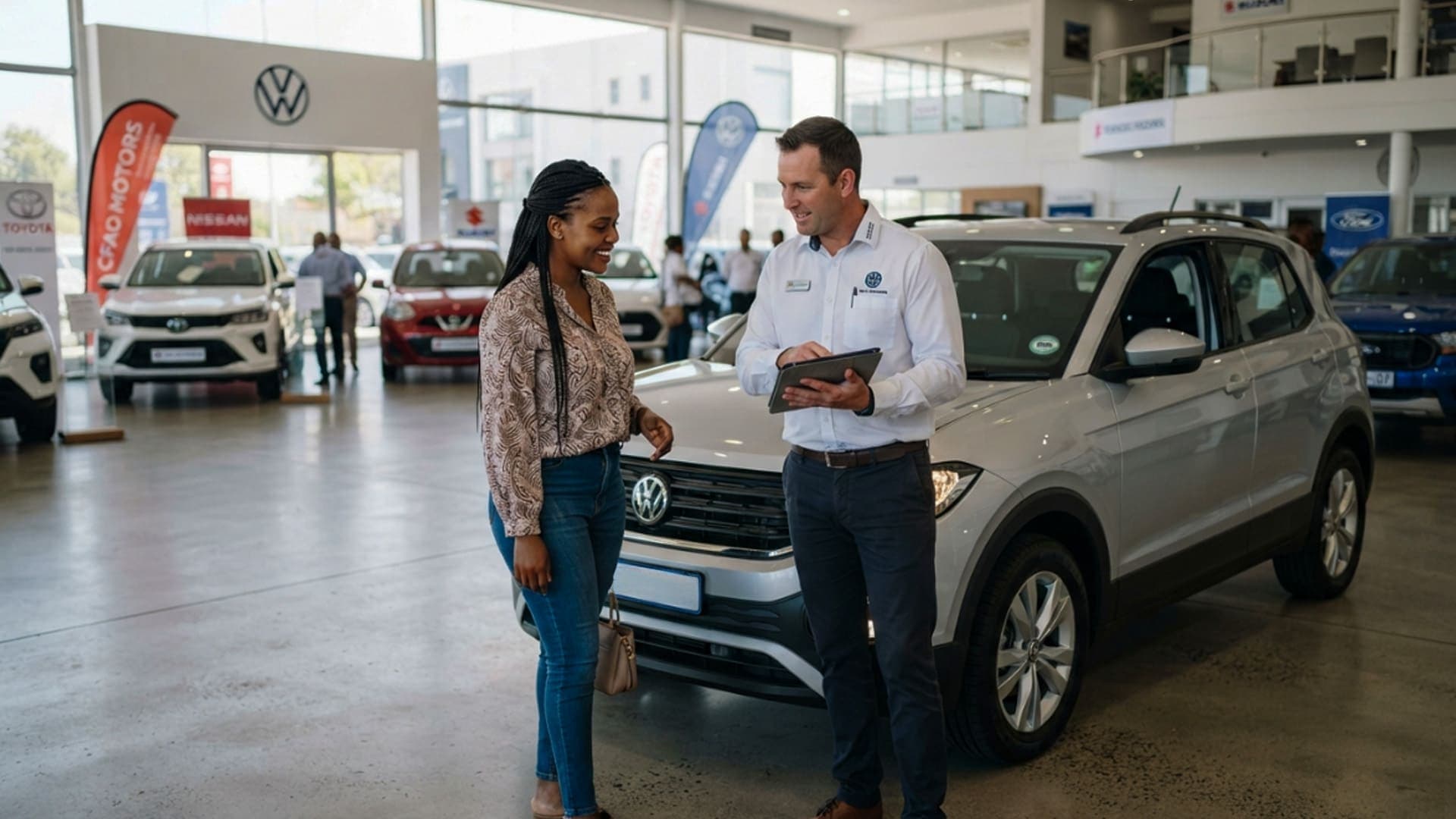
Automotive Advertising in 2026: Selling Confidence in a More Competitive Market
As South Africa’s vehicle market becomes more competitive, automotive advertising needs to do more than announce a price or specification. It needs to help buyers understand value, ownership costs and why a vehicle suits their lives.

Automotive Digital Ads in South Africa: A Shift
Exploring how South Africa’s automotive advertising evolved from print and broadcast to data-driven, programmatic digital ecosystems.

The Video Shift in Car Buying Decisions in SA
Explore how video content shapes car purchase decisions in South Africa, comparing short-form and long-form strategies for automotive marketers.