
Beyond Screens and Specs
In an era dominated by digital touchpointswebsites, social media, virtual showrooms, augmented realityautomotive brands are confronting a critical challenge: how to forge emotional connections with consumers who increasingly begin their car-buying journey online. Specs, price, safety ratings, performance numbers theyre all essential. But they no longer suffice to create lasting brand attachment.
Enter experiential retail spacesÔÇöphysical environments engineered to allow people not just to see a car, but to feel it; to interact, discover, and even immerse themselves in the brand story. These arenÔÇÖt showrooms in the old sense; these are emotional laboratories of mobility. From pop-ups that travel to urban cores, to luxury ÔÇ£brand housesÔÇØ in landmark locations, to test-drive hubs, these spaces are redefining what automotive marketing means in a digital-first world.
This article unpacks how these experiential spaces work, why they matter, concrete examples, challenges, and how brands (including in South Africa) can execute them well.
Why Physical Experience Still Matters
Tangibility in a Virtual Age
Even the most sophisticated digital render or VR experience canÔÇÖt yet replicate the visceral thrill of sitting in a luxury cabin, feeling the steering-wheelÔÇÖs feedback, smelling new leather, hearing the engine rev. These sensory impressions anchor memory in ways that pixels canÔÇÖt.
They help with trust: seeing craftsmanship in person, touching surfaces, opening doors, even sitting in backseatÔÇöa prospective buyer gains confidence about quality, fit & finish, and status.
Building Emotional Memory Versus Transactional Thinking
Transactional interactions (ÔÇ£I looked at specs, priced it, maybe test-drove, boughtÔÇØ) are narrow. Brands that allow consumers to dwell, explore, spend time with product and story, create memory. Emotional memory often drives referral, loyalty, advocacy.
In experiential settings, customers become part of a narrativeÔÇöof adventure (think EV off-road tests), luxury (private lounge, curated hospitality), or heritage (brand history walls, concept-car displays). That narrative shapes identity and brand affinity.
Differentiation in a Crowded Market
As more brands produce similar productsÔÇöEVs, SUVs, luxury crossoversÔÇöthe differentiators increasingly are intangibles: brand values, design philosophy, sustainability, prestige, lifestyle. Physical spaces provide a canvas to express those differentiators in three dimensionsÔÇölight, sound, smell, spatial layout, art, music.
The Role of Community & Social Proof
Experiential spaces are also gathering grounds. They host events, launch parties, media showcases, owner communities. People see others exploring, enjoying, even aspirationally observingÔÇöthis social component builds proof that this brand isnÔÇÖt just selling metal, but a lifestyle.
From Awareness to Conversion (and Back)
Experiential spaces serve multiple marketing funnel stages. They build awareness (people passing by or hearing about the space), deepen interest (attending an event, test drive), help with decision (by reducing uncertainty), and reinforce after purchase (owners returning, brand content etc.). They can also feed back into digitalÔÇöexperiences that are shared on Instagram, TikTok amplify reach.
Types of Experiential Spaces
To make the idea concrete, here are the main formats automotive brands are deploying, with their distinct strengths.
Case Studies: Brands Doing It Well
To get real sense, here are some recent and relevant examples from around the world; each illustrates different lessons.
Rivian Concept Experience, New York City
RivianÔÇÖs ÔÇ£Concept ExperienceÔÇØ in NYCÔÇÖs Meatpacking District doesnÔÇÖt just show off EVsÔÇöit invites visitors into a thematic lifestyle space. Warm materials, interactive content, local art, plant displays, a coffee barÔÇöall to celebrate adventure and discovery. The layout is intentional: small-scale display (three vehicles), but great depth of storytelling. They also run events and test drives from the space. Wallpaper*
What works: The experiential angle is not just decorationÔÇöitÔÇÖs tied to the brandÔÇÖs core values (adventure, community). ItÔÇÖs also built for sharing (people want to take photos, linger). The space supports digital follow-up (book test drive, learn more online), so itÔÇÖs not just beautiful, but functional.
Genesis House, Hudson Yards
Genesis House is less about direct sales, more about brand immersion. It plays host to events, reveals, media, fashion collabs. The downstairs event space with sweeping LED visuals creates an environment where the brand is elevated into culture. But purchase still happens via authorised dealers; the house is about perception and emotion. Event Marketer
Lesson: Brand houses are powerful as identity anchors. When a car is sold elsewhere, but a customer feels theyÔÇÖve connected deeply in the brand house, that connection often shapes how they talk about it, feel about ownership, recommend to others.
Nio House & Lifestyle Spaces
Electric automaker NIO has leaned heavily into community-oriented brand/lifestyle spaces. NIO Houses combine co-working spaces, caf├®s, exhibitions, eventsÔÇöturning what could be a showroom into a social hub. Appointedd
They understand that many people who buy premium EVs are buying into something beyond a mobility toolÔÇöthey want values, sustainability, design, belonging.
Volvo EX30 Launch & Sustainability Storytelling
In launching the Volvo EX30, the design director from Seen Presents emphasized multi-sensory experiences aligned to sustainability, storytelling, emotional resonance. Little Black Book
This type of activation does not just show off the product, but aligns the marketing with culture, expectations, values of consumers (especially Gen Z, eco-conscious buyer segments).
Luxury Dealership Design Innovations
Brands are rethinking the physical showroom architecture. Frameless glass, ambient lighting, layout to highlight prized vehicles. Luxury is not just whatÔÇÖs inside the car, but whatÔÇÖs outside: the environs, the journey from outside the building, what you see first, what you feel waiting in lounge etc.
What Makes an Experiential Retail Space Truly Effective
Not all physical spaces succeed in creating emotional connections. Many become expensive displays without business impact. For automotive brands, these are the levers that tend to separate the winners.
Clarity of Brand Story & Identity
Your experiential space must reflect who the brand is, what it stands for. Adventure vs luxury vs innovation vs sustainability vs tradition. If your space is inconsistent (too flashy, but no substance; too minimalist, but no warmth), customers will feel dissonance.
Design (architecture, materials, lighting), sensory elements (sound, scent), staff training, eventsÔÇöall must work coherently.
Customer Journey Thinking
From first impression (exterior signs, fa├ºade, entrance) to exploration (walking around the vehicle, touching surfaces, sitting inside) to purchasing decision (test drive, financing, ordering), to post-purchase (ownership, brand community). The space should support each stage, remove friction, engage senses, and even surprise the visitor with something unexpectedÔÇöcaf├® corner, interactive display, storytelling corner.
Integration with Digital
Experiential does not mean analog only. To scale, to track, to engage digital natives, the physical must sync with digital. Examples:
Flexibility & Modularity
Trends shift, products evolve fast (especially EVs). Spaces that allow modular displays, changeable themes, reconfigurable layouts stay fresh and cost-effective. Pop-ups and mobile units often naturally have this, but even flagship showrooms benefit if they can adapt from year-to-year.
Multisensory Design
Sight, sound, touch, smell. Ambient lighting, material texture, acoustics, even temperature, scent (leather, wood, ÔÇ£new carÔÇØ, natural wood, local stone) can influence mood. Many brands underestimate smell and touch; letting someone open a door and feel the torque or weight of handle etc. matters.
Hospitality & Lifestyle Alignment
People donÔÇÖt want to feel sold to; they want to feel welcomed. A lounge, caf├®, a place to relax; events, music, art; connections to local culture. Some experiential spaces resemble boutique hotels, galleries, or lifestyle stores more than traditional dealerships.
Measuring Impact
ItÔÇÖs not enough for the space to be beautiful. Brands need KPIs: foot traffic, dwell time, conversion to test drive, sales influenced, data capture, social media mentions and reach, loyalty metrics. Also measure qualitative aspects: customer sentiment, brand perceptions.
Challenges & Risks
While powerful, experiential retail comes with pitfalls. Brands need to watch out:
Strategies for Success
How should automotive brands plan and execute experiential retail spaces so that they build emotional connection and business results?
1. Start Small, Prototype, Learn Fast
Pilot pop-ups in select markets to test design, messaging, layout, customer flow. Collect feedback (qualitative and quantitative). Then iterate. What worked in one city may not in another due to culture, climate, consumer behaviour.
2. Localize Content & Design
Even global brands need to adapt to local culture. Materials, interior design, scents, local art or design accents can make the space feel relevant, not generic. Local events or partnerships (with restaurants, artists, influencers) can root the space in the city.
3. Seamless Omnichannel Linkages
Ensure that customers can move fluidly between digital and physical: book test drives or appointments online, access loyalty programmes, view configurations online, share their onsite experience on social media easily. Also use physical spaces to encourage digital sign-ups (WiFi login, interactive displays, photo walls, etc.)
4. Train People as Ambassadors
Staff in these spaces arenÔÇÖt just salespeopleÔÇöthey are storytellers, brand curators, experience creators. They need to understand product deeply, but also attitude, empathy, hospitality, local culture. Their engagement with visitors heavily influences emotional connection.
5. Program-Event Driven
Spaces need reasons for people to come back. Regular programming: launches, themed weekends, community events, workshops, local artist collaborations, tech showcases. Events reward repeat visits and create buzz.
6. Maintain Freshness
Design refreshes, rotating displays, temporary installation art, changing themes. If a customer returns after some months, the space should feel differentÔÇöotherwise novelty fades and returns diminish.
7. Measure and Adjust
Set key metrics: dwell time, test drive booking ratio, conversion rates, social media engagement, membership/community growth, customer satisfaction. Use these to refine. Allocate budget for analytics, data capture infrastructure (e.g. sensors, staff feedback, digital interaction logging).
Applying to South Africa & Similar Markets
To bring this closer home: what should automotive brands in South Africa (or comparable markets) consider when deploying experiential retail spaces?
Urban Pop-ups in Key Centers
Cities like Johannesburg, Cape Town, Durban offer prime zones (mall precincts, high-streets, mixed-use developments) for short-term pop-ups. These allow brand testing in new suburbs or reaching affluent demographics who may not visit traditional dealerships.
Example: an EV manufacturer could host a pop-up in Sandton or V&A Waterfront with test drives scheduled from nearby roads, and include educational content about charging infrastructure, sustainabilityÔÇötwo themes important to SA consumers.
Leveraging Local Culture & Lifestyle
South Africa has rich design heritage, varied climates, distinct styles. Integrating local crafts, materials (wood, stone, textiles), artwork, lighting suited for SAÔÇÖs sunlight etc. into space design helps make the brand feel part of the culture. Hospitality is deeply valuedÔÇöso inclusion of customer lounges, local food/drink, barista or wine tasting, events tied to local hotspots, music or art festivals can help.
Hybrid & Digital Integration to Overcome Distance
Given logistics and spread of population, hybrids are essential. Virtual product tours, AR config tools, but anchored in physical spaces so customers can touch, sit, drive. For rural or smaller towns, mobile units or ÔÇÿroadshowsÔÇÖ may reach better than expecting customers to travel to big city showrooms.
Aligning with Infrastructure and Regulatory Realities
Test drive hubs need safe roads; in EV space, charging infrastructure. Permissions, insurance, import or local tax regimes. Some areas may have restrictions for temporary structures. Brands must engage local authorities early.
Cost Management & Scaling Sensibly
Costs in SA can be high (imported materials, high real-estate costs in exclusive districts). Getting partnerships helps (shopping centres, property developers, local design firms). Scaling may mean building smaller flagship spaces first, then portable extensions.
Sustainability and Social Responsibility
South African consumers are increasingly climate-aware. Brands that incorporate sustainabilityÔÇösolar power in space, recycled materials, minimal waste, local sourcingÔÇögain credibility. Also social impact: spaces could support community initiatives, youth skills workshops, social projects.
A Narrative Example: How a Hypothetical Brand Might Build Its Experiential Space
To illustrate how all of the above might fold together, hereÔÇÖs a narrative example of a mid-luxury EV brand launching in South Africa.
Brand: ÔÇ£Aurora EVÔÇØ (fictional) ÔÇö positioning: modern, design-led, eco-aware, adventurous.
Goal: Build emotional connection in key cities (Johannesburg, Cape Town), showcase design, build community, accelerate adoption, educate about EV infrastructure.
Phase 1: Pop-Up Launch
Phase 2: Brand House Flagship
Phase 3: Touring & Community
Implications for Automotive Marketing Strategy
Integrating experiential retail spaces changes how a brand must think about its marketing mix, budgeting, partnerships, measurement.
The Future: WhatÔÇÖs Emerging Now & What to Watch
What are the trends inside trends? As experiential retail matures, certain currents are already shaping its future.
Sustainability as Design Language
More brands are using sustainable materials, passive design, energy-efficient lighting, solar panels, even ÔÇ£green walls.ÔÇØ Spaces become not just beautiful, but environmentally conscious statements. Consumers expect brands to walk the talk.
Augmented & Mixed Reality Enhancements
VR/AR will get more seamless: imagine stepping into a showroom and instantly switching from urban road to mountain pass; or trying different colour & trim combos projected onto your car; or experiencing features like autonomous driving in simulation. These tech-aided experiences bridge gaps between product stage and real world.
Subscription and Shared-Use Integration
As more car-use models shift (subscriptions, shared EVs), experiential spaces might include zones where people try out different mobility options, share experiences, compare subscription plans, test different modes of EV or hybrid, etc.
Collectible, Limited & Exclusive Offers
Experiential spaces will increasingly act as first launch points for limited editions, regional exclusives, concept-cars; customers will expect more ÔÇ£first-to-seeÔÇØ offerings, VIP access, personalisation opportunities.
Community & Culture as Co-Creation
Brands will move beyond hosting events to co-creating with local communities: artists, students, customers, influencers, to design parts of the space, themes, programmes. This strengthens ownership, emotional connection.
Digital Twin Experiences
Physical spaces will have digital twinsÔÇövirtual replicas where people who canÔÇÖt access the space physically can explore, interact, even configure or buy. This also helps brands scale experiences globally without replicating cost fully.
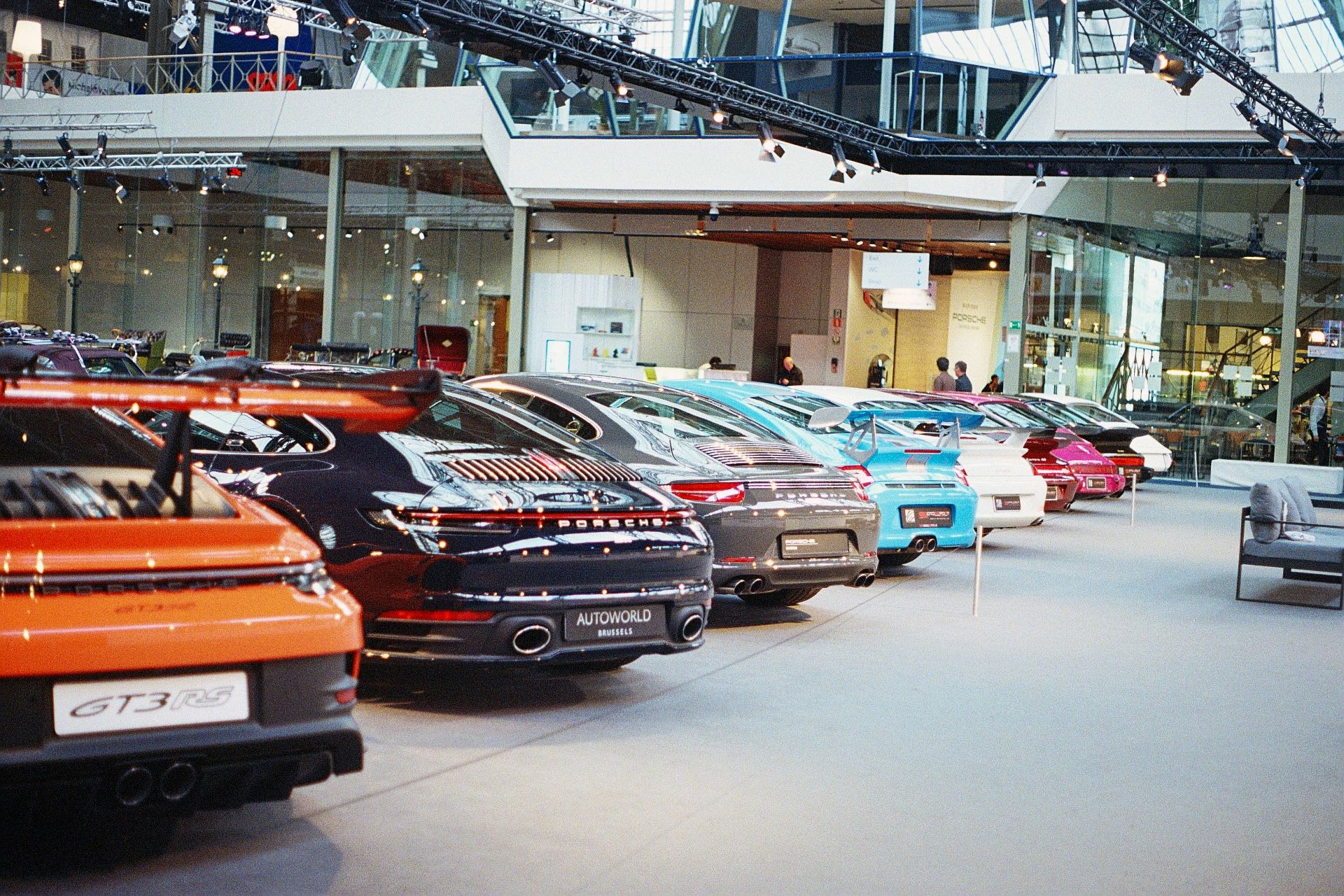
In a world where digital touchpoints are necessary but no longer sufficient for brand building, experiential retail spaces offer automotive brands a powerful way to connect emotionally with consumers. They allow brands to show, not just tell; to host, not just sell; to nurture loyalty, not just transact.
For automotive marketing, the key is never to treat experiential spaces as perfunctory showrooms. They must be strategic instruments: anchored in brand identity, designed for the full customer journey, deeply localized, infused with hospitality and lifestyle, integrated with digital, measured with rigor, and refreshed continually.
As more consumers begin their journey online, craving authenticity, story, connectionÔÇöthe brands that win will be those that bring their values into the real world; that turn metal and engineering into experience, emotions, and memory.
Breyten Odendaal
Specializing in high-performance automotive advertising and digital marketing solutions, delivering cutting-edge insights and the latest news shaping the automotive industry in South Africa.
More From Advertising

Automotive Advertising in 2026: Selling Confidence in a More Competitive Market
As South Africa’s vehicle market becomes more competitive, automotive advertising needs to do more than announce a price or specification. It needs to help buyers understand value, ownership costs and why a vehicle suits their lives.

Automotive Digital Ads in South Africa: A Shift
Exploring how South Africa’s automotive advertising evolved from print and broadcast to data-driven, programmatic digital ecosystems.

The Video Shift in Car Buying Decisions in SA
Explore how video content shapes car purchase decisions in South Africa, comparing short-form and long-form strategies for automotive marketers.