
In the modern automotive landscape, a vehicle is no longer just a mode of transport. It is a statement of identity, a lifestyle choice, and a reflection of values. Consumers today expect more than a sales pitchÔÇöthey crave experiences. Automotive brands are responding by stepping outside the walls of traditional dealerships and embracing experiential pop-ups, temporary activations that are designed to engage, excite, and emotionally resonate with audiences.
These events are far more than marketing gimmicks. They are carefully curated environments that blend design, culture, and storytelling to foster deep connections with consumers. From Urban AutomotiveÔÇÖs bespoke Signature builds to MINIÔÇÖs immersive Goodwood Revival activations, pop-ups are reshaping the way brands interact with audiences, transforming marketing from a transactional interaction into an emotional journey.
The Rise of Experiential Marketing in the Automotive Sector
The automotive industry has traditionally relied on the dealership as the central point of engagement. Shiny showrooms, polished sales pitches, and test drives were the primary avenues through which brands connected with potential buyers. Advertising, historically, was heavily focused on features, performance stats, and pricing. While effective in communicating practical information, these methods often lacked emotional resonance.
TodayÔÇÖs consumer expects a story, not a spec sheet. The shift towards experiential marketing reflects a broader societal trend where experiences are valued over possessions, and where personal connection often drives purchase decisions more than product specifications. Pop-ups serve this need perfectlyÔÇöthey allow brands to create immersive, shareable moments, offering a tangible taste of a lifestyle, a culture, or a brand ethos in a space that is temporary yet impactful.
Urban Automotive: Crafting Individuality Through Bespoke Experiences
Urban Automotive, based in the UK, has become a standout example of how bespoke builds can serve as a form of experiential marketing. Their Signature Series elevates vehicle modification into a cultural statement. Every build is tailored to the clientÔÇÖs personality and lifestyle, transforming a car into a piece of art, design, and personal expression.
Unlike conventional dealerships, Urban AutomotiveÔÇÖs approach is highly personalized. When a client visits a showcase event, they are not simply viewing a vehicleÔÇöthey are entering a narrative crafted around them. The car, its design, and the surrounding environment communicate exclusivity and attention to detail. Whether itÔÇÖs a Rolls-Royce Cullinan with unique interior finishes or a Mercedes-Benz G-Wagon with bold styling cues, each activation invites consumers to engage with the brand on an emotional level.
Urban AutomotiveÔÇÖs foray into the U.S. market, with a facility in Phoenix, Arizona, demonstrates the scalability of experiential pop-ups. By bringing bespoke experiences to new markets, the brand extends its storytelling beyond geographical boundaries, connecting with audiences who value craftsmanship, uniqueness, and personal expression. At international events such as Monterey Car Week, these vehicles do not just draw attentionÔÇöthey spark conversations, social media engagement, and lasting impressions that extend long after the event concludes.
MINI at Goodwood Revival: Nostalgia and Immersive Storytelling
MINIÔÇÖs activations at Goodwood Revival exemplify how brands can leverage heritage and culture to connect with audiences emotionally. The Goodwood Revival is a celebration of vintage motorsport, drawing enthusiasts with a shared love of history, style, and performance. MINIÔÇÖs approach involved more than showcasing carsÔÇöit involved creating an immersive environment that transported visitors back to a different era.
Partnering with experiential agency TRO, MINI transformed its activation into a 1960s-inspired laundrette, complete with vintage washing machines, bubble-filled d├®cor, and period-specific props. Visitors could interact with the space in playful, memorable ways, from spin-to-win games to personalized giveaways. This activation turned brand engagement into a multi-sensory experience, blending the charm of MINIÔÇÖs heritage with the excitement of contemporary innovation, such as the debut of the fully electric MINI Aceman.
By aligning its brand story with the cultural narrative of the event, MINI achieved emotional resonance that traditional marketing cannot replicate. Attendees left not just informed about the car, but inspired by the brandÔÇÖs personality, values, and connection to the broader cultural moment.
Beyond the Vehicle: The Psychology of Pop-Up Engagement
Experiential pop-ups work because they tap into fundamental aspects of human psychology. Consumers are wired to respond to immersive environments, narrative structures, and shared experiences. When a brand creates a space that appeals to these senses, it fosters memory retention, emotional attachment, and brand loyalty.
Studies have demonstrated that experiences which engage multiple senses are more memorable than static advertising. Pop-ups allow brands to integrate visual storytelling, tactile interactions, auditory cues, and even scents to create a holistic brand experience. For automotive brands, this can mean everything from the tactile feel of premium interior finishes to the roar of an engine simulation, combined with evocative design elements that tell a story about heritage, innovation, or lifestyle.
When executed effectively, experiential activations generate social proof. Visitors share content on social media, organically amplifying the brand message to broader audiences. The temporary nature of pop-ups creates urgency and exclusivity, encouraging attendance and interaction. Ultimately, these experiences translate into consumer trust, engagement, and increased likelihood of purchaseÔÇömetrics that are hard to achieve through traditional advertising alone.
Case Studies: Other Notable Automotive Pop-Ups
While Urban Automotive and MINI provide leading examples, other brands have also successfully leveraged pop-ups to connect with consumers:
These examples underline a broader trend: brands are no longer relying solely on static showrooms. By bringing vehicles and brand stories to culturally significant spaces, automotive marketers meet consumers where they are, blending convenience with emotional engagement.
The Cultural Dimension: Why Context Matters
Experiential pop-ups are most effective when they resonate with cultural moments or movements. This requires brands to understand local sensibilities, trends, and values, and integrate them authentically into the activation. MINIÔÇÖs retro laundrette works because it aligns with the Goodwood RevivalÔÇÖs celebration of nostalgia. Urban AutomotiveÔÇÖs bespoke showcases thrive because they resonate with a culture that values individuality and craftsmanship.
Pop-ups can also intersect with music, art, and lifestyle. For example, brands might collaborate with local artists to transform activation spaces into interactive galleries or host live performances that reflect the brand ethos. These integrations ensure that the experience is socially relevant, culturally resonant, and emotionally engagingÔÇöthree pillars of successful experiential marketing.
Measuring Success: ROI Beyond Sales
One challenge brands often face with experiential marketing is measuring return on investment. Unlike traditional advertising, where impressions and clicks are quantifiable, experiential pop-ups require nuanced metrics:
Research has consistently shown that consumers who engage with brands in immersive environments demonstrate higher recall, stronger emotional attachment, and increased advocacy. For automotive brands, this translates into not just immediate sales, but a long-term enhancement of brand equity.
Designing the Perfect Pop-Up: Key Considerations
To create a truly impactful experiential activation, brands must consider several elements:
When these elements align, a pop-up is not just an eventÔÇöit becomes a catalyst for brand loyalty, advocacy, and cultural resonance.
The Future of Experiential Automotive Marketing
Looking ahead, experiential pop-ups will continue to evolve alongside technology and consumer expectations. Increasingly, hybrid activations will blend physical and digital experiences, incorporating virtual reality, augmented reality, and gamification to create personalized, shareable experiences.
Sustainability will also become a focal point. Consumers increasingly expect brands to act responsibly, so future pop-ups may highlight eco-friendly materials, renewable energy-powered installations, and experiences that educate visitors on sustainable automotive practices.
Finally, data integration will allow brands to tailor experiences in real-time, using consumer insights to refine activations dynamically. This level of personalization will make pop-ups even more powerful in building lasting emotional connections.
Pop-Ups as Emotional Catalysts
In an age where attention is fragmented, and consumers crave authenticity, experiential pop-ups offer automotive brands a unique opportunity to engage audiences on a deep emotional level. They transform marketing from transactional to transformational, creating moments that are remembered, shared, and cherished.
Urban Automotive, MINI, and other forward-thinking brands illustrate how storytelling, culture, and immersive design can combine to forge connections that extend far beyond the event itself. In doing so, they redefine what it means to market a vehicleÔÇönot just as a product, but as a statement of identity, a piece of culture, and an experience to be remembered.
As the automotive industry continues to evolve, those brands that embrace cultural relevance, narrative depth, and sensory engagement in their activations will not only capture attentionÔÇöthey will earn loyalty, advocacy, and emotional connection that lasts a lifetime. Experiential pop-ups are not a passing trendÔÇöthey are the future of automotive marketing.
Breyten Odendaal
Specializing in high-performance automotive advertising and digital marketing solutions, delivering cutting-edge insights and the latest news shaping the automotive industry in South Africa.
More From Advertising
Automotive Advertising in 2026: Selling Confidence in a More Competitive Market
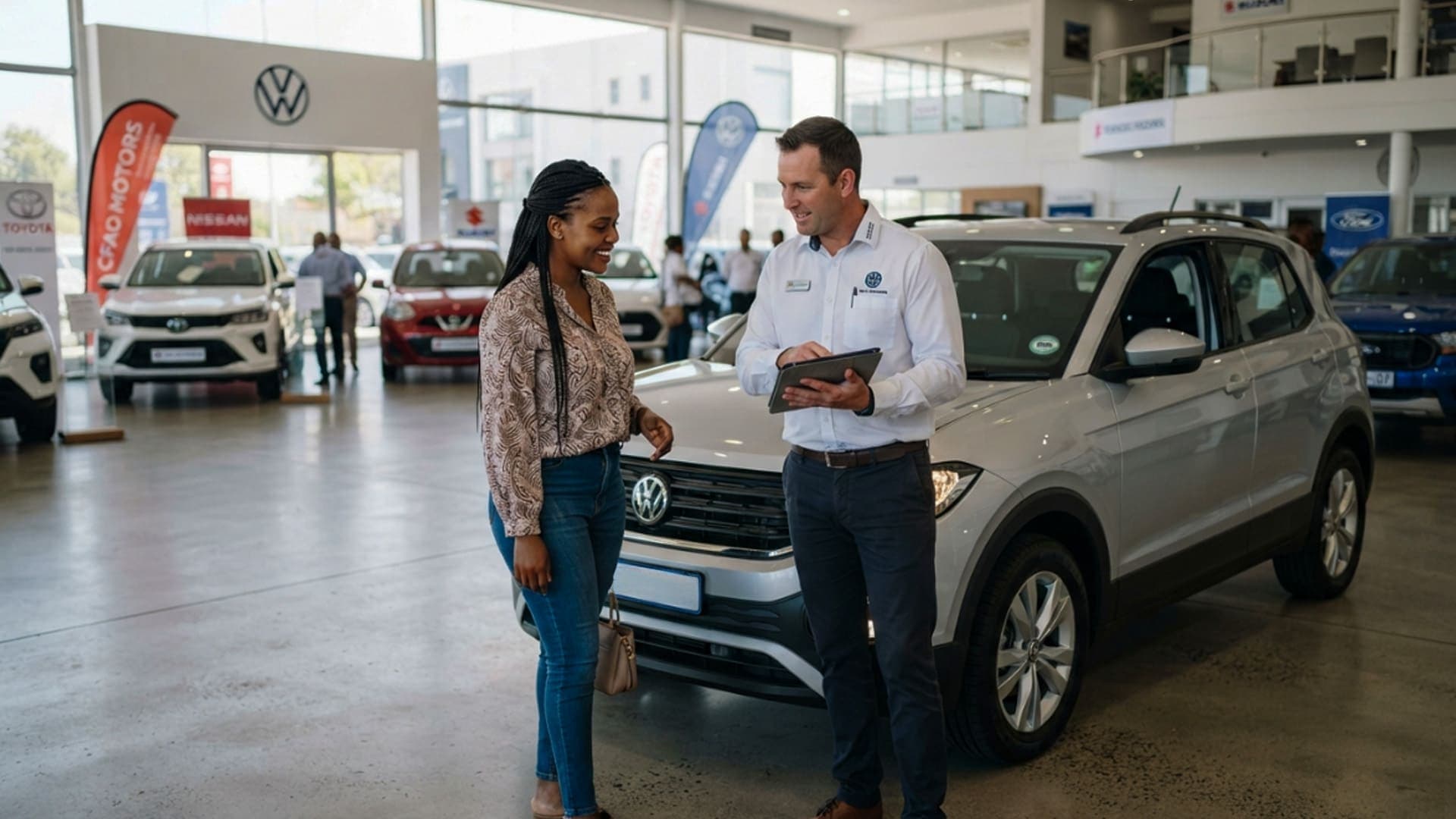
As South Africa’s vehicle market becomes more competitive, automotive advertising needs to do more than announce a price or specification. It needs to help buyers understand value, ownership costs and why a vehicle suits their lives.

Automotive Digital Ads in South Africa: A Shift
Exploring how South Africa’s automotive advertising evolved from print and broadcast to data-driven, programmatic digital ecosystems.

The Video Shift in Car Buying Decisions in SA
Explore how video content shapes car purchase decisions in South Africa, comparing short-form and long-form strategies for automotive marketers.