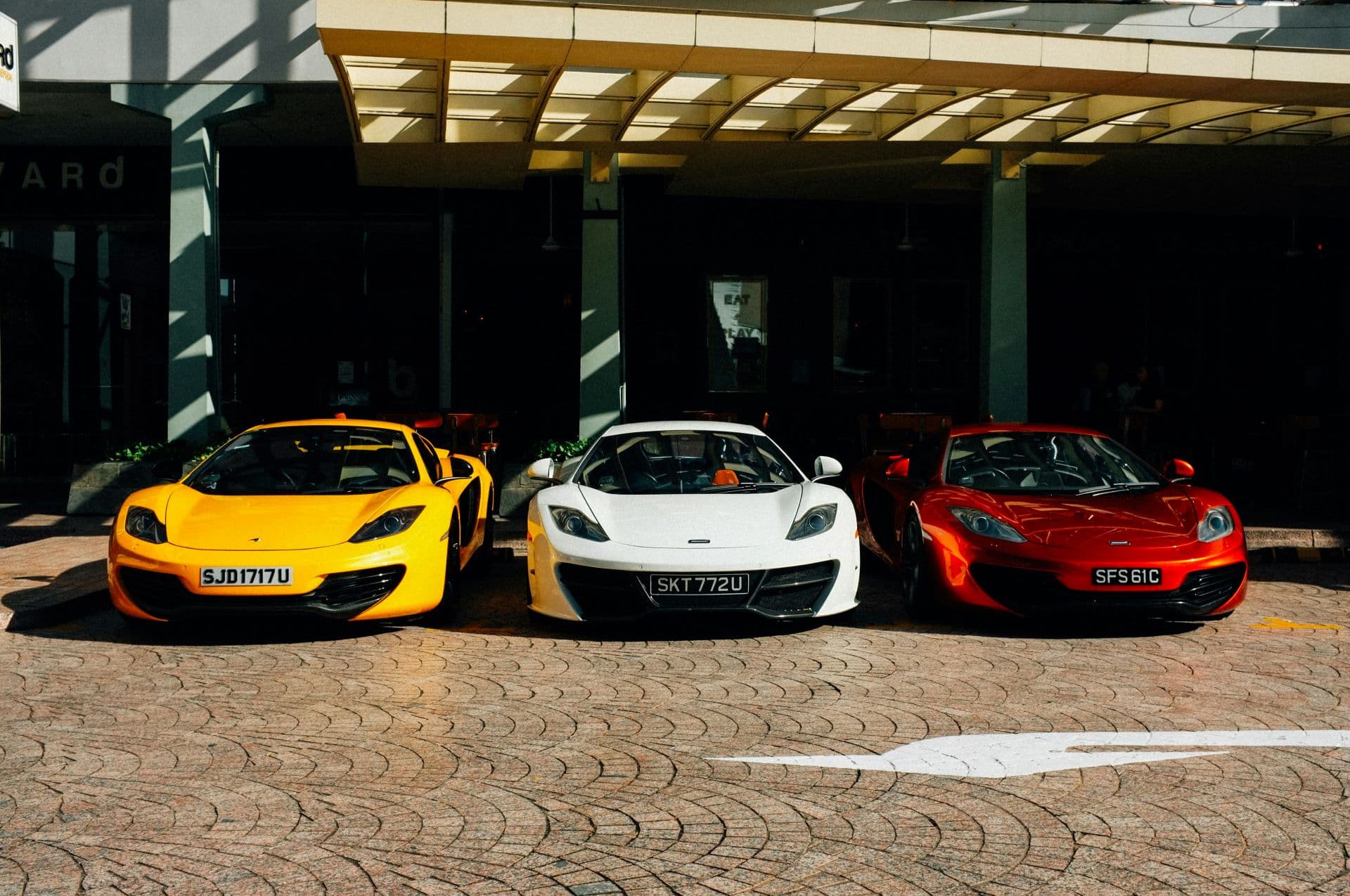
In todayÔÇÖs rapidly evolving automotive landscape, traditional advertising methods are no longer sufficient to capture the imagination of an increasingly sophisticated audience. As automotive enthusiasts demand more immersive and memorable experiences, brands have turned to experiential marketingÔÇöa strategy that transforms conventional advertisements into dynamic, interactive events. Gone are the days when a glossy magazine spread or a 30-second television spot could singularly capture the essence of a vehicleÔÇÖs allure. Instead, automotive marketers now invite potential customers to step into a world where innovation meets emotion, where every detail from the engineÔÇÖs roar to the tactile feel of a luxurious interior is experienced firsthand.
Experiential marketing on wheels has redefined the consumer journey. From roadshows that traverse scenic routes and bustling urban centers to live events that transform car launches into spectacles of technology and design, this marketing approach seeks to create an indelible connection between the brand and its audience. By engaging the senses and fostering emotional ties, automotive brands not only showcase their latest models but also build communities of enthusiasts who share a passion for performance, design, and innovation.
This article will delve into the evolution and impact of experiential marketing in automotive advertising. We will trace its historical roots, explore the psychological underpinnings that make it effective, and analyze key strategies such as roadshows and live events. In addition, we will examine the role of emerging technologies in elevating these experiences, address the challenges faced by marketers, and forecast future trends that will shape the industry. Prepare to embark on a journey where advertising is no longer a passive experience but a powerful catalyst for consumer engagement and brand loyalty.
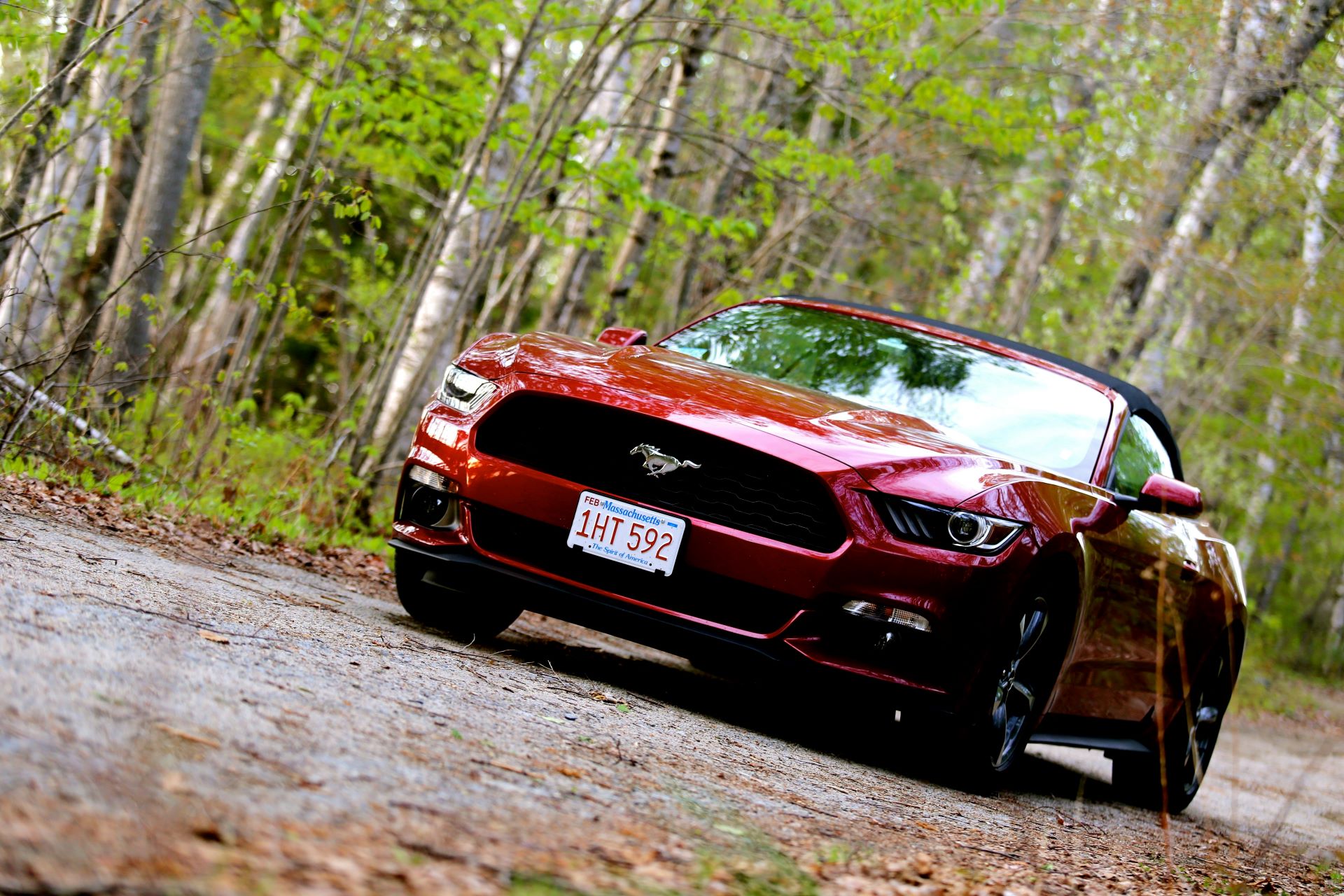
History of Experiential Marketing in the Automotive Industry
The roots of experiential marketing in the automotive industry can be traced back several decades, to a time when car manufacturers began to realize that the allure of a vehicle extended far beyond its mechanical prowess. In the mid-20th century, automotive brands started hosting simple test drive events and roadshows, offering consumers the chance to experience the thrill of driving a new model firsthand. These early initiatives were modest in scale, yet they laid the foundation for what would eventually evolve into sophisticated, multi-sensory marketing events.
One of the earliest milestones in this journey was the iconic ÔÇ£MotoramaÔÇØ events of the 1950s and 1960s. These shows were designed not merely as exhibitions of automobiles but as celebrations of American ingenuity and design. Visitors were invited to interact with cars in a festive atmosphere that blended entertainment with the opportunity to witness groundbreaking automotive innovations. These events were instrumental in building strong emotional bonds between the brand and the consumerÔÇöa principle that remains at the heart of experiential marketing today.
The transition from traditional print and television advertisements to more interactive engagements began in earnest during the 1970s and 1980s. As global competition intensified, automotive brands realized that to stand out, they needed to offer experiences that could not be replicated by any other medium. Roadshows became a favored method; they provided a platform for brands to showcase their vehicles in real-world settings, allowing consumers to appreciate the engineering and design nuances up close. This era saw the birth of regional tours and pop-up exhibitions that traveled across the country, each event meticulously crafted to highlight a brandÔÇÖs unique narrative and technological advancements.
By the 1990s, the emergence of digital media and improved logistics further propelled experiential marketing to new heights. Automotive brands began incorporating multimedia presentations and interactive displays into their roadshows and events, creating an immersive environment where technology and tradition coexisted harmoniously. These initiatives not only democratized access to the latest automotive innovations but also positioned the consumer as an active participant in the brandÔÇÖs story. For example, early adopters were often invited to exclusive track days and behind-the-scenes tours, experiences that added a layer of intimacy and exclusivity to the brand experience.
The new millennium heralded a significant shift, with experiential marketing becoming a strategic imperative rather than a supplementary tactic. In this period, brands invested heavily in large-scale events that combined the excitement of live demonstrations with the precision of data-driven marketing. Today, experiential marketing is a dynamic blend of tradition and innovation, where historical roadshow models are seamlessly integrated with cutting-edge technology and immersive live events. The evolution is evident in the way brands communicate their values and visionÔÇötransforming every consumer interaction into an opportunity for memorable engagement and lasting brand loyalty.
Throughout this historical evolution, several key milestones have defined the trajectory of experiential marketing in the automotive sector. From the humble beginnings of test drives and local roadshows to the grand spectacles of international auto expos and immersive live events, the industry has continually adapted to meet the changing expectations of its audience. This transformation is a testament to the enduring power of experiential marketingÔÇöa strategy that harnesses the art of storytelling, emotional engagement, and technological innovation to create unforgettable automotive experiences.
The Psychology of Experiential Marketing
Experiential marketing is not merely about showcasing products; it is a strategic exercise in emotional storytelling, designed to forge a deep and lasting connection between the consumer and the brand. At the core of this approach lie several psychological principles that help explain why immersive experiences resonate so powerfully with automotive enthusiasts.
One of the central tenets of experiential marketing is the creation of an emotional connection. According to renowned psychologist Dr. Robert Cialdini, emotions play a critical role in decision-making. When consumers feel a strong emotional tie to a brandÔÇöwhether through the exhilaration of a test drive or the sensory delight of a live eventÔÇöthey are more likely to develop a sense of loyalty and advocacy. This emotional connection transforms the purchasing process from a transactional act into a personal journey, where every interaction deepens the relationship between the consumer and the brand.
Sensory engagement is another critical component. The human brain processes sensory information at an astonishing rate, and experiences that stimulate multiple senses simultaneously tend to leave a more lasting impression. In the automotive context, the roar of a high-performance engine, the tactile pleasure of a leather interior, and even the visual aesthetics of a well-designed dashboard all work in concert to create a rich, multi-sensory experience. This sensory overload can trigger positive memories and associations, reinforcing the brandÔÇÖs image and message long after the event has ended.
Furthermore, experiential marketing leverages the psychological concept of ÔÇ£experiential memoryÔÇØÔÇöthe idea that memories formed through direct, personal experiences are more vivid and enduring than those created through passive media consumption. For automotive enthusiasts, participating in a roadshow or attending a live event is not just about seeing a car; itÔÇÖs about experiencing the culture, innovation, and passion that drive the industry forward. These memories are deeply embedded in the consumerÔÇÖs psyche, often influencing future purchasing decisions and fostering long-term brand loyalty.
The principle of social proof also plays a significant role. When consumers observe peers engaging enthusiastically with a brand during a live event or roadshow, they are more likely to perceive the brand as trustworthy and desirable. This phenomenon is amplified in the age of social media, where experiences are shared instantly and widely, further enhancing the brandÔÇÖs reputation and reach.
Additionally, experiential marketing often incorporates elements of gamification and interactivity. These aspects stimulate the brainÔÇÖs reward centers, releasing dopamineÔÇöthe neurotransmitter associated with pleasure and motivation. The anticipation of a reward, whether itÔÇÖs the thrill of a performance demonstration or the satisfaction of participating in an interactive display, creates a positive feedback loop that encourages further engagement.
In the automotive arena, these psychological principles are especially potent. Cars are not just modes of transportation; they are symbols of status, freedom, and technological prowess. By tapping into the emotions, senses, and social behaviors of automotive enthusiasts, brands can transform the mere act of driving into a celebration of innovation and personal identity. As a result, the consumer is no longer a passive recipient of information but an active participant in a dynamic narrative that redefines what it means to experience automotive excellence.
Roadshows and Their Impact
Roadshows have long been a cornerstone of automotive marketing, evolving from humble test drive events to elaborate, multi-city extravaganzas designed to captivate audiences and forge lasting connections. At their core, roadshows serve as mobile stages where automotive brands can present their latest models, share their heritage, and engage directly with potential customers. This direct interaction is essential in an era where consumers seek authenticity and personal connection.
Automotive roadshows are meticulously planned events that travel across regions, often covering urban centers and rural locales alike. These events are designed to break down the barriers between the consumer and the brand by bringing the showroom experience to the streets. At a typical roadshow, attendees are invited to explore interactive exhibits, participate in test drives, and engage with brand ambassadors who offer insights into the technology and design philosophies behind the vehicles. This immersive approach creates a memorable experience that transcends the limitations of traditional advertising.
Several leading automotive brands have set exemplary benchmarks with their roadshow initiatives. For instance, one renowned luxury automaker organized a series of roadshows that toured the country, each event crafted to mirror the brandÔÇÖs sophisticated ethos. The events featured interactive displays, virtual reality simulations of driving experiences, and live demonstrations of cutting-edge safety features. These roadshows not only showcased the vehicles but also offered a glimpse into the brandÔÇÖs commitment to innovation and customer satisfaction. As a result, the brand experienced a significant boost in consumer engagement and subsequent sales, proving the effectiveness of the roadshow model.
The benefits of roadshows extend to both brands and consumers. For automotive companies, roadshows serve as a powerful tool for collecting real-time feedback. Direct interactions allow marketers to gauge consumer reactions, understand preferences, and fine-tune product offerings accordingly. Moreover, these events often generate a wealth of data on consumer behavior, preferences, and engagement patternsÔÇöinformation that can be leveraged to optimize future marketing strategies.
For consumers, roadshows provide an opportunity to experience a vehicle in a context that goes beyond static displays or online galleries. The tangible experience of handling a car, feeling its performance capabilities, and interacting with knowledgeable representatives adds a layer of credibility and trust that is hard to achieve through conventional advertisements. The immediacy of the experience creates a lasting impression, one that often translates into brand loyalty and advocacy.
Another significant impact of roadshows is their ability to create buzz and drive media coverage. When a brand launches a well-executed roadshow, it often garners attention not only from local communities but also from automotive media and social networks. This organic amplification of the brandÔÇÖs message further extends the reach of the campaign, making it an invaluable component of a holistic marketing strategy.
Additionally, roadshows can be tailored to target specific market segments. Whether itÔÇÖs a high-performance sports car or a family-friendly SUV, the roadshow format allows brands to customize the experience to resonate with distinct demographics. By aligning the eventÔÇÖs narrative with the lifestyle and aspirations of its target audience, a roadshow can effectively convert casual interest into committed customer relationships.
In summary, automotive roadshows are far more than simple promotional events. They are carefully curated experiences that engage consumers on multiple levelsÔÇöemotionally, intellectually, and sensorially. By bridging the gap between the brand and the consumer in a tangible, interactive environment, roadshows continue to play a pivotal role in driving brand loyalty and propelling sales in an increasingly competitive automotive market.
Live Events: Transforming Advertising into Experience
Live events have emerged as one of the most transformative elements in automotive advertising, turning the launch of a new model into a theatrical, unforgettable experience. Unlike traditional marketing tactics that rely on static visuals or scripted commercials, live events captivate audiences with real-time excitement, spontaneity, and an immersive atmosphere that underscores the brandÔÇÖs innovation and commitment to excellence.
The evolution of live events in automotive marketing reflects a broader shift in consumer expectations. TodayÔÇÖs automotive enthusiasts are not content with passive viewing; they demand an experience that allows them to witness the engineering marvels and cutting-edge technologies behind the vehicles. This has led to the creation of live events that are not only showcases for new models but also interactive platforms where consumers can engage with the product in innovative ways.
A prime example of this evolution is the live launch event of a celebrated electric vehicle brand. The event was held in an iconic venue and featured a carefully choreographed blend of multimedia presentations, live demonstrations, and interactive exhibits. Attendees were treated to an immersive narrative that chronicled the brandÔÇÖs journey towards sustainable mobility, punctuated by dynamic displays of the vehicleÔÇÖs performance on a specially designed test track. Industry experts and influencers, such as noted automotive analyst Jane Reynolds, remarked that ÔÇ£such live events are redefining how we perceive automotive launches, turning them into experiences that resonate on both an emotional and intellectual level.ÔÇØ
Live events are meticulously designed to not only unveil a new model but also to cement the brandÔÇÖs position as a pioneer in innovation. These events often include elements such as augmented reality displays that allow consumers to explore the carÔÇÖs features in detail, interactive booths where technical experts offer live demonstrations, and even art installations that celebrate the brandÔÇÖs design heritage. By engaging multiple senses simultaneously, live events create a multi-dimensional narrative that elevates the brand from a mere manufacturer to a storyteller of modern mobility.
The benefits of live events extend beyond immediate consumer engagement. They offer automotive brands a unique platform to generate extensive media coverage and social media buzz. The live, unfiltered nature of these events encourages real-time sharing and interaction, amplifying the brandÔÇÖs message far beyond the confines of the venue. High-profile events are often streamed live, reaching a global audience and reinforcing the brandÔÇÖs commitment to transparency and innovation.
Moreover, live events serve as a powerful tool for community building. They create a shared experience among attendees, fostering a sense of belonging and collective enthusiasm for the brand. This community-driven approach not only drives initial sales but also cultivates long-term brand loyalty, as consumers become ambassadors who spread the word about their transformative experiences.
In essence, live events have transformed automotive advertising from a one-way communication channel into a dynamic, interactive dialogue between the brand and its audience. By seamlessly integrating elements of technology, design, and storytelling, these events not only showcase the latest innovations but also build an emotional bridge that connects the brand with its most passionate consumers. As the automotive industry continues to evolve, live events will undoubtedly remain at the forefront of experiential marketing, setting new benchmarks for what it means to truly engage and inspire.
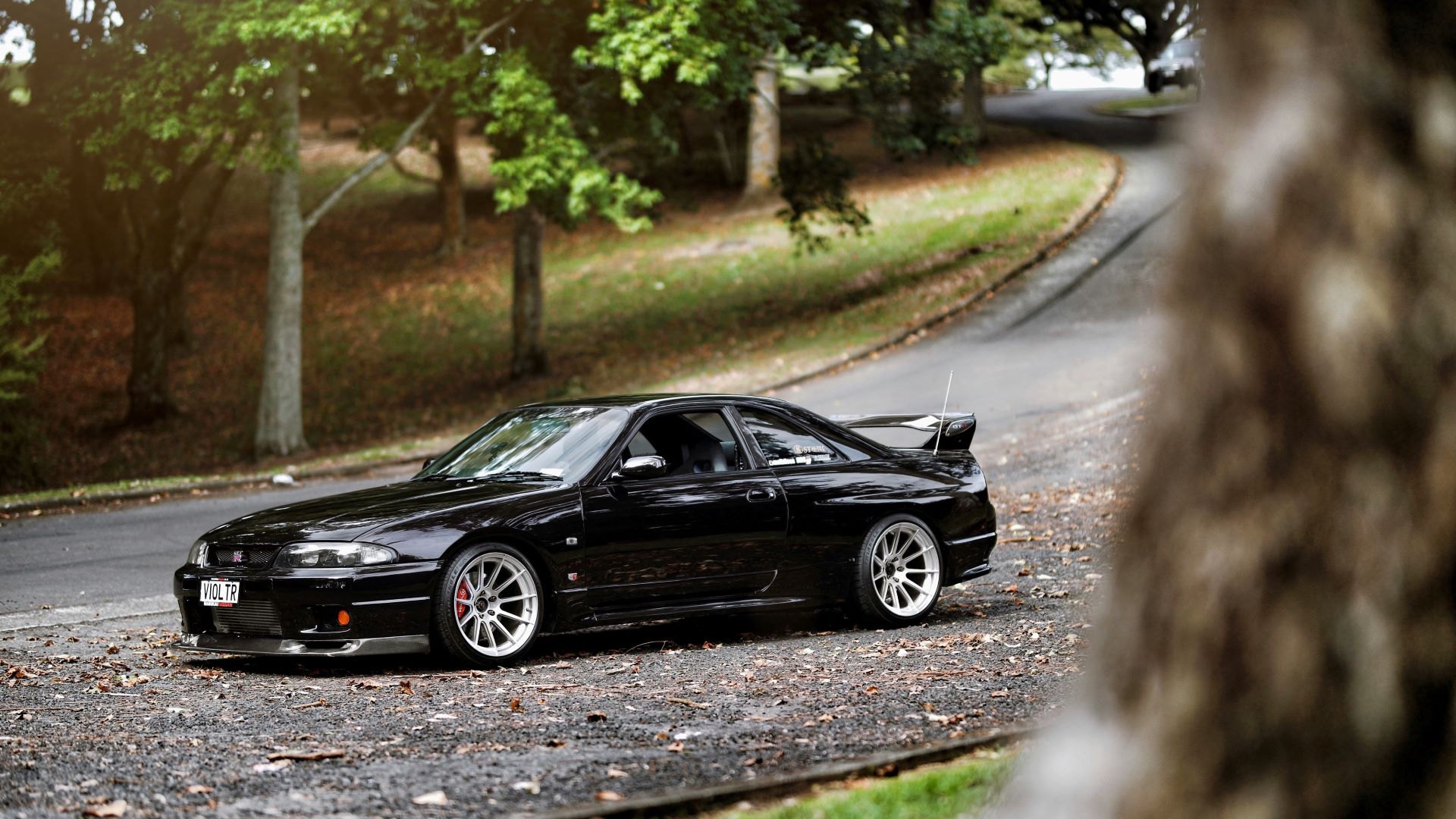
Technological Advancements and Their Role
As the automotive industry races towards an increasingly digital future, technology has emerged as a key enabler of experiential marketing. Technological advancements such as virtual reality (VR), augmented reality (AR), and interactive installations have transformed the way brands communicate with consumers, offering innovative ways to experience vehicles and their underlying technologies.
Virtual reality, for example, allows potential buyers to step inside a digital showroom where they can explore every nook and cranny of a carÔÇÖs interior, customize features, and even simulate driving experiences in various conditions. This immersive technology not only enhances the consumer experience but also provides valuable insights into user preferences, which can be used to tailor future marketing strategies. Similarly, augmented reality has opened new avenues for interactive engagement. By overlaying digital information onto the physical world, AR enables brands to highlight key features and design elements in a way that is both intuitive and engaging. Imagine pointing your smartphone at a concept car at a roadshow and watching as detailed animations explain its engineering innovationsÔÇöa seamless blend of technology and storytelling.
Interactive installations, another technological breakthrough, create dynamic environments where consumers can engage with vehicles in novel ways. These installations often include touchscreens, gesture-controlled interfaces, and even haptic feedback systems that simulate the feel of different driving conditions. Such innovations not only captivate the audience but also make complex automotive technologies accessible and understandable.
The integration of these technologies has had a profound impact on consumer engagement. Research indicates that immersive digital experiences can increase brand recall by up to 80%, demonstrating the effectiveness of these tools in creating lasting impressions. Automotive brands leveraging these technologies are not merely selling carsÔÇöthey are offering a glimpse into the future of mobility. This forward-thinking approach resonates with tech-savvy consumers who value innovation and digital connectivity as much as performance and design.
Furthermore, the real-time data generated from these technological engagements allows brands to fine-tune their marketing strategies. By analyzing user interactions, companies can gain insights into consumer behavior, preferences, and even potential areas for product improvement. This data-driven approach not only enhances the consumer experience but also reinforces the brandÔÇÖs commitment to continuous innovation.
In a world where consumers are increasingly demanding transparency and personalization, technology plays a critical role in bridging the gap between expectation and reality. The integration of VR, AR, and interactive installations into experiential marketing strategies is setting new standards for consumer engagement in the automotive industry, making the experience as dynamic and innovative as the vehicles themselves.
Challenges and Considerations
While the benefits of experiential marketing are compelling, automotive brands must navigate a series of challenges and considerations to successfully execute these dynamic strategies. One of the foremost challenges is the high financial cost associated with planning and executing roadshows and live events. From securing prime venues and investing in cutting-edge technology to ensuring flawless logistics and staffing, the budgetary demands can be significant. Brands must carefully balance these costs against the anticipated returns, often necessitating a robust financial strategy and risk management plan.
Logistical complexities also present a major hurdle. Coordinating multi-city events involves managing transportation, local regulations, weather-related contingencies, and cultural differences among diverse audiences. A misstep in any of these areas can compromise the overall experience, potentially damaging the brandÔÇÖs reputation. Moreover, ensuring that every element of the eventÔÇöfrom interactive installations to live demonstrationsÔÇöoperates seamlessly requires meticulous planning and contingency measures.
Another consideration is the need for a cohesive brand narrative. Experiential marketing must be rooted in a strong, consistent story that resonates across different platforms and audiences. Disjointed or poorly integrated messaging can dilute the brandÔÇÖs impact and confuse consumers. Brands must invest in comprehensive training for event staff and ensure that every interaction aligns with the overarching narrative and values.
Data privacy and security are additional concerns in the digital age. As events become more technologically advanced, the collection of real-time consumer data becomes inevitable. Automotive brands must ensure robust data protection measures are in place, not only to comply with regulatory standards but also to maintain consumer trust. A breach of data security can have far-reaching consequences, both legally and reputationally.
Finally, the rapid pace of technological change means that what works today may soon become outdated. Continuous innovation and adaptation are necessary to keep pace with evolving consumer expectations. Brands must be prepared to invest in ongoing research and development, ensuring that their experiential marketing strategies remain at the forefront of technological advancements and industry trends.
In summary, while experiential marketing offers transformative opportunities for automotive brands, it also comes with significant challenges. Success in this arena requires careful planning, substantial investment, and a relentless commitment to quality and innovation. By anticipating these challenges and strategically addressing them, automotive brands can turn potential obstacles into opportunities for deeper consumer engagement and long-term brand loyalty.
Future Trends in Automotive Experiential Marketing
Looking ahead, the future of automotive experiential marketing promises to be as dynamic as it is innovative. One of the most anticipated trends is the increasing integration of artificial intelligence (AI) to personalize and enhance consumer experiences. AI-driven analytics and predictive modeling will allow brands to tailor events in real-time based on audience behavior, ensuring that every interaction is optimized for maximum engagement. Imagine an event where the layout, demonstrations, and even interactive displays adjust dynamically to suit the preferences of the attendeesÔÇöa truly personalized experience that sets new benchmarks in consumer engagement.
Another trend on the horizon is the expansion of hybrid events, which blend in-person experiences with robust digital platforms. As the lines between physical and virtual spaces continue to blur, automotive brands will increasingly leverage technologies such as 5G connectivity, extended reality (XR), and advanced live streaming to create immersive events accessible to a global audience. These hybrid models not only extend the reach of experiential marketing campaigns but also democratize access to exclusive automotive experiences.
Sustainability is set to play a critical role in future events as well. With environmental concerns at the forefront of global discourse, automotive brands are likely to adopt greener practices in their roadshows and live events. From utilizing electric vehicles as event shuttles to implementing eco-friendly materials in event setups, sustainability will become a key differentiator in brand perception.
Additionally, the rise of community-driven experiences is expected to shape future trends. Automotive brands will increasingly focus on building ecosystems where consumers, enthusiasts, and industry experts can interact continuously rather than just during isolated events. This approach not only fosters brand loyalty but also creates a dynamic community that can provide ongoing feedback and advocacy.
Finally, as data analytics and immersive technology evolve, we can anticipate a future where the boundaries between advertising and experience blur even further. With innovations in AI, VR, and AR, the automotive brand experience will become a living, evolving narrativeÔÇöone that adapts to the consumerÔÇÖs journey and grows with the technology.
These emerging trends suggest that the future of automotive experiential marketing will be characterized by a fusion of personalization, technological sophistication, and sustainability. Brands that embrace these trends will not only captivate their audience but also redefine the very essence of automotive engagement for generations to come.
Experiential marketing has revolutionized automotive advertising by transforming traditional promotional tactics into immersive, emotionally resonant experiences. From historic roadshows that built the foundation of direct engagement to todayÔÇÖs technologically enhanced live events, the journey has been one of continuous innovation and adaptation. As automotive brands navigate challenges and embrace future trends, the focus remains on creating memorable interactions that drive loyalty and inspire passion. The evolution of experiential marketing is a testament to the power of immersive storytellingÔÇöa call to action for automotive enthusiasts to experience the future of mobility firsthand.
Breyten Odendaal
Specializing in high-performance automotive advertising and digital marketing solutions, delivering cutting-edge insights and the latest news shaping the automotive industry in South Africa.
More From Advertising

Automotive Advertising in 2026: Selling Confidence in a More Competitive Market
As South Africa’s vehicle market becomes more competitive, automotive advertising needs to do more than announce a price or specification. It needs to help buyers understand value, ownership costs and why a vehicle suits their lives.

Automotive Digital Ads in South Africa: A Shift
Exploring how South Africa’s automotive advertising evolved from print and broadcast to data-driven, programmatic digital ecosystems.

The Video Shift in Car Buying Decisions in SA
Explore how video content shapes car purchase decisions in South Africa, comparing short-form and long-form strategies for automotive marketers.