
The automotive industry has always thrived on emotion. For decades, car buyers were lured into showrooms by gleaming paint finishes, the smell of leather interiors, and the persuasive charm of a well-trained sales consultant. Yet, as markets evolve, so too must the strategies brands employ to connect with consumers. In the digital era, where product specifications are merely a click away and consumer trust hangs delicately on social proof, experiential marketingÔÇöevents that let potential customers touch, feel, and live the brandÔÇöhas emerged as a critical differentiator.
Experiential marketing, or event-based marketing, is about more than showing cars. It is about creating moments that resonate, stories that are shared, and impressions that endure. From world-renowned auto shows to intimate VIP test drives, these experiences are carefully designed to blend product engagement with lifestyle aspiration, ensuring that the brand lingers in the mind long after the engine has cooled.
The Emotional Power of Experiential Marketing
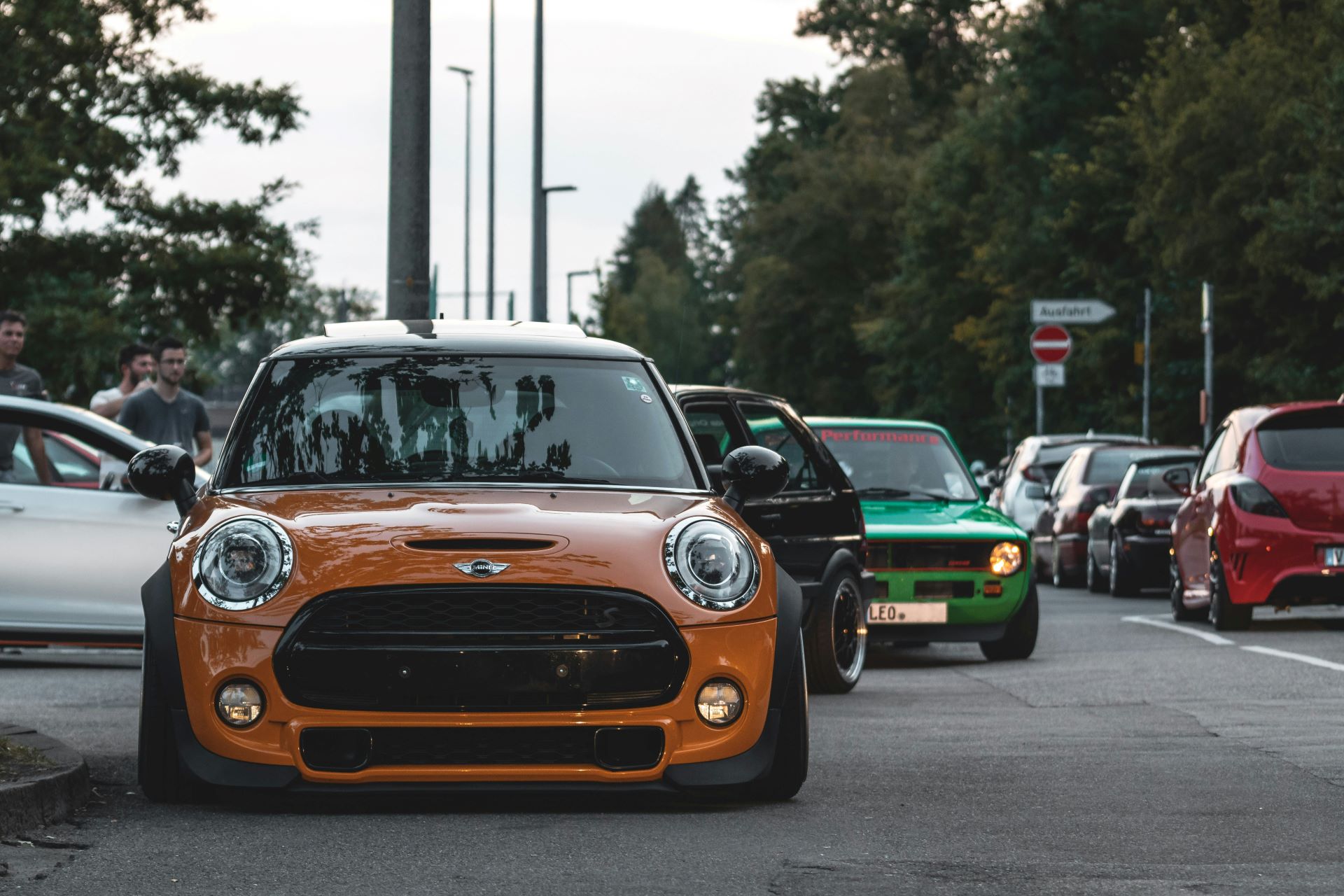
In the automotive sector, products are not merely functionalÔÇöthey are extensions of identity. Owning a luxury sedan signals prestige; a sports car communicates speed and precision; an electric SUV conveys environmental awareness and technological savvy. Event-based marketing capitalizes on this emotional aspect by immersing potential buyers in experiences that highlight not only the car but also the lifestyle it represents.
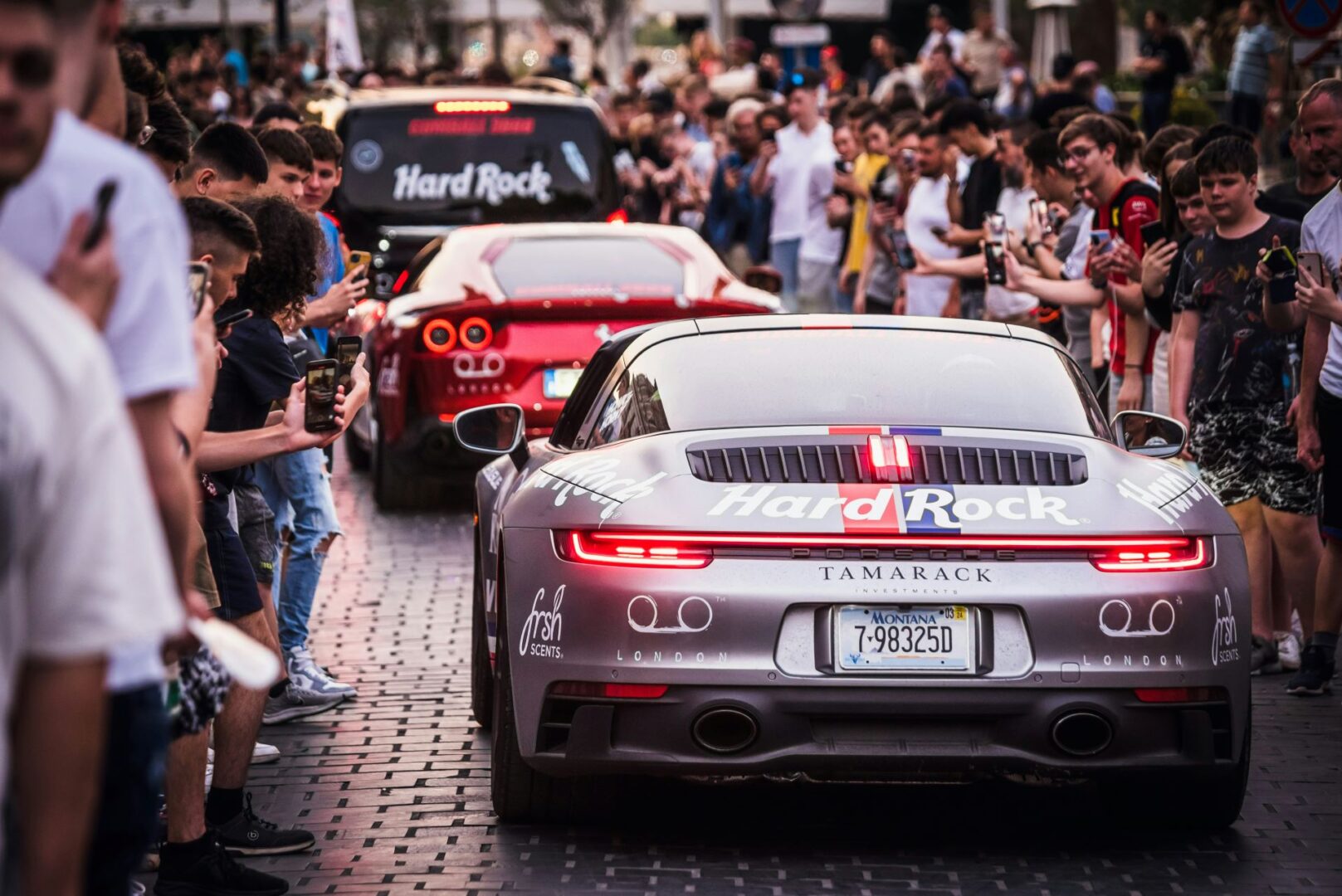
Auto shows remain the pinnacle of traditional experiential marketing. Here, brands have the opportunity to present their latest models, concept cars, and technological innovations in a controlled, theatrical environment. Every detail, from lighting to layout, is calibrated to create anticipation and awe. Visitors are drawn not just to the vehicles but to the spectacle itself, often sharing their experiences on social media, effectively amplifying the brandÔÇÖs reach beyond the event hall.
Track days and performance experiences take engagement one step further. By allowing participants to push vehicles to their limits under controlled conditions, automakers can showcase engineering excellence in a way that static displays cannot. For sports and performance brands, these events are particularly powerful; the roar of an engine, the feel of a car hugging a tight corner, and the thrill of acceleration create visceral memories that no brochure can replicate.
Pop-Up Events: Creating a Sense of Urgency
Pop-up events represent a modern, nimble approach to experiential marketing. By taking the car out of traditional showrooms and into urban environments, brands can reach audiences in unexpected locations. A pop-up might appear in a bustling city square, a shopping mall, or even an art gallery, blending seamlessly into lifestyle contexts that resonate with target demographics.
The allure of pop-ups lies in their ephemeral nature. They exist for a limited time, fostering urgency and exclusivity. Attendees feel privileged to experience the brand in a unique setting, a sensation that encourages social sharing. Photographs of a sleek electric vehicle under dramatic city lighting or a luxury SUV parked in a chic urban courtyard can generate substantial online buzz, creating a ripple effect that extends far beyond the physical event space.
Moreover, pop-up events allow for tailored messaging. Brands can experiment with creative themes, interactive displays, and multimedia experiences that emphasize specific features or values. For example, an electric car brand might offer an immersive VR journey showcasing its sustainability initiatives or future mobility concepts, deepening emotional engagement while educating the audience.
VIP Test Drives: Personalised Brand Engagement
Among the most intimate forms of event-based marketing in the automotive industry are VIP test drives. Unlike generic test drives at a dealership, these events are carefully curated experiences designed to make high-value prospects feel seen and valued. Brands often handpick participants, providing them with one-on-one sessions with product specialists, access to exclusive routes, or even overnight experiences at luxury accommodations.
The appeal of VIP test drives is twofold: personalization and exclusivity. Prospects experience the vehicle in a setting tailored to their lifestyle, whether it is navigating scenic coastal roads, tackling rugged off-road trails, or cruising through a cityscape that mirrors their daily life. This contextualized experience fosters an emotional connection, reinforcing the aspirational qualities of the vehicle while subtly aligning them with the consumerÔÇÖs self-image.
VIP experiences also enable brands to capture invaluable feedback. Engaging directly with customers in a relaxed, immersive setting allows for nuanced insights into perceptions, preferences, and pain points. This data is increasingly critical in refining marketing strategies, product design, and customer communications.
Leveraging Social Media: The Amplification Effect
Event-based marketing does not end when the gates close. In todayÔÇÖs hyper-connected world, the success of an event is often measured by its digital footprint. Social media platforms transform attendees into brand advocates, extending the reach and resonance of physical experiences. Event hashtags, Instagrammable installations, and shareable content become vital tools in creating ongoing conversations.
Automakers have increasingly recognized the importance of designing events with social content in mind. An interactive installation at a motor show, a dramatic reveal of a limited-edition model, or even a dynamic VR experience can generate visually striking content that attendees eagerly share. Influencers and media representatives amplify this reach, ensuring that the brand narrative penetrates beyond the confines of the event.
In addition, social media offers brands a feedback loop. User-generated content provides insight into audience sentiment, engagement, and perception. Metrics such as shares, comments, and views become a proxy for the eventÔÇÖs effectiveness, complementing traditional measures like foot traffic or leads generated. This dual approachÔÇöphysical experience coupled with digital amplificationÔÇöcreates a holistic marketing ecosystem where each touchpoint reinforces the next.
Case Studies in Event-Based Automotive Marketing
Some of the most successful experiential marketing campaigns in the automotive sector illustrate the diverse strategies brands employ.
Luxury Sports Car LaunchesGlobal luxury brands often combine track days with VIP experiences to debut high-performance vehicles. For instance, a limited-edition supercar might be introduced at an exclusive track event, allowing journalists, influencers, and select customers to test its capabilities in a controlled environment. The result is multi-platform coverage showcasing performance, design, and exclusivity.
Urban Electric Vehicle Pop-UpsElectric vehicle brands have leveraged pop-up events in urban centres to educate and excite potential buyers. Interactive displays, virtual test drives, and sustainability-themed installations provide not only exposure to new models but also reinforce brand values. These pop-ups frequently generate substantial social media engagement, as attendees capture and share their experiences.
Global Auto ShowsMotor shows, from Geneva to Detroit, remain iconic platforms for product and brand storytelling. Beyond unveiling vehicles, they provide immersive experiences including interactive exhibits, live demonstrations, and concept car previews. Here, storytelling merges with spectacle, leaving a lasting impression on both media and consumers.
These examples highlight a common thread: successful event-based marketing prioritizes experience, emotion, and engagement over mere exposure. By doing so, brands create lasting impressions that convert curiosity into desire and, ultimately, into sales.
Measuring the ROI of Event-Based Marketing
Critics of experiential marketing often question its return on investment, particularly given the costs associated with organizing large-scale events or bespoke VIP experiences. However, when executed strategically, the benefits can be significant and measurable.
Metrics include traditional lead generation and sales conversions, but increasingly, brands track engagement through social media reach, sentiment analysis, and content virality. In essence, the ROI of event-based marketing is not solely transactionalÔÇöit is relational. Successful campaigns strengthen brand loyalty, enhance perception, and cultivate long-term advocates who amplify the brand message voluntarily.
Moreover, the value of experiential marketing extends internally. These events energize dealer networks, motivate sales teams, and provide authentic stories for advertising campaigns. The insights gained from firsthand engagement with customers also inform broader marketing and product development strategies, making experiential campaigns a multi-faceted investment.
The Future of Automotive Experiential Marketing
The landscape of experiential marketing is evolving alongside automotive innovation. Autonomous vehicles, electric drivetrains, and connected car technologies present new opportunities for immersive experiences. Virtual reality, augmented reality, and mixed-reality installations allow potential buyers to explore vehicles and features in entirely new dimensions, bridging the gap between digital and physical engagement.
Sustainability is also reshaping event strategies. Brands increasingly emphasize eco-conscious experiences, highlighting electric vehicles, recycled materials, and green energy initiatives in creative formats. By aligning events with broader societal values, automotive companies not only showcase products but also demonstrate commitment to global trends and responsible practices.
Furthermore, personalization and hyper-targeting will continue to define successful campaigns. Data-driven insights allow brands to curate experiences that resonate deeply with individual consumers, transforming events from mass spectacles into intimate, memorable interactions.
Driving Engagement Beyond Transactions
Event-based marketing in the automotive sector is not merely a promotional tacticÔÇöit is a strategic imperative. By creating immersive experiences that engage emotion, stimulate senses, and generate shareable content, brands forge meaningful connections with consumers that extend far beyond the showroom floor. Whether through grand motor shows, adrenaline-charged track days, innovative pop-ups, or intimate VIP test drives, experiential marketing transforms cars from objects into stories, experiences, and aspirations.
As technology, sustainability, and consumer expectations continue to evolve, the brands that will thrive are those willing to innovate not just in the vehicles they produce but in the experiences they offer. In a world awash with data, the human touchÔÇöthe thrill of acceleration, the awe of design, the joy of discoveryÔÇöremains the ultimate differentiator. Event-based marketing ensures that the story of the car, and the brand behind it, is not only told but lived.
Breyten Odendaal
Specializing in high-performance automotive advertising and digital marketing solutions, delivering cutting-edge insights and the latest news shaping the automotive industry in South Africa.
More From Advertising
Automotive Advertising in 2026: Selling Confidence in a More Competitive Market
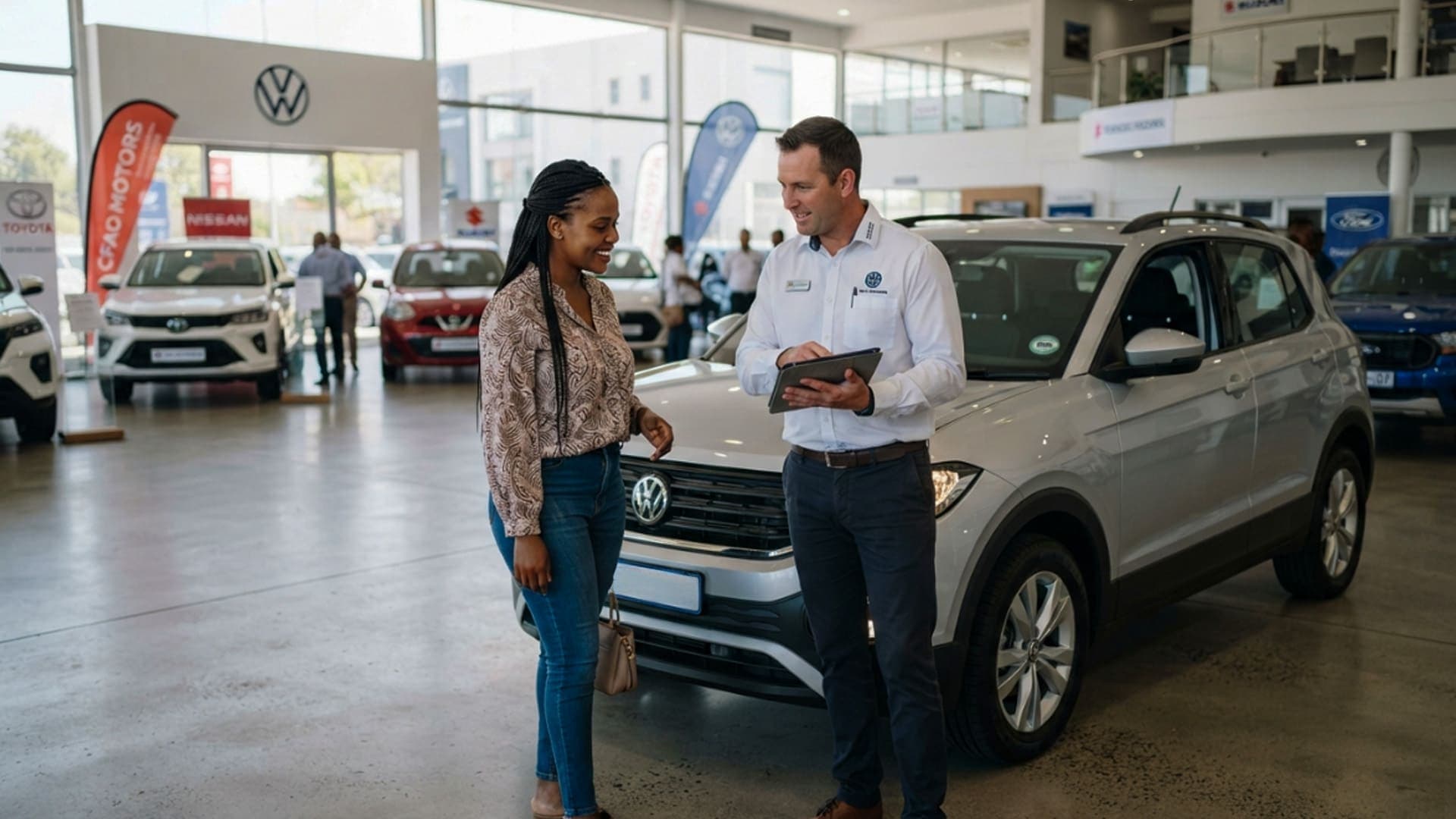
As South Africa’s vehicle market becomes more competitive, automotive advertising needs to do more than announce a price or specification. It needs to help buyers understand value, ownership costs and why a vehicle suits their lives.

Automotive Digital Ads in South Africa: A Shift
Exploring how South Africa’s automotive advertising evolved from print and broadcast to data-driven, programmatic digital ecosystems.

The Video Shift in Car Buying Decisions in SA
Explore how video content shapes car purchase decisions in South Africa, comparing short-form and long-form strategies for automotive marketers.