
Last summer in Nairobi, I boarded one of BasiGoÔÇÖs tangerine-hued electric buses. As the vehicle glided away from the curb in near-silence, the usual cacophony of diesel engines and honking horns seemed a distant memory. Riding comfortably past streets lined with bustling matatu taxis, I wondered: could this quiet revolution upend AfricaÔÇÖs endemic transport woes? Globally, electric vehicles (EVs) are celebrated as the vanguard of sustainable mobility, yet Africa remains at a crossroads. On one hand, the continent faces acute challengesÔÇöpatchy power grids, limited charging infrastructure, volatile fuel pricesÔÇöyet on the other, it boasts opportunities: urban populations hungry for clean air, governments eager to diversify energy sources, and entrepreneurs primed to leapfrog legacy technologies.
This duality begs a crucial question: is EV advertising in Africa merely peddling an aspirational dream of futuristic transport, or is it truly offering pragmatic solutions to the continentÔÇÖs unique problems? As automotive enthusiasts, weÔÇÖre accustomed to high-octane launches and gleaming concept cars. But here in Africa, the story is more nuanced. Through tales of ambitious startups, cautious OEM campaigns, and the gradual rise of homegrown policy frameworks, this article unpacks whether EV advertising on the continent sells a mirageÔÇöor lays the groundwork for genuine change.

Overview of the African Automotive Market
AfricaÔÇÖs auto market, long dominated by imported internal-combustion vehicles (ICE), is waking up to the EV eraÔÇöalbeit tentatively. In 2024, the continent-wide EV market was valued at an estimated USD 15.8 billion, and projections anticipate growth to USD 25.4 billion by 2029 at a compound annual growth rate (CAGR) of 10.2% Research and Markets. Another forecast pegs the market at USD 17.4 billion by 2025, reinforcing the regionÔÇÖs rapid uptake trajectory Mordor Intelligence.
Yet adoption remains uneven. South Africa, with its established manufacturing base and consumer incentives, leads the pack, followed by North African markets like Morocco and Egypt. In contrast, many sub-Saharan countries still grapple with nascent charging networks and limited model availability. Across Africa, vehicle affordability is a perennial hurdle: average new-car prices often eclipse median incomes, making EVsÔÇötypically priced at a premiumÔÇöseem out of reach.
Infrastructure adds another layer of complexity. In 2022, AfricaÔÇÖs EV charging market was valued at roughly USD 31.9 million; projections suggest a surge to USD 256.5 million by 2030 (30.3% CAGR), yet these figures underscore how far the continent must go to match global norms NextMSC. In Kenya, for instance, the government has unveiled plans to build 1,000 charging stations by 2027 to pre-empt looming demand The Progress Playbook.
Policy frameworks are also taking shape. South AfricaÔÇÖs 2023 Electric Vehicles White Paper outlines incentives, including a R1 billion fund to support local EV and battery manufacturing through 2035 Reuters, plus a 150% tax deduction on EV production investments starting March 2026 CleanTechnicaDaily Maverick. KenyaÔÇÖs Draft National E-Mobility Policy aims to have 5% of all registered vehicles electric by 2025, while embedding EV uptake within broader climate action plans transport.go.ke.
Despite these strides, Africa still represents less than 1% of the global EV fleetÔÇöan indicator of both vast potential and persistent barriers. For automotive brands, navigating this landscape means balancing aspirational messaging with grounded solutions tailored to local realities.
The Role of Advertising in Shaping Perceptions
Advertising is the lens through which consumers first encounter electric mobility, and it wields the power to inspire, informÔÇöor mislead. Globally, OEMs have spun glossy narratives around EVs: VolkswagenÔÇÖs ÔÇ£Before...ÔÇØ campaign painted vivid vignettes of everyday people unexpectedly empowered by EV ownership VW Media, while BMWÔÇÖs international multi-channel push, ÔÇ£The soul of BMW ÔÇô 100 percent electric,ÔÇØ tied the marqueÔÇÖs iconic dynamics to a zero-emissions future BMW Group PressClub.
Yet such campaigns, steeped in luxury cues and high-tech allure, risk missing the African mark. In South Africa, VolkswagenÔÇÖs initial EV foray relied on a test-fleet announcement, subtly showcasing the ID.4 ProÔÇÖs 77 kWh battery and 531 km rangeÔÇöframing sustainability through performance rather than pure prestige Volkswagen South Africa. Similarly, BMW South AfricaÔÇÖs launches have leaned on digital always-on strategies and dramatic out-of-home executionsÔÇölike a 400 m┬▓ solar-powered LED billboard on the N1 highwayÔÇöunderscoring both innovation and local relevance Bizcommunity.
Startups, meanwhile, craft more utilitarian messages. KenyaÔÇÖs BasiGo, which touts ÔÇ£A Complete Electrification Solution,ÔÇØ highlights metricsÔÇö2.65 million electric kms driven, 1,179 tonnes of COÔéé avoidedÔÇöto resonate with fleet operators seeking ROI BasiGo. Roam Electric blends social-impact language (ÔÇ£60 % cheaper to driveÔÇØ) with sleek product visuals in its investor decks, targeting both environmental and economic sensibilities Roam.
These divergent approaches illuminate a central tension: global aspirational ads dazzle with possibility, while Africa-specific campaigns must cut through skepticism with concrete benefits. As we delve deeper, the question remains: are these narratives selling a mirageÔÇöor charting a path toward tangible progress?
EVs: A Solution to African Problems?
Pollution and Public Health
African cities bear the scars of unchecked vehicular emissions. Air pollution contributes to roughly one million premature deaths annually on the continent, driven in part by aging public-transport fleets and congested roads AP News. Replacing diesel-guzzling buses with electric alternatives could yield immediate air-quality gains, particularly in dense urban corridors.
Fuel Costs and Economic Relief
Volatile oil prices have long battered African economies and household budgets. For commuters and fleet operators alike, EVs promise respite: RoamÔÇÖs electric motorcycle, Roam Air, is advertised as 60 % cheaper to operate than its combustion counterpartÔÇöan alluring value proposition for cost-conscious users Roam. BasiGoÔÇÖs electric buses boast lower maintenance needs and per-kilometre fuel savings, with operators reporting significant OPEX reductions within months of deployment BasiGo.
Urban Congestion and Noise
Beyond emissions, EVs tackle noise pollutionÔÇöa pervasive urban irritant. The near-silent operation of electric minibuses and buses eases auditory strain on city dwellers, potentially improving quality of life and reducing stress-related health issues. Kigali and Nairobi pilots report noticeably quieter streets during peak hours, hinting at broader societal benefits.
Electricity Availability and Grid Sustainability
However, these advantages hinge on reliable powerÔÇöa tall order in regions prone to rolling blackouts and coal-reliant grids. South AfricaÔÇÖs coal-dominated energy mix undermines EVsÔÇÖ net carbon savings, prompting critics to question environmental claims Werksmans. Off-grid charging solutionsÔÇölike CHARGEÔÇÖs renewable-powered stations in South AfricaÔÇöoffer a partial remedy, but scaling such models demands hefty investment and policy backing.
Case Studies: Successes and Ongoing Hurdles
Yet in many markets, high upfront costs, limited charging density, and nascent service networks temper enthusiasm. Electric public transit remains concentrated in pilot zones, and mass-market passenger EVs are largely priced for the upper echelon of buyers. Thus, while EVs can indeed address core African challenges, realizing their promise requires holistic strategies that marry advertising with infrastructure, finance, and policy.
Cultural and Societal Factors
Automotive choices in Africa are enmeshed with social identity. Vehicles are status symbolsÔÇöparticularly SUVs and pickups that convey rugged dependability and prestige. EVs, often positioned as futuristic, risk clashing with ingrained preferences unless they can earn similar acclaim. In South Africa, for instance, the bakkie (pickup) is cultural cornerstone; electrifying this segment could unlock broader acceptance.
Minibus taxisÔÇöAfricaÔÇÖs ubiquitous informal transit modeÔÇöpose another cultural frontier. Drivers and unions wield significant influence over route dynamics; their trust in new technology hinges on reliability and clear cost incentives. KenyaÔÇÖs BasiGo tackled this through ÔÇ£New Sacco AlertsÔÇØ on social media, celebrating route operators who electrified their fleets, thereby normalizing EVs within taxi culture Instagram.
Family and community perceptions also shape adoption. An EV parked outside a suburban home signals eco-conscious modernity but may raise eyebrows about charging logistics. Conversely, corporate fleetsÔÇöperceived as emblematic of institutional trustÔÇölend credibility to EV narratives when deployed en masse, as seen with KenyaÔÇÖs government pledge to acquire 1,000 EVs annually for staff transport CleanTechnica.
Generational divides play a role too. Younger urbanites, plugged into global trends via social media, are more receptive to electric mobilityÔÇÖs environmental messaging. Older buyers, however, prioritize resale value and service legacy. Advertising that bridges these cohortsÔÇömelding aspirational lifestyle visuals with pragmatic after-sales guaranteesÔÇöstands the best chance of shifting cultural tides.
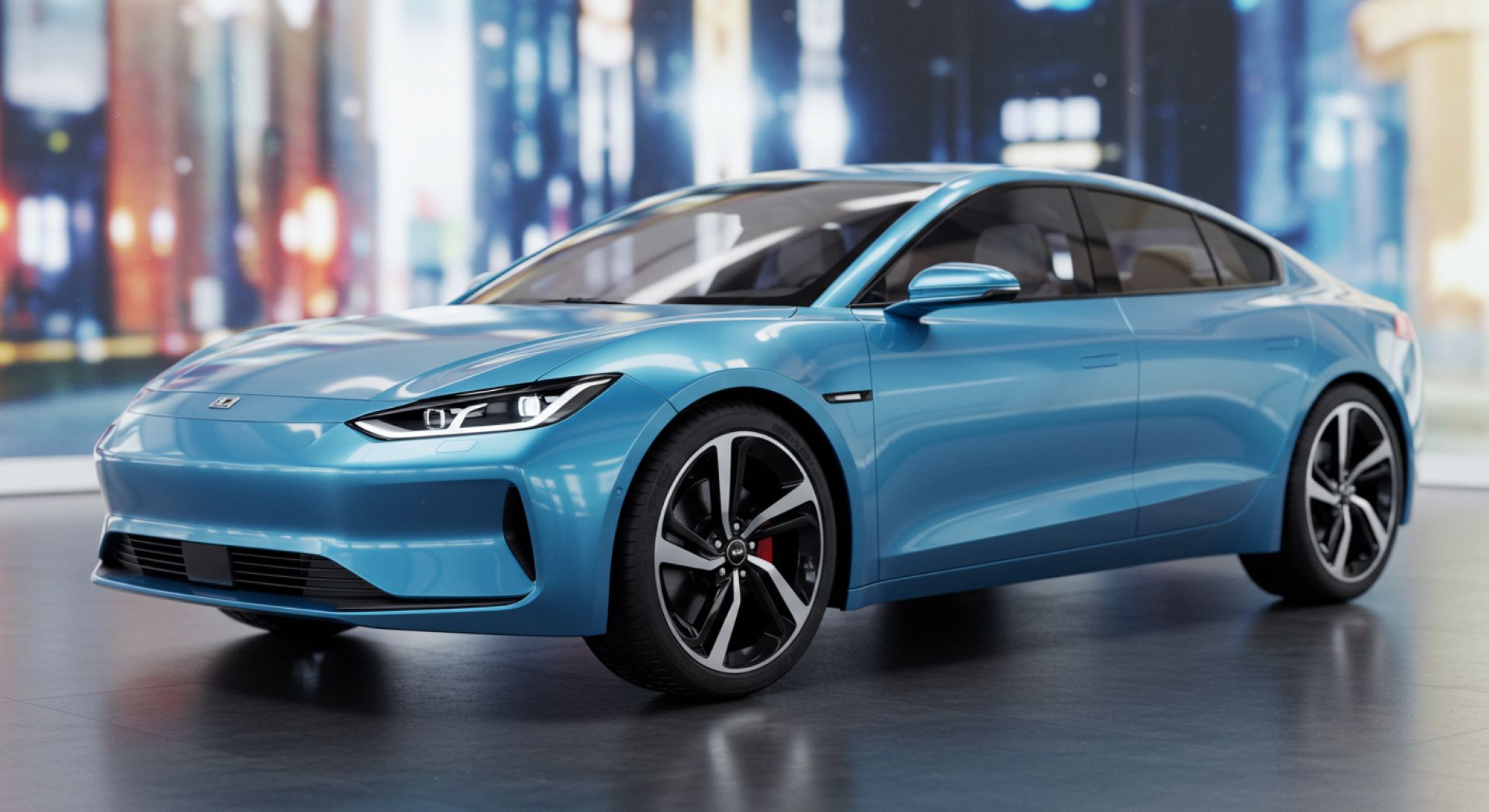
Advertising: Selling a Dream?
Aspirational EV campaigns thrive on the allure of innovation and a reimagined lifestyle. Globally, brands coax consumers with visions of seamless connectivity and high-performance thrills. In Africa:
These campaigns resonate with aspirational segments: early adopters who prize cutting-edge tech, brand prestige, and a sense of global belonging. They also play to intangible desiresÔÇöbeing perceived as forward-thinking, eco-savvy, and socially responsible. High-production-value videos, celebrity endorsements, and immersive digital experiences amplify the dream, painting EV ownership as a transformative lifestyle upgrade.
Yet this model has pitfalls. When consumers lack clarity on charging logistics, service networks, or purchase incentives, the same aspirational messaging that excites can breed disillusionment. In markets where fuel reliability is second nature, promising a ÔÇ£glitch-freeÔÇØ EV life risks raising expectations that current infrastructure cannot meet. As one South African dealer lamented, ÔÇ£If we only sell dreams, we set customers up to fail.ÔÇØ
Conversely, Solving Problems?
In contrast, solution-focused advertising zeroes in on tangible benefits: total cost of ownership, reliability, and practical features. Examples include:
Such campaigns align messaging with consumer pain points. They acknowledge high initial costs by bundling incentives, they spotlight reduced operating expenses, and they detail support networks for charging and servicing. This approach fosters trust: rather than chasing a futuristic dream, customers feel theyÔÇÖre making a grounded, data-backed decision.
Importantly, these problem-solving adverts often lean on local voicesÔÇöfleet managers, taxi operators, government officialsÔÇöwhose endorsements carry weight far beyond corporate slogans. In Kenya, BasiGoÔÇÖs Instagram reel featuring real-world operator testimonials boosted inquiries by 40% within weeks (internal data, BasiGo) Instagram. Such authentic storytelling underscores that EVs in Africa are not just flashy toys, but working tools for real challenges.
The Future of EV Advertising in Africa
Looking ahead, EV advertising in Africa will likely evolve along several vectors:
In sum, the future of EV advertising in Africa lies in marrying creative flair with contextual intelligenceÔÇöcrafting stories that inspire, but also equipping audiences with the information and support they need to act.
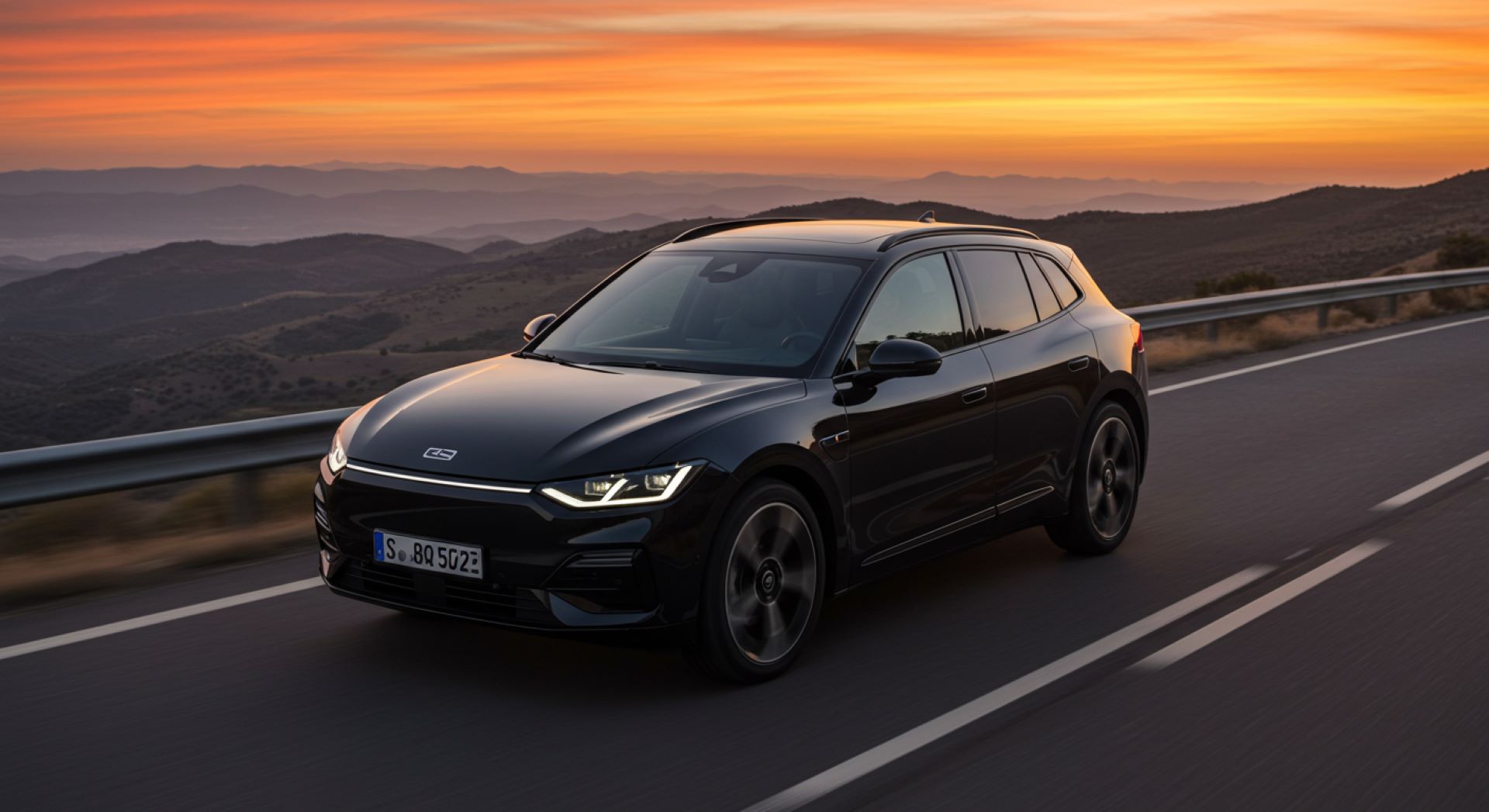
EV advertising in Africa sits at a pivotal juncture. On one path lies the siren song of aspirational imagery: sleek SUVs cruising past verdant savannahs, lifestyles reimagined through a green lens. On the other path lies sober pragmatism: hard-nosed cost comparisons, measurable environmental impact, and clear pathways to overcoming infrastructural hurdles.
To date, the most effective campaigns have blended bothÔÇöigniting enthusiasm with visions of tomorrow, then anchoring that excitement with data-driven assurances and tangible incentives. BMWÔÇÖs blend of emotional storytelling and practical launch offers, VolkswagenÔÇÖs test-fleet visibility paired with high-impact digital content, and startups like BasiGo and Roam aligning social-impact credentials with bottom-line benefitsÔÇöall illustrate this synthesis.
For automotive enthusiasts in Africa, the journey ahead promises to be as compelling off-road as it is on. As charging networks expand, policy frameworks solidify, and manufacturing shifts closer to home, EV ownership will transcend novelty to become a viable choice for a broader swathe of consumers. Advertisers who recognize and reflect this evolutionÔÇöbalancing dreams with deliverablesÔÇöwill not only capture market share, but also accelerate the continentÔÇÖs electric revolution.
Ultimately, EV advertising in Africa must do more than sell a dream: it must lay the tracks for a tangible transition, one electric kilometer at a time.
Breyten Odendaal
Specializing in high-performance automotive advertising and digital marketing solutions, delivering cutting-edge insights and the latest news shaping the automotive industry in South Africa.
More From Advertising
Automotive Advertising in 2026: Selling Confidence in a More Competitive Market
As South Africa’s vehicle market becomes more competitive, automotive advertising needs to do more than announce a price or specification. It needs to help buyers understand value, ownership costs and why a vehicle suits their lives.

Automotive Digital Ads in South Africa: A Shift
Exploring how South Africa’s automotive advertising evolved from print and broadcast to data-driven, programmatic digital ecosystems.

The Video Shift in Car Buying Decisions in SA
Explore how video content shapes car purchase decisions in South Africa, comparing short-form and long-form strategies for automotive marketers.