Moving Beyond the Numbers
For more than a century, the automotive industry has thrived on mechanical allure, horsepower figures, and the visceral thrum of combustion. In the age of electrification, however, marketing is confronted with a profound challenge: how to ignite desire in a world where the engineÔÇÖs roar has been replaced with near-silence, and the hard sell of performance specifications risks turning into a sterile spec sheet exchange.
To succeed, car brands must transcend the obsession with kilowatt-hours, charging speeds, and range anxiety. Electrification is no longer just a matter of engineeringÔÇöit is a cultural movement, a shift in identity, and an opportunity to craft new stories around sustainable performance. What matters now is emotion: how the electric vehicle makes people feel, and how that feeling can be translated into compelling narratives that inspire connection.
This is not simply a marketing exercise. It is a redefinition of automotive passion for an era in which performance is measured not only in acceleration times but also in conscience, responsibility, and the seamless integration of advanced technology with human experience.
From Horsepower to Heartpower
Traditional performance marketing revolved around brute force. Advertisements glorified engines, acceleration figures, and the primal thrill of combustion. Yet in the EV landscape, the raw numbers often fall flat. Range, torque, and charging speeds matter, but they rarely stir the soul.
The opportunity lies in shifting from horsepower to what can be called heartpowerÔÇöa storytelling approach that places the driverÔÇÖs emotional journey at the center. The narrative is no longer about ÔÇ£what the car can doÔÇØ but ÔÇ£how the car makes you feel while it does it.ÔÇØ
For instance, instead of promoting a 0ÔÇô100 km/h sprint in 3.2 seconds, marketers can evoke the sensation of seamless accelerationÔÇöthe way instant torque pins you to the seat while delivering it in near-silence, almost like flying low across tarmac. Instead of describing battery capacity, the story can revolve around the liberation of leaving the gas pump behind, or the joy of discovering that your everyday commute is now a sanctuary of calm punctuated by bursts of exhilarating performance.
Heartpower is about translating the invisible into the visceral. It is about making the intangible qualities of electrificationÔÇöquietness, smoothness, sustainabilityÔÇöfeel as aspirational and emotionally rich as the growl of a V8 once was.
Reframing Sustainability as Luxury
Sustainability in marketing often risks sounding like sacrifice: less waste, fewer emissions, smaller footprints. The tone is worthy, but not always seductive. To resonate with audiences, especially those considering premium EVs, sustainability must be reframed as the ultimate form of modern luxury.
Driving electric is not about giving something up. It is about gaining a new kind of richnessÔÇötime saved by home charging, comfort heightened by silence, status elevated by progressiveness. A luxury EV campaign should not only tout eco-credentials but position sustainability as the pinnacle of refinement.
Consider how quietness, once framed as absence, can be marketed as presence. The absence of engine noise becomes the presence of tranquility. The absence of tailpipe emissions becomes the presence of freedom to enter any city zone. The absence of mechanical compromise becomes the presence of instant, effortless power.
This reframing turns sustainability from an obligation into a privilege. The buyer is not making a sacrifice for the planetÔÇöthey are rewarding themselves with the most advanced and future-ready form of automotive experience.
Crafting New Rituals of Desire
For decades, automotive desire has been built on rituals: the sound of an ignition, the scent of leather, the rumble of acceleration. With EVs, many of those rituals are goneÔÇöor radically transformed. The marketing challenge lies in creating new rituals of desire that feel just as potent, if not more so.
Brands can lean into the theatre of silence, turning the absence of noise into a canvas for heightened sensation. The hum of electric motors at speed can become the signature note of futuristic performance. Regenerative braking, often overlooked, can be positioned as a sensation of mastery, allowing the driver to control speed with a single pedal, almost like conducting an orchestra of momentum.
Charging, too, can evolve from an inconvenience into a ritual. A marketing narrative could liken plugging in an EV at night to a personal resetÔÇöa car that wakes up every morning as refreshed as its driver. Fast-charging on a road trip can be reframed as a moment of pause, a chance to savor a coffee while the car sips its own energy. These rituals may seem small, but when imbued with storytelling, they create emotional anchors that strengthen the bond between driver and machine.
Storytelling Beyond the Dashboard
EV marketing must also move beyond the individual driver to embrace the broader ecosystem of electrification. Unlike combustion vehicles, EVs are not just cars; they are nodes in a larger story about infrastructure, renewable energy, and lifestyle integration.
A campaign that showcases a family road trip powered by renewable energy drawn from their home solar panels tells a story far beyond kilowattsÔÇöit tells a story of independence, self-sufficiency, and generational progress. A narrative that focuses on a young professional gliding silently through urban streets in an EV reframes the car not as a machine but as a symbol of modern identity, aligning with values of innovation, mindfulness, and status.
Here, brands have the chance to become storytellers not only of vehicles but of entire ecosystems. They can narrate the role of EVs in reshaping cities, reducing noise pollution, or enabling cleaner air. This widens the scope of marketing, positioning the EV not just as a purchase but as a lifestyle upgradeÔÇöan entry ticket into the future.
Performance Reimagined
Performance has always been central to automotive desire, but in the electric era, it requires redefinition. The brutal theatre of exhaust notes and gear changes gives way to a new kind of performance: seamless, immediate, and intelligent.
EV acceleration is not only faster in many cases but more democratic. Instant torque is available to all drivers, not just those skilled in manual clutch control. Marketing can celebrate this democratization of performance, presenting it as inclusive, empowering, and accessible.
Performance can also be reframed as intelligence. Instead of horsepower wars, the new battleground is software: adaptive energy management, predictive navigation, and seamless updates that make the car smarter with age. Marketers can craft stories where performance is not measured in quarter-mile times but in how intelligently the car anticipates a driverÔÇÖs needs, optimizes range, and seamlessly integrates into digital life.
In this narrative, performance is no longer just about speedÔÇöit is about smartness, fluidity, and confidence. It is about a car that feels alive, responsive, and perfectly attuned to its driver.
Emotion in a Data-Driven World
The rise of EVs has coincided with a rise in data-driven marketing, where customer behavior is tracked, analyzed, and targeted with precision. Yet in the rush for personalization, marketers risk losing sight of the deeper emotional resonance that defines lasting automotive desire.
The key lies in balancing precision with poetry. Yes, digital tools can help identify prospects based on lifestyle, geography, and charging infrastructure. But once the audience is reached, the message must go beyond analytics. It must spark imagination, stir ambition, and create longing.
EV marketing is not about convincing consumers with charts and facts. It is about making them believe in a future that feels aspirational, human, and inevitable. It is about making them feel that choosing an EV is not just a rational decision but an emotional elevationÔÇöa step into a story they want to be part of.
Case Studies in Emotional EV Storytelling
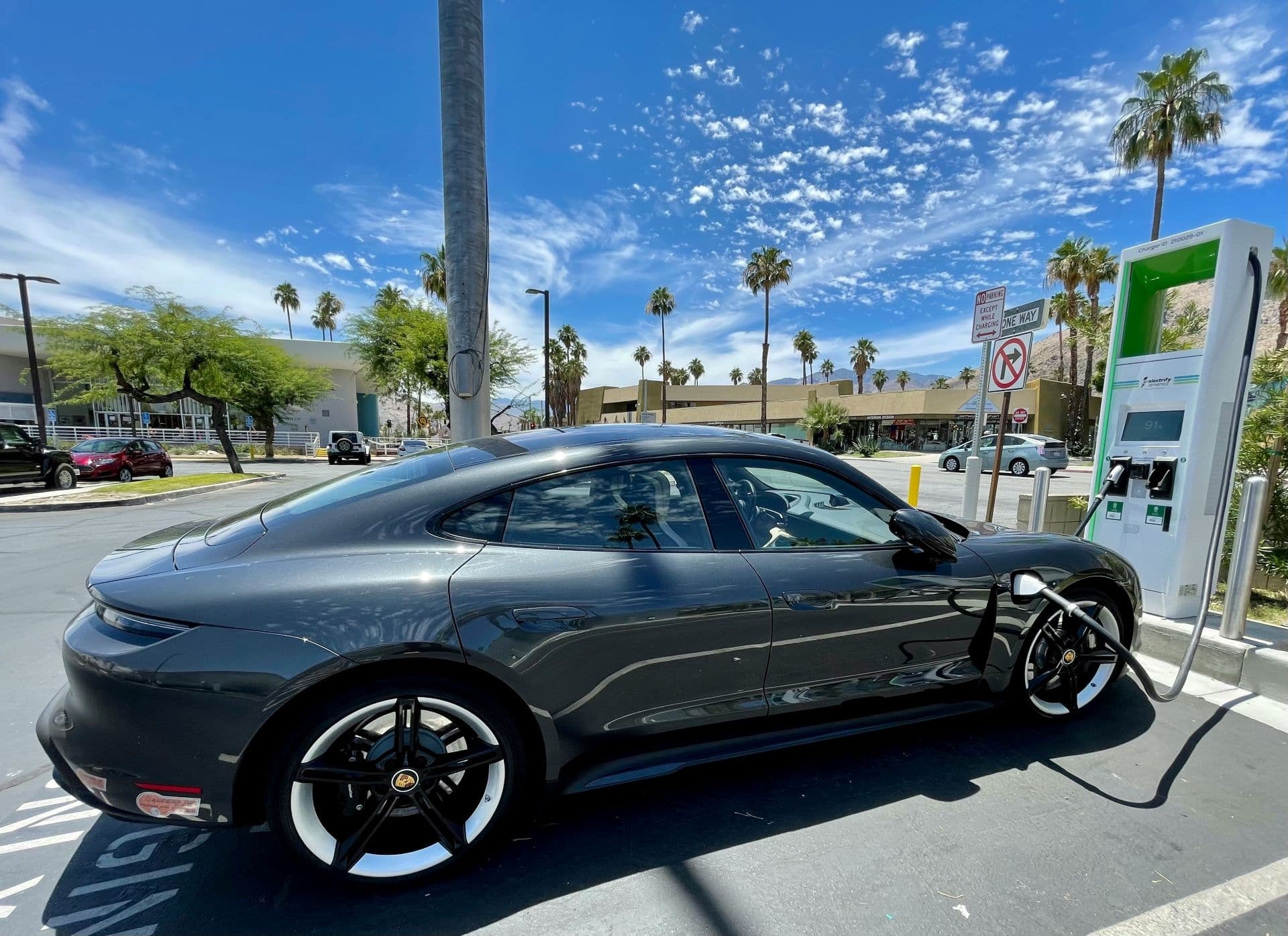
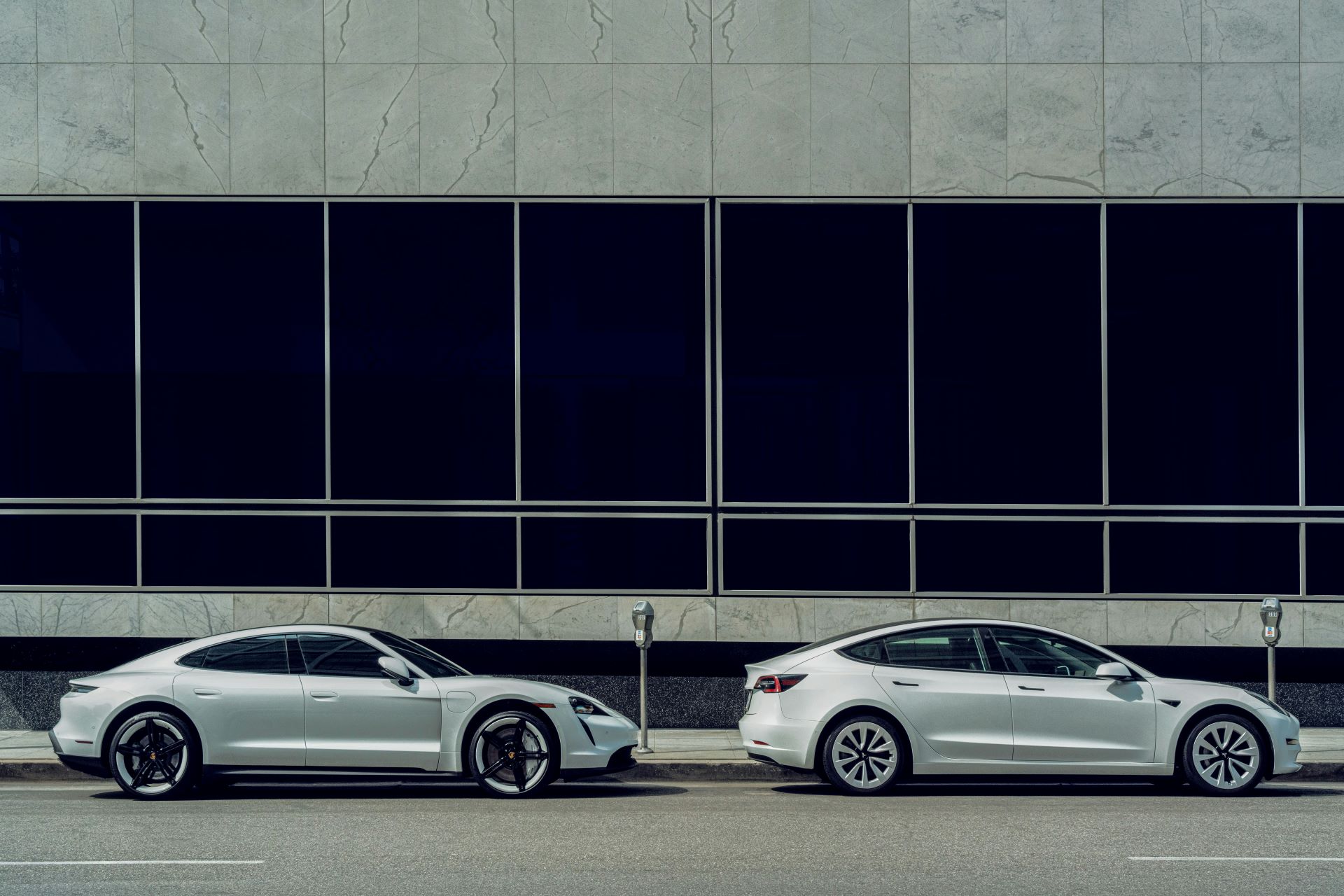
TeslaÔÇÖs early success did not come from endlessly touting specs. It came from positioning the brand as a movement, a rebellion against the old automotive order, and a promise of a cleaner, smarter future. Likewise, PorscheÔÇÖs Taycan campaign did not simply highlight rangeÔÇöit evoked the thrill of electric performance that remained true to PorscheÔÇÖs DNA, proving that passion and sustainability could coexist.
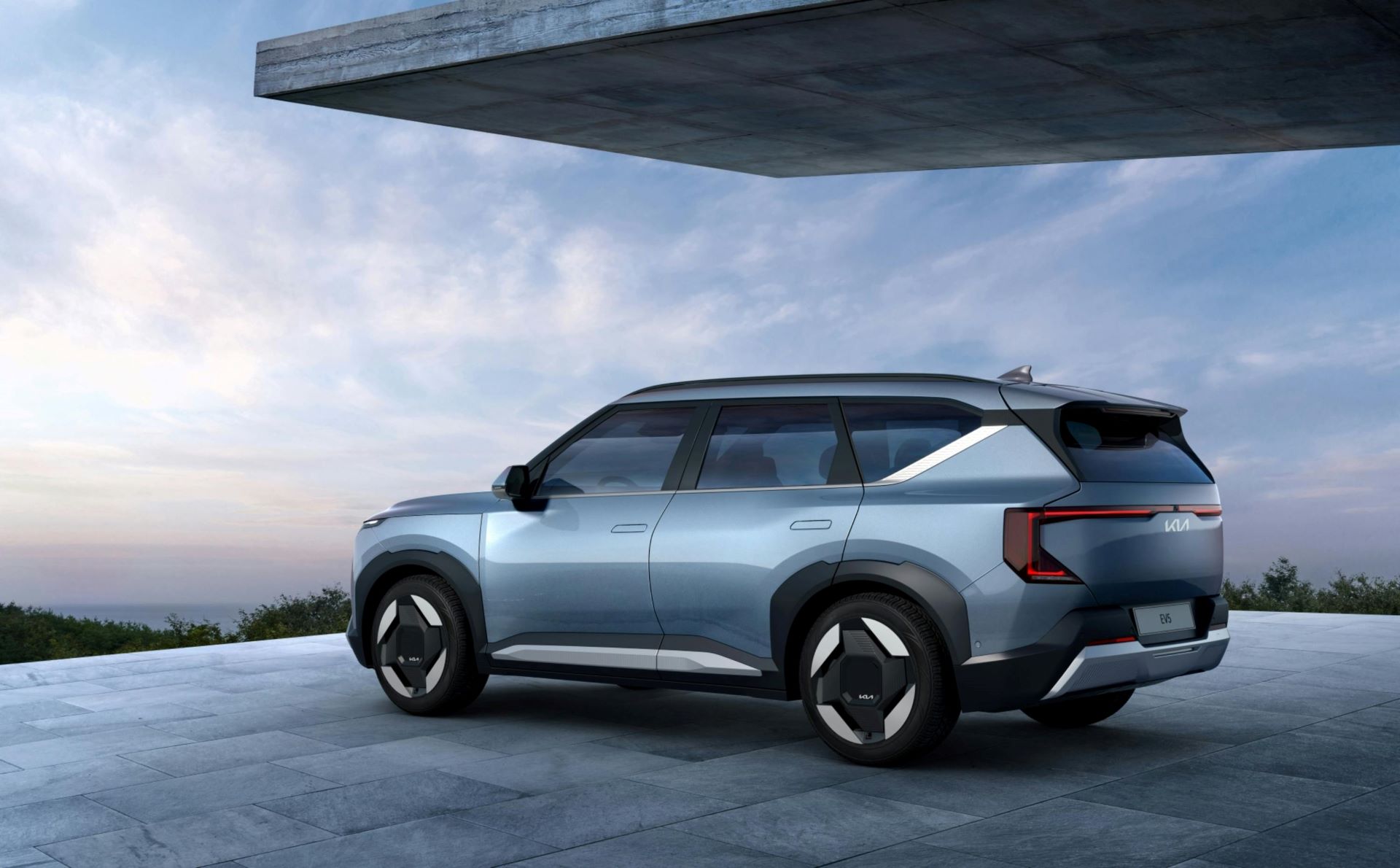
Volvo has leaned into safety and sustainability as emotional pillars, framing its EVs as not just cars but guardians of family and future. Meanwhile, Hyundai and Kia have embraced design and lifestyle storytelling, positioning their EVs as vibrant, modern choices that speak to identity as much as practicality.
These examples show that the most successful EV campaigns do not just sell cars. They sell storiesÔÇöstories of rebellion, tradition, safety, lifestyle, and emotion.
Selling the Future by Selling the Feeling
Electrification is not just an engineering revolutionÔÇöit is a storytelling revolution. The challenge for marketers is to replace the emotional anchors of the combustion era with new narratives that make electrification desirable, not just logical.
To succeed, automotive marketing must elevate beyond range anxiety and technical jargon. It must sell the hum of acceleration that feels like flight, the quiet that feels like luxury, the sustainability that feels like privilege, and the ecosystem that feels like belonging.
Ultimately, the brands that will win are not those with the largest batteries or the fastest charging times. They are those who tell the most compelling storiesÔÇöstories that stir the heart as much as they inform the mind. Stories that make electrification not just a technology but a feeling.
Breyten Odendaal
Specializing in high-performance automotive advertising and digital marketing solutions, delivering cutting-edge insights and the latest news shaping the automotive industry in South Africa.
More From Advertising

Automotive Advertising in 2026: Selling Confidence in a More Competitive Market
As South Africa’s vehicle market becomes more competitive, automotive advertising needs to do more than announce a price or specification. It needs to help buyers understand value, ownership costs and why a vehicle suits their lives.

Automotive Digital Ads in South Africa: A Shift
Exploring how South Africa’s automotive advertising evolved from print and broadcast to data-driven, programmatic digital ecosystems.

The Video Shift in Car Buying Decisions in SA
Explore how video content shapes car purchase decisions in South Africa, comparing short-form and long-form strategies for automotive marketers.