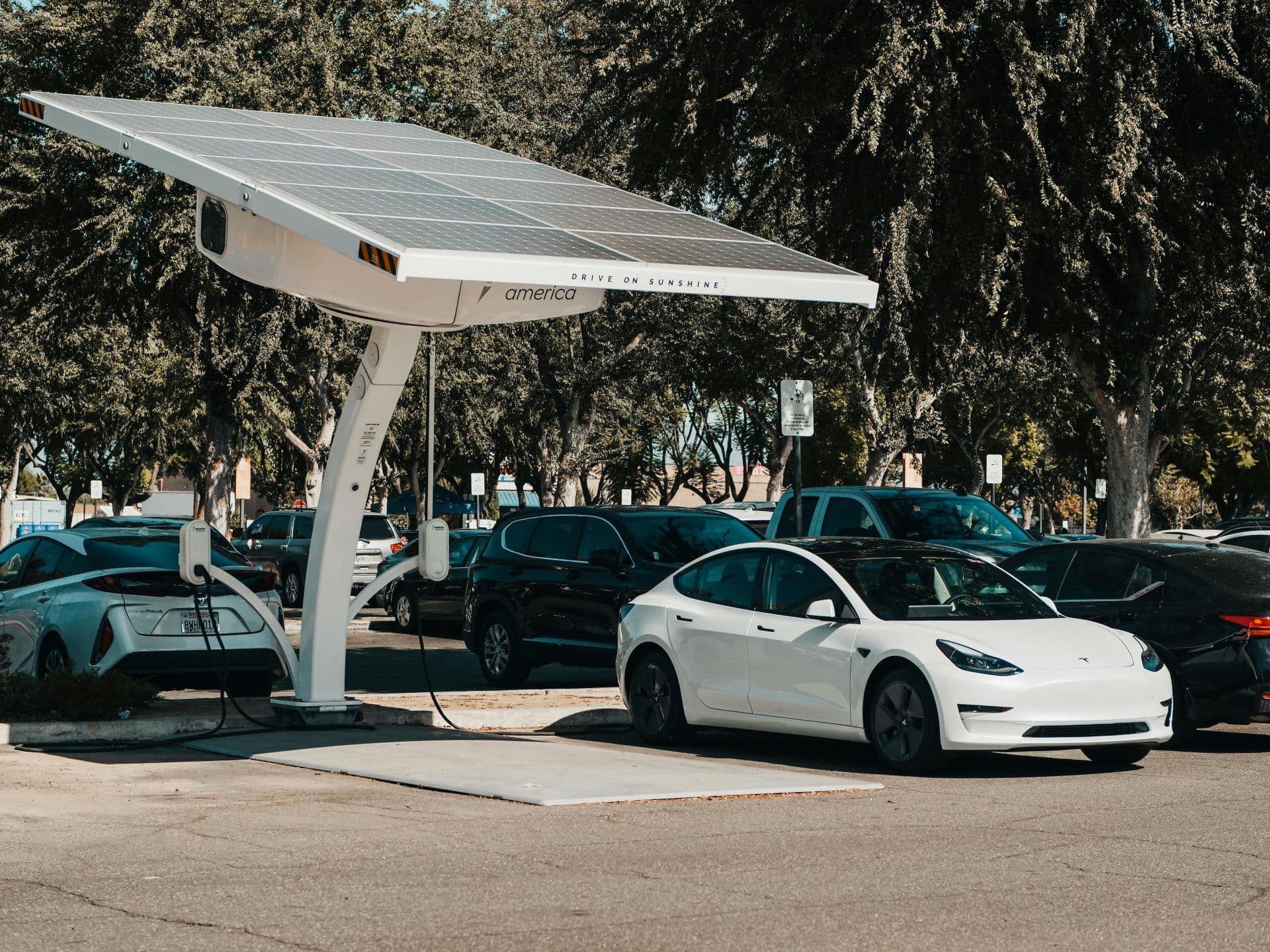
Electric vehicles (EVs) are no longer a futuristic concept reserved for high-income nations. Across the globe, automakers are aggressively expanding their electric mobility strategies into emerging markets, recognising both the enormous potential and the unique challenges these regions present. While consumer enthusiasm for EVs is growing, the road to adoption is far from straightforward. Skepticism persists, infrastructure gaps remain significant, and the dynamics of emerging economies demand a nuanced marketing approach. For automotive brands, understanding and navigating these complexities is critical not just for market entry, but for long-term growth and brand loyalty.

The Consumer Scepticism Challenge
In emerging markets, consumer scepticism is one of the most substantial barriers to EV adoption. Unlike established markets, where government incentives, charging networks, and brand trust can smooth the path for EVs, emerging economies often grapple with a combination of misinformation, perceived risk, and entrenched habits.
Many potential buyers are concerned about the total cost of ownership, which remains a primary consideration even as EV prices gradually decline. While fuel savings and lower maintenance costs are often cited as key advantages, these benefits can feel abstract to consumers unfamiliar with electric mobility. Concerns about battery degradation, resale value, and the availability of servicing and support contribute to hesitation.
Marketing campaigns in these markets must therefore go beyond traditional product messaging. They must educate, reassure, and build confidence. Storytelling that highlights real-world experiencesÔÇöfocusing on reliability, total cost savings, and long-term valueÔÇöcan help shift perceptions. Localised case studies, testimonials from early adopters, and interactive experiences such as EV test drives are powerful tools in addressing scepticism and converting curiosity into commitment.
Infrastructure: The Silent Gatekeeper
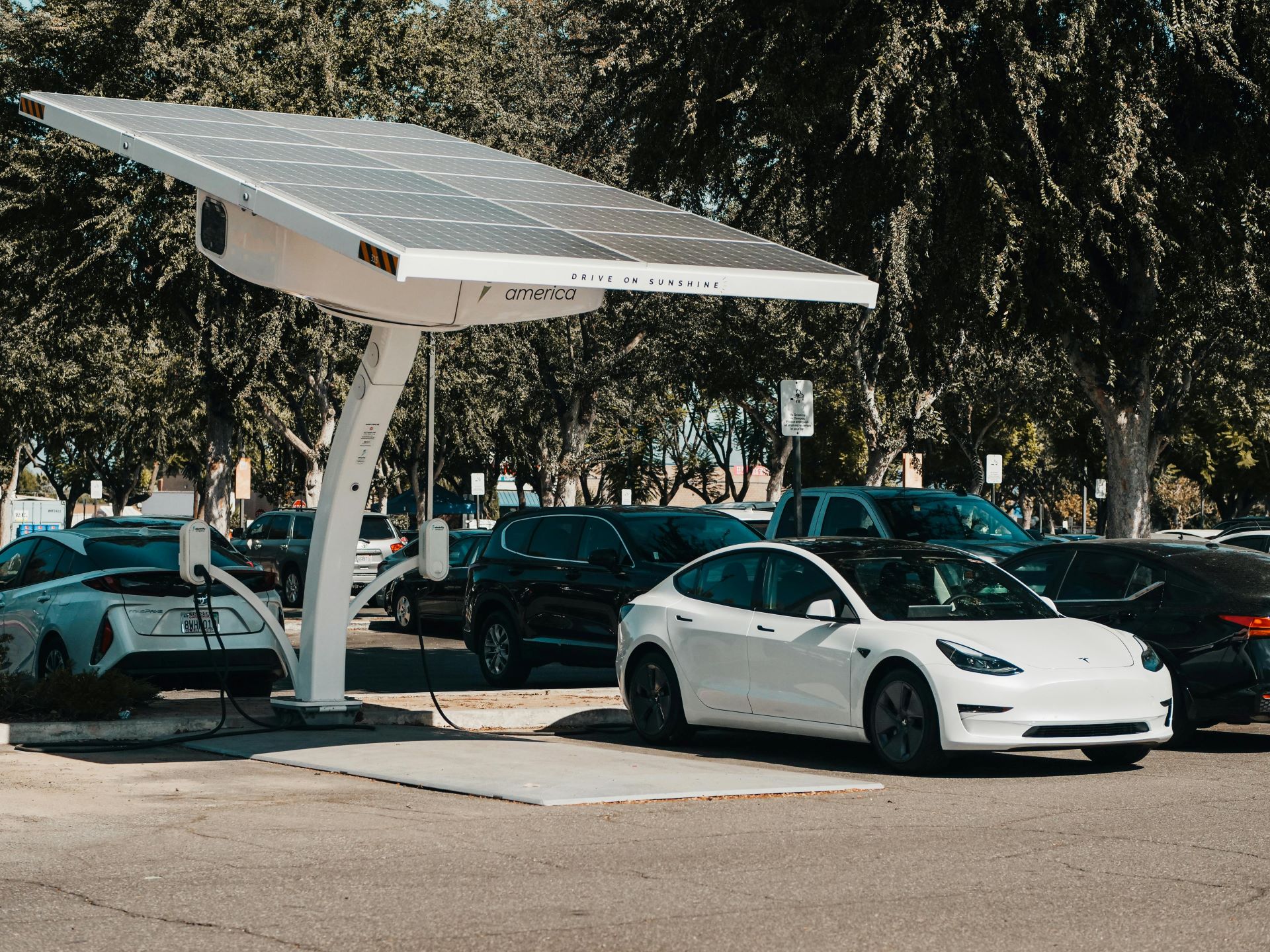
Even with willing consumers, infrastructure remains a critical bottleneck. Emerging markets often lack comprehensive charging networks, making range anxiety a very real concern. The absence of fast chargers along major commuting and transport routes, combined with inconsistent electricity supply in some regions, challenges the feasibility of widespread EV adoption.
Automakers and mobility brands must adopt a multi-faceted approach. Strategic partnerships with governments, utilities, and private investors are essential to expand public charging networks and provide reliable access for consumers. Beyond physical infrastructure, digital solutions such as apps that locate chargers, monitor battery health, and schedule charging sessions are increasingly valuable in reassuring consumers.
Marketing strategies should emphasise accessibility. Campaigns that communicate the ease of home charging, public network growth, and emerging government incentives can reassure potential buyers that EVs are not only environmentally responsible but also practical and convenient. Demonstrating the reality of a functional, reliable infrastructure directly addresses the most immediate concern of hesitant consumers.
Tailoring EV Value Propositions to Local Contexts
Emerging markets are not monolithic; each region presents unique economic, social, and cultural factors that influence purchasing behaviour. For instance, in many African, Southeast Asian, and Latin American markets, the urban-rural divide profoundly shapes EV adoption. Urban consumers may prioritise compact EVs for city driving and parking convenience, while rural buyers are more concerned about range, durability, and vehicle versatility.
Automotive brands must craft tailored value propositions. Highlighting cost-of-ownership savings is effective in price-sensitive markets, while promoting sustainability and cutting-edge technology appeals to environmentally conscious and status-driven consumers. Marketing messages should resonate with the daily realities of potential buyers, emphasising solutions that improve mobility, reduce operating costs, and enhance lifestyle convenience.
Flexible financing models are particularly relevant in emerging economies. Leasing options, battery-as-a-service programs, and pay-per-use schemes can mitigate the upfront cost barrier, making EVs accessible to a broader demographic. Campaigns that clearly communicate these options, framed in terms of both affordability and long-term benefits, are more likely to engage skeptical consumers.
Leveraging Early Adopters and Influencers
In markets where awareness and trust are low, early adopters serve as critical ambassadors. These consumers, often young, tech-savvy, and environmentally aware, influence wider public perception. Leveraging their experiences through social media, video content, and community-driven campaigns can create authentic narratives that resonate with peers.
Influencer marketing, when carefully executed, can amplify credibility. Collaborations with respected figures in automotive communities, tech circles, and environmental advocacy create a bridge between brands and hesitant consumers. Early adoptersÔÇÖ testimonials about performance, maintenance, and lifestyle integration can transform abstract benefits into tangible realities.
Corporate social responsibility initiatives also contribute to perception-building. Demonstrating commitment to sustainable practices, renewable energy partnerships, or community mobility programs underscores a brandÔÇÖs authenticity and reinforces confidence in EV solutions.
Overcoming Psychological Barriers
Beyond practical concerns, psychological barriers play a significant role in EV adoption. Traditional vehicles have decades of familiarity embedded in consumer behaviour, and change often triggers resistance. The perception that EVs are experimental, fragile, or technologically complex can create apprehension.
Education and engagement are pivotal. Hands-on experiences, immersive marketing events, and detailed information campaigns can demystify EV technology. Marketing should communicate simplicity, reliability, and the user-friendliness of EVs, highlighting features such as regenerative braking, intuitive interfaces, and low-maintenance drivetrains. By reframing EVs as approachable and practical rather than intimidating, brands can accelerate acceptance.
Collaborating with Local Ecosystems
Partnerships with local stakeholders are essential in bridging infrastructure gaps and building trust. Governments, energy providers, and financial institutions play a vital role in supporting adoption. Incentives such as tax reductions, import duty waivers, and preferential financing increase affordability, while localised manufacturing or assembly operations can reduce cost and stimulate economic support for the EV ecosystem.
Automakers that actively engage with these partners, while simultaneously investing in consumer education and charging infrastructure, position themselves as committed stakeholders rather than transient entrants. This holistic approach strengthens brand perception and demonstrates a long-term vision that aligns with both consumer needs and regional development goals.
Marketing as a Catalyst for Change
In emerging markets, marketing does more than promote vehiclesÔÇöit catalyses change. It shapes perceptions, builds confidence, and encourages behavioural shifts. Campaigns must integrate storytelling, education, infrastructure reassurance, and social proof to resonate effectively. Automotive brands must navigate the delicate balance between aspirational messaging and practical guidance, highlighting innovation while addressing tangible consumer concerns.
Localised campaigns are particularly effective. By reflecting cultural nuances, urban-rural dynamics, and specific consumer pain points, brands can create messaging that feels personal and relatable. Highlighting real-world benefits, demonstrating reliability, and showcasing early adopter success stories drives adoption in ways that purely technical or aspirational campaigns cannot.

The Road Ahead
Despite challenges, the momentum for EV adoption in emerging markets is undeniable. Technological advancements, declining battery costs, and increasing environmental awareness converge to create an unprecedented opportunity for automotive brands. However, success requires more than simply introducing vehicles; it demands strategic marketing, infrastructure collaboration, and proactive consumer engagement.
For brands willing to invest in education, address scepticism head-on, and develop context-specific value propositions, emerging markets represent a fertile ground for growth. The journey is not without obstacles, but for those who understand the local landscape and communicate effectively, the potential rewards are transformative. The future of mobility in these markets is electric, but its acceleration will be defined by the brands that can marry innovation with insight, aspiration with practicality, and technology with trust.
Breyten Odendaal
Specializing in high-performance automotive advertising and digital marketing solutions, delivering cutting-edge insights and the latest news shaping the automotive industry in South Africa.
More From Advertising

Automotive Advertising in 2026: Selling Confidence in a More Competitive Market
As South Africa’s vehicle market becomes more competitive, automotive advertising needs to do more than announce a price or specification. It needs to help buyers understand value, ownership costs and why a vehicle suits their lives.

Automotive Digital Ads in South Africa: A Shift
Exploring how South Africa’s automotive advertising evolved from print and broadcast to data-driven, programmatic digital ecosystems.

The Video Shift in Car Buying Decisions in SA
Explore how video content shapes car purchase decisions in South Africa, comparing short-form and long-form strategies for automotive marketers.