
The automotive industry is undergoing a profound transformation. With climate change concerns and shifting consumer preferences, electric vehicles (EVs) have moved from niche products to mainstream mobility solutions. Once considered futuristic, EVs are now at the heart of the sustainability movement, driven by advancements in technology and increasing regulatory pressure to reduce carbon emissions.
At the same time, green marketing has emerged as a powerful tool for automakers to promote their sustainability efforts. More than just a trend, green marketing represents a shift in how brands communicate their environmental initiatives to consumers. By highlighting eco-friendly innovations, ethical manufacturing practices, and long-term commitments to reducing carbon footprints, automakers are reshaping the way they engage with their audience.
With a bright future ahead, this article explores the evolution of EVs, the role of green marketing, how brands are implementing sustainability strategies, and what the future holds for the automotive industry.
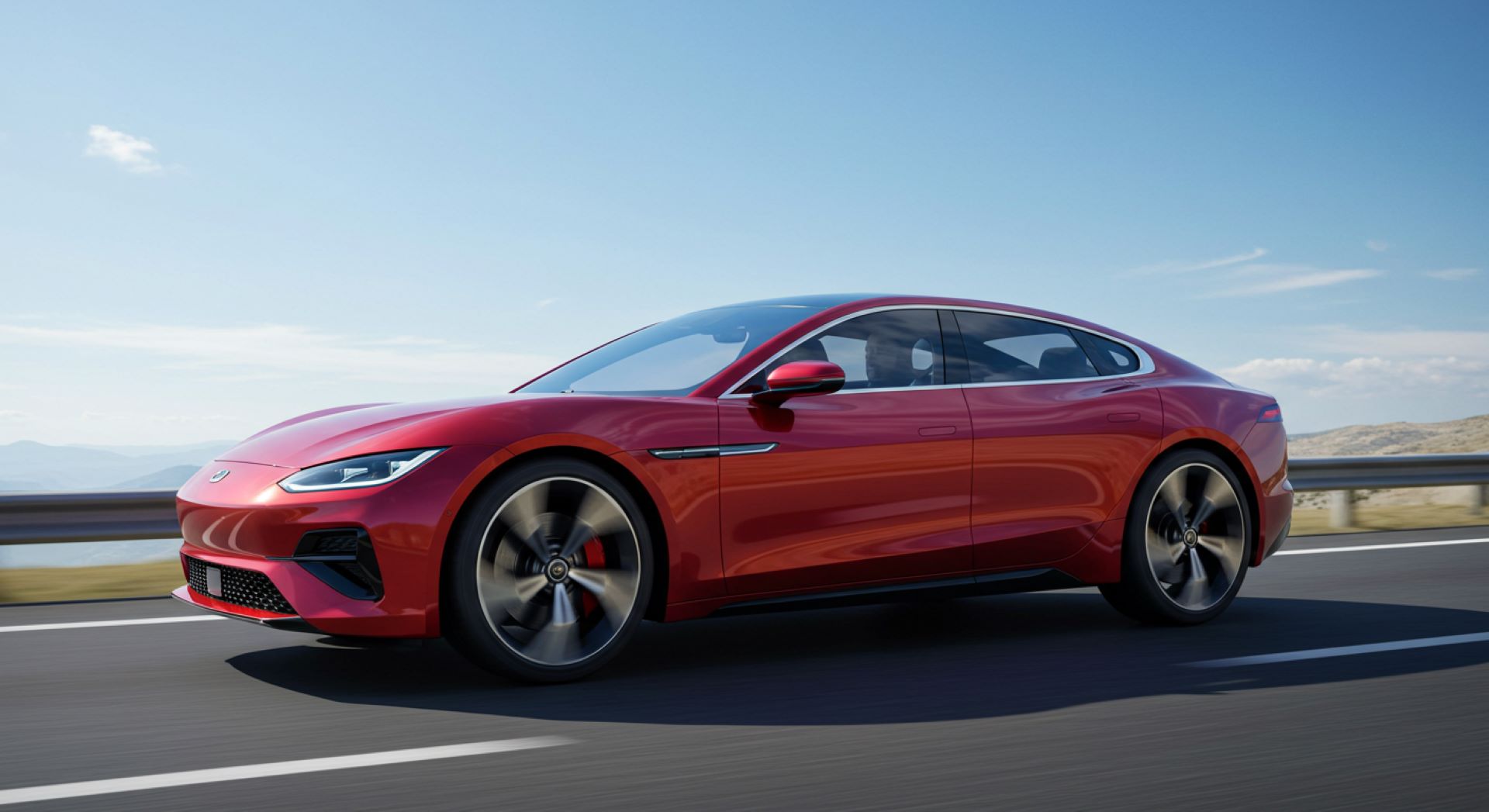
The Evolution of Electric Vehicles
Electric vehicles are not a recent phenomenon. Their origins trace back to the early 19th century when inventors experimented with battery-powered transportation. However, gasoline-powered cars eventually dominated the market, relegating EVs to the sidelines for much of the 20th century.
It wasnÔÇÖt until the late 20th and early 21st centuries that EVs saw a resurgence. Advances in battery technology, government incentives, and growing environmental awareness played a key role in their revival. The launch of the Toyota Prius in 1997 marked the beginning of the hybrid revolution, while TeslaÔÇÖs Roadster in 2008 showcased the potential for high-performance electric cars.
Today, major automakers like Volkswagen, Ford, BMW, and Mercedes-Benz are investing heavily in EV development. The transition to fully electric lineups is accelerating, with brands committing to ambitious targets such as phasing out internal combustion engines by the next decade. Breakthroughs in battery efficiency, fast-charging networks, and autonomous technology are making EVs more accessible and desirable than ever.
Understanding Green Marketing
Green marketing involves promoting products or services based on their environmental benefits. It is more than just a branding exerciseÔÇöit reflects a companyÔÇÖs commitment to sustainability and responsible business practices. In the automotive industry, green marketing includes everything from eco-conscious advertisements to corporate social responsibility initiatives.
As consumers become more environmentally aware, car brands are leveraging green marketing to differentiate themselves in an increasingly competitive market. Strategies such as carbon-neutral commitments, transparency in sourcing materials, and recycling programs have become essential aspects of brand identity. Successful campaigns, like NissanÔÇÖs "Electrify the World" and BMWÔÇÖs "Born Electric," highlight the role of marketing in shaping public perception and driving EV adoption.
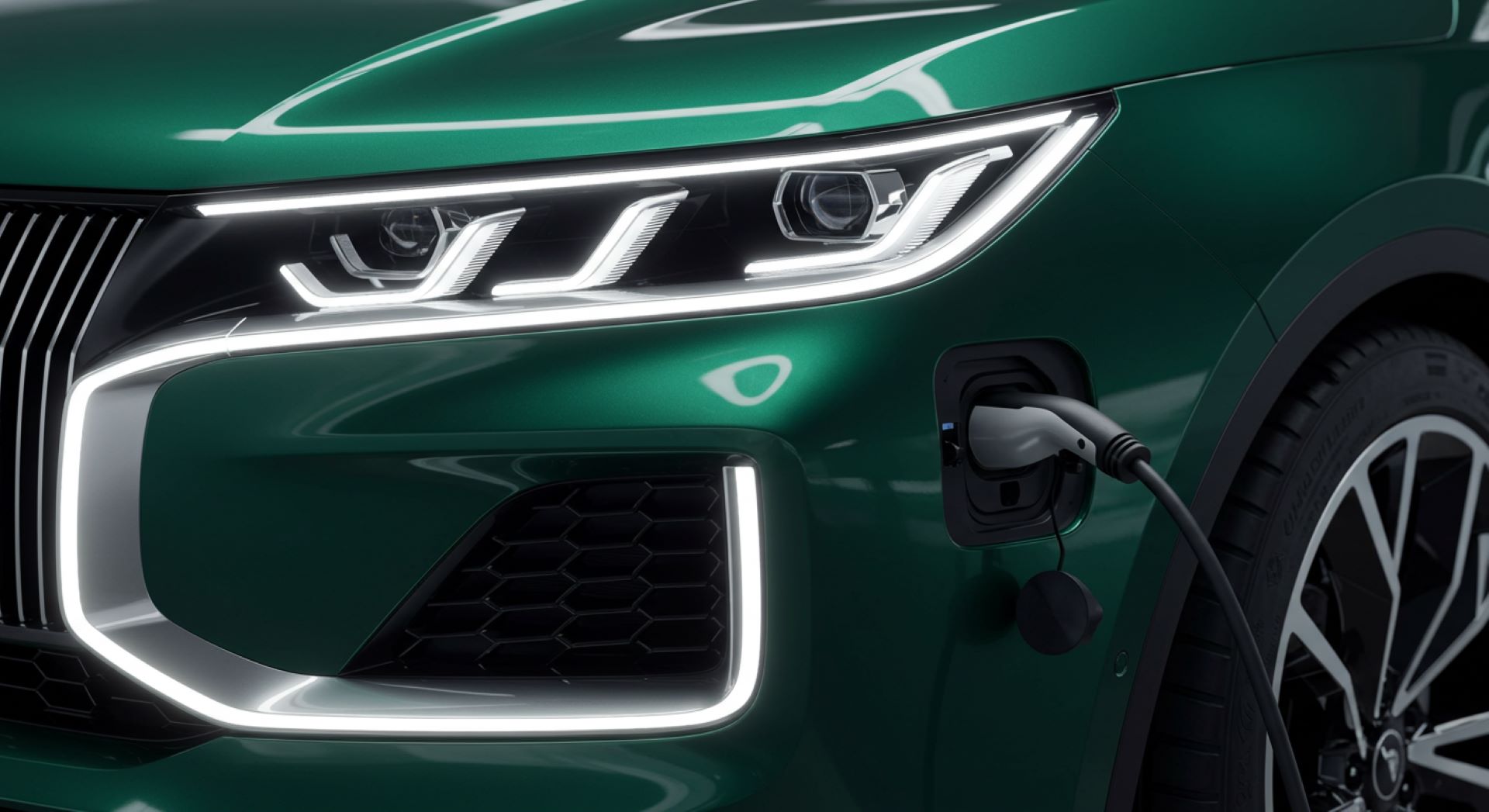
How Car Brands Are Implementing Green Marketing
Leading automakers are adopting multi-faceted strategies to integrate sustainability into their brand messaging. Here are some notable approaches:
1. Sustainable Manufacturing Practices
Brands like Volvo and Polestar emphasize their commitment to carbon-neutral manufacturing. Volvo aims to achieve climate neutrality by 2040, while Polestar has pledged to create a truly climate-neutral car by 2030.
2. Eco-Friendly Materials
Automakers are exploring innovative materials such as recycled plastics, vegan leather, and bio-based components. BMWÔÇÖs iX and MINIÔÇÖs latest models feature interiors made from sustainable materials.
3. Strategic Partnerships
Collaborations between car brands and clean energy providers are on the rise. For instance, AudiÔÇÖs partnership with IONITY is expanding fast-charging networks across Europe, ensuring seamless EV adoption.
4. Engaging Marketing Campaigns
Companies like Tesla rely on direct consumer engagement and word-of-mouth marketing, while Hyundai and Kia run large-scale campaigns showcasing their EVsÔÇÖ environmental benefits.
Consumer Impact and Perception
Consumer sentiment towards EVs and green marketing is evolving. Studies show that younger generations prioritize sustainability when making purchasing decisions. However, affordability and infrastructure challenges remain key considerations.
Surveys indicate that trust in corporate sustainability claims is critical. Consumers are increasingly scrutinizing whether brands genuinely uphold their environmental promises or engage in greenwashingÔÇömisleading marketing tactics that exaggerate eco-friendliness.
Challenges and Opportunities
While green marketing presents immense opportunities, automakers face challenges such as:
Despite these challenges, green marketing continues to offer growth potential. Companies that invest in sustainable R&D, innovative marketing strategies, and consumer education will have a competitive edge in the evolving market.
Future Outlook
The future of EVs and green marketing is promising. With continued advancements in battery technology, expansion of charging infrastructure, and increased government incentives, the EV revolution is set to accelerate.
Emerging trends such as AI-driven energy optimization, hydrogen fuel cell technology, and shared mobility solutions will further reshape the industry. As consumer demand for sustainability grows, automakers that align their marketing strategies with genuine environmental commitments will thrive.

The rise of electric vehicles and green marketing marks a pivotal shift in the automotive industry. By embracing sustainability, car brands are not only reducing their environmental impact but also strengthening their relationship with consumers.
With innovation and transparency at the core of their strategies, automakers have an opportunity to lead the charge toward a greener, cleaner future. As automotive enthusiasts, embracing and supporting this transition is key to ensuring a sustainable tomorrow.
Breyten Odendaal
Specializing in high-performance automotive advertising and digital marketing solutions, delivering cutting-edge insights and the latest news shaping the automotive industry in South Africa.
More From Advertising

Automotive Advertising in 2026: Selling Confidence in a More Competitive Market
As South Africa’s vehicle market becomes more competitive, automotive advertising needs to do more than announce a price or specification. It needs to help buyers understand value, ownership costs and why a vehicle suits their lives.

Automotive Digital Ads in South Africa: A Shift
Exploring how South Africa’s automotive advertising evolved from print and broadcast to data-driven, programmatic digital ecosystems.

The Video Shift in Car Buying Decisions in SA
Explore how video content shapes car purchase decisions in South Africa, comparing short-form and long-form strategies for automotive marketers.