
The New Frontier of the Family Adventure Vehicle
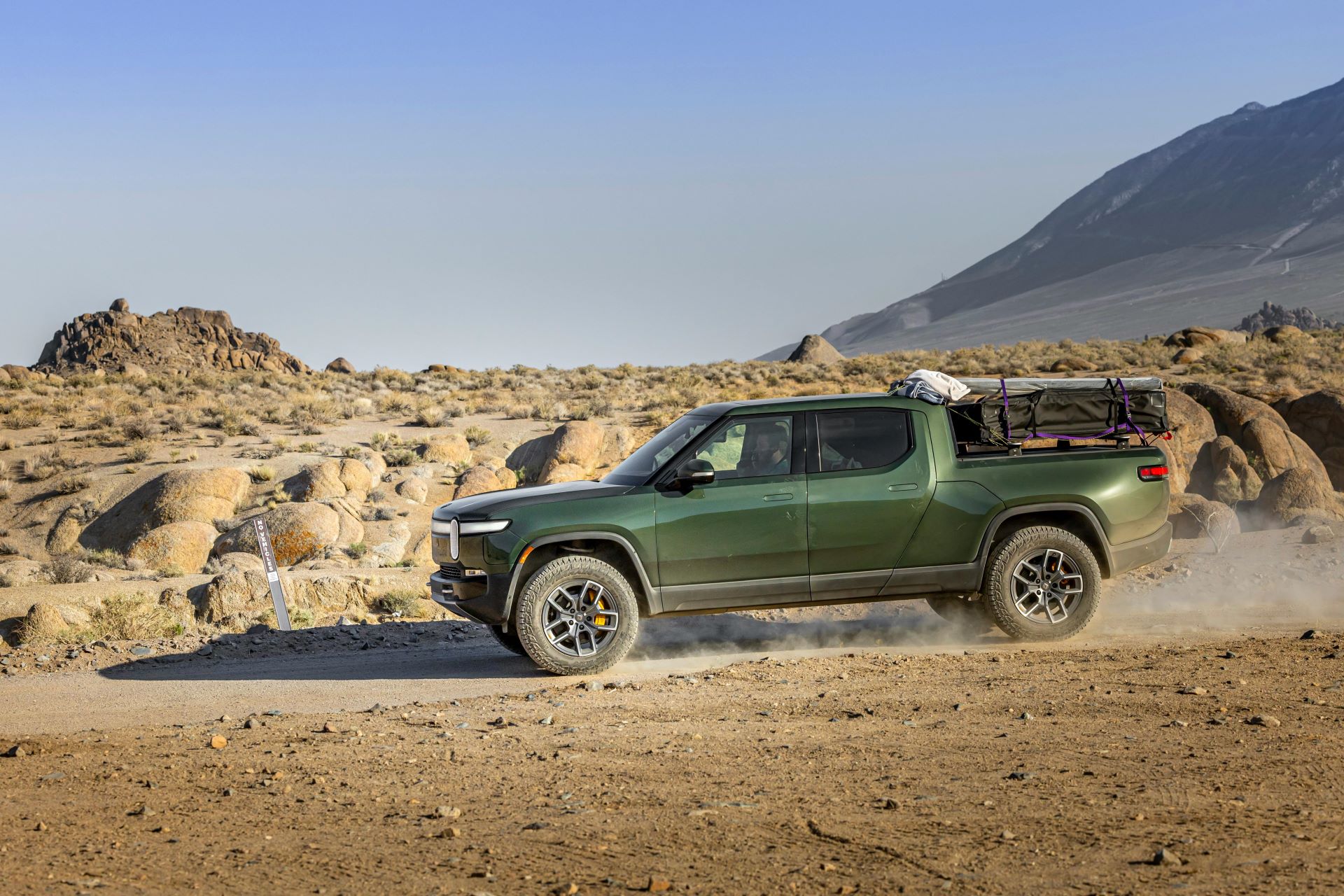
Electric SUVs have arrived at an awkward yet fascinating crossroads. They are expected to embody responsibility without feeling restrained, excitement without excess, and technological sophistication without alienation. In marketing terms, this is a balancing act performed on uneven terrain. The electric SUV must speak fluently to eco-conscious urban professionals while simultaneously whispering promises of dusty trails, coastal roads, and impromptu escapes to consumers who associate adventure with torque, traction, and capability.
For decades, SUVs were marketed as symbols of freedom and dominance over landscape. Mountain silhouettes, desert sunsets, and rugged typography did most of the work. Electric vehicles, by contrast, were initially sold with a different visual and emotional language. Clean lines, soft lighting, minimalist cityscapes, and talk of kilowatt-hours replaced mud splatter and rock crawls. As these two categories converge, automotive marketers are tasked with reconciling two narratives that once sat on opposite ends of the showroom.
The result is a new storytelling challenge. Electric SUVs cannot simply borrow the old adventure playbook, nor can they rely solely on sustainability credentials. They must feel aspirational without hypocrisy, powerful without wastefulness, and adventurous without denying their environmental promise.
Why SUVs Still Matter in a Post-Combustion World
Despite criticism around size and efficiency, SUVs remain the dominant body style in many global markets. Their popularity is not rooted solely in rationality. It is emotional, symbolic, and deeply connected to lifestyle identity. People do not buy SUVs only for space or safety. They buy them for the idea of readiness. The sense that life, in all its unpredictability, can be accommodated.
For marketers, this is important context. Electrification has not erased the consumer desire for capability or presence. It has simply changed the terms of justification. Buyers want to feel that their choice aligns with personal values without sacrificing status, comfort, or performance. Electric SUVs allow brands to say yes to that contradiction, if the message is handled with care.
Positioning an electric SUV as an adventure vehicle is not about convincing people to go off-grid every weekend. It is about reinforcing the idea that the vehicle can support an active, flexible, modern life. School runs during the week, trail bikes on Saturday, and a weekend away without compromise. The SUV remains the canvas. Electricity is the new paint.
The Performance Paradox of Electric Adventure
One of the most underutilised advantages in electric SUV marketing is performance. Electric drivetrains deliver instant torque, precise power delivery, and a sense of control that internal combustion engines struggle to replicate. Yet for years, EV marketing leaned heavily on restraint, efficiency, and calmness. This created a perception gap. Electric vehicles were responsible, but rarely thrilling.
Electric SUVs have disrupted that narrative. Acceleration figures rival sports cars. All-wheel-drive configurations become more precise with independent motors. Low-mounted battery packs improve stability and handling. From a performance standpoint, many electric SUVs are inherently better suited to varied terrain than their petrol predecessors.
The challenge for marketers lies in communicating this without triggering scepticism. Performance messaging in EVs can feel contradictory when paired with sustainability claims, especially if framed aggressively. The solution is not to downplay performance, but to contextualise it differently.
Instead of raw speed, the focus shifts to confidence. Instead of power for powerÔÇÖs sake, the emphasis becomes capability on demand. Smooth torque becomes a tool for control rather than dominance. Quiet propulsion becomes an enhancement of the outdoor experience, not a novelty.
This reframing allows brands to celebrate performance as an enabler of adventure rather than an indulgence that undermines environmental values.
Sustainability Without Sanctimony
One of the fastest ways to alienate adventure-oriented consumers is moral superiority. Sustainability messaging that feels preachy or guilt-driven creates resistance, particularly among buyers who already feel scrutinised for choosing larger vehicles.
Effective electric SUV marketing avoids framing sustainability as a sacrifice or a moral lecture. Instead, it positions it as progress. The narrative becomes less about doing less harm and more about doing more intelligently.
This is where language matters. Terms like responsibility, balance, and future-ready tend to resonate better than absolutes. Consumers want reassurance that their lifestyle is evolving, not being judged. An electric SUV should feel like a natural next step, not an apology on wheels.
Visual storytelling plays a crucial role here. Nature does not need to be pristine and untouched to communicate sustainability. In fact, overly idealised landscapes can feel disingenuous. More grounded imagery, real journeys, imperfect weather, and human presence help anchor the message in reality.
When sustainability is woven into the story rather than placed on a pedestal, it becomes a supporting character instead of the entire plot.
The Active Lifestyle as a Marketing Shortcut
The concept of the active lifestyle has become shorthand in automotive marketing. Surfboards, trail shoes, bikes, dogs, and backpacks are visual cues that signal movement, health, and purpose. For electric SUVs, this shorthand is particularly valuable because it bridges the gap between urban EV culture and traditional SUV identity.
An active lifestyle does not necessarily mean extreme adventure. In marketing terms, it represents flexibility, autonomy, and self-direction. The electric SUV becomes the facilitator of these values. It supports a life that moves between environments without friction.
However, there is a risk of visual sameness. The industry has leaned so heavily on the same outdoor tropes that authenticity can suffer. Marketers need to ensure that lifestyle storytelling aligns with real use cases and regional realities.
This is where localisation becomes powerful. An electric SUV marketed in an urban European context may emphasise cycling, weekend escapes, and energy-efficient infrastructure. In other markets, the focus might be on road trips, recreational towing, or access to remote destinations. The core message remains the same, but the expression adapts.
Authenticity is not about exaggerating adventure. It is about reflecting how people actually live and aspire.
Charging Anxiety and the Myth of Range as Limitation
Range anxiety remains one of the most persistent barriers to EV adoption, particularly when adventure and long-distance travel are part of the brand story. For electric SUVs, this anxiety feels amplified. Larger vehicles imply longer journeys, heavier loads, and less predictable conditions.
Marketing cannot ignore this concern, but it also cannot allow it to dominate the narrative. The most effective campaigns address range indirectly. Instead of leading with numbers, they lead with reassurance.
This reassurance comes from normalising charging as part of the journey rather than a disruption. It also comes from showcasing infrastructure, route planning, and real-world use rather than ideal conditions. When electric SUVs are shown navigating real trips with stops, detours, and human moments, range becomes manageable rather than abstract.
Language plays a role here too. Talking about journeys instead of distances shifts perception. Emphasising planning tools, integration, and ease reframes charging from a limitation into a routine.
Adventure, after all, has never been about uninterrupted motion. It has always included pauses, refuelling, and reflection. Electric SUVs simply reinterpret those moments.
Technology as a Silent Partner, Not the Hero
Electric SUVs are packed with technology. Battery management systems, regenerative braking, torque vectoring, driver assistance features, and connected services form the backbone of the experience. Yet technology-heavy messaging can overwhelm or alienate consumers if it becomes the focal point.
In adventure-focused marketing, technology works best when it stays just below the surface. It should feel intuitive, supportive, and invisible. The vehicle should appear to adapt to the driver, not the other way around.
When technology is highlighted, it should be framed in human terms. Systems that improve traction become tools for confidence on unfamiliar roads. Energy management features become enablers of spontaneity. Connectivity becomes peace of mind rather than distraction.
The mistake many brands make is assuming that innovation sells itself. In reality, innovation only resonates when it solves a felt problem or enhances an emotional outcome. For electric SUVs, that outcome is freedom without friction.
Redefining Adventure for the Electric Age
Adventure marketing has traditionally relied on scale and spectacle. Vast landscapes, solitary vehicles, and a sense of conquest defined the genre. Electric SUVs invite a quieter reinterpretation of adventure, one that aligns more closely with modern values.
This does not mean abandoning drama. It means shifting its tone. Adventure becomes about access rather than domination. Exploration rather than extraction. Presence rather than noise.
Silence, often framed as a drawback in performance vehicles, becomes an asset in electric SUVs. The absence of engine noise allows drivers to hear the environment, engage more deeply with surroundings, and experience nature without intrusion. This is a powerful emotional lever that many campaigns still underutilise.
Adventure also becomes more inclusive. Electric SUVs are often easier to drive, more intuitive, and less intimidating. This broadens their appeal beyond traditional adventure enthusiasts to families, first-time explorers, and those who value confidence over bravado.
Marketing that reflects this inclusivity feels contemporary rather than nostalgic.
Balancing Visual Codes of Power and Responsibility
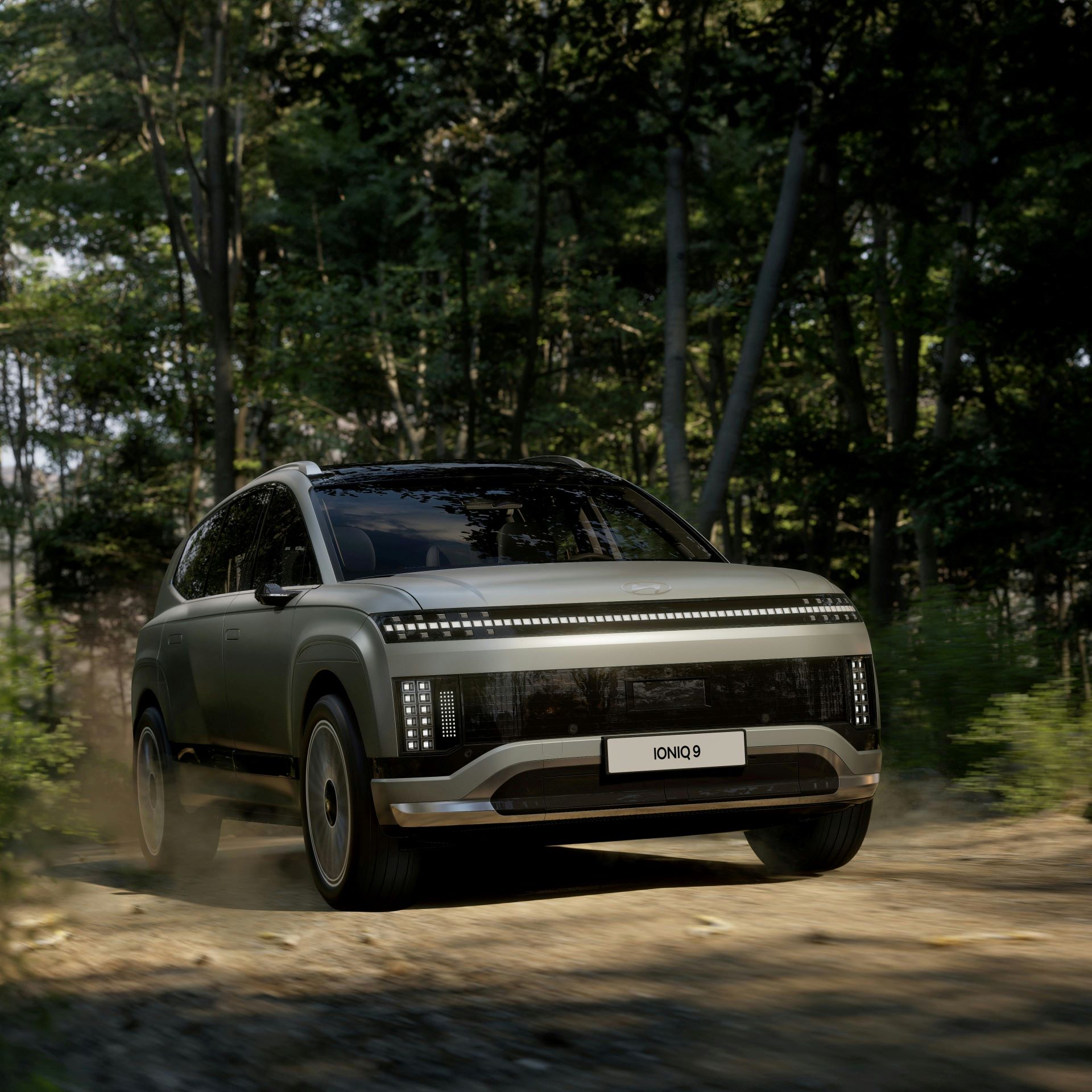
Design is one of the most immediate signals in automotive marketing. Electric SUVs often face a visual identity challenge. Too aggressive, and they undermine sustainability messaging. Too soft, and they lose the authority expected of an SUV.
Successful brands find a middle ground. Clean surfaces paired with muscular proportions. Aerodynamic efficiency expressed through purposeful form rather than fragility. Lighting signatures that feel futuristic without alienation.
Marketing imagery should reinforce this balance. The vehicle should look at home in diverse environments. City streets, highways, and natural settings should all feel plausible rather than staged. This reinforces the idea that the electric SUV is versatile rather than specialised.
Colour palettes also play a subtle role. Earth tones, muted contrasts, and natural light often communicate sustainability more effectively than overt green cues. Responsibility does not need to be shouted when it can be felt.
The Role of Brand Legacy and Credibility
For established automotive brands, electric SUVs represent both an opportunity and a risk. Legacy can lend credibility, but it can also raise questions. Consumers want reassurance that brands known for combustion-era performance can deliver meaningful electric experiences without compromise.
Marketing must acknowledge this transition without overcompensation. Pretending the past does not exist feels disingenuous. Overemphasising heritage can feel defensive.
The most effective approach positions electric SUVs as an evolution rather than a departure. Skills developed over decades, such as chassis tuning, off-road expertise, or safety engineering, are reframed as foundations for electric innovation.
This continuity helps consumers trust the product. It also allows brands to maintain their identity while adapting to new expectations.
Newer brands, by contrast, often lean into disruption. Their challenge is establishing credibility around durability, real-world capability, and long-term support. For them, adventure marketing must be grounded in proof rather than promise.
Storytelling Across the Funnel
Electric SUV marketing cannot rely on a single narrative across all touchpoints. Awareness campaigns may focus on aspiration and lifestyle, while consideration-stage content addresses practical concerns. Performance, sustainability, technology, and cost all surface at different moments.
What matters is coherence. The story told in a hero film should align with the experience described on the website and reinforced at the dealership. Adventure should not evaporate into spreadsheets once the consumer seeks more information.
Long-form content, such as branded documentaries, owner stories, or immersive digital experiences, allows brands to explore nuance. These formats are particularly effective for electric SUVs because they provide space to reconcile contradictions rather than simplify them.
When consumers feel that a brand understands complexity, trust follows.
Avoiding Greenwashing in the Adventure Narrative
As sustainability becomes a core marketing pillar, scrutiny increases. Electric SUVs are especially vulnerable to accusations of greenwashing due to their size and resource requirements.
Authentic marketing acknowledges trade-offs. It does not pretend that electric SUVs are a perfect solution. Instead, it positions them as a meaningful improvement within existing consumer preferences.
Transparency builds credibility. Discussing sourcing, manufacturing practices, and lifecycle impact in accessible language demonstrates seriousness. Hiding these conversations or oversimplifying them invites scepticism.
Adventure marketing does not need to ignore these realities. It can incorporate them subtly, showing responsibility as part of the journey rather than an afterthought.
Consumers are more sophisticated than ever. They are willing to accept imperfection if honesty is present.
The Emotional Payoff: Guilt-Free Aspiration
At its best, electric SUV marketing delivers a powerful emotional promise. It tells consumers that they do not have to choose between enjoyment and ethics. Between performance and progress. Between adventure and awareness.
This is the real opportunity. Electric SUVs are not just another powertrain option. They are a cultural bridge between past desires and future values.
When marketed thoughtfully, they allow consumers to see themselves as part of a transition rather than a compromise. They can enjoy the things they love while feeling aligned with where the world is heading.
That sense of alignment is invaluable. It transforms purchase decisions into affirmations of identity.
The Next Chapter of Electric SUV Marketing
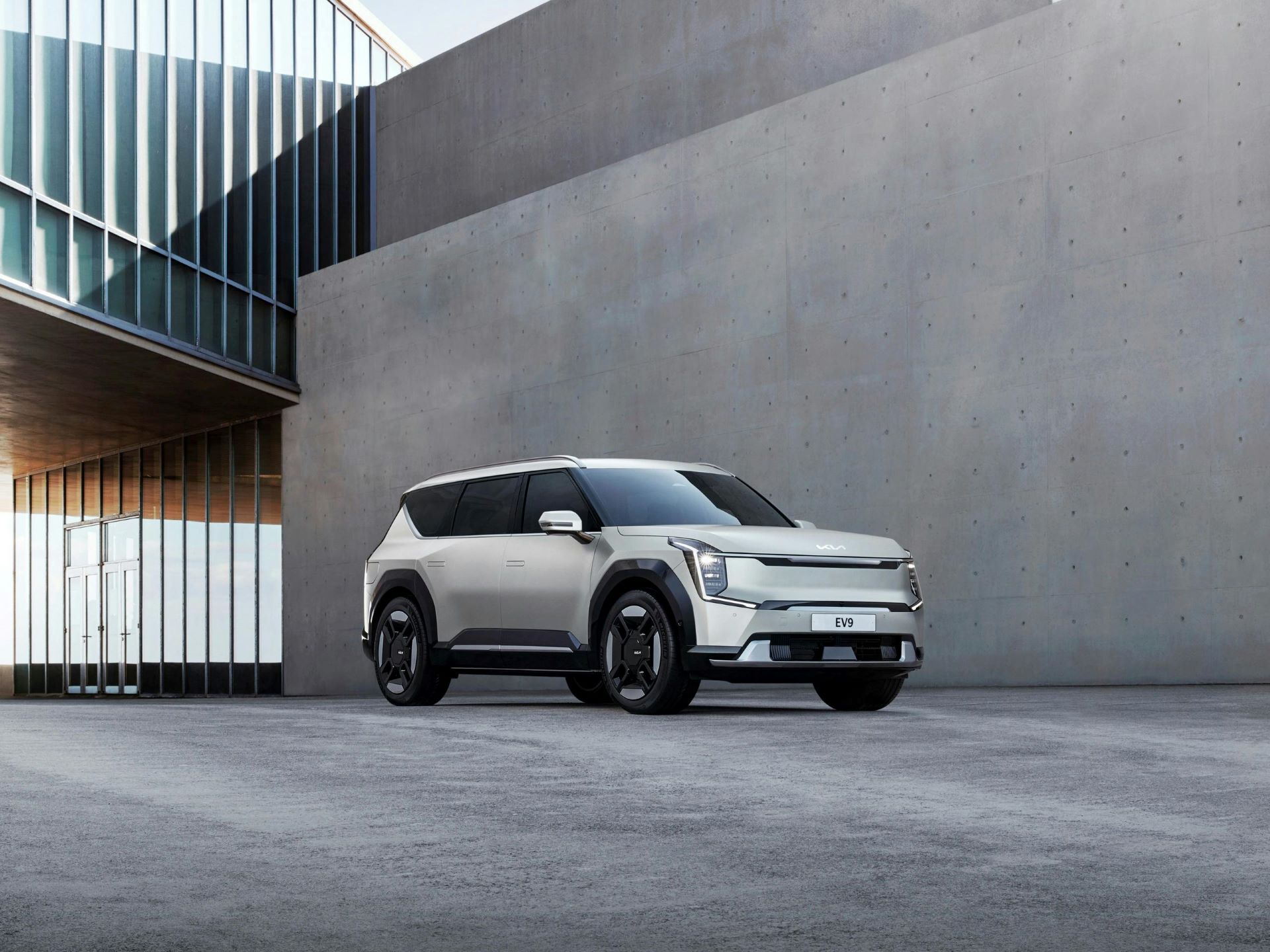
As electric SUVs become more common, differentiation will become more challenging. Sustainability alone will no longer be a differentiator. Neither will performance. Brands will need to deepen their storytelling and sharpen their understanding of audience nuance.
Future campaigns are likely to focus more on community, shared experiences, and long-term ownership narratives. Adventure may become less about solitary conquest and more about connection. Families, friends, and collectives replacing the lone driver against the horizon.
Technology will continue to evolve, but its role in marketing may become quieter. As features normalise, emotion will once again take centre stage.
Electric SUVs sit at the intersection of aspiration and responsibility. Marketing that succeeds in this space does not shout. It listens, adapts, and tells stories that feel honest in an increasingly complex world.
In the end, the electric SUV is not selling electricity. It is selling permission. Permission to keep exploring, keep moving, and keep dreaming, without feeling left behind by progress.
Breyten Odendaal
Specializing in high-performance automotive advertising and digital marketing solutions, delivering cutting-edge insights and the latest news shaping the automotive industry in South Africa.
More From Advertising

Automotive Advertising in 2026: Selling Confidence in a More Competitive Market
As South Africa’s vehicle market becomes more competitive, automotive advertising needs to do more than announce a price or specification. It needs to help buyers understand value, ownership costs and why a vehicle suits their lives.

Automotive Digital Ads in South Africa: A Shift
Exploring how South Africa’s automotive advertising evolved from print and broadcast to data-driven, programmatic digital ecosystems.

The Video Shift in Car Buying Decisions in SA
Explore how video content shapes car purchase decisions in South Africa, comparing short-form and long-form strategies for automotive marketers.