
The automotive industry has always relied on visual impact to sell aspiration, performance, and identity. From glossy print spreads to cinematic television commercials, cars have long been marketed as moving objects that promise freedom, status, and possibility. As audiences migrate to social media platforms and attention spans grow increasingly fragmented, video has become the most powerful medium for automotive brands to connect with consumers.
Static images still have their place, but on social feeds dominated by motion, sound, and storytelling, video consistently outperforms images across engagement metrics. For automotive marketers, video is no longer an optional enhancement. It is the foundation of effective digital communication.
This article explores why video ads perform better than images in automotive marketing, how feature highlights and lifestyle storytelling drive deeper engagement, and why short-form campaigns are now essential for social media success.

The Shift From Print Dreams to Digital Motion
Automotive advertising once lived comfortably in magazines and billboards, where a single image could communicate luxury, power, or ruggedness. A car parked on a cliff edge or cruising through an empty city street was enough to spark desire. But social media has changed the way people consume content. Feeds are alive with movement. Video autoplays. Algorithms prioritise watch time. Motion stops thumbs.
Cars, by their nature, belong to this new ecosystem. They are not static products. They accelerate, corner, glow at night, and respond to human input. Video allows automotive brands to express this dynamism in a way images simply cannot.
On platforms like Instagram, TikTok, Facebook, and YouTube, video ads consistently generate higher engagement rates, longer dwell times, and stronger brand recall than static posts. For car brands competing in saturated markets, these performance advantages are not marginal. They are decisive.
Why Video Commands Attention on Social Media
Social media platforms are designed to reward content that keeps users engaged. Video does this naturally. Movement draws the eye, narrative holds attention, and sound deepens emotional impact. Even when viewed silently, video conveys progression and purpose in a way still images struggle to achieve.
For automotive marketing, this matters deeply. A car is not just a shape. It is a sequence of experiences. Opening a door, settling into a seat, accelerating onto a highway, navigating a city at night. Video allows brands to compress these experiences into seconds, offering viewers a sense of ownership before they ever visit a dealership.
Video also aligns better with how people research vehicles today. Buyers want to see how a car behaves in real environments, how technology functions in practice, and how a vehicle fits into everyday life. Video answers these questions intuitively.
Feature Highlights That Feel Like Experiences
One of the most effective uses of automotive video ads is feature demonstration. Modern vehicles are packed with technology, from advanced driver assistance systems to digital cockpits and electrified powertrains. Explaining these features through text or static imagery often leads to confusion or disinterest. Video simplifies complexity.
A short clip showing adaptive cruise control in traffic communicates more than paragraphs of description. A smooth animation overlay demonstrating parking assist removes intimidation. A split-screen view of night driving with and without matrix LED headlights instantly conveys value.
Successful feature-focused videos avoid technical overload. Instead of listing specifications, they translate function into benefit. The viewer should not be told that a system uses radar and cameras. They should feel that it reduces stress, increases safety, or enhances comfort.
In social media contexts, feature highlights work best when integrated into real-world scenarios. A family navigating a busy school drop-off zone. A commuter gliding through rush-hour traffic. A driver confidently reversing into a tight urban parking space. These moments anchor technology in relatable situations.
Turning Specifications Into Stories
Cars are complex machines, but social media audiences are not looking for engineering lectures. They are looking for relevance. Video allows automotive brands to turn specifications into stories that resonate emotionally.
Horsepower becomes exhilaration. Torque becomes confidence. Battery range becomes freedom. Safety systems become peace of mind.
The most effective automotive video ads frame features as enablers of lifestyle rather than achievements in isolation. This approach broadens appeal beyond enthusiasts to everyday buyers who care more about how a vehicle improves their lives than how it performs on paper.
This is particularly important in segments like electric vehicles, where unfamiliar technology can create hesitation. Video helps normalise new concepts, showing charging as simple, ownership as seamless, and performance as effortless.
Lifestyle Content and the Power of Aspiration
Lifestyle storytelling is where automotive video truly excels. Cars are deeply tied to identity. The vehicle someone drives says something about who they are, or who they want to be. Video allows brands to explore this psychological dimension with nuance and emotion.
Lifestyle-driven automotive videos rarely focus on the car alone. They focus on moments. Early morning light on an empty road. Friends laughing on a weekend escape. A city skyline reflected in polished bodywork. These visuals invite viewers to imagine themselves inside the narrative.
On social media, lifestyle content often outperforms direct promotional material because it feels less like advertising and more like entertainment. When executed well, it blends seamlessly into feeds, encouraging organic engagement rather than resistance.
For premium brands, lifestyle videos reinforce exclusivity and aspiration. For mainstream brands, they emphasise versatility and relatability. For performance brands, they channel excitement and adrenaline. Each positioning benefits from videoÔÇÖs ability to convey mood and atmosphere.

Authenticity Over Perfection
Modern audiences are increasingly sceptical of overly polished advertising. Social media users value authenticity, spontaneity, and relatability. Automotive video ads that feel too cinematic or detached can struggle to connect.
This has led to a shift toward more grounded, human-centred storytelling. Real locations. Natural lighting. Minimal narration. Subtle branding. These choices make content feel native to social platforms rather than imported from traditional advertising.
Authentic lifestyle videos do not require sacrificing quality. They require restraint. A steady camera inside a moving car. Natural road noise. Genuine reactions. These elements build trust and invite viewers into the experience.
Brands that embrace this approach often see stronger engagement and higher share rates, as content feels worthy of personal endorsement rather than corporate messaging.
Short-Form Video and the Economics of Attention
Attention is the most valuable currency on social media, and it is increasingly scarce. Short-form video has emerged as the dominant format because it respects this reality. In automotive marketing, short-form does not mean shallow. It means focused.
Fifteen to thirty seconds is often enough to communicate a compelling message if the creative is sharp. A single feature. A single emotion. A single scenario. Successful short-form automotive videos understand that clarity beats completeness.
Platforms like TikTok and Instagram Reels reward content that hooks viewers immediately. The opening seconds matter more than ever. A striking visual, an unexpected angle, or an evocative sound can determine whether a viewer stays or scrolls.
For car brands, this often means leading with motion. Acceleration. Door handles deploying. Screens lighting up. Wheels turning. These moments signal relevance instantly.
Building Campaigns Through Serial Storytelling
Short-form video is most powerful when used as part of a broader campaign rather than isolated posts. Serial storytelling allows brands to explore different aspects of a vehicle over time, reinforcing messaging while maintaining freshness.
A campaign might begin with a design-focused clip, followed by a technology highlight, then a lifestyle scenario, and finally a call-to-action. Each video stands alone, but together they form a cohesive narrative.
This approach aligns well with social media algorithms, which favour consistent posting and sustained engagement. It also mirrors how consumers research cars, gradually building familiarity before making decisions.
Serial video campaigns create anticipation and encourage repeat viewing, strengthening brand recall without overwhelming audiences.
Platform-Specific Creative Considerations
Not all social media platforms are created equal, and automotive video ads must adapt accordingly. Aspect ratios, audience behaviour, and consumption contexts vary significantly.
Vertical video dominates mobile-first platforms, while horizontal formats remain effective on longer-form video platforms. Captions are essential, as many viewers watch without sound. Visual storytelling must work silently while rewarding those who listen.
Automotive brands that succeed on social media tailor creative for each platform rather than repurposing identical assets everywhere. This does not require reinventing campaigns, but it does require thoughtful editing and presentation.
Small adjustments, such as pacing, framing, and text placement, can dramatically improve performance.
The Role of User-Generated Content in Automotive Video
User-generated content has become a powerful force in automotive marketing. Videos created by owners, enthusiasts, and fans often outperform branded content in terms of authenticity and trust.
When brands incorporate UGC into their social strategies, they tap into real-world credibility. A customer sharing their first drive experience or a road trip montage feels more relatable than a traditional advertisement.
Successful automotive campaigns often blend professional content with curated UGC, creating a layered narrative that balances aspiration with reality. This approach also encourages community participation, turning customers into advocates.
Video is particularly well-suited to UGC, as it captures emotion and spontaneity in ways images cannot.
Measuring Success Beyond Views
While views and likes are visible indicators of performance, effective automotive video advertising looks deeper. Watch time, completion rates, click-throughs, and downstream actions provide a clearer picture of impact.
Video allows for more nuanced measurement than static content. Marketers can see where viewers drop off, which moments retain attention, and which creative elements drive interaction. This data informs continuous optimisation.
In automotive marketing, where purchase cycles are long, video performance should also be evaluated in terms of brand lift and consideration rather than immediate conversion alone.
Video builds familiarity and confidence, laying groundwork for future decisions.
Video as a Bridge Between Digital and Physical
Automotive sales ultimately happen offline, but video plays a crucial role in guiding consumers toward dealerships. Social media videos act as digital touchpoints, shaping perceptions before physical interaction.
Virtual walkarounds, interior showcases, and driving footage reduce uncertainty and increase readiness. By the time a buyer visits a showroom, they often feel they already know the car.
This pre-conditioning effect shortens decision cycles and improves lead quality. Video does not replace the dealership experience. It enhances it.
Emerging Technologies and the Next Phase of Video Advertising
As social platforms evolve, automotive video advertising continues to expand into new territories. Interactive video, augmented reality filters, and shoppable integrations are transforming passive viewing into active exploration.
Potential buyers can now visualise cars in their driveways, explore interiors virtually, and engage with features interactively. These innovations deepen engagement and blur the line between content and experience.
Automotive brands that invest early in these formats position themselves as innovators while capturing valuable attention in crowded feeds.
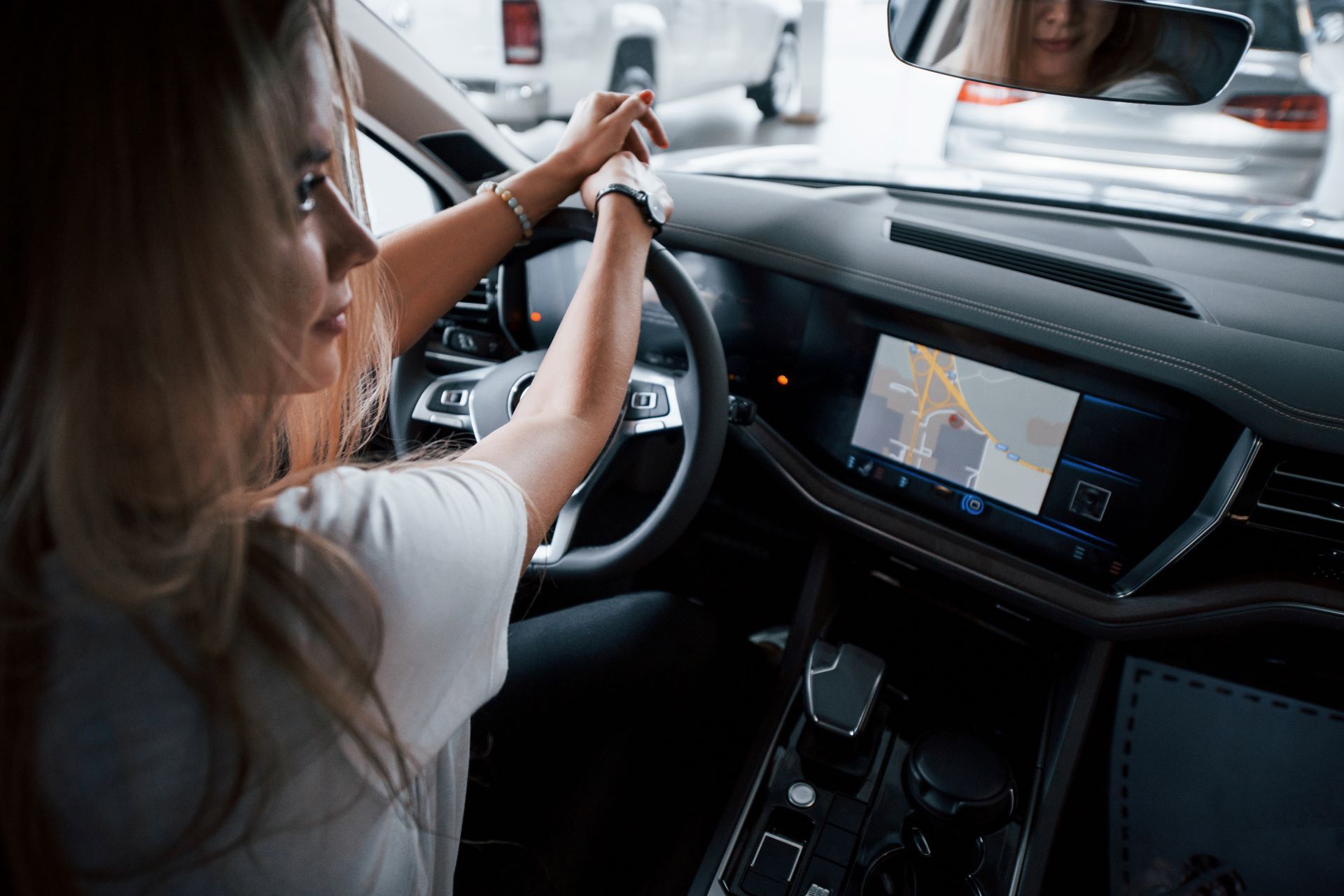
Why Video Is the Engine of Modern Automotive Marketing
Video has become the most effective medium for automotive advertising on social media because it aligns perfectly with the nature of the product and the behaviour of the audience. Cars are meant to move. Social feeds are built around motion. Video bridges the two seamlessly.
By combining feature highlights with lifestyle storytelling and deploying short-form campaigns strategically, automotive brands can cut through noise, build emotional connection, and drive meaningful engagement.
Static images still have value, but video is where modern automotive narratives come alive. Brands that master this medium are not just advertising cars. They are shaping desire, identity, and aspiration in motion.
And in a market defined by choice, that movement makes all the difference.
Breyten Odendaal
Specializing in high-performance automotive advertising and digital marketing solutions, delivering cutting-edge insights and the latest news shaping the automotive industry in South Africa.
More From Advertising

Automotive Advertising in 2026: Selling Confidence in a More Competitive Market
As South Africa’s vehicle market becomes more competitive, automotive advertising needs to do more than announce a price or specification. It needs to help buyers understand value, ownership costs and why a vehicle suits their lives.

Automotive Digital Ads in South Africa: A Shift
Exploring how South Africa’s automotive advertising evolved from print and broadcast to data-driven, programmatic digital ecosystems.

The Video Shift in Car Buying Decisions in SA
Explore how video content shapes car purchase decisions in South Africa, comparing short-form and long-form strategies for automotive marketers.