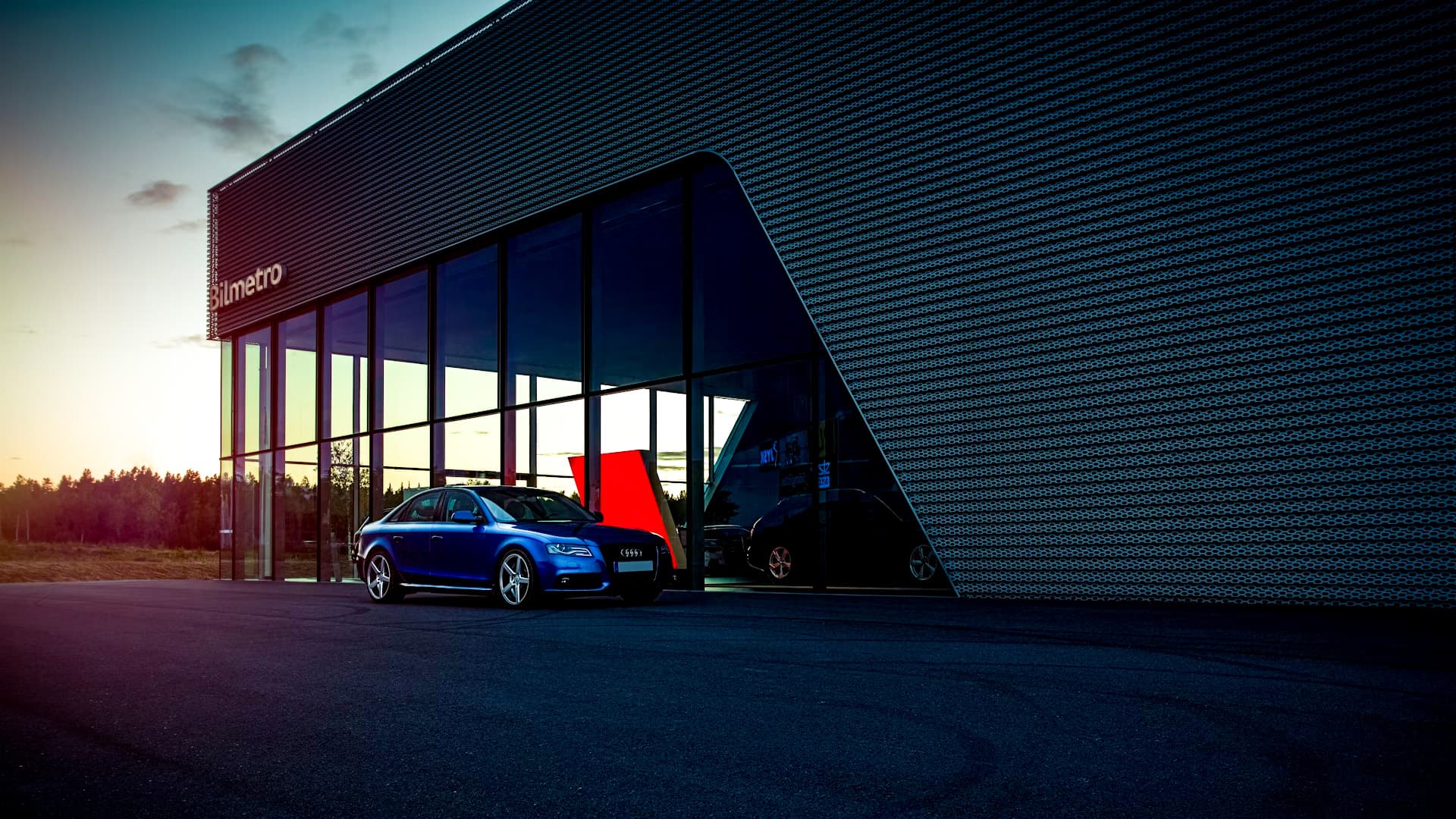
The Evolving Automotive Ad Landscape in 2024
The automotive advertising landscape in 2024 is undergoing a profound transformation. Technology advancements, paired with the growing reliance on digital platforms, are reshaping how car dealerships engage with consumers. While traditional advertising methods still hold value, they now work alongside innovative strategies driven by data, hyper-targeting, and immersive experiences like virtual and augmented reality. These changes reflect the need for dealerships to be both adaptable and strategic in their approach to stay relevant. The modern advertising landscape requires not only visibility but also a deep understanding of evolving consumer behaviors.
Why Automotive Advertising is More Important Than Ever
In 2024, automotive advertising has evolved into a critical investment rather than a mere marketing expense. The purchasing journey for todayÔÇÖs consumers is more complex than ever, with potential buyers conducting in-depth research and often remaining undecided until the final stages of their decision-making process. As competition intensifiesÔÇöwith not only traditional dealerships but also direct-to-consumer brands like electric vehicle manufacturers vying for attentionÔÇöadvertising becomes the key differentiator. Effective campaigns ensure a dealership's visibility in a saturated market and position it as a trustworthy and viable option for consumers, turning awareness into action.
The Rise of Digital-First Consumers and Online Research
TodayÔÇÖs consumers are incredibly informed, leveraging online tools to compare vehicles, read reviews, and watch in-depth videos before visiting a dealership. This shift necessitates that dealerships prioritize digital marketing strategies such as search engine optimization (SEO), pay-per-click (PPC) advertising, and targeted content. Engaging consumers where they spend most of their timeÔÇöonlineÔÇöhas become essential to capture their interest. As a result, dealerships must embrace a digital-first mentality, with personalized, data-driven content at the heart of their campaigns.
Challenges Faced by Modern Car Dealerships in the Ad Space
Dealerships today face several obstacles in the advertising arena. Overcoming consumer mistrust, often driven by negative stereotypes, requires transparency and a focus on customer needs over sales. Additionally, the fast-paced nature of digital advertising platforms, where algorithms and trends frequently change, demands agility and constant learning from dealerships to stay competitive and relevant in the market.

Understanding Your Audience: The Key to Targeted Advertising
Successful automotive advertising in 2024 requires an intimate understanding of the audience's specific needs, motivations, and behaviors. Car buyers are not a uniform group; their priorities vary widelyÔÇöranging from luxury and performance to fuel efficiency and budget constraints. This diversity necessitates that dealerships move beyond broad messaging and instead craft targeted, personalized campaigns that resonate with distinct buyer segments. By embracing targeted advertising, dealerships can create relevant messages that engage specific audiences, leading to stronger connections and higher conversion rates.
Segmenting by Buyer Type: First-Time Buyers, Return Customers, and Lease Seekers
Different types of buyers have unique expectations and motivations, and dealerships must tailor their approaches accordingly. First-time buyers often prioritize affordability, ease of purchase, and a desire for education on financing options or vehicle features. For this group, ads that focus on budget-friendly deals and simplified buying processes are likely to resonate. Return customers, by contrast, may respond well to ads promoting loyalty programs, trade-in offers, or vehicle upgrades that reward their continued business. Meanwhile, lease seekers are typically interested in flexibility, lower monthly payments, and the ability to switch vehicles frequently. Messaging that highlights leasing options, low upfront costs, and frequent vehicle updates will speak to this group.
Leveraging Data to Create Hyper-Targeted Campaigns
Data is the fuel driving modern automotive advertising strategies. Dealerships now have access to vast amounts of consumer dataÔÇöfrom browsing history and online behavior to previous purchase decisions. By using this data to segment customers into more refined groups, dealerships can create hyper-targeted ads that directly address each groupÔÇÖs specific needs. For example, a person who frequently visits hybrid car comparison pages might see ads promoting eco-friendly vehicles, making the campaign more effective and efficient at guiding the buyer through their decision-making process.
Psychographic and Demographic Insights for Effective Messaging
To craft compelling advertising, dealerships should combine demographic data (age, location, income) with psychographic insights, such as consumers' values, interests, and lifestyle choices. These deeper insights enable dealerships to create campaigns that resonate not only with buyers' practical needs but also their personal identities. For instance, a campaign promoting luxury vehicles will perform better when aligned with affluent buyers who value status and premium experiences. Likewise, ads for fuel-efficient or electric cars will gain traction among environmentally conscious consumers, helping dealerships connect with buyers on a personal and emotional level.
Harnessing the Power of Digital Platforms: Where to Invest in 2024
Digital platforms provide a myriad of opportunities for dealerships to connect with car buyers in 2024. Navigating this landscape requires an understanding of where to invest resources and how to leverage each platform to maximize impact. From search engines to social media and streaming services, digital channels allow for highly targeted, data-driven advertising strategies that cater to specific buyer needs and behaviors.
Google Ads: Maximizing Search Engine Reach for High-Intent Shoppers
Google Ads continues to be a cornerstone of automotive advertising, especially for reaching high-intent shoppers who are actively searching for vehicles. When buyers begin their journey with a Google search, dealerships that strategically bid on relevant keywords can capture attention early in the decision-making process. By combining search ads with display and video ads, dealerships can maintain visibility at various stages of the buyerÔÇÖs journeyÔÇöfrom initial research to the final purchase. This approach helps ensure that the dealership remains top-of-mind as potential buyers weigh their options, increasing the likelihood of conversion.
Social Media: Engaging Your Audience on Platforms like Facebook, Instagram, and TikTok
Social media platforms such as Facebook and Instagram remain critical for engaging car buyers with personalized content. These platforms offer advanced targeting features, allowing dealerships to tailor ads to specific demographics, interests, and behaviors. InstagramÔÇÖs visual focus makes it ideal for showcasing vehicle aesthetics, while FacebookÔÇÖs extensive user base offers a wide reach for detailed promotions or community engagement. TikTok, with its short, viral video format, has emerged as a creative platform for generating excitement around vehicle launches, special promotions, or even behind-the-scenes content, appealing to younger audiences who value authenticity and creativity in brand interactions.
OTT and Connected TV Ads: Tapping into Streaming Media for Targeted Reach
As more consumers shift from traditional cable TV to streaming platforms, over-the-top (OTT) and connected TV (CTV) ads offer dealerships a new way to reach potential buyers. These platforms allow for precise targeting, enabling dealerships to deliver video ads directly to viewers based on their viewing habits and preferences. OTT and CTV ads are particularly effective for engaging younger, tech-savvy consumers who are more likely to stream content than watch conventional television. The immersive nature of video ads in this format helps dealerships create memorable brand experiences, driving interest and action among viewers.

Crafting Compelling Ad Creative: Standing Out in a Crowded Marketplace
A compelling ad is the backbone of any successful automotive campaign. In a world where car buyers are inundated with advertisements across various platforms, creating a standout ad requires a mix of creativity, emotional appeal, and clarity. Effective visuals, authentic storytelling, and brand alignment all play crucial roles in capturing and holding the attention of potential buyers, ultimately guiding them toward making a purchase.
How to Create Ads That Resonate with TodayÔÇÖs Consumers
Resonance in advertising comes from understanding the consumer's needs and motivations. In 2024, todayÔÇÖs car buyers value authenticity, transparency, and relevance. They want to see ads that reflect their pain pointsÔÇöwhether it's fuel efficiency, safety, or luxuryÔÇöand provide genuine solutions. Crafting an ad that speaks directly to these concerns while showcasing the dealershipÔÇÖs integrity fosters trust. Humor, inspiration, or emotional storytelling are effective tools that can help craft a narrative, making the ad not just informational but relatable. The ad should seamlessly align with the consumerÔÇÖs journey, reflecting what they need at each stage of their decision-making process.
Best Practices for Video and Visuals in Automotive Ads
Video is still one of the most engaging formats for automotive advertising, offering a dynamic way to showcase a vehicleÔÇÖs features and driving experience. High-quality visuals are essential, as they convey professionalism and help create a desire for the vehicle. ItÔÇÖs important to keep videos concise, ideally between 15 to 30 seconds, with a clear focus on key benefits and features early on. Best practices include using strong call-to-action prompts that guide viewers toward the next step, such as scheduling a test drive or visiting the dealershipÔÇÖs website for more information.
The Role of Storytelling and Emotion in Automotive Advertising
Storytelling is a powerful technique in automotive advertising because it helps humanize the brand. A compelling narrative that highlights how a vehicle fits into the buyerÔÇÖs lifestyleÔÇöwhether by enhancing daily commutes, aligning with environmental values, or elevating a familyÔÇÖs safetyÔÇöcan make an ad resonate on a deeper level. Emotional connections play a significant role in decision-making, and ads that evoke positive emotions, such as excitement, nostalgia, or security, often create a lasting impression that encourages brand loyalty and action.
Optimizing Your Ad Budget: Strategies for Maximizing ROI
Budgeting for an ad campaign in the automotive industry requires careful planning and strategic allocation of resources to ensure the best return on investment (ROI). Dealerships must not only focus on expenditure but also ensure that spending aligns with their campaign goals. A well-planned budget can significantly enhance ad performance and drive conversions, making it essential to approach budgeting with a clear, goal-driven mindset.
How to Allocate Budget Between Different Ad Platforms
To maximize ROI, dealerships should allocate their budget across a variety of ad platforms. Google Ads, particularly search ads, should take priority for capturing high-intent buyersÔÇöthose actively searching for a vehicle or specific dealership services. Social media platforms like Facebook, Instagram, and TikTok are ideal for engaging with target audiences through visually appealing, targeted ads. These platforms allow dealerships to reach potential buyers based on demographics and interests. Video ads on platforms like YouTube or OTT (over-the-top) streaming services can boost brand awareness and create a memorable connection with consumers. A balanced approach to budgetingÔÇöspending on both direct-response ads and broader awareness campaignsÔÇöensures comprehensive coverage across the buyerÔÇÖs journey.
The Importance of A/B Testing and Analytics in Campaign Performance
A/B testing is an essential practice for optimizing automotive ad campaigns. By comparing different versions of an adÔÇöwhether itÔÇÖs the headline, visuals, or call-to-action (CTA)ÔÇödealerships can determine which elements drive better results. This allows for real-time optimization of campaigns, ensuring that underperforming ads are quickly adjusted. Analytics play a critical role here, as metrics such as click-through rates (CTR), cost-per-click (CPC), and conversion rates provide insight into which ads are working. The ability to track and analyze performance enables dealerships to fine-tune their campaigns, reducing wasteful spending and increasing ad effectiveness.
Tips for Tracking Key Metrics Like Click-Through Rates and Conversion
Tracking key performance metrics is crucial for improving ad campaign success. Click-through rates (CTR) measure the effectiveness of your ad in enticing users to engage, while conversion rates show how many of those users follow through with a desired action, such as visiting a dealership or filling out a contact form. By consistently monitoring these metrics and making data-driven adjustmentsÔÇösuch as tweaking ad copy, refining audience targeting, or shifting budget to better-performing platformsÔÇödealerships can ensure their ad campaigns remain optimized and effective. Additionally, tracking the cost per lead (CPL) helps dealerships maintain profitability by ensuring that their ad spend correlates with the revenue generated.

Leveraging Local Marketing Tactics for Dealership Success
While national or regional campaigns help build broad brand visibility, local marketing plays a crucial role in driving foot traffic to dealerships and converting nearby shoppers into buyers. Customizing ads to target local consumers enhances relevancy, improves conversion rates, and establishes a strong community presence.
Geotargeting and Hyper-Local Campaigns: Reaching Shoppers Near You
Geotargeting is an effective tool for dealerships to reach potential buyers within specific geographic areas. By leveraging geotargeting, dealerships can tailor their messaging to local audiences, highlighting special promotions, inventory availability, or services relevant to nearby consumers. Hyper-local campaigns are particularly effective in driving foot traffic to showrooms by promoting local deals or events, such as a weekend test drive or discount offer exclusive to certain neighborhoods. These campaigns ensure that dealerships reach the most relevant audience, boosting the chances of converting nearby traffic into in-person visits and sales.
Seasonal Campaigns and Timely Promotions: Tapping into Buying Seasons
Seasonal sales and timely promotions provide dealerships with opportunities to capture increased buyer interest during high-traffic periods. Holidays, tax season, and end-of-year clearances are key moments when consumers are more inclined to make big purchases, such as a new car. Aligning ad campaigns with these seasons creates a sense of urgency and relevance, encouraging buyers to take advantage of limited-time offers. By promoting seasonal discounts, incentives, or financing deals, dealerships can generate a surge in interest, driving more leads and sales during critical buying seasons.
The Role of Traditional Media: Radio, Print, and Outdoor in a Digital-Driven World
Despite the rise of digital advertising, traditional mediaÔÇösuch as radio, print, and outdoor advertisingÔÇöremains valuable, especially for local marketing. Radio ads can target commuters during peak driving times, reinforcing brand awareness when potential buyers are on the road. Print ads in local newspapers or magazines can capture attention from audiences less engaged with digital platforms, often reaching an older demographic that still relies on traditional media. Outdoor advertising, such as billboards, can increase local visibility, ensuring that the dealershipÔÇÖs message reaches consumers outside the digital space. These traditional methods complement digital efforts by extending brand reach and creating a multi-channel approach to local advertising.
Preparing for the Future of Automotive Advertising in 2024 and Beyond
As 2024 unfolds, the automotive advertising landscape is poised for significant transformation. Dealerships that proactively leverage data, craft compelling narratives, and utilize both digital and traditional platforms will be best positioned for success. Adapting to emerging trends and evolving consumer behaviors will be critical for running campaigns that not only resonate with potential buyers but also lead to tangible conversions.
Key Takeaways for Implementing a Successful Campaign
Understanding your audience is paramount in creating targeted, relevant ads that speak directly to their needs and preferences. Investing in data-driven insights enables dealerships to refine their marketing strategies, ensuring they are reaching the right consumers at the right time. A balanced approach that incorporates both digital and traditional media can amplify brand visibility, while remaining agile in response to technological advancements is essential for staying competitive. By regularly reviewing campaign performance metrics, dealerships can make informed adjustments to enhance effectiveness and maximize ROI.
Looking Ahead: Trends to Watch in Automotive Marketing Strategies
As we move further into 2024, expect to see a greater integration of advanced technologies such as artificial intelligence (AI), machine learning, and augmented reality (AR) in automotive advertising. These innovations will enhance personalization, allowing for more granular targeting of ads based on consumer behavior and preferences. Interactive adsÔÇöfeaturing elements like virtual test drives or 3D car modelsÔÇöare likely to dominate consumer engagement strategies, offering a more immersive experience that captivates potential buyers and encourages deeper interaction with the brand.
How Car Dealerships Can Stay Ahead in a Competitive Market
To remain competitive in an increasingly crowded marketplace, dealerships must prioritize customer experience as a core component of their advertising strategies. This means investing in cutting-edge advertising techniques that resonate with todayÔÇÖs tech-savvy consumers and embracing a customer-centric approach. Flexibility is crucial; dealerships should be prepared to pivot quickly in response to shifting consumer trends and preferences. By fostering a culture of innovation and staying attuned to market dynamics, dealerships can not only survive but thrive in the evolving automotive advertising landscape.
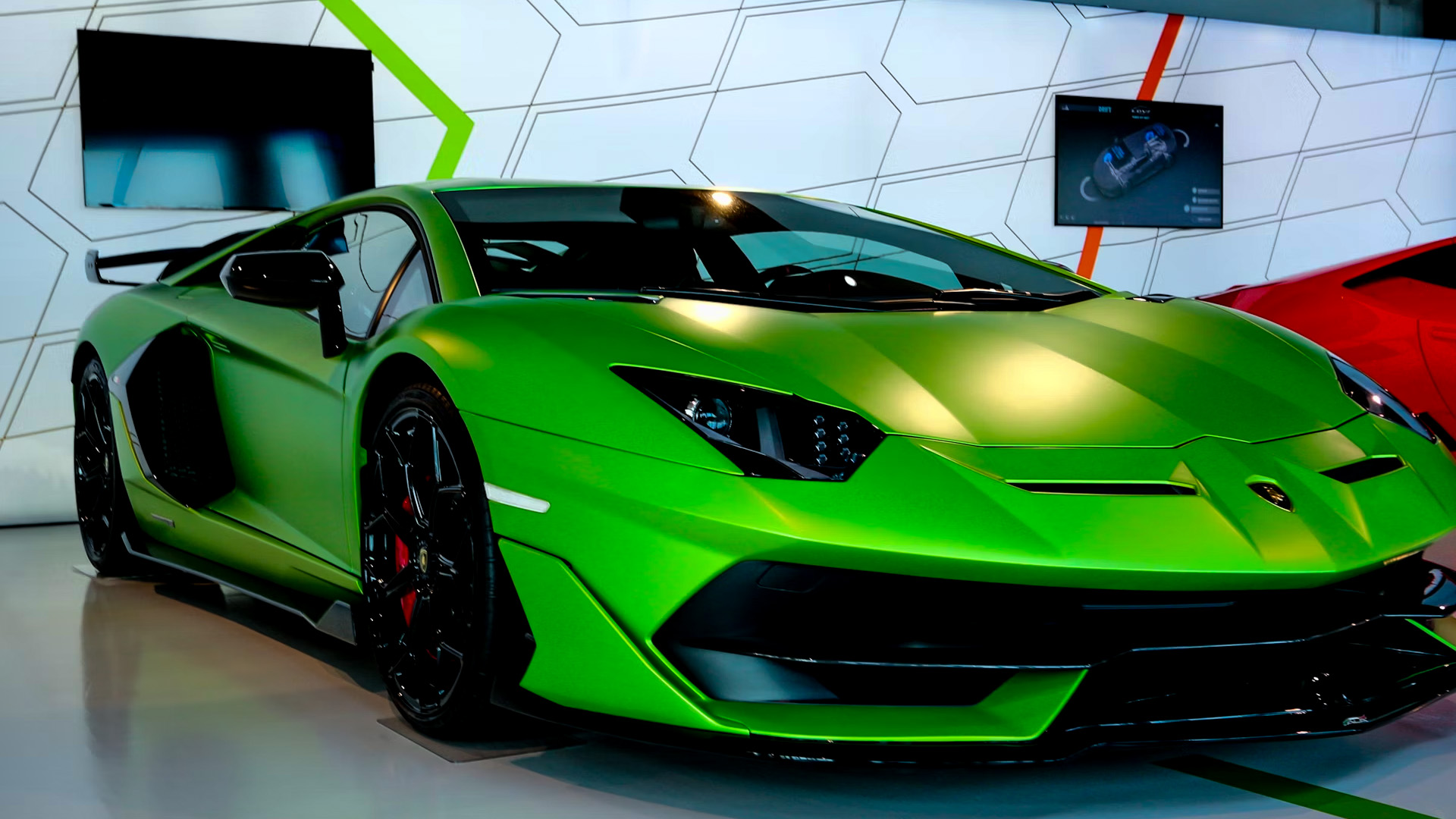
Preparing For The Future Of Automotive Advertising In 2024 And Beyond
Breyten Odendaal
Specializing in high-performance automotive advertising and digital marketing solutions, delivering cutting-edge insights and the latest news shaping the automotive industry in South Africa.
More From Advertising

Automotive Advertising in 2026: Selling Confidence in a More Competitive Market
As South Africa’s vehicle market becomes more competitive, automotive advertising needs to do more than announce a price or specification. It needs to help buyers understand value, ownership costs and why a vehicle suits their lives.

Automotive Digital Ads in South Africa: A Shift
Exploring how South Africa’s automotive advertising evolved from print and broadcast to data-driven, programmatic digital ecosystems.

The Video Shift in Car Buying Decisions in SA
Explore how video content shapes car purchase decisions in South Africa, comparing short-form and long-form strategies for automotive marketers.