
In the fiercely competitive landscape of the automotive aftermarket industry, effective advertising is not just an optionÔÇöit is a necessity. As the industry continues to expand, with more businesses vying for the attention of consumers, innovative marketing strategies become paramount. This article aims to equip marketing professionals with essential insights and practical approaches to enhance their advertising efforts. Readers will learn about understanding their market, developing compelling messages, selecting appropriate advertising channels, and leveraging modern digital tools and strategies to outshine their competition.
Understanding Automotive Aftermarket Services
Automotive aftermarket services encompass a broad spectrum of services and products available after the sale of the vehicle. These include maintenance and repair services, replacement parts, performance-enhancing components, and customization options. The aftermarket sector caters to various needs, ranging from routine oil changes and brake repairs to more specialized services like performance tuning and aesthetic modifications.
The market size of the automotive aftermarket industry is substantial and continues to grow. According to recent reports, the global automotive aftermarket industry is projected to reach approximately $722.8 billion by 2026, reflecting a compound annual growth rate (CAGR) of 3.8%. This growth is fueled by an increasing number of vehicles on the road, longer vehicle lifespans, and the rising demand for customization and performance upgrades. Understanding the vast and dynamic nature of this market is crucial for crafting effective advertising strategies.

Market Research and Audience Identification
Before diving into advertising, thorough market research is essential. Understanding the market dynamics and identifying the target audience are foundational steps in developing a successful advertising strategy. Market research methods such as surveys, focus groups, and data analysis provide valuable insights into consumer behavior, preferences, and needs.
Identifying and segmenting the target audience helps tailor advertising messages effectively. In the automotive aftermarket industry, audience segments can vary widely. For instance, DIY enthusiasts who enjoy working on their vehicles may prioritize access to a wide range of parts and detailed instructional content. On the other hand, professional mechanics might be more interested in quality, reliability, and technical support. By recognizing these different segments, advertisers can craft messages that resonate deeply with each group.
Developing a Compelling Message
Creating a clear and compelling advertising message is pivotal in capturing the audience's attention and driving engagement. The message should address the specific pain points and needs of the target audience, showcasing how the service or product provides a solution. It is also essential to highlight the unique selling propositions (USPs) and differentiators that set the business apart from competitors.
For example, if the service offers high-quality, OEM-certified parts at competitive prices, this should be prominently featured in the advertising message. Additionally, emphasizing elements like fast delivery, exceptional customer service, or a warranty can further enhance the appeal. Crafting a message that is both informative and emotionally engaging ensures it resonates with potential customers and prompts them to take action.
Choosing the Right Advertising Channels
Selecting the appropriate advertising channels is crucial for reaching the target audience effectively. Various channels offer distinct advantages and challenges, and the choice often depends on the audience's preferences and the available budget.
Digital Advertising
Platforms such as Google Ads and social media channels (Facebook, Instagram, Twitter) allow for targeted advertising based on demographics, interests, and behavior. Digital advertising offers flexibility and detailed performance tracking.
Print Advertising
Traditional print media like magazines and newspapers can be effective for reaching a specific audience segment, particularly those who prefer tangible content.
Social Media
Engaging with audiences on social media platforms can boost brand visibility and foster community interaction. It is also a cost-effective way to reach a large audience.
Email Marketing
Personalized email campaigns can keep customers informed about promotions, new products, and industry news. They are particularly effective for retaining existing customers and nurturing leads.
Broadcast Media
Television and radio ads can reach a broad audience and create a significant impact, though they often come with higher costs.Each channel offers unique benefits and potential drawbacks. A well-rounded advertising strategy often involves a mix of these channels to maximize reach and engagement.

Creating Engaging Content
Content is king in the realm of advertising. Creating engaging and relevant content that resonates with the audience is vital for capturing their attention and building a connection. Various content types can be employed, each serving a different purpose.
Articles and Blog Posts
Informative articles about automotive maintenance, repair tips, and industry trends can position the business as a thought leader.
Videos
Demonstrations, tutorials, and product reviews can provide valuable information in an easily digestible format.
Infographics
Visually appealing infographics can simplify complex information and are highly shareable on social media.
Customer Testimonials
User-generated content and testimonials build trust and credibility, showcasing real-life success stories and satisfied customers.Encouraging customers to share their experiences and reviews can significantly enhance the brand's reputation and attract new customers.
Utilizing Digital Marketing Tools
In the digital age, leveraging digital marketing tools is essential for crafting and executing successful advertising strategies. Tools such as Search Engine Optimization (SEO), Search Engine Marketing (SEM), email marketing, and social media advertising play pivotal roles.
SEOOptimizing website content to rank higher on search engine results pages (SERPs) increases visibility and organic traffic.
SEMPaid search campaigns, such as Google Ads, can target specific keywords and demographics, driving targeted traffic to the website.
Email Marketing
Personalized email campaigns can keep customers engaged and informed about promotions and new products.
Social Media Advertising
Platforms like Facebook, Instagram, and LinkedIn allow for highly targeted ads based on user behavior and demographics.Tracking and analyzing campaign performance using tools like Google Analytics and social media insights help refine strategies and improve results.
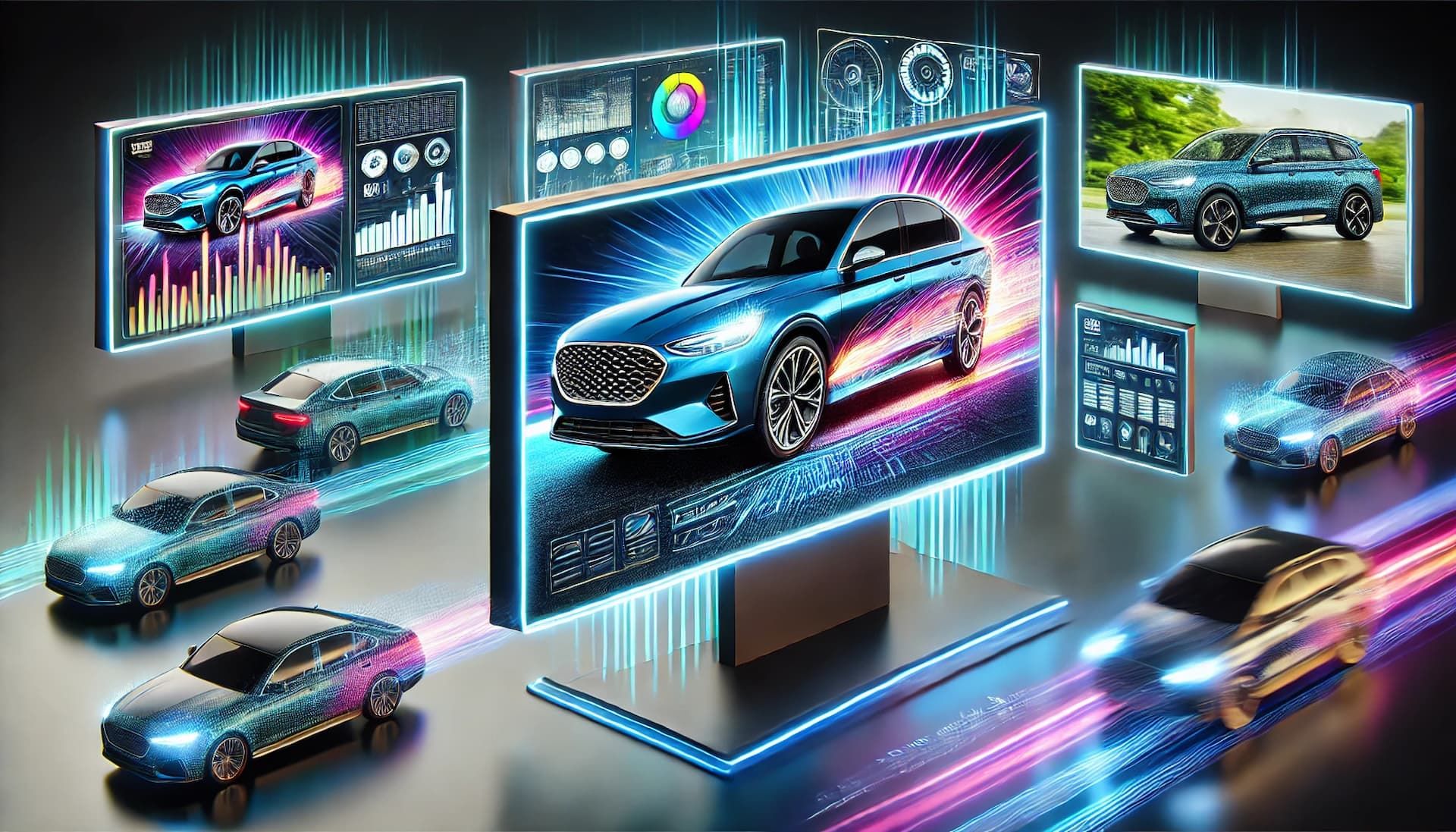
Leveraging Influencer and Partnership Marketing
Influencer marketing can be a powerful tool in the automotive aftermarket industry. Collaborating with influencers who have a significant following and credibility in the automotive space can help reach targeted audiences effectively.
Identifying Influencers
Finding influencers who align with the brand's values and target audience is crucial. Platforms like Instagram, YouTube, and TikTok host numerous automotive enthusiasts and experts.
Collaborating with Influencers
Establishing partnerships with influencers to create authentic content, such as reviews, tutorials, and sponsored posts, can enhance brand visibility and credibility.
Partnership Marketing
Collaborating with related businesses, such as auto parts manufacturers or car detailing services, can expand reach and create mutually beneficial marketing opportunities.
Measuring and Adjusting Advertising Strategies
Measuring the effectiveness of advertising campaigns is vital for continuous improvement and optimization. Key performance indicators (KPIs) such as click-through rates (CTR), conversion rates, and return on investment (ROI) provide valuable insights into campaign performance.
Performance Metrics
Tracking metrics like website traffic, lead generation, and sales conversions helps assess the impact of advertising efforts.
Adjusting Strategies
Based on performance data, marketers can identify areas for improvement and adjust their strategies accordingly. This may involve refining the advertising message, reallocating budget to more effective channels, or experimenting with new content types.Effective advertising in the automotive aftermarket industry requires a multifaceted approach. By understanding the market, crafting compelling messages, choosing the right channels, and leveraging modern digital tools, businesses can enhance their visibility and attract more customers. Continuous measurement and adjustment of strategies ensure sustained success in this competitive landscape. Marketing professionals must remain innovative and adaptable, always seeking new ways to connect with their audience and drive business growth.
Breyten Odendaal
Specializing in high-performance automotive advertising and digital marketing solutions, delivering cutting-edge insights and the latest news shaping the automotive industry in South Africa.
More From Advertising
Automotive Advertising in 2026: Selling Confidence in a More Competitive Market
As South Africa’s vehicle market becomes more competitive, automotive advertising needs to do more than announce a price or specification. It needs to help buyers understand value, ownership costs and why a vehicle suits their lives.

Automotive Digital Ads in South Africa: A Shift
Exploring how South Africa’s automotive advertising evolved from print and broadcast to data-driven, programmatic digital ecosystems.

The Video Shift in Car Buying Decisions in SA
Explore how video content shapes car purchase decisions in South Africa, comparing short-form and long-form strategies for automotive marketers.