
In recent years, sustainability has become a cornerstone of the automotive industry, transforming the way brands design, manufacture, and market their vehicles. With increasing consumer awareness of environmental issues and a growing demand for greener alternatives, the shift toward sustainability is no longer just a trendÔÇöitÔÇÖs a necessity. As automotive brands race to innovate and align with these expectations, their advertising campaigns have evolved to reflect a commitment to eco-friendly practices.
This article delves into how automotive companies are integrating sustainability into their advertising, from the evolution of eco-friendly messaging to the strategies used to communicate their green credentials. We will explore the consumer response to these efforts, the challenges automotive brands face in presenting an authentic message, and how future technologies will shape the next wave of eco-conscious marketing. By examining key examples from industry leaders and understanding the implications of these messages, we can gain insight into the future of automotive advertising in an environmentally conscious world.
The Evolution of Eco-Friendly Messaging in the Automotive Industry
The automotive industry's embrace of sustainability is a relatively recent development, with the first signs of green advertising emerging in the 1990s. However, it wasnÔÇÖt until the early 2000s, as global concerns about climate change reached a crescendo, that brands began to focus more seriously on eco-friendly marketing. The introduction of hybrid models such as the Toyota Prius in 1997 marked a pivotal moment, highlighting the industry's potential to reduce emissions and energy consumption.
In the years that followed, the concept of ÔÇ£eco-friendlyÔÇØ became synonymous with fuel efficiency, lower emissions, and greener manufacturing processes. Campaigns focusing on reduced environmental impact gained traction, with major brands touting innovations like electric vehicles (EVs) and hydrogen fuel-cell technology.
Fast forward to today, and sustainability is at the heart of most major automotive brands' advertising. According to a 2023 report by the International Energy Agency (IEA), sales of electric vehicles (EVs) reached an all-time high, accounting for over 14% of global car sales. As a result, automotive advertisements have increasingly focused on zero-emissions, renewable energy sources, and sustainable materials as key selling points.
Moreover, the automotive industry now views sustainability as not only a moral responsibility but also a significant competitive advantage. A 2022 survey by McKinsey & Company found that over 60% of consumers consider environmental impact when making purchasing decisions, with a significant increase in younger buyers prioritizing sustainability. These statistics reflect a paradigm shift in the market, one that has been driven by the industry's growing reliance on green technology, coupled with public demand for greater transparency.

Strategies Used by Automotive Brands to Convey Sustainability
To effectively communicate their commitment to sustainability, automotive brands have adopted various strategies that span across multiple media platforms. From traditional television spots to digital marketing campaigns, the most successful brands combine innovative messaging with visually captivating content to create a lasting impression.
Television and Print Advertising
Traditional advertising methods remain a powerful tool in the automotive sector. Tesla, for example, has largely avoided conventional advertising altogether, instead relying on word-of-mouth and organic social media content to spread its eco-friendly message. However, other brands have used television and print media to great effect, particularly when launching new EV models or green initiatives.
BMWÔÇÖs "The Power of Choice" campaign, which promotes its range of sustainable mobility options, showcases the brandÔÇÖs commitment to reducing carbon emissions while offering consumers various green alternatives. This message is reinforced through powerful visuals, from serene landscapes to high-tech driving experiences, demonstrating how BMWÔÇÖs innovations contribute to a cleaner world.
Digital Marketing and Social Media
Digital platforms have become indispensable for automotive brands aiming to reach a broader, more engaged audience. Brands like Ford and Hyundai have embraced social media campaigns to connect with environmentally-conscious consumers. For instance, HyundaiÔÇÖs #FutureOfMobility campaign focuses on their development of hydrogen-powered vehicles, featuring user-generated content and influencer partnerships to emphasize eco-friendly innovation.
Moreover, interactive online ads and videos enable brands to showcase the sustainable features of their vehicles in immersive ways. Through digital storytelling, companies can demonstrate the environmental benefits of their products in more dynamic formats, often featuring virtual tours of green manufacturing facilities or behind-the-scenes looks at sustainable vehicle development.
Experiential Marketing and Sponsorships
Some automotive brands have also employed experiential marketing techniques, such as eco-friendly test drives or sponsored events that align with sustainability values. For example, AudiÔÇÖs ÔÇ£Green ProductionÔÇØ initiative showcased how the company integrates sustainability into its manufacturing processes, inviting customers to visit its environmentally-conscious factories. These hands-on experiences not only educate consumers about the brandÔÇÖs eco-friendly efforts but also build deeper emotional connections to the sustainability narrative.

Consumer Response and Market Impact
The response to eco-friendly advertising has been overwhelmingly positive, with many consumers expressing a growing preference for sustainable products. A study by Nielsen found that nearly 73% of global consumers are willing to pay more for a product that promises sustainability, and this sentiment extends to the automotive industry.
For instance, TeslaÔÇÖs advertising approach, relying heavily on consumer-driven content and social media buzz, has resulted in a remarkable surge in brand loyalty and sales. TeslaÔÇÖs 2023 sales figures showed a 20% year-over-year increase, largely attributed to its reputation for producing eco-conscious vehicles that push the boundaries of green technology.
Meanwhile, legacy brands like Toyota and Ford have successfully tapped into the growing EV market by emphasizing their eco-friendly offerings in campaigns. ToyotaÔÇÖs push for hybrid and hydrogen vehicles has solidified its reputation as a leader in green innovation, with the Toyota Mirai, a hydrogen-powered sedan, receiving widespread attention through targeted advertisements. This strategy has allowed Toyota to maintain its position as one of the worldÔÇÖs top-selling automakers while diversifying its product line to include eco-conscious vehicles.
Shifts in Consumer Behavior
With increased consumer focus on sustainability, there has been a noticeable shift in purchasing behavior. Reports show that younger generations, particularly millennials and Gen Z, are more likely to prioritize environmental considerations when choosing a vehicle. A 2021 report from Deloitte revealed that 50% of Gen Z consumers are likely to consider purchasing an electric vehicle, with a similar trend emerging in millennials.
Automotive enthusiasts, traditionally more focused on performance and power, are also becoming more attuned to the environmental impact of their vehicles. Many now seek out eco-friendly alternatives without sacrificing performance, leading brands to integrate sustainability with high-performance specifications in their advertisements.
Challenges and Critiques
Despite the growing success of eco-friendly advertising, automotive brands face significant challenges in authentically conveying their sustainability efforts. The main issue is the risk of "greenwashing," where brands exaggerate or misrepresent their eco-credentials for marketing gain. This has led to criticisms from environmental activists and consumers alike.
For example, in 2021, several automakers faced scrutiny over misleading advertisements that claimed their vehicles were more sustainable than they were in practice. Volkswagen, for instance, was called out for promoting its diesel vehicles as eco-friendly, despite the infamous emissions scandal that exposed the companyÔÇÖs deceptive practices.
Overcoming Greenwashing
To avoid these pitfalls, automotive brands must be transparent about their sustainability efforts and ensure that their claims are supported by verifiable data. Many brands are now turning to third-party certifications, such as ISO 14001 (Environmental Management), to bolster the credibility of their eco-friendly messaging. Additionally, highlighting specific innovations, such as the use of sustainable materials in vehicle interiors or the integration of renewable energy into production processes, can lend authenticity to their green campaigns.
Future Directions and Innovations
Looking to the future, several emerging trends and technological innovations are set to shape the way automotive brands communicate sustainability. Virtual reality (VR) and augmented reality (AR) technologies are poised to revolutionize eco-friendly advertising by providing immersive experiences that allow consumers to virtually explore green vehicle features or visit sustainable manufacturing facilities.
Artificial intelligence (AI) is also expected to play a significant role in personalizing advertising content. AI-driven algorithms could analyze consumer behavior to deliver tailored sustainability messages, further enhancing the impact of green campaigns.
Moreover, evolving regulations and shifting consumer expectations will likely drive automakers to ramp up their environmental efforts. The European Union, for example, is set to implement stricter emissions standards in the coming years, which could result in more aggressive marketing of electric and low-emission vehicles.
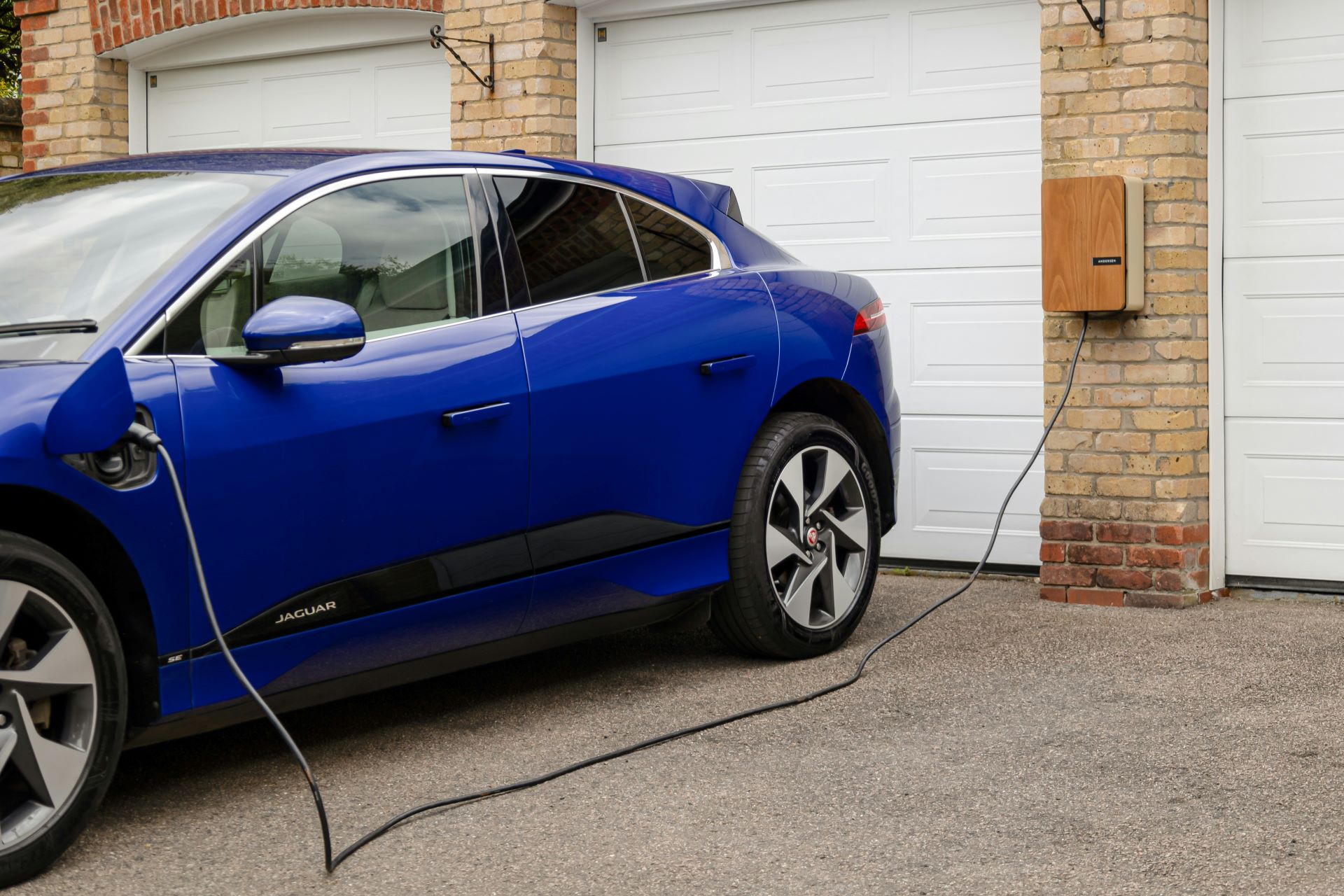
Eco-friendly messaging has become an integral part of automotive advertising, reflecting the growing demand for sustainability and environmental responsibility in the industry. While challenges remain, particularly in overcoming greenwashing and ensuring authenticity, brands that successfully integrate sustainability into their advertising can build stronger connections with consumers and position themselves as leaders in the green revolution.
As technology continues to evolve and consumer expectations shift, automotive brands will need to adapt and innovate to maintain their competitive edge in the market. The future of automotive advertising will undoubtedly be shaped by these changes, with a stronger emphasis on sustainability, transparency, and ethical marketing. For automotive enthusiasts, the message is clear: eco-conscious choices are no longer just a trend, but a fundamental part of the future of driving.
Breyten Odendaal
Specializing in high-performance automotive advertising and digital marketing solutions, delivering cutting-edge insights and the latest news shaping the automotive industry in South Africa.
More From Advertising

Automotive Advertising in 2026: Selling Confidence in a More Competitive Market
As South Africa’s vehicle market becomes more competitive, automotive advertising needs to do more than announce a price or specification. It needs to help buyers understand value, ownership costs and why a vehicle suits their lives.

Automotive Digital Ads in South Africa: A Shift
Exploring how South Africa’s automotive advertising evolved from print and broadcast to data-driven, programmatic digital ecosystems.

The Video Shift in Car Buying Decisions in SA
Explore how video content shapes car purchase decisions in South Africa, comparing short-form and long-form strategies for automotive marketers.