
The automobile has always been more than a machine. From the earliest days of motoring, carmakers sold not just transport but freedomÔÇöan invitation to roam, to discover, to own a slice of personal independence. Yet as the 21st century enters its third decade, that promise is evolving once again. The car is no longer a standalone artifact of mobility; it is a node in a network of connected living. The modern vehicle can talk to the house, share energy with the grid, and sense when the owner is ready to drive. For automotive marketers, this is no mere technological curiosity. It is the foundation of a fresh narrative: the car-to-home ecosystem, a space where digital integration defines how brands engage consumers and shape their aspirations.
This is more than a marketing trend. It is the convergence of two parallel revolutionsÔÇöthe rise of the smart home and the electrification of transportation. For the first time, the automobile and the dwelling are becoming cooperative partners in daily life. Lighting, security systems, climate control and energy management no longer stop at the front door. When a driver approaches, the vehicle can signal the home to turn on lights, pre-heat the living room or unlock the door. When parked, the same car can feed surplus electricity into a household battery or the national grid. Automotive marketing now has the task of turning this technical ballet into a compelling human story.
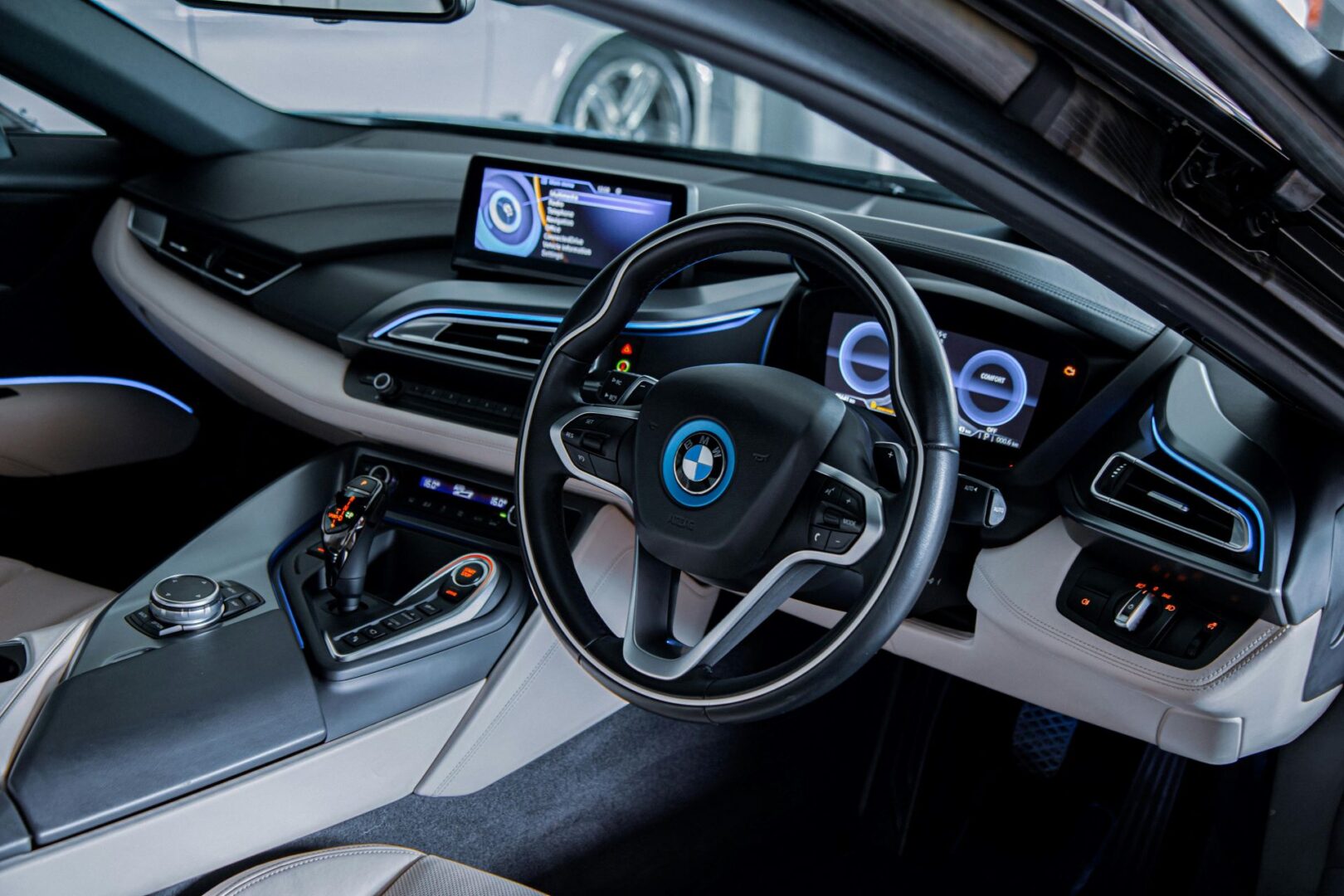
From Connected Cars to Connected Living
Only a decade ago, ÔÇ£connected carÔÇØ meant an in-dash navigation screen or a smartphone app for remote lock-and-unlock. Today, connectivity is far more ambitious. Vehicle-to-home (V2H) and vehicle-to-grid (V2G) technologies allow two-way energy flows, while voice assistants such as AmazonÔÇÖs Alexa or Google Assistant link vehicle infotainment systems with home devices. This technological leap has altered the marketing playbook. Instead of positioning the car as an isolated marvel of engineering, brands now frame it as a lifestyle hubÔÇöan essential partner in the userÔÇÖs digital ecosystem.
Consider how early campaigns for electric vehicles emphasized range anxiety and sustainability metrics. While those themes remain relevant, forward-looking brands have shifted toward the idea of seamless living. In promotional videos and showroom experiences, the driverÔÇÖs life is depicted as a continuous, unbroken flow from driveway to living room. The car no longer begins or ends a journey; it is the connective tissue between personal and domestic spaces.
This shift is not simply cosmetic. Consumers increasingly value convenience and holistic experience over isolated product features. A car that warms the house before arrival or syncs with a home security camera system delivers a tangible benefit that can be marketed as time-saving, stress-reducing and energy-efficient. For automotive marketers, this provides a rich storytelling canvas: the vehicle as a trusted partner that anticipates needs both on the road and at home.
Marketing the Car-to-Home Vision
Communicating such a vision demands more than technical specifications. Marketers must humanize the abstract. A list of protocolsÔÇöV2H, IoT, API integrationsÔÇöwill not stir emotion. Instead, campaigns increasingly lean on narrative and lifestyle imagery to make the invisible visible. A family returning from a winter trip opens the front door to find the lights already glowing and the air pleasantly warm, all thanks to the carÔÇÖs pre-arrival signal. A professional returns from a long day to discover that her vehicle has not only recharged itself on cheap overnight electricity but also powered the dishwasher during peak hours, lowering her energy bill. These vignettes become the emotional shorthand for complex technology.
Premium brands have been particularly adept at translating these scenarios into marketing theatre. AudiÔÇÖs concept of ÔÇ£e-home synergyÔÇØ highlights how its e-tron models interact with domestic energy systems. BMW iÔÇÖs campaigns show owners using their car batteries as home energy reserves. NissanÔÇÖs ÔÇ£Leaf to HomeÔÇØ initiative in Japan presents the car as both a mobility device and a household energy source during power outages. Such campaigns do more than advertise a product; they position the brand as a pioneer of integrated living.
The key is not to oversell the technology as futuristic gadgetry but to show how it fits seamlessly into familiar routines. Marketers must walk a fine line between innovation and reassurance: the ecosystem must appear cutting-edge yet dependable, exciting yet intuitive. This balance is achieved through careful messaging that stresses reliability, security and user-friendliness alongside the thrill of a smarter lifestyle.
Storytelling Through Experience
While traditional advertising remains important, the car-to-home concept is best conveyed through experiential marketing. Potential buyers need to feel the integration rather than merely hear about it. Automakers have begun to create immersive showrooms and test-drive environments where visitors can witness the ecosystem in action. In flagship dealerships, visitors might see a mock living room whose lights and thermostat respond to a demonstration vehicle parked outside. Virtual reality and augmented reality experiences take this further, allowing prospects to ÔÇ£walk throughÔÇØ a day in which the car and home converse seamlessly.
Events and partnerships with tech companies also extend the narrative. When a carmaker collaborates with a leading smart home brandÔÇösay, a global provider of connected thermostats or security systemsÔÇöthe marketing message gains credibility and relevance. Joint campaigns can highlight how the carÔÇÖs software speaks fluently with established home platforms, giving consumers confidence that the ecosystem is not a fragile one-off experiment but a robust, future-proof solution.
Data, Personalisation and the Ethics of Connection
With connectivity comes data. Automotive marketers see enormous potential in personalisation: tailoring messages, offers and services based on a userÔÇÖs driving habits, household energy consumption and lifestyle patterns. Imagine a campaign that recognises when a householdÔÇÖs energy usage peaks and suggests a car-based energy storage solution, or a service app that prompts a home security check when the vehicleÔÇÖs GPS indicates a long trip away. Such targeted engagement promises higher conversion rates and stronger brand loyalty.
Yet marketers must also navigate the ethical landscape carefully. Consumers are becoming more awareÔÇöand waryÔÇöof how their personal data is collected and used. Successful car-to-home campaigns are transparent about privacy protections and give users control over what is shared. Trust is not a mere footnote; it is the currency that sustains the entire ecosystem. Automotive marketing that acknowledges and respects these concerns not only avoids backlash but strengthens the brandÔÇÖs reputation as a responsible innovator.
Regional Nuances and Global Opportunities
The car-to-home narrative is not uniform across markets. In regions where renewable energy adoption is high and electricity grids are modernisedÔÇösuch as parts of Europe, Japan and CaliforniaÔÇöthe value proposition of two-way energy flow resonates strongly. Here marketers highlight cost savings, grid resilience and environmental stewardship. In emerging markets where smart home infrastructure is less developed, campaigns may instead focus on convenience and security features, such as remote monitoring or automated lighting triggered by vehicle proximity.
Understanding these regional differences allows marketers to fine-tune their messaging. A European campaign might emphasise how a car can sell electricity back to the grid during peak demand, while a South African initiative could showcase how a vehicle provides backup power during load-shedding. Both are authentic expressions of the same ecosystem, adapted to local realities.
The New Luxury: Seamless Integration
Luxury in the automotive sector has traditionally been defined by materials and performanceÔÇöhand-stitched leather, powerful engines, near-silent cabins. But as digital living becomes a status marker, luxury is increasingly about seamlessness. A premium experience is one where technology disappears into the background, working invisibly to enhance life. For marketers, this is fertile ground. The car-to-home ecosystem can be framed as the ultimate expression of contemporary luxury: the privilege of an environment that anticipates needs without visible effort.
This redefinition of luxury also broadens the market. It appeals not only to traditional high-net-worth buyers but to tech-savvy professionals and eco-conscious families who equate innovation with prestige. The message shifts from ÔÇ£owning a fast carÔÇØ to ÔÇ£living a smart life,ÔÇØ allowing brands to engage a wider audience without diluting their aspirational appeal.
Challenges as Story Elements
No revolution is without obstacles, and savvy marketers can turn these challenges into part of the story. Infrastructure limitations, cross-platform compatibility issues and the learning curve of new technology can be framed not as deterrents but as opportunities for leadership. Brands that openly address these issuesÔÇöwhile demonstrating their commitment to solving themÔÇögain credibility. A campaign might highlight how the automaker is partnering with utility companies to improve grid readiness or investing in open standards to ensure interoperability. Such transparency transforms potential weaknesses into proof of the brandÔÇÖs forward-thinking ethos.
Beyond the Sale: Aftermarket Engagement
The car-to-home ecosystem offers a rich platform for ongoing customer engagement long after the initial purchase. Software updates, new app features and evolving partnerships with smart home providers allow brands to maintain a dynamic relationship with owners. Marketing can evolve from one-off promotions to a continuous dialogue: newsletters announcing new integrations, push notifications about energy-saving tips, loyalty programs rewarding households that adopt the latest ecosystem features. This not only enhances customer lifetime value but reinforces the perception of the car as a living, evolving participant in the consumerÔÇÖs lifestyle.
Looking Ahead: The Car as a Living Node
The trajectory is clear: as vehicles become increasingly electrified and autonomous, their role in our lives will continue to expand beyond transportation. Future marketing campaigns will not simply sell horsepower or battery capacity; they will sell the promise of a life in which mobility, energy management and domestic comfort form a single, harmonious system. The car will be presented as a living node in a larger network, a companion that not only moves us through space but orchestrates the very environment we inhabit.
For automotive marketers, the challenge and the opportunity lie in making that vision tangible without losing the emotional resonance that has always driven car culture. The car-to-home ecosystem is not just a story about technology. It is a story about peopleÔÇöhow they live, how they aspire to live, and how a vehicle can be both a machine and a partner in the art of living well.
Breyten Odendaal
Specializing in high-performance automotive advertising and digital marketing solutions, delivering cutting-edge insights and the latest news shaping the automotive industry in South Africa.
More From Advertising

Automotive Advertising in 2026: Selling Confidence in a More Competitive Market
As South Africa’s vehicle market becomes more competitive, automotive advertising needs to do more than announce a price or specification. It needs to help buyers understand value, ownership costs and why a vehicle suits their lives.

Automotive Digital Ads in South Africa: A Shift
Exploring how South Africa’s automotive advertising evolved from print and broadcast to data-driven, programmatic digital ecosystems.

The Video Shift in Car Buying Decisions in SA
Explore how video content shapes car purchase decisions in South Africa, comparing short-form and long-form strategies for automotive marketers.