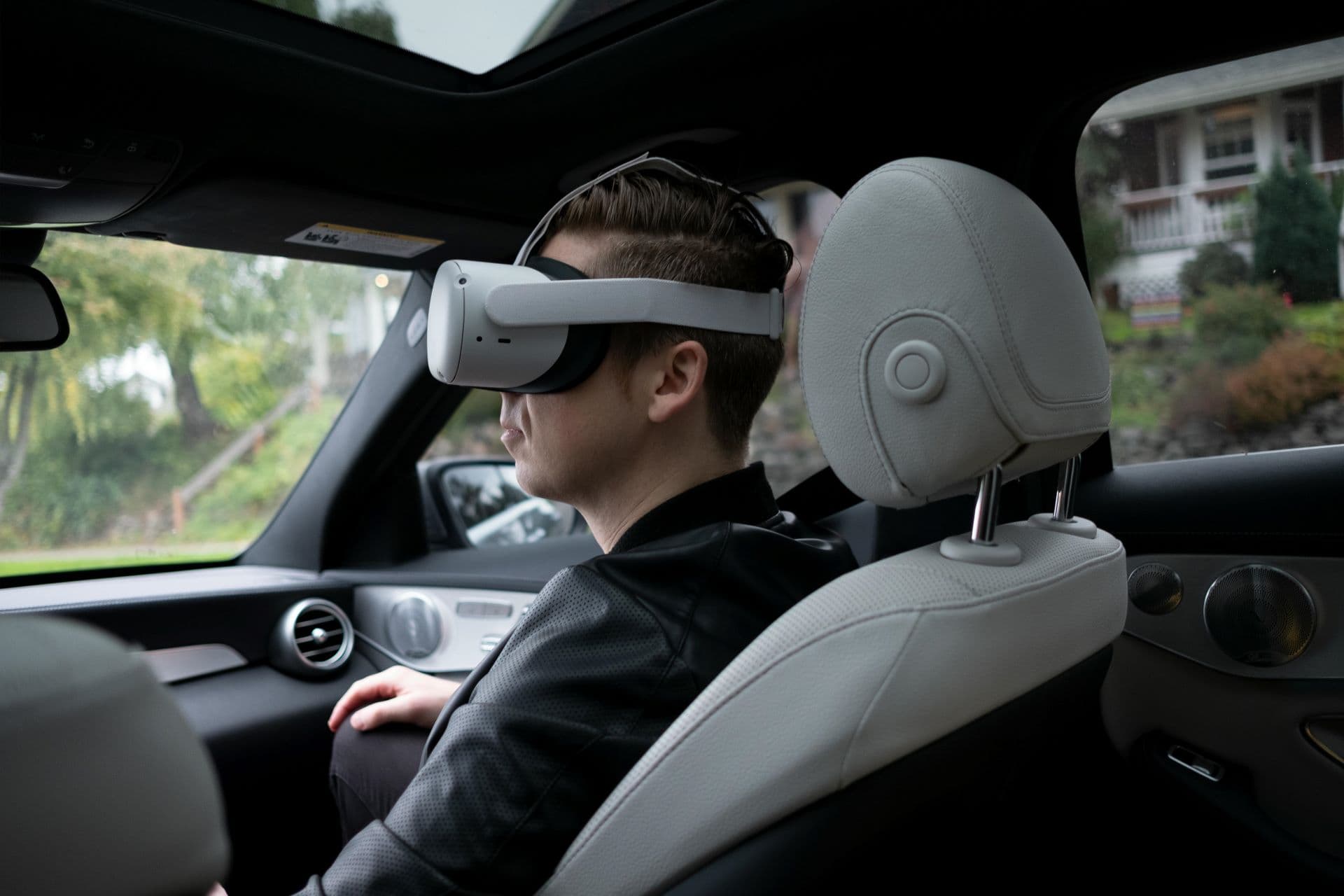
From Showroom to Sandbox: The New Rules of Car Discovery
Once upon a time, car shopping followed a tidy arc: browse brochures, visit a dealership, test drive the chosen model, haggle, sign. That seamless old ritual is now frayed at the edges. Customers arrive armed with deep online knowledge, an aversion to pushy sales tactics, and an appetite for experiences that feel personal, immediate, and entertaining. Against that backdrop, virtual and augmented reality, married to gamification, are doing more than digitise the sales funnelÔÇöthey are rewriting what discovery means.
Virtual showrooms are the clearest manifestation of this shift. But they are not merely digital showrooms photographed in a prettier light. The most effective VR environments behave less like catalogues and more like curated stages where physical product and brand narrative perform together. A premium brand might recreate the emotional architecture of its heritageÔÇöpolished wood floors, hushed lighting, the scent of leatherÔÇöall within a headset-rendered auditorium. A mass-market brand might construct playful, high-energy spaces where colours erupt and configurations snap together with satisfying tactile feedback. In both cases the goal is the same: create an encounter that engages the senses, but crucially, invites participation.
Participation changes the math. In a VR showroom, a visitor does not just click through a gallery; they choose a configuration, test a virtual roof box on a family road trip route, or climb into a simulated city to trial parking manoeuvres. Each action reveals preference data that feels natural because it emerges from play. This data is pure gold for marketing: it shows the features buyers actually care to experiment with, and it reveals the emotional triggers that convert interest into intent. But data alone is a sterile prize unless it is used to craft better stories. The brands that win are those that turn insights into more compelling experiencesÔÇöpersonal follow-ups that reference a userÔÇÖs virtual test drive, targeted content that answers the questions the user implicitly asked while exploring, and incentives that reflect genuine interest rather than crude assumptions.
Augmented reality takes the conversation out of the headset and into the buyerÔÇÖs real world. A smartphone AR app that places a life-size car in a driveway does more than measure dimensions; it contextualises ownership. Seeing a vehicle parked beside a childÔÇÖs bicycle or tucked under a low carport answers a practical question and nudges the imagination. That visualisation matters because purchasing a car is as much a vote for a future lifestyle as it is a technical choice. AR proves to be an empathy engine: it lets brands step into the customerÔÇÖs reality and show how their product fits inside it. The magic happens when AR experiences are woven into narrative arcsÔÇömini stories that demonstrate commuting comfort in heavy rain, or an evening drive where ambient cabin lighting transforms the mood. Story, not specs, convinces.
Gamification is the secret sauce that binds these digital encounters together. Play becomes a gentle persuasion tool. When brands convert product exploration into game-like rewardsÔÇöunlocking a premium trim after completing a virtual route or accruing points for customisation experimentsÔÇöengagement deepens. The buyer who spends three immersive minutes configuring a colour, toggling a sound system, and testing the suspension in a simulated canyon has invested energy, autonomy, and imagination. That investment is psychologically sticky; people tend to favour choices they have made actively. Moreover, play reduces friction. A challenging, satisfying interaction can replace a sales pitch and still move the customer toward purchase.
This new marketplace of experience is not without its hazards. Poorly executed VR can feel gimmicky; AR that misrepresents dimensions breeds practical mistrust; games that reward clicks without meaningful benefit come across as manipulative. The discipline lies in dramaturgy. Automotive marketers must design experiences that respect the intelligence of users while making curiosity effortless. They must be storytellers first and technologists second. In that balance lies the future of discovery: a place where shoppers are delighted into decision, and where every interactionÔÇöplayful or seriousÔÇögives brands clearer permission to speak.
Section II ÔÇö Mechanics of Immersion: Designing VR and AR That Sell
Immersive technologies are exciting, but excitement without craft can create spectacular failures. More than hardware or software, effective immersive marketing is a product of design thinking aimed at human behaviour. The sin of many early VR projects was technological showboatingÔÇöbeautiful graphics, but no purpose. Modern campaigns are different because they align experience design with commercial intent: to reduce uncertainty, convey value, and accelerate the path to purchase.
Start with orientation. A new user must understand the environment within seconds. Good VR funnels eliminate confusion: a clarified call-to-action, intuitive menuing, and a safe learning curve. A dealership might offer a short on-boarding vignette that teaches how to open doors, change trims, and start a drive. The aim is to make control feel effortless so curiosity can do the heavy lifting. In AR, where users often juggle a mobile device and their physical surroundings, guidance must be even more subtle. Overlay prompts that indicate scale, suggested vantage points that avoid awkward camera angles, and clear ways to reset the view keep the experience pleasant rather than frustrating.
Narrative scaffolding deepens engagement. The most memorable immersive moments do not present a product; they stage a situation. A sports utility vehicle is more persuasive when framed within a family weekend escape: the VR simulation can offer toggles for a rainy mountain pass or a sunlit beach approach, showing how cargo space, traction control, and in-car entertainment behave under stress. An EV is more compelling when the user is guided through a day in the life that emphasises charging behaviour, range confidence, and seamless integration with home energy systems. These narrative scaffolds achieve two things. They orient the user to practical concernsÔÇörange anxiety, cabin comfort, cargo usabilityÔÇöwhile also delivering emotional resonance.
Feedback mechanics matter as much as narrative. Haptics, spatial audio, and responsive UI amplify the sense of presence, turning casual interest into visceral preference. The click-and-see browsing model is replaced by touch-and-feel metaphors: the soft silhouette of a leather seat, the satisfying thunk of a closing door, the ambient hum of an electric motor when accelerating. Designers mustnÔÇÖt overdo fidelity where it does not matter; high-resolution lip-sync or photoreal foliage adds cost without commercial return. Instead, prioritize elements that convey the vehicleÔÇÖs personality and function. Let sound communicate power delivery. Let material shaders suggest quality. Let interactive tutorials surface practical benefits.
Personalisation elevates immersion from novelty to utility. Tailored experiences that remember a userÔÇÖs past interactionsÔÇösaved configurations, previously explored features, or even preferred narrative themesÔÇöcreate a continuous relationship rather than a one-off demo. Imagine a returning user who discovers a VR scene already rigged to their previous choices, prompting them to test an upgraded battery or a new trim. Or picture AR that recalls prior placements and overlays new accessories into the same real-world frame. This continuity deepens brand affinity because it mimics human memory; people appreciate being recognised and not treated as new each time.
Finally, immersion must integrate with the sales ecosystem. Too often, immersive campaigns are islands: a brilliant VR exercise with no bridge to the nearest dealership or a viral AR filter that delivers no measurable lead. The highest-performing experiences embed soft conversionsÔÇöscheduling a real test drive, reserving a model, or starting a bespoke finance quote within the environment. Equally important is post-experience follow-up that leverages the data generated. A follow-up message that references the exact trim the user favoured, offers a timed incentive, and suggests a local availability window feels bespoke rather than spammy. Good design converts delight into action without breaking the spell.
Section III ÔÇö Play That Pays: Gamification Strategies with Real ROI
Words like ÔÇ£funÔÇØ are often dismissed in B2B and considered irrelevant in serious sales. Automotive marketing proves the opposite: when play is designed with purpose, it produces measurable commercial outcomes. Gamification is not about gimmicks; it is about channeling human behaviourÔÇöcuriosity, achievement, competitionÔÇötoward business results. Done cleverly, it increases dwell time, improves recall, segments intent, and animates communities.
The first rule of effective gamification is to link the game to a genuine benefit. If a gamified configuration tool reduces the time required to finalise spec choices, it serves the buyer and speeds the purchase. If a brandÔÇÖs AR scavenger hunt introduces safety features within a playful narrative and that knowledge lowers perceived risk, then gamification has earned its place. The best campaigns anchor rewards to value, not vanity. Earned discounts, priority access to limited editions, or service perks for completing meaningful experiences feel like real currency and nudge conversion.
Gamification also excels at education. Complex products are made simpler through progressive reveal. A layered game that introduces features in small, digestible modules is far more effective than a long spec sheet. Consider an electrified model where the virtual experience begins with basic drive feel, then unlocks energy management mechanics, and finally demonstrates integration with home charging. Each unlocked stage increases the buyerÔÇÖs competence, and competence breeds confidence. Confidence shortens sales cycles and increases likelihood to purchase.
Community mechanics amplify impact. When brands weave leaderboards, shared challenges, or cooperative missions into campaigns, they cultivate social proof and advocacy. A regional challenge that rewards the community with a local event or a brand-sponsored driving day turns individual play into collective momentum. Importantly, community-driven gamification should be designed to be inclusive; the goal is to invite participation across enthusiast levels, from the hardcore tuner to the cautious commuter. Shared narratives are powerful because they turn ownership into membershipÔÇöpeople donÔÇÖt just buy cars; they buy belonging.
Measurement is the non-negotiable. Gamified programs must be instrumented to yield actionable KPIs. Which mechanics increase test-drive bookings? Which rewards generate follow-through to purchase? Are users who engage in AR conversion funnels more likely to select higher-margin options? Without these answers, gamification is entertainment, not a strategy. The best practitioners run experimentsÔÇöA/B testing of reward types, segmented flows for different buyer personas, cohort tracking of post-engagement behaviourÔÇöand then iterate quickly. Because game design is iterative by nature, this approach smooths the path to optimised ROI.
Finally, authenticity is everything. Consumers are deft at sniffing out contrivance. Gamification that feels manipulative will backfire. The measure of success is not how many clicks a game generates, but whether it enhances brand reputation and accelerates genuine purchase intent. The sweet spot is playful utility: experiences that are pleasurable to use and genuinely lower the barriers to ownership. When gamification is applied with integrity, brands discover a powerful truth: people love to play, and when they play well, they buy better.
Section IV ÔÇö Casecraft: Campaigns That Filter Imagination into Sales
Theory is satisfying, but proof persuades. Across the automotive landscape, a few well-executed campaigns demonstrate how gamification and immersive reality convert cultural capital into commercial results. These examples are not exhaustive or worshipful; rather, they illustrate patterns that any brand can adapt: narrative immersion, frictionless conversion, and data-driven personalisation.
A luxury marque staged a VR reveal that folded its heritage into a modern narrative. Visitors walked through a virtual museum where historic models morphed into contemporary designs, then were invited to take a curated road loop where chassis, interior, and engine traits responded to driving conditions. The experience ended with a personalised configuration that could be emailed to the visitor or used to book a bespoke real-world test drive. The campaignÔÇÖs success was measured by increased dealership appointment rates among VR participants and higher-order values driven by customers who reserved after their immersive session. The lesson was clear: nostalgia, when paired with modern utility, can convert desire into deposit.
A mass-market brand focused on AR to drive mass awareness with lean budgets. Its app allowed users to park a virtual model in real-world spaces, snapshot customisations, and share images to social platforms. The campaign included an integrated promotion: users who shared their AR render received a small service discount or parts voucher redeemable at the nearest dealership. This gave the social content a commercial endpoint and turned organic reach into measurable footfall. Marketing teams were able to attribute an uptick in local test drives to AR interactions, proving that shareable experiences can be catalytic rather than vanity metrics.
A third campaign leaned heavily into gamified education. An EV manufacturer built a progressive challenge that educated users about energy management. Users navigated simulated commutes, optimised charge strategies, and unlocked higher levels only after demonstrating understanding of regenerative braking and route planning. Those who reached the final tier earned an in-person charging assessment and a discounted home charger installation. The result was a reduction in range-anxietyÔÇôrelated objections during sales interactions, higher finance uptake due to perceived value, and an enhanced perception of the brand as helpful rather than salesy.
These case studies reveal a shared architecture. Experiences that perform well are tightly integrated into the purchase pathway, use rewards that matter, and produce data that informs follow-up. They also reflect an important mindset shift: immersive campaigns are not ends in themselves but conversion channels embedded within the broader customer journey. When marketing leaders treat these experiences like part of the sales infrastructureÔÇönot just experimentationÔÇöthey begin to see scalable returns.
Ethics, Inclusion, and the Road Forward: Building Trust in a Playful Age
Immersive and gamified marketing carries immense potential, but that potential brings responsibilities. When brands step into customersÔÇÖ homes via AR or gather behavioural data in VR, they must do so transparently and respectfully. Consent is not a checkbox; it is a design principle. Users should understand what data is collected, how it will be used, and what benefits they receive in exchange. The models of privacy by design and minimal data retention should become best practice rather than marketing rhetoric.
Accessibility deserves equal weight. Technological novelty should not become an exclusionary badge. Not everyone has access to high-end VR hardware or the latest smartphone capable of flawless AR. Brands must therefore design layered experiences: lightweight AR for common devices, console or mobile-friendly VR options, and hybrid physical touchpoints at dealerships for those who prefer analogue interactions. Good design makes the experience better for everyone, regardless of device. Small UX choicesÔÇöclear contrast for readability, closed captions in guided narratives, and simple control schemesÔÇömake a measurable difference in inclusivity.
The social effects of gamified marketing also need scrutiny. When rewards target behaviour, there is a moral question about influence. Designers must avoid creating mechanics that exploit vulnerabilitiesÔÇöaddictive loops without benefit, manipulation of scarcity to manufacture false urgency, or opaque reward systems that fail to deliver. Gamification should elevate user competence and autonomy, not degrade it. Ethical gamification is educational, transparent, and respectful of usersÔÇÖ time and attention.
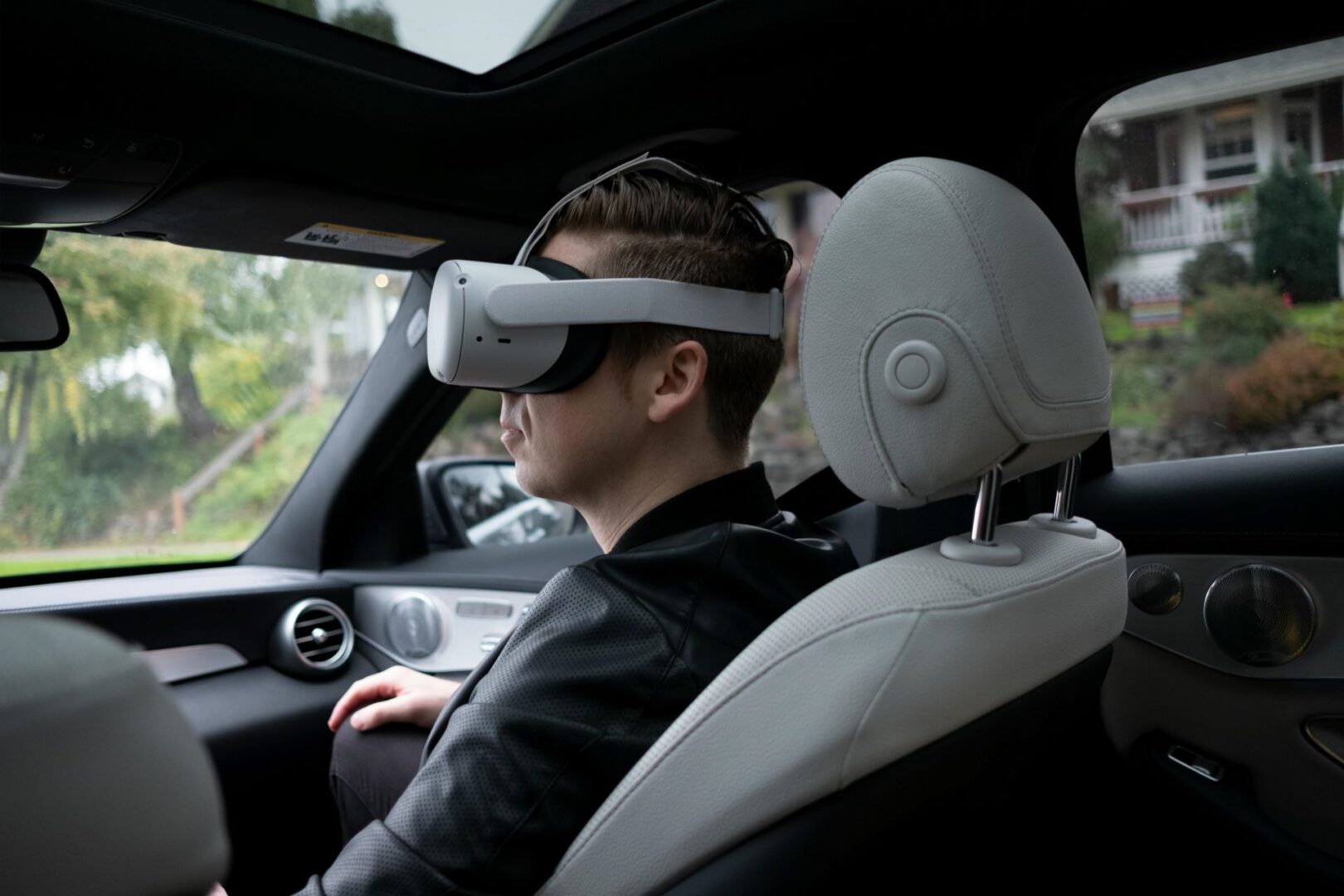
Technological evolution will not stop. As real-time ray tracing, AI-driven personalisation, and mixed-reality headsets mature, the line between physical test drive and virtual experience will blur further. This is an opportunity for automotive marketers to offer genuinely differentiated value: predictive configurators that suggest trims based on lifestyle inputs, immersive aftersales experiences that teach maintenance through gamified tutorials, and cross-brand ecosystems where charging, insurance, and entertainment services are bundled within a holistic virtual ownership experience.
The organisational requirements are demanding but straightforward. Creative teams must be integrated with data and product teams to ensure that immersive experiences align with manufacturing capabilities and business models. Agencies should be judged not only on creative flair but on their ability to instrument and iterate. And leaders must see immersive strategies as long-term investments in brand equity and operational efficiencies, not as one-off campaigns.
Above all, the future of automotive marketing in this playful age depends on humility. Technology amplifies storytelling, but it does not replace it. The brands that succeed will be those that treat immersive tools as extensions of their human voiceÔÇöadding charm, clarity, and usefulness to the buyerÔÇÖs journey. In that approach, gamification and virtual reality are not circus acts to dazzle; they are workshops where buyers and brands build mutual understanding, step by step, together.
Breyten Odendaal
Specializing in high-performance automotive advertising and digital marketing solutions, delivering cutting-edge insights and the latest news shaping the automotive industry in South Africa.
More From Advertising

Automotive Advertising in 2026: Selling Confidence in a More Competitive Market
As South Africa’s vehicle market becomes more competitive, automotive advertising needs to do more than announce a price or specification. It needs to help buyers understand value, ownership costs and why a vehicle suits their lives.

Automotive Digital Ads in South Africa: A Shift
Exploring how South Africa’s automotive advertising evolved from print and broadcast to data-driven, programmatic digital ecosystems.

The Video Shift in Car Buying Decisions in SA
Explore how video content shapes car purchase decisions in South Africa, comparing short-form and long-form strategies for automotive marketers.