In the relentless pursuit of relevance and resonance, automotive brands have long understood that selling cars is no longer just about engineering prowess or mechanical perfection. Today, it's about storytelling. It's about emotional connection. And increasingly, it's about cultural presence.
The modern car is more than transportation; it's a symbol, a soundtrack, a characterÔÇöand occasionally, even the hero. In an age where the value of a brand often lies in how deeply it embeds itself in the cultural consciousness, automotive marketers are leveraging the full spectrum of pop cultureÔÇömusic, film, gamingÔÇöto stay top of mind and close to heart.
A Cultural Engine: Why Pop Culture Matters to Automotive Brands
The logic is simple but potent: culture is where people live. It shapes identities, drives conversations, and dictates aspiration. Pop cultureÔÇöwhether streaming on Spotify, exploding on a cinema screen, or captivating in a video gameÔÇörepresents a rich, fertile ground for automotive storytelling. And when brands find the right lane, the payoff can be enormous.
At its best, the intersection of cars and culture does more than product placementÔÇöit creates iconography. Think of the Aston Martin DB5 and James Bond. The DeLorean and Back to the Future. Or more recently, the electric Mustang Mach-E making its onscreen debut in Marvel's Loki. These are more than marketing moments; they are cultural timestamps.
Brands want to be part of what people love. And music, film, and gaming are three of the most potent, emotive conduits available.
Soundtrack to the Street: How Music Drives Emotional Connection
Few things stir emotion quite like music. ItÔÇÖs personal, nostalgic, and powerful. Car brands have long tapped into this visceral connection to forge associations with specific lifestyles, moods, and memories.
Consider how Chevrolet aligned itself with American heartland rock by using Bob Seger's Like a Rock in campaigns that ran for over a decade. Or how the sleek, progressive design of the Lexus NX was amplified through collaborations with genre-defying artists like Black Panther composer Ludwig G├Âransson.
In South Africa, VolkswagenÔÇÖs long-standing love affair with youth culture and music is exemplified in campaigns like the Polo Beats partnership, which aligned the car with emerging musical talent and immersive sound experiences. Here, the car becomes more than a vehicleÔÇöit becomes an enabler of rhythm, of style, of belonging.
Meanwhile, brands like MINI have leaned into curated playlists and collaborations with DJs to bring the brandÔÇÖs upbeat, urban identity to life through sound. Mercedes-Benz has gone a step further, curating its own music label, Mercedes-Benz Mixtape, to reflect the pulse of its brand.
TodayÔÇÖs music marketing is increasingly platform-led. Car brands are sponsoring Spotify playlists, tapping into TikTok trends, and even commissioning original soundtracks for branded short films. Because music doesnÔÇÖt just sell a car. It sells a mood, an aspirationÔÇöand increasingly, a lifestyle.
Lights, Camera, Ignition: Cars in the Spotlight
If music creates atmosphere, cinema creates myth. On screen, cars transcend utility and become personality statementsÔÇöfrequently central to character development or plot.
Automotive brands have long understood the power of this visual medium. From the Batmobile to the Bumblebee Camaro, to the audacious stunts of the Fast & Furious franchise, the right placement can immortalise a model in the cultural canon.
But itÔÇÖs not just Hollywood blockbusters. ItÔÇÖs also the curated, highly stylised world of streaming content. In Stranger Things, the 1983 Chevrolet Blazer becomes an unexpected nostalgia trigger. In Drive, the 1973 Chevrolet Malibu becomes a moody emblem of cool detachment. Brands understand that these appearances arenÔÇÖt just about eyeballsÔÇötheyÔÇÖre about association, memory, and iconography.
Behind the scenes, many of these placements are the result of careful negotiation, with product integration teams working months ahead of release. Some brands provide vehicles; others co-produce content. Aston Martin, for example, doesnÔÇÖt just appear in Bond filmsÔÇöit shapes them. From vehicle design input to co-branded advertising, the collaboration is an orchestrated symphony of engineering, elegance, and intrigue.
In markets like South Africa, product placement is evolving too. Local productions are increasingly seen as valuable touchpoints for culturally relevant storytelling. A popular local drama series set in Johannesburg might feature a Toyota Hilux as more than a background vehicleÔÇöit becomes an extension of character and context. It's relatability, reinforced by relevance.
The Drive to Play: Gaming as the New Cultural Superhighway
Perhaps the most dynamic pop culture lane for car brands today is gaming. What began as a niche hobby has exploded into a global industry, with an estimated 3.3 billion gamers worldwide and cultural influence that rivals film and music.
The automotive world has taken notice. Today, youÔÇÖre as likely to discover a new car behind a virtual wheel as you are in a dealership.
Franchises like Gran Turismo, Forza Horizon, and Need for Speed have long been playgrounds for gearheads and dreamers alike. But in recent years, the sophistication of these platforms has opened up new marketing frontiers. Manufacturers now use games as launchpads. Porsche revealed the Taycan Cross Turismo in Gran Turismo 7. BMW debuted concept vehicles in Rocket League. Even Formula 1 teams are embracing esports as a legitimate, parallel stage for brand exposure.
Gaming doesnÔÇÖt just offer eyeballsÔÇöit offers immersion. Players spend hours behind the wheel of branded vehicles, building familiarity and affinity. ItÔÇÖs hands-on experience, even if hands are on a controller.
Brands are also leveraging gaming culture through partnerships with influencers, streamers, and content creators. In 2021, HyundaiÔÇÖs IONIQ 5 was featured in Roblox, one of the worldÔÇÖs biggest social gaming platforms, through a purpose-built virtual test drive environment. The strategy? Connect with Gen Z where they already spend their timeÔÇöand do it in a way that feels native, not intrusive.
Esports, too, are playing an increasingly important role. Mercedes-Benz sponsors League of Legends events. Toyota has partnered with Twitch creators. And in South Africa, gamingÔÇÖs meteoric rise has led to local adaptations, with car brands sponsoring local streamers and appearing in regional tournaments.
Culture as Currency: What Car Brands Gain
This deep cultural entrenchment offers more than surface-level visibility. It enables car brands to remain relevant in a world where traditional advertising is increasingly tuned out. It allows them to connect with younger audiences who donÔÇÖt watch TV, donÔÇÖt read magazines, and may never step into a showroom.
It also allows for storytelling across touchpoints. A car seen in a movie may appear in a social media teaser, a YouTube walkaround, a Spotify ad, and then in a gaming platformÔÇöeach reinforcing the brand narrative in different but complementary ways.
Done right, this strategy builds brand equity that transcends product specs. When people associate your brand with their favourite song, their go-to streaming series, or the game they canÔÇÖt stop playing, youÔÇÖve achieved something powerful: relevance. YouÔÇÖve become part of their world.
The Authenticity Imperative
But the journey isnÔÇÖt without pitfalls. TodayÔÇÖs audiencesÔÇöparticularly Millennials and Gen ZÔÇöare highly attuned to inauthenticity. A clumsy brand tie-in, a forced product placement, or an awkward influencer partnership can do more damage than good.
The key is resonance. Collaborations must feel organic, not opportunistic. ThatÔÇÖs why brands are increasingly working with creative agencies, artists, and producers from the outsetÔÇönot just handing over a car and hoping for the best.
For example, the success of Gran Turismo: The Movie was partly due to how Sony and Nissan worked together to celebrate a real-life story about a gamer who became a professional racer. It wasnÔÇÖt just brandingÔÇöit was narrative alignment.
South AfricaÔÇÖs Evolving Pop Culture Landscape
In South Africa, the interplay between car brands and pop culture is developing a unique flavour. Local music, local stories, and local gaming communities are increasingly driving brand strategies. Events like Comic Con Africa, with automotive tie-ins and cosplay-style showcases, or the explosive rise of Amapiano music videos featuring premium SUVs, show how cultural capital is becoming as valuable as financial capital in automotive marketing.
The opportunity for brands lies in tapping this energyÔÇöthrough music festivals, collaborations with film schools, partnerships with game developers, and more. It's about finding new roads to connection in a marketplace where consumers want more than featuresÔÇöthey want feelings.
The Road Ahead
As technology continues to blur the lines between digital and physical, the next wave of automotive marketing will become even more immersive. Virtual reality test drives. AI-generated music videos featuring branded cars. Films created entirely in game engines. Branded skins for cars in virtual worlds.
But the principle remains the same: the most successful car brands will be those that understand the culture, not just the market. Those who show up where it mattersÔÇönot just as advertisers, but as collaborators, co-creators, and contributors to the pop culture ecosystem.
Because in the end, a car isnÔÇÖt just something we drive. ItÔÇÖs something we listen to music in. Watch movies with. Play games through. Dream about. Aspire toward.
And when a brand gets that balance rightÔÇöbetween relevance and authenticity, engineering and emotionÔÇöit doesnÔÇÖt just sell cars.
It becomes part of the story.
Breyten Odendaal
Specializing in high-performance automotive advertising and digital marketing solutions, delivering cutting-edge insights and the latest news shaping the automotive industry in South Africa.
More From Advertising
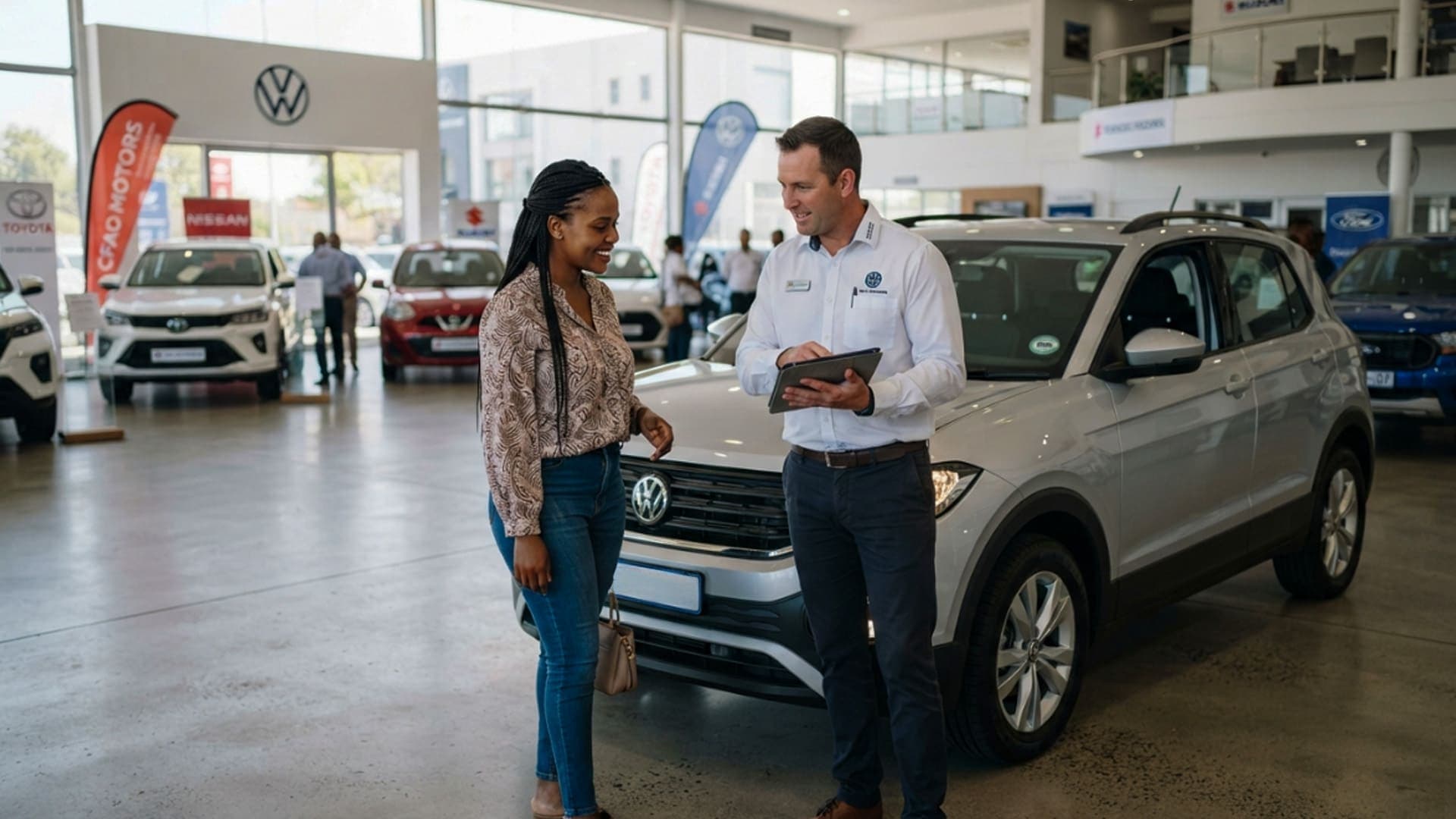
Automotive Advertising in 2026: Selling Confidence in a More Competitive Market
As South Africa’s vehicle market becomes more competitive, automotive advertising needs to do more than announce a price or specification. It needs to help buyers understand value, ownership costs and why a vehicle suits their lives.

Automotive Digital Ads in South Africa: A Shift
Exploring how South Africa’s automotive advertising evolved from print and broadcast to data-driven, programmatic digital ecosystems.

The Video Shift in Car Buying Decisions in SA
Explore how video content shapes car purchase decisions in South Africa, comparing short-form and long-form strategies for automotive marketers.