
The automotive industry is navigating a fundamental transformation. As brands shift toward electrified mobility, marketing teams face a dual challenge: promoting innovation while maintaining credibility in sustainability claims. GreenwashingÔÇöa term that has become all too familiarÔÇöis a constant risk when the narrative oversimplifies or exaggerates environmental benefits. The key lies in transparency, lifecycle thinking, and connecting sustainability to the brand story without compromising authenticity.
The Electrification Imperative
Electrification is no longer an optional innovationÔÇöit is a strategic necessity. With governments setting ambitious carbon-neutral targets and consumers increasingly factoring sustainability into purchase decisions, electric vehicles (EVs) have become central to the industryÔÇÖs growth. But electrification is about more than batteries and motors; it is about narrative. How brands communicate the environmental advantages of EVs defines public perception and loyalty.
Marketing must pivot from generic ÔÇ£eco-friendlyÔÇØ claims toward detailed, credible messaging. For instance, highlighting the reduction of tailpipe emissions is useful, but equally compelling is sharing the broader environmental context: the energy mix powering the vehicle, the efficiency of production processes, and the end-of-life recyclability of components. In this way, sustainability messaging becomes a multidimensional story rather than a marketing buzzword.
Lifecycle Messaging: Beyond the Vehicle
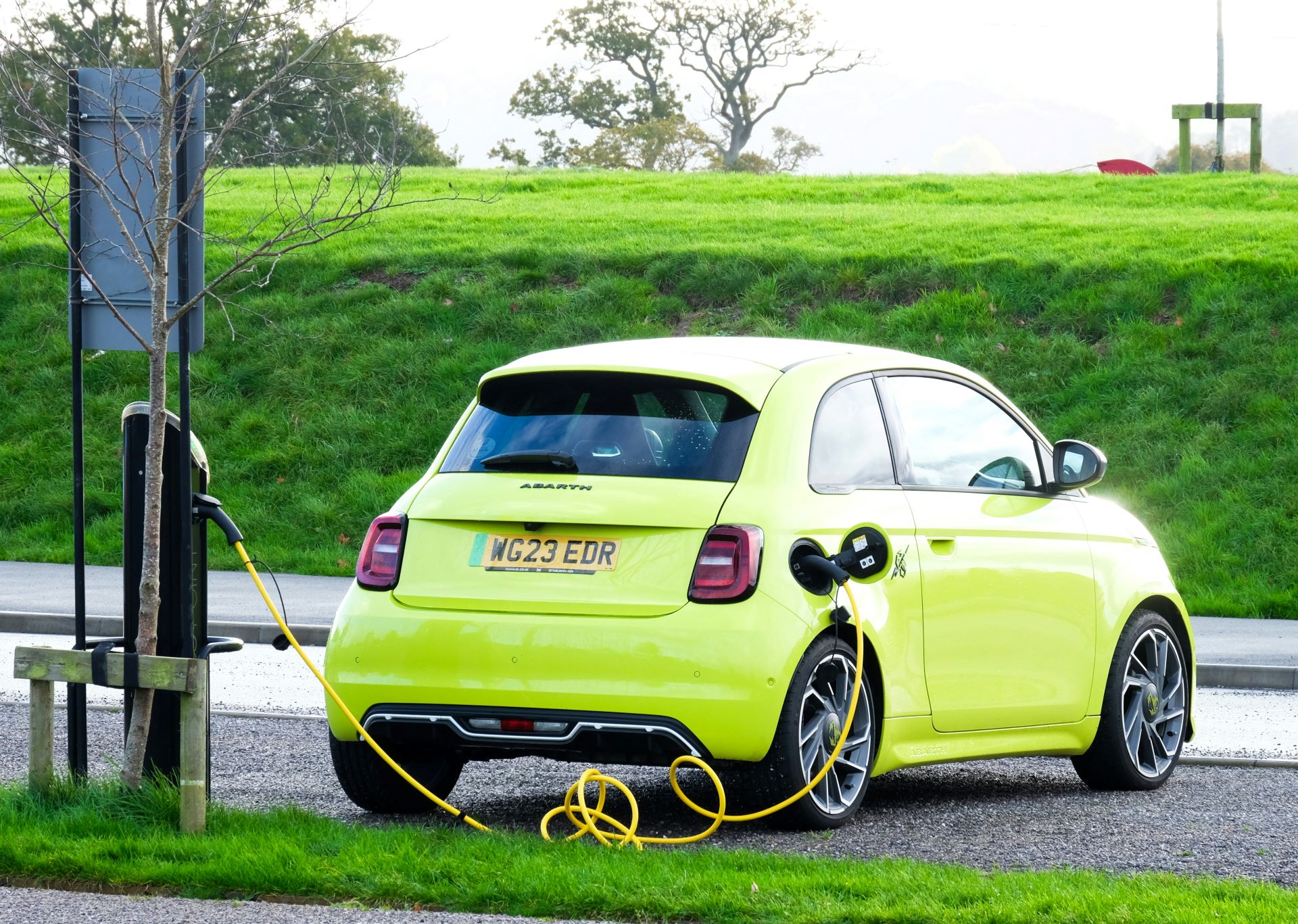
One of the most effective ways to avoid accusations of greenwashing is by embracing lifecycle messaging. Traditional advertising often celebrates the vehicleÔÇÖs performance or design, leaving the sustainability story implicit or oversimplified. Lifecycle messaging shifts the focus from a single point of the journey to the entire existence of the vehicleÔÇöfrom raw material extraction to production, use, and recycling.
For example, marketing communications can highlight the sourcing of ethically mined lithium for batteries, the energy efficiency of manufacturing plants, and the recyclability of battery modules at the end of their service life. Transparent narratives around these stages create trust and elevate brand credibility. A customer reading that a battery can retain 80% of its capacity after a decade or that used battery modules are repurposed for energy storage sees a tangible impact, reinforcing the authenticity of your sustainability story.
In addition, integrating lifecycle insights into storytelling allows automotive brands to differentiate themselves in competitive markets. While two EVs may offer similar performance, the one that transparently communicates its environmental impact across the full lifecycle will resonate more with conscientious consumers.
Transparent Battery-Recycling Narratives
Battery recycling is a crucial element of the EV sustainability conversation. Without credible action in this area, electrification risks being perceived as a superficial or incomplete solution. Automotive marketing can play a central role in educating consumers on the measures taken to recover, reuse, and recycle critical materials from spent batteries.
A compelling battery-recycling narrative does not shy away from the complexities of the process. It communicates the role of specialized recycling facilities, the proportion of materials recovered, and ongoing innovations to improve circularity. Brands that collaborate with independent third-party recyclers can emphasize independent verification of claims, enhancing credibility.
For marketing teams, this translates into campaigns that celebrate both innovation and responsibility. Visual storytelling can be particularly effective hereÔÇöshowing the journey of a battery from vehicle to recycling plant and back into energy storage or new battery production adds depth to the narrative. Equally, digital tools such as interactive lifecycle maps or explainer videos can make technical processes more accessible without diluting authenticity.
Storytelling That Resonates
At its core, effective eco-marketing requires storytelling that resonates with the audience. Sustainability is complex, and oversimplification risks both skepticism and disengagement. Automotive marketers must craft narratives that connect with consumers emotionally, ethically, and intellectually.
Authenticity is critical. Campaigns should highlight measurable achievements, like reductions in carbon footprint per vehicle produced or the percentage of recycled materials used in production. Personalised narrativesÔÇösuch as the story of a vehicle owner reducing their environmental impact through real-world EV usageÔÇöhumanize sustainability. These stories also reinforce brand loyalty by allowing customers to feel part of a shared mission.
Tone and language are equally important. Avoid marketing clich├®s such as ÔÇ£zero impactÔÇØ or ÔÇ£100% green.ÔÇØ Instead, communicate in concrete terms, supported by verifiable data. Statements grounded in scienceÔÇölike reductions in COÔéé equivalent emissions over the vehicle lifecycleÔÇöcan convey credibility while remaining engaging.
Aligning Sustainability with Brand Identity
Eco-marketing is most effective when it is aligned with brand identity and values. For instance, a luxury automotive brand may focus on sustainable craftsmanship, premium materials with low environmental impact, and energy-efficient production techniques, while a mainstream brand might emphasise affordability, accessible EV adoption, and recycling initiatives.
Integration is key. Sustainability messaging should not feel like an add-on but a core part of the brand narrative. Every touchpointÔÇöadvertisements, social media, dealer communications, and product literatureÔÇöshould reflect this commitment. When customers perceive sustainability as a genuine aspect of brand identity rather than a marketing tactic, trust deepens.
Leveraging Data for Credibility
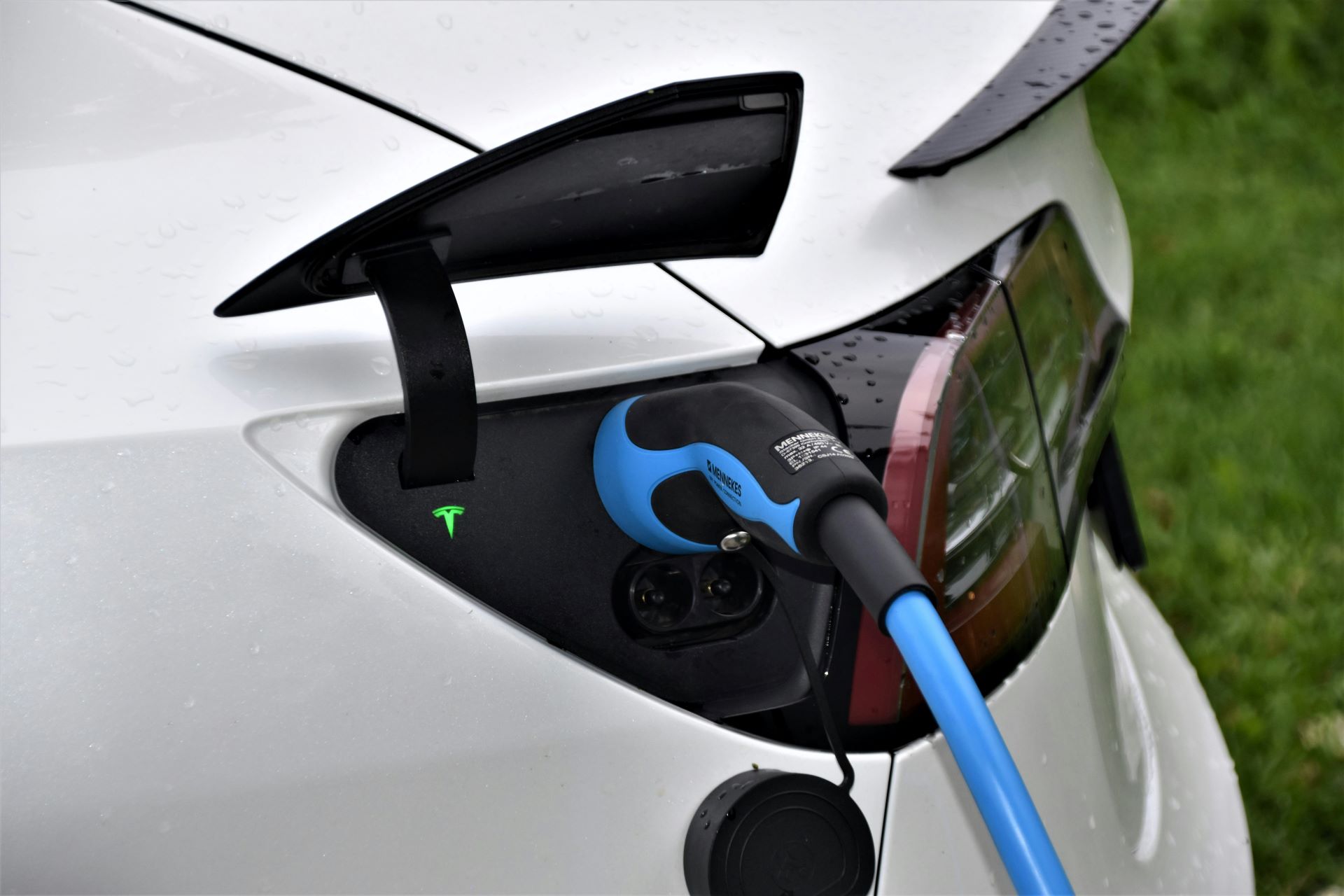
Data-driven marketing is essential for substantiating sustainability claims. Consumers increasingly demand evidence, and transparent presentation of environmental metrics can turn data into a powerful storytelling tool. Lifecycle analyses, emissions reports, and battery recovery statistics can be integrated into campaigns, providing both depth and reassurance.
Interactive dashboards or online platforms where customers can explore vehicle environmental impact are particularly effective. They allow users to engage with sustainability information actively, creating a sense of empowerment and transparency. For example, demonstrating the percentage reduction in carbon emissions achieved by switching from a combustion engine vehicle to an EV over a five-year period can be compelling, tangible, and shareable.
Engaging Stakeholders Beyond the Consumer
Sustainability marketing is not solely about consumer engagement. Automotive brands must also communicate effectively with internal teams, regulators, and industry partners. Transparent and consistent messaging ensures alignment and credibility across all stakeholder groups.
Dealer networks, for instance, play a pivotal role in conveying sustainability narratives to customers. Equipping sales teams with clear, data-backed information ensures they can answer questions credibly and reinforce brand authenticity. Similarly, collaborations with suppliers, recyclers, and energy providers demonstrate a holistic approach to environmental responsibility, which can be leveraged in corporate communications and public relations campaigns.
Avoiding Greenwashing Pitfalls
Despite best intentions, greenwashing remains a persistent risk. Common pitfalls include exaggerating environmental benefits, using vague terminology, or highlighting minor initiatives as proof of sustainability leadership. Automotive marketers must approach every claim with rigor and honesty.
A useful heuristic is the ÔÇ£evidence-firstÔÇØ principle: every sustainability statement should be supported by verifiable evidence. Where uncertainty existsÔÇösuch as projections for future recycling capacity or emerging battery chemistriesÔÇöcommunicate this transparently rather than oversimplifying or omitting it. Similarly, avoid implying that a product is inherently ÔÇ£eco-friendlyÔÇØ without addressing its full lifecycle impact.
Brands that proactively acknowledge challenges and outline ongoing improvements not only mitigate greenwashing risk but also enhance credibility. Transparency about limitations and future goals resonates strongly with informed consumers and positions the brand as a responsible leader in electrification.
Communicating Innovation Responsibly
Electrification is synonymous with technological innovation, but marketing messages must balance excitement with responsibility. Features such as advanced regenerative braking, energy-efficient climate control, or AI-driven powertrain optimisation are compelling, yet their environmental benefits should be communicated accurately. Overstating benefits risks eroding trust.
A responsible approach involves contextualising innovations within the broader sustainability narrative. For example, regenerative braking can be presented not only as a convenience or efficiency feature but also in terms of measurable energy recovery over the vehicleÔÇÖs lifecycle. By connecting innovation to environmental outcomes, marketing becomes both aspirational and credible.
The Role of Partnerships and Collaborations
No brand operates in isolation, particularly in sustainability. Automotive marketers can amplify credibility through partnerships with trusted environmental organisations, research institutions, and recyclers. Co-branded campaigns and third-party certifications provide independent validation, reinforcing consumer confidence in sustainability claims.
These collaborations should be authentic and clearly communicated. Highlighting specific projects, such as battery repurposing programs or renewable energy initiatives in manufacturing, adds substance to the narrative. Beyond enhancing credibility, partnerships also create content opportunitiesÔÇöfrom behind-the-scenes videos to case studiesÔÇöthat resonate with engaged audiences.

Marketing That Drives Change
Electrification and eco-marketing in the automotive sector are no longer optionalÔÇöthey are strategic imperatives that influence brand perception, consumer trust, and market growth. By embracing lifecycle messaging, transparent battery-recycling narratives, and evidence-backed storytelling, automotive marketers can promote sustainability without falling into the trap of greenwashing.
The brands that succeed will be those that integrate environmental responsibility into their identity, communicate authentically, and engage stakeholders across the value chain. Sustainability is complex, but marketing need not be complicated. With the right approach, automotive campaigns can drive awareness, trust, and changeÔÇöensuring that electrification is not only a technical achievement but a story that inspires and resonates.
Ultimately, marketing is about connection. By conveying sustainability with clarity, credibility, and creativity, automotive brands can engage the modern consumer meaningfully, inspire confidence, and accelerate the transition toward a cleaner, electrified future.
Breyten Odendaal
Specializing in high-performance automotive advertising and digital marketing solutions, delivering cutting-edge insights and the latest news shaping the automotive industry in South Africa.
More From Advertising

Automotive Advertising in 2026: Selling Confidence in a More Competitive Market
As South Africa’s vehicle market becomes more competitive, automotive advertising needs to do more than announce a price or specification. It needs to help buyers understand value, ownership costs and why a vehicle suits their lives.

Automotive Digital Ads in South Africa: A Shift
Exploring how South Africa’s automotive advertising evolved from print and broadcast to data-driven, programmatic digital ecosystems.

The Video Shift in Car Buying Decisions in SA
Explore how video content shapes car purchase decisions in South Africa, comparing short-form and long-form strategies for automotive marketers.