
The automotive industry is in the midst of one of the most significant transformations in its history. Electric vehicles (EVs) have moved from niche experimentation to mainstream adoption, catalyzed by concerns over climate change, regulatory pressures, and evolving consumer preferences. As the shift accelerates, sustainability is no longer a secondary considerationÔÇöit is central to brand identity, influencing everything from product development to marketing strategies. Automakers now face the dual challenge of producing environmentally responsible vehicles and communicating their commitment in a way that resonates with increasingly discerning consumers.
In a world where information travels at the speed of a click, buyers are not merely consumers of carsÔÇöthey are stakeholders in a broader environmental narrative. They scrutinize corporate claims, seek authenticity, and reward transparency with loyalty. This article explores how automakers are shaping their sustainability messaging, building brand loyalty, and engaging eco-conscious buyers, offering insights from product innovation, storytelling, and digital engagement to transparency, lifestyle integration, and experiential marketing.
The Emergence of the Eco-Conscious Consumer
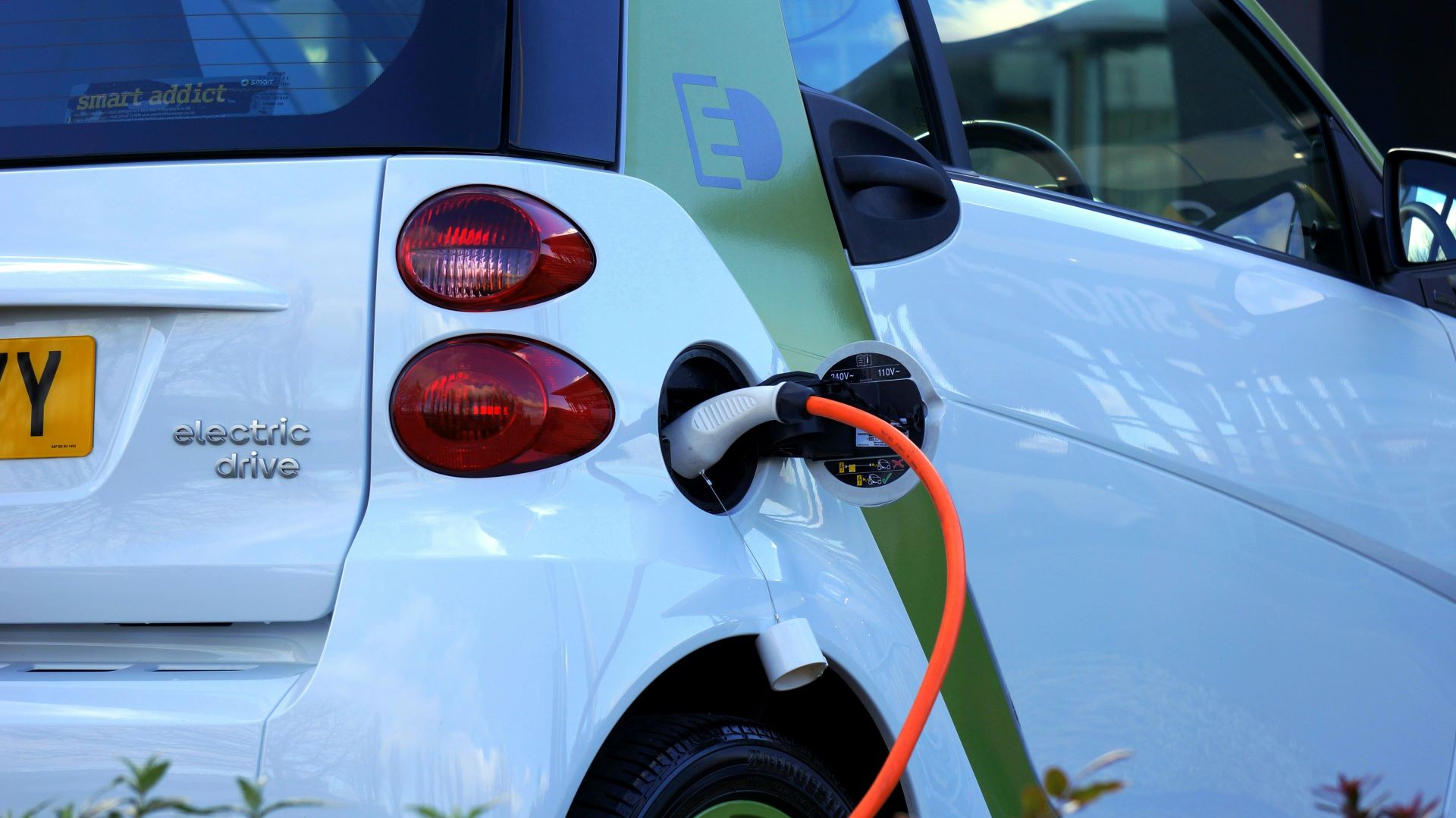
The 21st-century consumer is more informed and values-driven than ever. Environmental considerations now significantly influence purchasing decisions, particularly among younger generations. Studies show that millennials and Gen Z are more likely to purchase from brands that demonstrate a genuine commitment to sustainability, even if it means paying a premium.
For automakers, this shift demands a nuanced understanding of consumer psychology. Sustainability is not merely a feature; it is a reflection of values. Buyers are looking for brands that align with their beliefs, offering not only products but also experiences that resonate with a conscious lifestyle. This has created a new paradigm in automotive marketing, where eco-conscious messaging is intertwined with brand identity, customer experience, and community engagement.
Crafting a Credible Sustainability Narrative
One of the most critical challenges for automakers is developing messaging that feels authentic and credible. Consumers are quick to detect ÔÇ£greenwashingÔÇØÔÇöclaims of environmental responsibility that are superficial or misleading. To overcome skepticism, brands must integrate sustainability across every facet of their operations, from production and supply chains to marketing and corporate culture.
Transparency as a Cornerstone
Transparency builds trust. Automakers that openly disclose carbon footprints, sourcing practices, and production processes demonstrate a commitment to accountability. Comprehensive sustainability reports, third-party certifications, and lifecycle analyses provide consumers with tangible evidence of progress. This approach reassures buyers that the brand is serious about its environmental responsibilities and is not merely capitalizing on a trend.
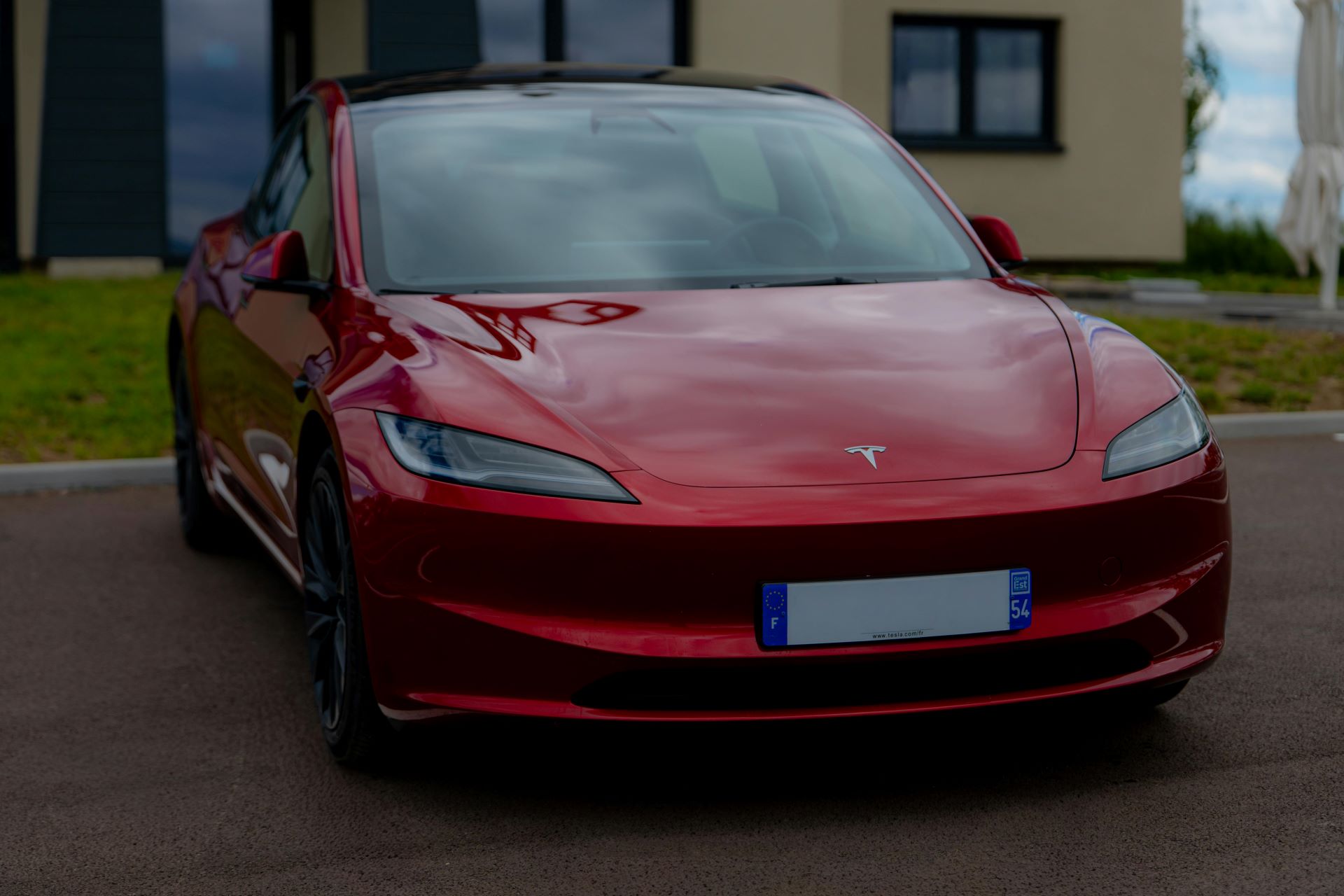
TeslaÔÇÖs rise exemplifies this principle. While its vehicles are undeniably innovative, the brandÔÇÖs consistent messaging around renewable energy, battery technology, and mission-driven culture has reinforced its credibility. Volvo has similarly leveraged transparency, openly communicating its path toward full electrification and carbon neutrality, including clear targets and progress metrics.
Storytelling Beyond the Vehicle
Modern sustainability messaging relies heavily on storytelling. Consumers respond to narratives that contextualize environmental responsibility in real-world terms. Highlighting renewable energy usage in factories, showcasing efforts to reduce emissions in supply chains, or profiling employees engaged in sustainability initiatives humanizes the brand and makes environmental efforts relatable.
Brands that create immersive storytelling experiencesÔÇöthrough video documentaries, interactive websites, and live eventsÔÇöallow consumers to witness sustainability in action. This emotional engagement transforms eco-conscious initiatives from abstract ideals into tangible, aspirational realities that reinforce brand loyalty.
Innovation as a Communication Tool
Product innovation is one of the most persuasive vehicles for sustainability messaging. Electric drivetrains are the most visible aspect, but automakers are increasingly integrating eco-conscious design principles throughout the vehicle lifecycle.
Materials and Circular Economy
Sustainable materials, from recycled plastics to bio-based composites, demonstrate environmental commitment in ways consumers can see and feel. Circular economy initiatives, such as battery recycling programs and vehicle take-back schemes, emphasize responsibility beyond the point of sale, signaling that the brand considers the entire lifecycle of its products.
BMWÔÇÖs i-series exemplifies this approach, with interiors incorporating recycled materials and production facilities powered by renewable energy. These initiatives not only enhance environmental performance but also serve as compelling storytelling elements, enabling brands to communicate tangible sustainability achievements.
Performance and Efficiency
Sustainability messaging is strengthened when innovation enhances both environmental performance and driving experience. Advanced electric powertrains, energy-efficient motors, and regenerative braking systems demonstrate that eco-consciousness does not compromise performance. By showcasing vehicles that deliver both thrill and responsibility, automakers appeal to a broad spectrum of buyers, bridging the gap between environmental values and lifestyle aspirations.
Transparency and Trust: Navigating Consumer Skepticism
The modern consumer demands evidence. Claims without verification are quickly dismissed, and social media amplifies scrutiny. Successful automakers embrace transparency, offering clear, measurable insights into sustainability efforts.
Lifecycle Assessments
Lifecycle assessments (LCAs) quantify environmental impact across a vehicleÔÇÖs lifespan, from raw material extraction to end-of-life disposal. Sharing LCA results with consumers provides a concrete basis for sustainability claims and encourages informed purchasing decisions.
Third-Party Validation
Partnerships with independent organizations, certifications, and awards lend credibility to marketing claims. Recognitions from entities like the Carbon Trust, ISO, or environmental NGOs signal that sustainability efforts meet established standards, building trust and loyalty among eco-conscious buyers.
Lifestyle Integration: Building Community Through Values
Sustainability messaging extends beyond product and transparency; it shapes the culture surrounding the brand. Eco-conscious consumers are drawn to brands that embed sustainability into every touchpointÔÇödealerships, service experiences, corporate social responsibility initiatives, and community engagement programs.
Retail and Service
Environmentally responsible practices in retail and service operationsÔÇösuch as carbon-neutral dealerships, renewable-powered service centres, and eco-friendly waste managementÔÇöreinforce the brandÔÇÖs commitment. These experiences demonstrate that sustainability is not a marketing veneer but a holistic operational principle.
Community and Advocacy
Brands that engage consumers in sustainability initiatives foster a sense of belonging. Programs supporting local environmental projects, green mobility advocacy, or tree-planting campaigns create shared experiences that deepen emotional connections. Consumers become not just buyers, but active participants in a sustainability journey.
Digital Platforms: Amplifying the Message
Social media and digital content have revolutionized how automakers communicate sustainability. Interactive platforms enable brands to showcase initiatives dynamically, engage audiences in conversations about climate action, and respond to critiques in real-time.
Platforms like Instagram, YouTube, and TikTok facilitate storytelling that is visual, shareable, and immersive. Factory tours, behind-the-scenes videos, and interactive infographics allow consumers to experience sustainability efforts virtually. Influencer partnerships amplify reach and credibility, particularly among younger, digitally native audiences.
Ethical Considerations: Beyond Environmental Impact
Sustainability messaging resonates most strongly when paired with broader ethical considerations. Responsible labor practices, equitable sourcing, and corporate social responsibility enhance brand integrity. Buyers are increasingly aware that environmental sustainability cannot exist in isolation; social and ethical factors are integral to credibility.
Automakers that combine environmental and ethical commitments present a comprehensive brand narrative. Customers perceive such brands as principled, trustworthy, and aligned with their valuesÔÇökey drivers of loyalty and advocacy.
Overcoming Challenges in Sustainability Communication
Despite opportunities, challenges remain. Greenwashing risks, complex supply chains, and technical limitations in EV production can undermine messaging. Brands must navigate these pitfalls by committing to continuous improvement, disclosing limitations, and maintaining authenticity.
Automakers must also address regional variations in consumer expectations and regulatory landscapes. Messaging that resonates in Europe may not translate directly in Africa or Asia, requiring culturally nuanced communication strategies.
Case Studies in Effective Sustainability Messaging
Tesla
TeslaÔÇÖs brand is built on a narrative of technological innovation and environmental stewardship. Its messaging emphasizes renewable energy integration, battery innovation, and mission-driven culture. The consistency and visibility of this narrative have cultivated a devoted global following.
Volvo
Volvo has positioned itself as a leader in sustainable mobility, committing to full electrification and carbon neutrality. Its transparent reporting and ambitious targets create credibility, while lifestyle integration through eco-conscious design and community initiatives deepens engagement.
BMW i-Series
BMWÔÇÖs i-series demonstrates sustainability through materials innovation, circular economy principles, and energy-efficient production. By combining product excellence with environmental responsibility, BMW effectively communicates credibility while appealing to performance-oriented consumers.
Volkswagen ID Family
VolkswagenÔÇÖs ID series highlights sustainable production and lifecycle responsibility, emphasizing renewable energy use, recycling programs, and digital engagement campaigns. The brandÔÇÖs commitment to transparency and innovation illustrates how traditional automakers can adapt to an eco-conscious narrative.
Future Trends in Sustainability Communication
The next decade will likely see a convergence of technology and environmental messaging. Automakers are exploring AI-driven personalization, virtual reality experiences, and metaverse engagement to create immersive sustainability storytelling. Blockchain may enhance supply chain transparency, while digital twins could allow consumers to explore a vehicleÔÇÖs lifecycle impact virtually.
The evolution of consumer expectations will also drive greater integration of ethical, social, and environmental considerations. Sustainability messaging will increasingly encompass a holistic view of responsibility, from energy sourcing and carbon emissions to labor practices and community impact.
Loyalty Built on Authenticity
The shift toward electric vehicles is more than a technological evolution; it is a cultural and ethical transformation. Automakers that succeed in this landscape do so by embedding sustainability authentically across product design, operations, and marketing. Transparency, storytelling, innovation, lifestyle integration, and ethical responsibility converge to create a narrative that resonates with eco-conscious buyers.
Sustainability is no longer optionalÔÇöit is a competitive differentiator, a vehicle for brand loyalty, and a pathway to long-term relevance. Automakers that communicate environmental responsibility convincingly, authentically, and consistently will not only attract environmentally-minded consumers but also build resilient brands that thrive in the electric vehicle era.
Breyten Odendaal
Specializing in high-performance automotive advertising and digital marketing solutions, delivering cutting-edge insights and the latest news shaping the automotive industry in South Africa.
More From Advertising

Automotive Advertising in 2026: Selling Confidence in a More Competitive Market
As South Africa’s vehicle market becomes more competitive, automotive advertising needs to do more than announce a price or specification. It needs to help buyers understand value, ownership costs and why a vehicle suits their lives.

Automotive Digital Ads in South Africa: A Shift
Exploring how South Africa’s automotive advertising evolved from print and broadcast to data-driven, programmatic digital ecosystems.

The Video Shift in Car Buying Decisions in SA
Explore how video content shapes car purchase decisions in South Africa, comparing short-form and long-form strategies for automotive marketers.