
The Road to Regional Identity in Automotive Marketing
Automotive marketing has evolved far beyond the simple promotion of performance specs and price points. In todayÔÇÖs saturated marketplace, brands are looking for authentic ways to resonate with consumers. One of the most compelling strategies lies in the subtle, yet profound, weaving of regional identity into the very fabric of a vehicleÔÇÖs story. Marketing cars as part of local culture and heritage isnÔÇÖt simply about aesthetics or slogansÔÇöitÔÇÖs about crafting narratives that speak to the shared history, pride, and traditions of a region, and making the car an emblem of that identity.
For decades, automobiles have served as more than mere transportation. They are symbols, statements, and, for many, extensions of personal and collective identity. Think of the Ford Mustang, which for generations has been marketed not just as a sports car, but as an American icon embodying freedom, rebellion, and the spirit of the open road. The story of this car is inseparable from its regional roots, with imagery that conjures the vast landscapes, small-town streets, and pioneering ethos that define its homeland. Similarly, the Volkswagen BeetleÔÇÖs original design and marketing captured the essence of post-war German ingenuity and practicality, embedding itself into the cultural consciousness. In both cases, the car transcends its function, becoming a vessel for regional pride and identity.
In contemporary marketing, this approach has been elevated and refined. It is no longer sufficient to simply tout regional manufacturing or highlight a brandÔÇÖs origin on the packaging. Modern consumers, particularly in the premium and enthusiast segments, demand authenticity. They are acutely aware of superficial branding gestures, and they respond to stories that genuinely reflect the community, culture, and heritage from which a car emerges. The challenge for marketers is to translate these narratives into campaigns that feel lived-in, genuine, and compelling.
Regional pride in automotive marketing can manifest in a variety of ways, each with its own strategic advantages. First, there is the heritage routeÔÇöhighlighting the brandÔÇÖs history within a specific geographic or cultural context. For instance, Japanese manufacturers like Toyota and Honda often emphasize meticulous engineering that reflects the nationÔÇÖs commitment to precision and efficiency. Marketing campaigns might weave in traditional Japanese design philosophies or historic references to local innovation, creating a bridge between past and present. Similarly, Italian brands such as Ferrari and Lamborghini lean into their regional roots in Emilia-Romagna, showcasing artisanal craftsmanship, passion, and the deep cultural connection to motorsport and performance excellence. The car, in these contexts, is not just a product; it is a cultural artifact, an heirloom of local pride.
Beyond heritage, regional identity can also be used to evoke aspirational lifestyle narratives. Automotive marketers have recognized the power of aligning a vehicle with the unique experiences a region offers. The rugged landscapes of the American Southwest, for example, are frequently leveraged in advertising for SUVs and trucks. Imagery of wide-open roads, desert vistas, and rugged off-road trails does more than demonstrate capabilityÔÇöit speaks to the freedom and resilience emblematic of the regionÔÇÖs ethos. In South Africa, marketers have similarly tapped into the cultural significance of adventure and exploration, portraying vehicles traversing iconic terrains such as the Garden Route or the Drakensberg mountains. The message is clear: owning this vehicle allows you to partake in the experiences, the pride, and the identity of the land itself.

Cultural events, traditions, and festivals offer another avenue for embedding regional pride into automotive campaigns. By associating vehicles with local celebrations or historical milestones, brands can create emotional resonance that extends beyond product functionality. In the United Kingdom, for example, automakers have long tied models to national sporting events or heritage sites, tapping into collective memories and shared experiences. Similarly, Japanese manufacturers often release special editions to commemorate local festivals or regional achievements, demonstrating sensitivity to cultural nuances and reinforcing authenticity. These strategies are effective because they connect the vehicle to a lived realityÔÇöone that consumers recognize and value, beyond the transactional relationship of buyer and product.
However, leveraging regional pride is not without its challenges. Modern audiences are globally connected, and the concept of regional identity must be balanced against the universality of the brandÔÇÖs appeal. Overemphasizing local identity risks alienating broader markets or appearing parochial. Successful campaigns navigate this tension by celebrating the local while illustrating how these values translate globally. For example, SubaruÔÇÖs marketing often emphasizes the rugged, outdoorsy ethos of its American customer base, yet the underlying values of safety, reliability, and adventure appeal to a worldwide audience. The car becomes both a local icon and a universal symbol of quality and lifestyle.
Another critical dimension is the strategic use of storytelling. In an era dominated by digital and social media, narrative control has shifted significantly. Consumers now participate in shaping a brandÔÇÖs identity through online discourse, reviews, and social sharing. Automotive marketers must craft stories that are not only authentic but also shareable, enabling communities to engage with and propagate the brand narrative. Campaigns that successfully integrate regional pride often leverage local influencers, artists, or motorsport personalities who embody the ethos of the region. This creates a multidimensional storytelling approach where the vehicle, the region, and the community reinforce each other in a cohesive, aspirational narrative.
Furthermore, technological innovation has expanded the ways in which regional pride can be communicated. Virtual and augmented reality experiences allow consumers to explore vehicles in culturally rich contexts, from the bustling streets of Mumbai to the vineyards of Bordeaux. These immersive experiences reinforce the connection between the car and its regional identity, allowing potential buyers to feel the cultural significance firsthand. ItÔÇÖs a form of experiential marketing that transcends traditional advertising, embedding the brand within the lived experience of place and heritage.
Finally, regional pride is increasingly intertwined with sustainability and social responsibility. As consumers become more attuned to environmental and ethical considerations, the narrative of a vehicleÔÇÖs production and local impact gains importance. Highlighting regional manufacturing practices, sourcing of materials, or community engagement initiatives not only bolsters credibility but also aligns the brand with broader cultural values. In this sense, regional pride is not only about heritage or aestheticsÔÇöit becomes a statement of ethics, responsibility, and identity, enhancing the emotional connection between consumer and brand.
In summary, the integration of regional pride into automotive marketing represents a sophisticated and multifaceted approach. By positioning vehicles as cultural artifacts and lifestyle symbols, brands can foster deeper emotional connections with consumers. The strategy relies on authenticity, narrative richness, and an understanding of local culture and heritage, all while balancing global appeal. Heritage, lifestyle narratives, festivals, storytelling, and social responsibility converge to create campaigns that do more than sell carsÔÇöthey sell identity, pride, and belonging. This, ultimately, is the power of regionalized automotive marketing: it transforms the vehicle from a commodity into a symbol, embedded in the history, culture, and aspirations of the region it represents.
Driving Culture: Regional Marketing in Action
The abstract idea of regional pride becomes compelling only when it is translated into tangible marketing initiatives that resonate with local audiences. Across the globe, automakers have demonstrated remarkable creativity in connecting their vehicles to the cultural, historical, and social fabric of specific regions. These campaigns provide not only inspiration for contemporary marketers but also empirical evidence of the impact that cultural alignment can have on brand perception, loyalty, and sales.
One of the most prominent examples comes from Italy, where brands such as Ferrari, Lamborghini, and Maserati leverage the countryÔÇÖs rich automotive and artisanal heritage to create aspirational narratives. Each model is marketed not simply as a car, but as an expression of Italian craftsmanship, passion, and engineering excellence. Ferrari, for instance, has historically emphasized its roots in Maranello, a town synonymous with racing excellence and precision engineering. Campaigns frequently highlight the meticulous hand-finishing of components, the lineage of racing victories, and the brandÔÇÖs role in ItalyÔÇÖs broader cultural story. This approach does more than sell luxury sports cars; it sells an image of Italy itselfÔÇöits artistry, precision, and passion.
Similarly, German manufacturers often foreground regional identity through an emphasis on precision, reliability, and technological excellence. BMWÔÇÖs marketing strategy, particularly in its home market, routinely emphasizes the integration of Bavarian valuesÔÇöefficiency, engineering rigor, and attention to detailÔÇöinto its vehicles. Volkswagen, historically tied to German post-war reconstruction and industrial ingenuity, frequently incorporates design elements that reflect local engineering traditions and a dedication to sustainability. In these campaigns, the vehicle becomes a symbol of both technical accomplishment and cultural heritage, providing consumers with a sense of pride in supporting a brand that embodies their national ethos.
In contrast, American automakers often harness regional pride to convey lifestyle and identity. FordÔÇÖs ÔÇ£Built Ford ToughÔÇØ campaign for its F-Series trucks is a prime example, emphasizing durability, ruggedness, and utility, while subtly embedding a narrative of Americana. The campaign highlights small-town landscapes, local industries, and the hardworking ethos of rural communities. By positioning the truck as an integral part of daily life in these regions, Ford taps into a sense of pride that goes beyond the vehicle itself, connecting the brand to the values and identity of a wide swath of its audience.
Japan offers another instructive model, blending heritage with a forward-looking ethos. Toyota and Honda frequently tie regional marketing campaigns to concepts such as meticulous craftsmanship, local engineering excellence, and societal contribution. ToyotaÔÇÖs campaigns often emphasize the companyÔÇÖs historical journey, tracing innovations from post-war reconstruction to global leadership, and highlighting the dedication of Japanese engineers and designers. Honda, in its home market and in other regions, has deployed storytelling that showcases local communities, motorsport achievements, and cultural festivals, weaving its vehicles into the narrative of shared regional identity. These efforts communicate that owning a car from these brands is not merely transactionalÔÇöit is an act of participation in a broader cultural and historical continuum.
Regional pride can also manifest in limited editions, special releases, and localized campaigns designed to celebrate specific geographic or cultural milestones. Subaru, for instance, has launched region-specific models or special editions that pay homage to local landscapes, wildlife, or recreational lifestyles. In markets such as Australia and South Africa, campaigns highlight vehicles navigating rugged terrains or iconic routes, emphasizing not only capability but also cultural resonance. By situating the vehicle within the lived environment of its target audience, these campaigns create a powerful emotional connection, reinforcing the idea that the car is part of the local story, rather than an imported commodity.
The motorsport arena has long served as a platform to fuse regional pride with automotive identity. Brands frequently link racing heritage to local culture, drawing upon the deep emotional ties communities hold with motorsport. FerrariÔÇÖs Formula 1 legacy in Italy, Mercedes-BenzÔÇÖs dominance in German motorsport, and McLarenÔÇÖs British roots all demonstrate how success on the track can be leveraged to reinforce regional pride. Advertisements often reference these achievements, connecting the excitement of racing with local identity and encouraging consumers to feel a part of that ongoing narrative. Motorsport thus becomes both a marketing tool and a cultural touchstone, binding vehicles to heritage, excellence, and regional values.
In addition to advertising, experiential marketing is increasingly used to bridge regional pride and automotive engagement. Events such as test drives, pop-up showrooms, and community gatherings allow consumers to interact with vehicles in culturally meaningful contexts. In South Africa, for instance, automotive brands have hosted off-road events along the iconic Garden Route or vineyard drives in the Western Cape, blending the thrill of driving with local cultural and geographic experiences. These immersive initiatives amplify the connection between vehicle and place, transforming abstract marketing narratives into tangible, memorable experiences. Participants donÔÇÖt just see the carÔÇöthey experience it as part of the regionÔÇÖs identity, heritage, and lifestyle.
Digital platforms have further enhanced the ability to communicate regional pride. Social media campaigns, influencer partnerships, and virtual experiences enable brands to showcase vehicles in culturally resonant ways at scale. VolkswagenÔÇÖs regional influencer campaigns in Europe, for example, spotlight local artists, engineers, and community leaders, creating narratives that feel authentic and relevant. In the United States, Jeep has employed storytelling on Instagram and YouTube to highlight regional adventures, from the Rocky Mountains to the Mojave Desert, effectively turning landscapes and local culture into integral parts of the brand story. Digital storytelling thus not only extends reach but also reinforces authenticity by presenting vehicles as embedded in real, local contexts.
Measuring the effectiveness of these campaigns requires a nuanced approach. Traditional metrics like sales figures and market share provide only part of the picture. Automotive marketers increasingly rely on consumer sentiment, brand perception studies, and social engagement analytics to gauge the resonance of regional narratives. Metrics such as emotional response, social shares, and participation in experiential events provide insight into how deeply a campaign connects with local identity. Successful regional marketing often results in heightened brand loyalty, stronger word-of-mouth advocacy, and an enduring perception that the vehicle represents more than a productÔÇöit embodies a community, culture, or lifestyle.
Challenges remain, particularly in balancing local relevance with global brand coherence. A campaign deeply tied to a specific region must be carefully calibrated to avoid alienating broader audiences or diluting the brandÔÇÖs universal appeal. The most effective strategies identify universal valuesÔÇöfreedom, craftsmanship, innovationÔÇöthen anchor them in regional stories. In this way, regional pride enhances global messaging rather than fragmenting it, creating campaigns that resonate both locally and internationally.
In essence, regional marketing in the automotive sector transforms vehicles into cultural symbols. By drawing upon heritage, lifestyle, motorsport, events, and digital storytelling, brands forge deep emotional connections with consumers, creating narratives that endure beyond the transactional. Each campaign that successfully integrates local identity demonstrates the potential for cars to transcend their functional purpose, becoming symbols of pride, history, and belonging. As the marketplace grows increasingly competitive, the capacity to embed vehicles within the cultural and regional consciousness is not only advantageousÔÇöit is essential.
The Emotional Engine: Why Regional Pride Resonates
At the heart of regional pride in automotive marketing lies a complex interplay of emotion, identity, and social belonging. Consumers donÔÇÖt just purchase vehiclesÔÇöthey adopt symbols, embrace narratives, and invest in objects that affirm who they are and where they come from. Understanding these psychological dynamics is essential for marketers seeking to leverage local culture and heritage in a way that feels authentic, compelling, and enduring.
One of the most powerful drivers is identity affirmation. People derive a sense of self not only from personal accomplishments and relationships but also from the communities and cultures with which they identify. A car that reflects regional pride becomes an extension of this identity. For example, a South African driver choosing a vehicle that celebrates local craftsmanship, iconic routes, or national heritage is not merely acquiring transportation; they are asserting belonging, expressing pride in their roots, and signaling values that align with their sense of self. In this way, the vehicle functions as a cultural artifactÔÇöa moving emblem of local identity that bridges personal and communal pride.
Psychologists refer to this as the principle of symbolic consumption. Products like automobiles carry meaning beyond their functional utility. They become repositories of cultural significance, reflecting ideals, aspirations, and social status. When a car is marketed as part of a regionÔÇÖs heritage, it taps into these symbolic associations. It transforms routine driving into an act imbued with cultural resonance. Driving a vehicle associated with Bavarian engineering excellence, Italian craftsmanship, or American ruggedness activates not just appreciation for the product but also the emotional satisfaction of participating in a larger cultural narrative. The car becomes a vessel for storytelling, memory, and shared experience.
Emotions such as nostalgia play a critical role in the effectiveness of regional campaigns. Brands often draw upon historical milestones, iconic local imagery, and references to community traditions to create a sense of continuity. For instance, automakers highlighting classic models or commemorating regional motorsport achievements evoke memories that resonate across generations. Nostalgia fosters emotional engagement because it connects consumers to a past they value and a culture they recognize. This psychological anchor encourages a stronger bond with the brand, transforming it from a mere manufacturer to a custodian of local heritage.
Another emotional dimension is prideÔÇöboth personal and collective. Owning a car tied to oneÔÇÖs region or national heritage can evoke a deep sense of satisfaction. This is particularly evident in countries where automotive history intersects with national identity. For example, in Germany, the meticulous engineering and enduring quality of domestic brands instills pride among consumers, reinforcing a narrative of technological and cultural achievement. In the United States, driving a locally manufactured truck or muscle car can elicit feelings of patriotism and connection to the nationÔÇÖs industrial legacy. Pride, in this context, is not only a personal emotion but a shared sentiment, strengthening community bonds and brand loyalty simultaneously.
The principle of social proof further amplifies these dynamics. Vehicles embedded in regional culture often carry implicit social validation. If a car is celebrated within a communityÔÇöfeatured at local events, associated with festivals, or endorsed by respected regional figuresÔÇöowning it signals alignment with shared values. Consumers perceive themselves as part of an informed, culturally attuned group, which enhances status and belonging. This social dimension is particularly potent in regions with strong communal identities or in cultures where heritage and tradition are highly valued. In essence, the car functions as a social badge, visually and experientially asserting inclusion in a culturally rich narrative.
Marketers can also leverage the principle of place attachment. Humans form emotional bonds with geographic locations, landscapes, and local landmarks, and these associations can transfer to objects linked to those environments. Vehicles that are shown navigating iconic regional terrainsÔÇölike the Drakensberg mountains in South Africa, the Scottish Highlands, or the Californian coastlineÔÇötap into these emotional connections. The imagery reinforces a sense of familiarity, belonging, and emotional security, creating a strong psychological link between the consumer, the region, and the brand. This connection is particularly effective when combined with experiential campaigns, where consumers physically engage with vehicles in culturally and geographically significant settings.
Regional pride also intersects with aspirational identity. Many automotive consumers desire not only to reflect their current self but to project an aspirational versionÔÇösomeone adventurous, discerning, or culturally sophisticated. Marketing that emphasizes regional excellence, craftsmanship, or lifestyle appeal enables consumers to align with these aspirational ideals. A driver in South Africa may envision themselves as part of an adventurous exploration culture, while a European buyer might identify with refinement, engineering heritage, or motorsport prestige. The vehicle becomes a conduit through which consumers perform and experience this aspirational self, grounded in a culturally meaningful context.

Cognitive neuroscience supports these marketing strategies, suggesting that culturally resonant cues activate reward pathways in the brain. When consumers encounter familiar regional symbols, narratives, or imagery, neural responses indicate heightened engagement and positive emotional processing. These responses are reinforced when storytelling aligns with the consumerÔÇÖs lived experience or cultural knowledge. Marketing that successfully incorporates regional pride is thus not merely persuasiveÔÇöit engages the brainÔÇÖs emotional circuitry in ways that reinforce memory, preference, and loyalty.
Finally, regional pride campaigns benefit from the interplay of authenticity and trust. Consumers are highly attuned to perceived sincerity. A campaign that superficially appropriates local culture without genuine connection risks skepticism or backlash. Authenticity, demonstrated through community involvement, historical accuracy, and credible partnerships, strengthens trust and enhances emotional resonance. Consumers respond positively when they perceive that the brand respects, understands, and contributes to the regionÔÇÖs identity rather than exploiting it. Authentic storytelling fosters both brand equity and emotional attachment, ensuring that regional pride becomes a sustainable marketing strategy rather than a fleeting tactic.
In sum, the psychological power of regional pride in automotive marketing is profound. Identity affirmation, symbolic consumption, nostalgia, pride, social validation, place attachment, aspirational alignment, emotional engagement, and authenticity converge to create campaigns that are far more than transactional. These strategies transform vehicles into vessels of emotion and culture, embedding them in the hearts and minds of consumers. Brands that understand and harness these dynamics are able to transcend functional selling points, fostering loyalty, advocacy, and a sense of belonging that extends well beyond the dealership.
As we move forward, it becomes clear that the next frontier in automotive marketing lies not in faster engines or flashier designs, but in the depth and authenticity with which a brand can integrate regional pride into every touchpoint. The emotional engine, once properly understood, becomes a formidable driver of engagement and long-term brand value.
From Concept to Campaign: Operationalizing Regional Pride
Understanding the emotional and cultural power of regional pride is only the first step in creating an impactful automotive marketing strategy. The real challenge lies in operationalizing these insightsÔÇötranslating abstract concepts of local heritage, identity, and culture into campaigns, events, and partnerships that resonate authentically and measurably with consumers. Brands that excel in this domain combine creativity, strategic thinking, and meticulous execution, crafting narratives that turn vehicles into symbols of regional identity while driving tangible marketing outcomes.
One of the most direct ways brands operationalize regional pride is through storytelling campaigns that weave heritage into the product narrative. These campaigns often feature local landmarks, historic achievements, or culturally significant events as backdrops, reinforcing the vehicleÔÇÖs connection to place. AudiÔÇÖs marketing in Germany, for example, frequently integrates references to the countryÔÇÖs engineering legacy, pairing sleek modern designs with imagery of iconic factories, historic racing circuits, and local craftsmanship. Similarly, MINI UKÔÇÖs campaigns celebrating anniversaries or cultural milestones highlight both the car and its place within national heritage, creating a narrative that feels rooted, credible, and emotionally compelling.
Partnerships are another critical tool. Collaborating with local artists, craftsmen, influencers, and organizations enables brands to embed vehicles within authentic cultural contexts. In Japan, Toyota and Honda have partnered with regional craft workshops and cultural festivals, showcasing vehicles alongside traditional arts, design, and community events. In South Africa, automakers have joined forces with adventure tourism operators, motorsport clubs, and regional influencers to demonstrate vehicles in authentic, locally meaningful settings. These partnerships create mutual credibility: the brand gains authenticity, while local stakeholders benefit from increased visibility and engagement.
Experiential marketing amplifies the impact of these partnerships, transforming campaigns from abstract narratives into tangible, memorable experiences. Test-drive events, off-road excursions, and pop-up activations allow consumers to engage directly with vehicles while immersed in the regional culture that the campaign seeks to celebrate. For instance, Land Rover frequently organizes 4x4 experiences in iconic landscapes, turning rugged trails into immersive storytelling arenas where the vehicleÔÇÖs capabilities and cultural significance converge. Similarly, wine-region road trips in Europe or vineyard tours in South Africa allow consumers to experience both the local heritage and the lifestyle associated with the vehicle, reinforcing emotional attachment and brand resonance.
Digital strategies extend these experiences into virtual spaces, offering scalable ways to embed regional pride across touchpoints. Interactive microsites, augmented reality experiences, and social media campaigns can highlight local landmarks, artisans, and landscapes, allowing consumers worldwide to engage with the cultural narrative. VolkswagenÔÇÖs ÔÇ£Discover Your RegionÔÇØ campaigns, for example, combine digital storytelling, influencer content, and user-generated media to create a multi-layered narrative linking vehicles to cultural heritage. Social media amplification enables consumers to participate actively, sharing their own experiences and reinforcing the authenticity of the brand story.
Localization of product offerings is another operational strategy. Limited editions, region-specific trims, and special features that reflect local preferences, heritage, or culture deepen the connection between product and place. Japanese automakers often release models featuring design cues, color palettes, or commemorative badges tied to regional festivals or historic milestones. In the United States, brands like Ford and Chevrolet have periodically launched special editions celebrating local heritage, whether itÔÇÖs regional motorsport history, industrial pride, or the rugged landscapes that define particular states. These products become not just vehicles but cultural artifacts, enabling consumers to participate in a narrative larger than themselves.
Community engagement represents yet another dimension. Automakers increasingly recognize that regional pride is reinforced when brands contribute meaningfully to local life. Sponsorship of local festivals, motorsport events, and educational initiatives fosters goodwill, aligns the brand with shared values, and builds long-term loyalty. In South Africa, automotive brands have supported conservation projects, road safety campaigns, and adventure tourism initiatives, tying the vehicle to both regional identity and social responsibility. This dual focus enhances authenticity, ensuring that regional pride is perceived as genuine rather than purely transactional.
Measurement and analytics are crucial for operationalizing regional pride effectively. While emotional engagement and narrative resonance are difficult to quantify, brands increasingly rely on integrated metrics that combine sales data, social media analytics, experiential event participation, and consumer sentiment studies. For example, tracking hashtags, video engagement, and event attendance alongside regional sales performance provides a nuanced understanding of campaign effectiveness. These insights allow marketers to fine-tune messaging, optimize partnerships, and ensure that regional pride campaigns deliver both cultural resonance and commercial results.
Challenges remain in ensuring alignment between global brand strategy and localized campaigns. Automotive brands must balance consistency with adaptability, maintaining core brand values while allowing for regional expression. The most successful strategies are modular: they define universal brand narratives that can be tailored to local heritage, culture, and consumer preferences without diluting the overall brand identity. For instance, a luxury German brand may emphasize engineering excellence globally, while regional campaigns highlight local artisans, landscapes, or motorsport history, making the message both locally resonant and globally coherent.
Finally, storytelling in automotive marketing increasingly benefits from cross-channel integration. Regional pride campaigns thrive when narrative threads extend across digital, social, experiential, and traditional media, creating a cohesive ecosystem of engagement. Video content, interactive apps, influencer collaborations, live events, and print materials can all reinforce the same regional narrative, ensuring that consumers encounter a consistent, immersive experience regardless of channel. By orchestrating these touchpoints thoughtfully, brands can transform vehicles into living embodiments of regional culture, heritage, and lifestyle.
In essence, operationalizing regional pride requires a strategic combination of storytelling, partnerships, experiential engagement, digital innovation, localized products, community involvement, analytics, and integrated messaging. Each element contributes to the larger goal: making the vehicle not just a product but a cultural symbol embedded in the identity, values, and pride of the region it serves. When executed effectively, this approach fosters emotional engagement, builds brand loyalty, and transforms consumer interactions into shared experiences that endure long after the initial purchase.
The Horizon Ahead: Future Trends in Regional Automotive Marketing
As the automotive landscape continues to evolve, so too does the role of regional pride in marketing. No longer a niche or secondary consideration, local culture and heritage are becoming central to how brands communicate, differentiate, and build lasting consumer relationships. The future promises a dynamic interplay of technology, storytelling, sustainability, and consumer engagement, offering marketers unprecedented opportunities to embed regional identity into every touchpoint.
One key trend is the integration of advanced technology into regional storytelling. Virtual reality (VR), augmented reality (AR), and mixed-reality experiences are allowing consumers to engage with vehicles in culturally rich, region-specific contexts from anywhere in the world. Imagine exploring a Lamborghini test drive through the winding roads of Emilia-Romagna or navigating a Toyota across JapanÔÇÖs historic landscapesÔÇöall from the comfort of a living room. These immersive experiences do more than demonstrate vehicle capability; they evoke the sensory and emotional textures of regional pride, making cultural heritage tangible in ways traditional media cannot. As these technologies become more accessible, automotive marketers will increasingly leverage them to create regionally anchored, globally shareable experiences.
Personalization and hyper-local marketing are also set to become defining features. With advances in data analytics and artificial intelligence, brands can now tailor campaigns, product recommendations, and digital content to reflect regional culture, consumer preferences, and local traditions. This could mean offering special edition vehicles that celebrate local festivals, customizing communications to highlight nearby landmarks, or curating experiential events that resonate with specific communities. Personalization strengthens emotional engagement, ensuring that consumers feel seen, understood, and connected to the brandÔÇÖs narrative. It turns regional pride into a participatory, interactive experience rather than a passive marketing message.
Sustainability will increasingly intersect with regional pride, creating new narratives that align environmental responsibility with local identity. Consumers are progressively aware of the ecological and social footprint of their purchases, and brands that integrate regional heritage with sustainability initiatives will resonate more deeply. For example, automakers might emphasize locally sourced materials, energy-efficient production processes, or community-focused environmental projects tied to regional ecosystems. In South Africa, campaigns could highlight vehicles that support conservation efforts in the Kruger National Park or sustainable viticulture in the Western Cape, merging heritage, culture, and environmental stewardship in a way that reinforces authenticity and emotional resonance.
The rise of community-driven marketing is another trend shaping the future. Brands are increasingly empowering local communities to co-create content, participate in events, and influence narratives that reflect regional identity. This participatory approach enhances authenticity while generating organic advocacy. Social media platforms, user-generated content campaigns, and localized storytelling hubs allow communities to share their experiences with vehicles, landscapes, and local culture, effectively transforming consumers into brand ambassadors. In this model, regional pride is no longer imposed from the top down; it emerges organically through genuine engagement with local communities, strengthening both brand loyalty and cultural credibility.
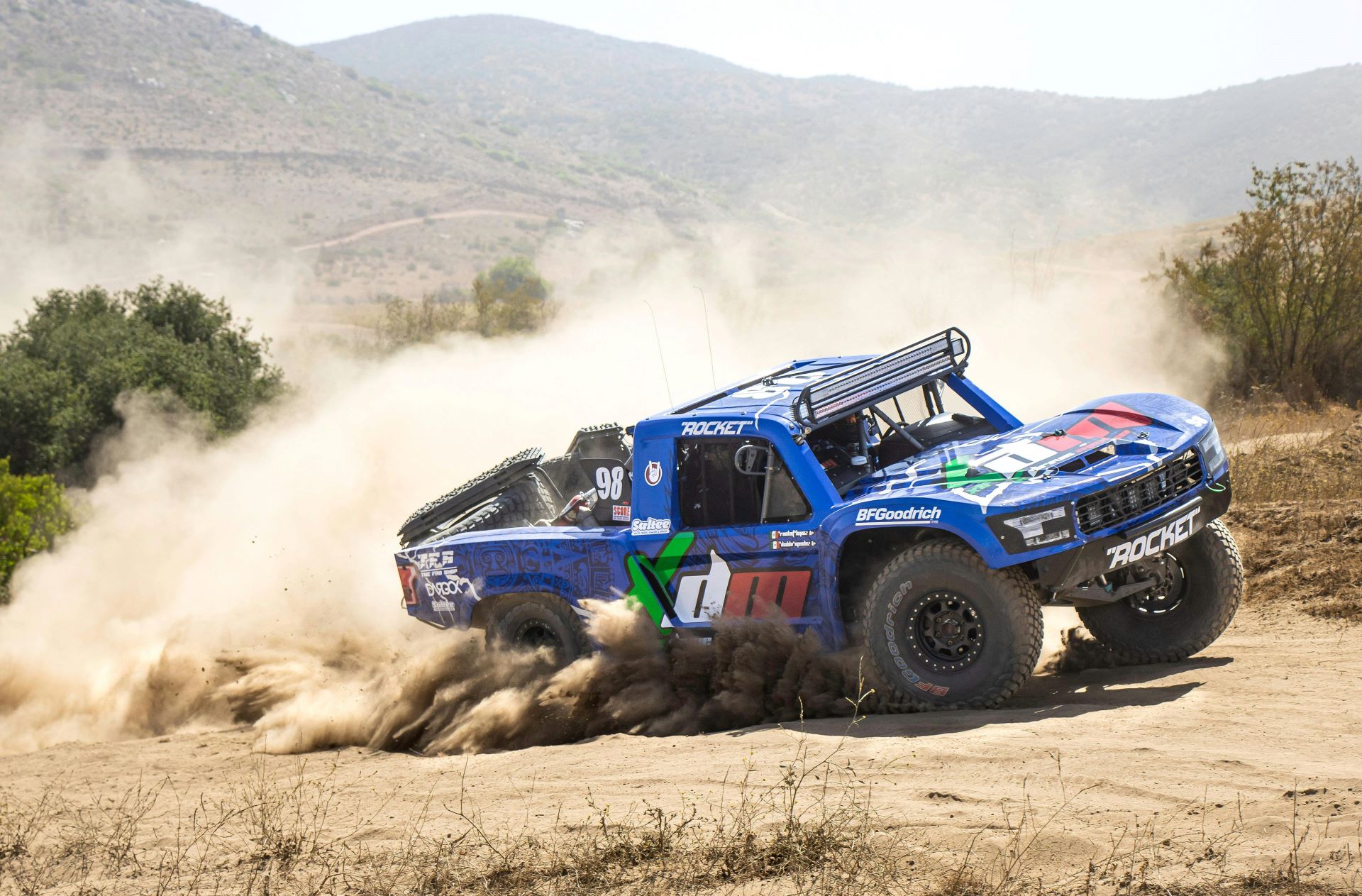
Motorsport and lifestyle partnerships will continue to serve as powerful conduits for regional pride. Brands will deepen collaborations with local racing circuits, adventure sports organizations, and cultural festivals, creating narratives that fuse performance, lifestyle, and heritage. In regions where motorsport is a cultural touchstone, linking vehicles to local racing achievements or iconic circuits will reinforce identity while appealing to aspirational values. Similarly, partnerships with local artisans, culinary festivals, and lifestyle influencers can create multi-dimensional experiences, connecting vehicles to broader cultural narratives in ways that are visually, emotionally, and experientially compelling.
Digital storytelling will remain central, but its scope will expand. Interactive apps, gamification, immersive social media content, and AI-driven personalization will allow consumers to explore the cultural and regional significance of vehicles on their own terms. Brands will increasingly employ these tools to map the consumer journey across physical and virtual spaces, blending automotive performance, regional heritage, and lifestyle aspirations into a seamless experience. This approach not only enhances engagement but also creates enduring emotional bonds that extend far beyond the showroom.
Finally, the challengeÔÇöand opportunityÔÇölies in maintaining authenticity while scaling globally. As automotive brands reach wider markets, it is essential to celebrate local heritage without compromising universal appeal. Modular storytelling frameworks, region-specific campaigns, and collaborative content creation provide solutions, ensuring that vehicles remain symbols of regional pride while appealing to diverse audiences worldwide. The most successful brands will be those that can integrate local narratives into a coherent global brand identity, balancing tradition with innovation, heritage with aspiration.
Looking forward, the role of regional pride in automotive marketing is poised to grow even more strategic and nuanced. It will no longer be a peripheral tactic but a central pillar of brand identity, consumer engagement, and emotional resonance. By harnessing technology, personalization, sustainability, community involvement, and authentic storytelling, automotive marketers can create campaigns that transform vehicles into cultural icons, vehicles that do more than transportÔÇöthey embody the spirit, history, and pride of the regions from which they emerge.
The future of automotive marketing is inseparable from regional pride. Vehicles will increasingly serve as canvases for local culture, heritage, and lifestyle, while campaigns will engage consumers not just as buyers, but as participants in a shared narrative. Brands that master this approach will not only differentiate themselves in a competitive marketplace but will forge lasting emotional bonds, cultivating loyalty and advocacy that endures across generations. In a world of globalized products, regional pride offers a unique avenue for authenticity, relevance, and resonanceÔÇöensuring that every vehicle tells a story that is at once local, cultural, and deeply human.
Breyten Odendaal
Specializing in high-performance automotive advertising and digital marketing solutions, delivering cutting-edge insights and the latest news shaping the automotive industry in South Africa.
More From Advertising

Automotive Advertising in 2026: Selling Confidence in a More Competitive Market
As South Africa’s vehicle market becomes more competitive, automotive advertising needs to do more than announce a price or specification. It needs to help buyers understand value, ownership costs and why a vehicle suits their lives.

Automotive Digital Ads in South Africa: A Shift
Exploring how South Africa’s automotive advertising evolved from print and broadcast to data-driven, programmatic digital ecosystems.

The Video Shift in Car Buying Decisions in SA
Explore how video content shapes car purchase decisions in South Africa, comparing short-form and long-form strategies for automotive marketers.