
The automotive industry has always been a battleground of innovation, ambition, and competition. Yet, in todayÔÇÖs rapidly evolving market, manufacturers and dealerships are no longer competing solely on engineering prowess or price points. The battleground has shifted to experience, personalization, and narrative. Consumers are no longer passive recipients of advertisementsÔÇöthey are active participants in a brandÔÇÖs story. As such, automotive marketing is undergoing a profound transformation, demanding fresh approaches that drive demand while nurturing loyalty in increasingly discerning audiences.
From Product to Lifestyle
Historically, automotive marketing was product-centric. Campaigns showcased horsepower, torque, fuel efficiency, or sleek design. While these factors remain essential, they are no longer sufficient to capture the modern consumerÔÇÖs imagination. Today, a car is as much a lifestyle statement as it is a mode of transport. Marketing that resonates shifts focus from specifications to experiences, from features to feelings.
Consider campaigns that position vehicles within a broader context of life aspirations: a family SUV framed as the key to unforgettable weekend getaways, or a high-performance sports car portrayed as the embodiment of personal achievement and freedom. Such messaging does more than sell a vehicle; it sells a lifestyle, one that the audience aspires to inhabit. In doing so, brands cultivate emotional connections that transcend mere utility.
This shift also encourages a nuanced understanding of segmentation. Demographics alone are no longer enough. Psychographics, values, and lifestyle preferences have become critical data points. Brands must explore what drives a consumerÔÇÖs choices and tailor narratives accordingly. In the era of personalization, generic messaging is a missed opportunity.
Digital-First: Engaging Beyond the Showroom
The digital revolution has irreversibly altered the way people interact with brands. Traditional showroom visits and television spots now coexist with social media, online configurators, immersive video content, and influencer partnerships. This transformation presents both challenges and opportunities.
One of the most effective modern strategies involves integrating digital touchpoints that mimic, enhance, or even replace the physical car-buying experience. Virtual reality (VR) showrooms, augmented reality (AR) apps for customizing vehicles, and interactive 360-degree tours allow consumers to engage with cars in ways previously confined to dealership visits. These tools also provide valuable data on consumer preferences, which can inform both marketing strategies and product development.
Social media, meanwhile, has evolved from a promotional channel into a community-building platform. Influencers, content creators, and brand ambassadors extend a vehicleÔÇÖs reach far beyond traditional advertising metrics. Yet the key lies in authenticity; audiences are highly perceptive, and any perceived inauthenticity can undermine a campaign. Successful brands leverage storytelling that feels genuine, often showcasing real people, real journeys, and unfiltered experiences with their vehicles.
Experiential Marketing: Creating Memories on the Move
While digital engagement is vital, tangible experiences remain irreplaceable. Experiential marketing creates emotional resonance by inviting consumers to interact with a vehicle in a memorable, often unexpected way. These campaigns are no longer about test drives alone; they are about creating immersive encounters that tie the product to moments of excitement, connection, or aspiration.
Events like pop-up automotive exhibitions, lifestyle festivals, and brand-driven adventure experiences offer consumers the opportunity to touch, feel, and inhabit the vehicle in a meaningful context. These experiences are often amplified through social sharing, extending the campaignÔÇÖs reach exponentially. The synergy between experience and shareable content ensures that campaigns are both immersive and viral-readyÔÇöa dual mandate increasingly central to automotive marketing success.
Personalization and Data-Driven Insights
In the digital era, personalization is more than a buzzword; it is a driver of conversion. With access to sophisticated data analytics, brands can create tailored marketing experiences that anticipate consumer needs. By leveraging information such as browsing history, purchasing behavior, and even lifestyle indicators, automotive marketers can deliver highly relevant messaging that resonates on an individual level.
Email campaigns, retargeting ads, and AI-driven recommendations are no longer mere support functionsÔÇöthey are integral components of a brandÔÇÖs strategy to drive engagement and sales. Furthermore, personalization enhances the ownership experience, with post-purchase communications, service reminders, and bespoke offers fostering long-term loyalty. When executed correctly, personalization transforms transactional interactions into meaningful relationships.
Influencer Collaborations and Social Proof
The democratization of influence has redefined brand authority. Traditional celebrity endorsements are being supplemented, and sometimes supplanted, by micro-influencers whose authenticity and niche expertise carry weight with targeted audiences. In automotive marketing, influencers are particularly effective in showcasing how a vehicle integrates into real-life contexts, from urban commuting to off-road adventures.
Social proof has become a cornerstone of trust-building. User-generated content, testimonials, and peer reviews provide credible, relatable insights that resonate more powerfully than traditional advertising. By integrating these elements into broader campaigns, brands demonstrate transparency and invite potential customers to join a community rather than simply make a purchase.
Sustainability as a Strategic Narrative
Increasingly, consumers expect brands to address social and environmental responsibilities. Sustainability is no longer peripheral; it is a central narrative that informs purchasing decisions. Electric vehicles, hybrid powertrains, and eco-conscious manufacturing practices are not only product differentiatorsÔÇöthey are marketing opportunities.
Marketing campaigns that highlight environmental stewardshipÔÇöwhether through reduced emissions, innovative recycling, or renewable materialsÔÇöallow brands to engage with an audience that is both socially aware and economically influential. Transparency is critical here; any perception of ÔÇ£greenwashingÔÇØ can erode trust and damage a brandÔÇÖs reputation. Therefore, authentic storytelling backed by demonstrable actions is key.
The Power of Storytelling
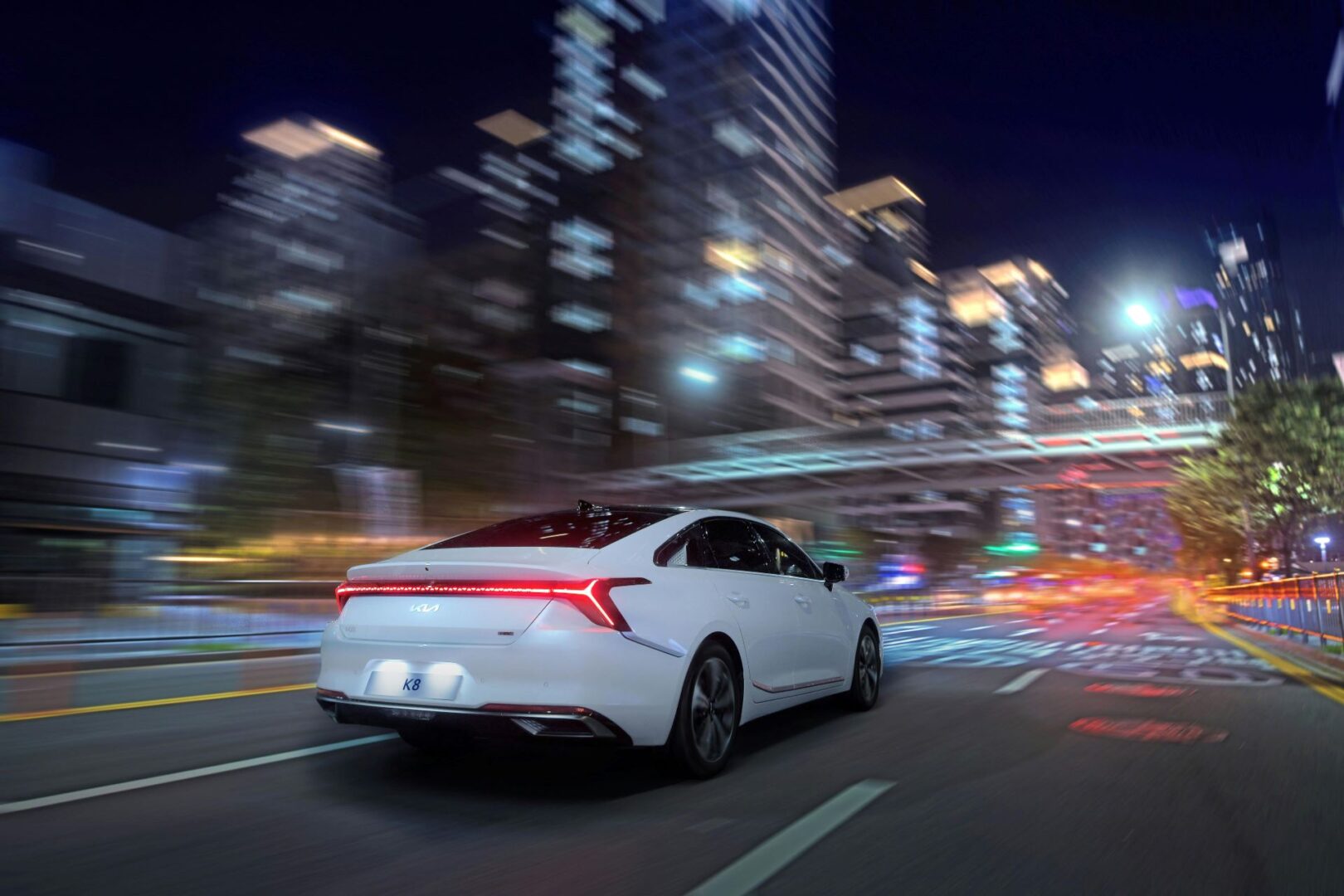
At the heart of every successful automotive marketing campaign is storytelling. Cars are vessels for human experiences, and the brands that succeed are those that convey narratives of adventure, achievement, and emotion. Storytelling transcends traditional product promotion, allowing brands to cultivate identity, culture, and community.
Stories can be conveyed across multiple mediumsÔÇöfilm, social media, live events, or interactive digital platformsÔÇöensuring that the brand remains top of mind across diverse consumer touchpoints. A compelling story creates lasting impressions that fuel both immediate sales and long-term loyalty.
Integrating Omnichannel Strategies
Modern automotive marketing requires an omnichannel approach that seamlessly blends digital, experiential, and traditional media. This integration ensures that the consumer journey is fluid, coherent, and responsive. Whether a potential buyer encounters a vehicle through a social media post, a VR experience, or an in-person test drive, the messaging and experience must be consistent.
Omnichannel campaigns also facilitate richer data collection and analysis. Insights drawn from cross-channel interactions allow marketers to refine targeting, optimize messaging, and anticipate consumer behavior. In a market where attention is fragmented, consistency and coherence across platforms are essential for cutting through the noise.
Emerging Technologies and the Future of Engagement
The automotive industry is uniquely positioned to leverage emerging technologies in its marketing strategies. Artificial intelligence, machine learning, and predictive analytics can anticipate consumer preferences with unprecedented accuracy. Meanwhile, immersive technologies like AR and VR provide experiential platforms that redefine interaction paradigms.
Blockchain and digital ownership, including NFTs, are beginning to appear in automotive campaigns, offering new ways to engage enthusiasts through limited-edition collectibles, virtual showrooms, and gamified experiences. These technologies not only enhance engagement but also foster a sense of exclusivity and innovation that aligns with brand prestige.
Marketing as a Catalyst for Demand
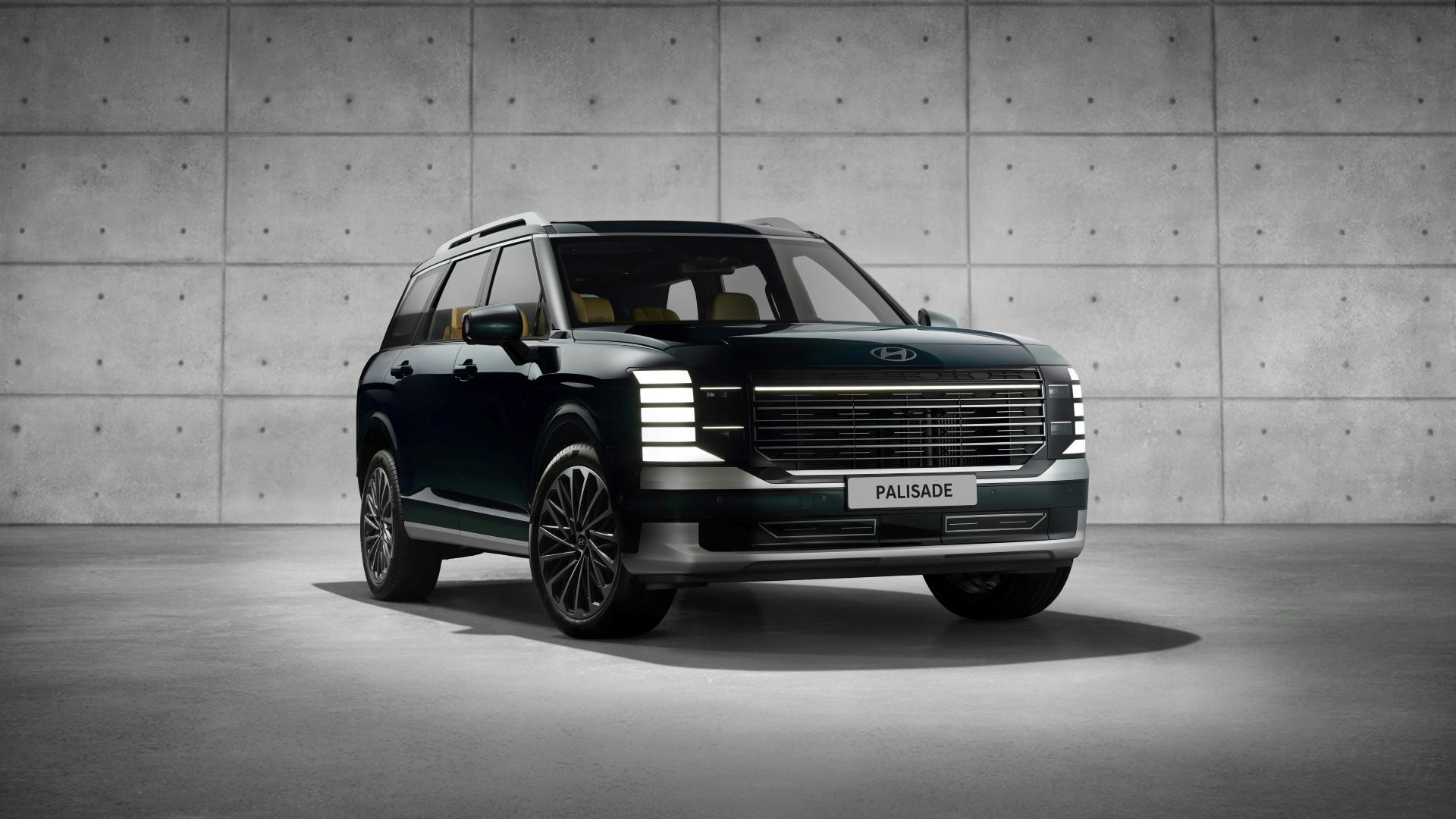
The automotive marketplace is more dynamic than ever. TodayÔÇÖs consumers seek experiences, personalization, and authenticity, and brands must meet these expectations to drive demand. Successful campaigns integrate lifestyle positioning, digital-first engagement, experiential marketing, sustainability narratives, and compelling storytelling into coherent omnichannel strategies.
Fresh approaches are not about abandoning traditionÔÇöthey are about augmenting it with insight, creativity, and technology. By understanding the evolving desires of consumers and embracing innovation, automotive marketers can create campaigns that resonate, captivate, and ultimately convert. Driving demand in todayÔÇÖs automotive landscape is not merely about selling carsÔÇöit is about crafting narratives, experiences, and relationships that turn potential buyers into lifelong brand advocates.
Breyten Odendaal
Specializing in high-performance automotive advertising and digital marketing solutions, delivering cutting-edge insights and the latest news shaping the automotive industry in South Africa.
More From Advertising
Automotive Advertising in 2026: Selling Confidence in a More Competitive Market
As South Africa’s vehicle market becomes more competitive, automotive advertising needs to do more than announce a price or specification. It needs to help buyers understand value, ownership costs and why a vehicle suits their lives.

Automotive Digital Ads in South Africa: A Shift
Exploring how South Africa’s automotive advertising evolved from print and broadcast to data-driven, programmatic digital ecosystems.

The Video Shift in Car Buying Decisions in SA
Explore how video content shapes car purchase decisions in South Africa, comparing short-form and long-form strategies for automotive marketers.