
In todayÔÇÖs automotive landscape, the notion of a ÔÇ£one-size-fits-allÔÇØ campaign has become obsolete. Brands can no longer assume that a single message will resonate across audiences whose values, behaviors, and expectations differ radically. From the nostalgic sensibilities of Baby Boomers to the digitally native, socially conscious mindset of Gen Z, automotive marketers face the formidable challenge of appealing to multiple generations simultaneously without diluting brand identity. Achieving cross-generational appeal is less about compromise and more about strategic insightÔÇöunderstanding the psychology of each demographic, tailoring messaging techniques, and finding universal threads that bind disparate audiences together.

Understanding the Generational Divide
To market effectively across generations, brands must first appreciate the distinct cultural, economic, and technological contexts that shape consumer behavior. Baby Boomers, born between 1946 and 1964, often prioritize reliability, craftsmanship, and legacy. For them, a vehicle is not merely transportationÔÇöit is a symbol of achievement and a practical investment. Messaging that highlights durability, safety ratings, or proven performance resonates because it aligns with a lifetime of rational decision-making and experience-based trust.
Generation X, the cohort sandwiched between Boomers and Millennials, values authenticity, independence, and pragmatism. They grew up in an era of economic flux and technological adoption, making them discerning buyers who expect both quality and convenience. Marketing that demonstrates transparency, real-world functionality, and clear value for money engages this demographic most effectively.
Millennials, by contrast, are increasingly defined by experience over ownership, and their purchasing decisions are often informed by digital engagement and peer validation. A car is as much a lifestyle statement as it is a tool for mobility. Messaging that leans into sustainability, smart connectivity, and aspirational design captures their attention and encourages brand advocacy through social sharing.
Finally, Gen ZÔÇödigital natives entering adulthoodÔÇöapproaches automotive choices with a blend of pragmatism and activism. Environmental consciousness, inclusivity, and tech integration are non-negotiable considerations. They are quick to spot inauthenticity and respond best to campaigns that are visually immersive, socially responsible, and digitally participatory.
Messaging Techniques that Resonate Universally
While generational preferences diverge, certain messaging techniques transcend age. Storytelling remains a core principle. Every successful campaign leverages narratives that evoke emotion, inspire identification, and create memorable experiences. Whether itÔÇÖs a Baby Boomer reminiscing about their first road trip or a Gen Z driver exploring new urban mobility solutions, a compelling story transforms a car from a commodity into an aspiration.
Emotional resonance is equally critical. Campaigns that emphasize connectionÔÇöfamily, adventure, personal achievementÔÇötap into universal human motivators. The heart of automotive advertising lies not in horsepower statistics alone, but in the lived experiences that vehicles enable. By framing features such as safety, efficiency, or design through the lens of life-enhancing stories, brands create messages that transcend generational boundaries.
Visual design and media choice also play pivotal roles. Older generations may respond better to traditional channels such as print magazines, television, or experiential events, while younger audiences demand immersive digital experiences, social media integration, and interactive content. An effective cross-generational campaign therefore often adopts a hybrid approach: elegant print storytelling, complemented by high-impact digital visuals, engaging video, and influencer partnerships that bridge generational divides.
The Role of Technology in Cross-Generational Appeal
Modern automotive marketing cannot ignore the omnipresence of technology in consumer decision-making. Advanced features such as AI-driven driver assistance, autonomous parking, and connected car ecosystems appeal to both younger and older audiences, albeit for different reasons. Baby Boomers may appreciate technology for its safety and convenience benefits, whereas Gen Z values it as an extension of lifestyle integration and seamless digital experiences.
Data-driven personalization enables brands to tailor messaging without fragmenting campaigns. Predictive analytics, behavioral insights, and CRM platforms allow marketers to understand engagement patterns, anticipate needs, and serve content that resonates on an individual level. For example, a Gen X buyer browsing SUVs online might be shown content emphasizing family safety and fuel efficiency, while a Millennial exploring electric vehicles might encounter interactive comparisons highlighting sustainability credentials.
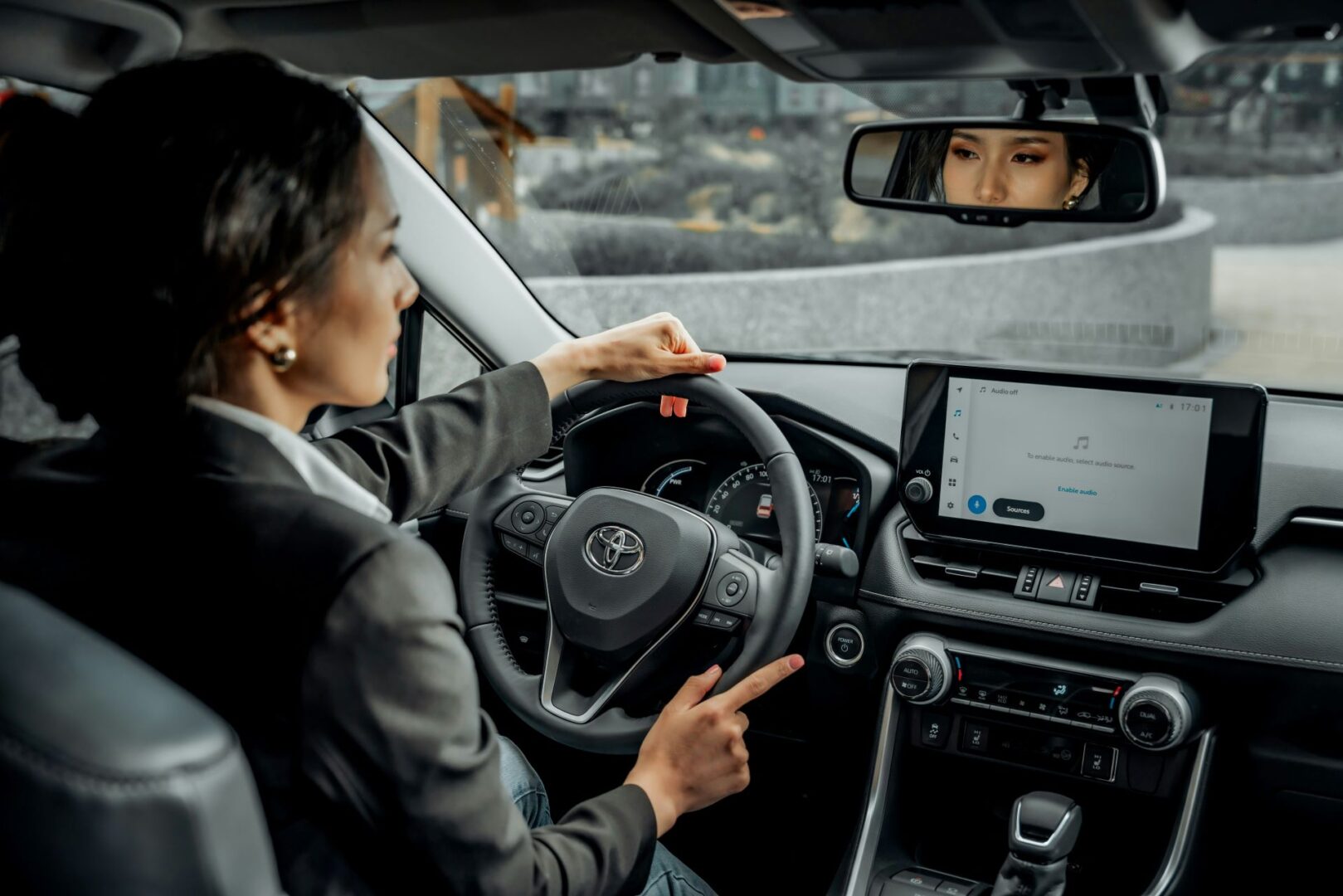
Technology also shapes experiential campaigns. Virtual showrooms, augmented reality (AR) vehicle demos, and gamified test drives appeal to tech-savvy audiences and reinforce brand engagement across generations. The objective is to make every interactionÔÇöwhether online, in-dealership, or through a mobile appÔÇöfeel seamless, informative, and emotionally compelling.
Crafting Multi-Generational Brand Narratives
Successful campaigns recognize that generational targeting is not about creating isolated messages, but constructing overarching narratives that unify brand identity. Automotive brands achieve this through core pillars that resonate across age groups: safety, performance, sustainability, and emotional connection.
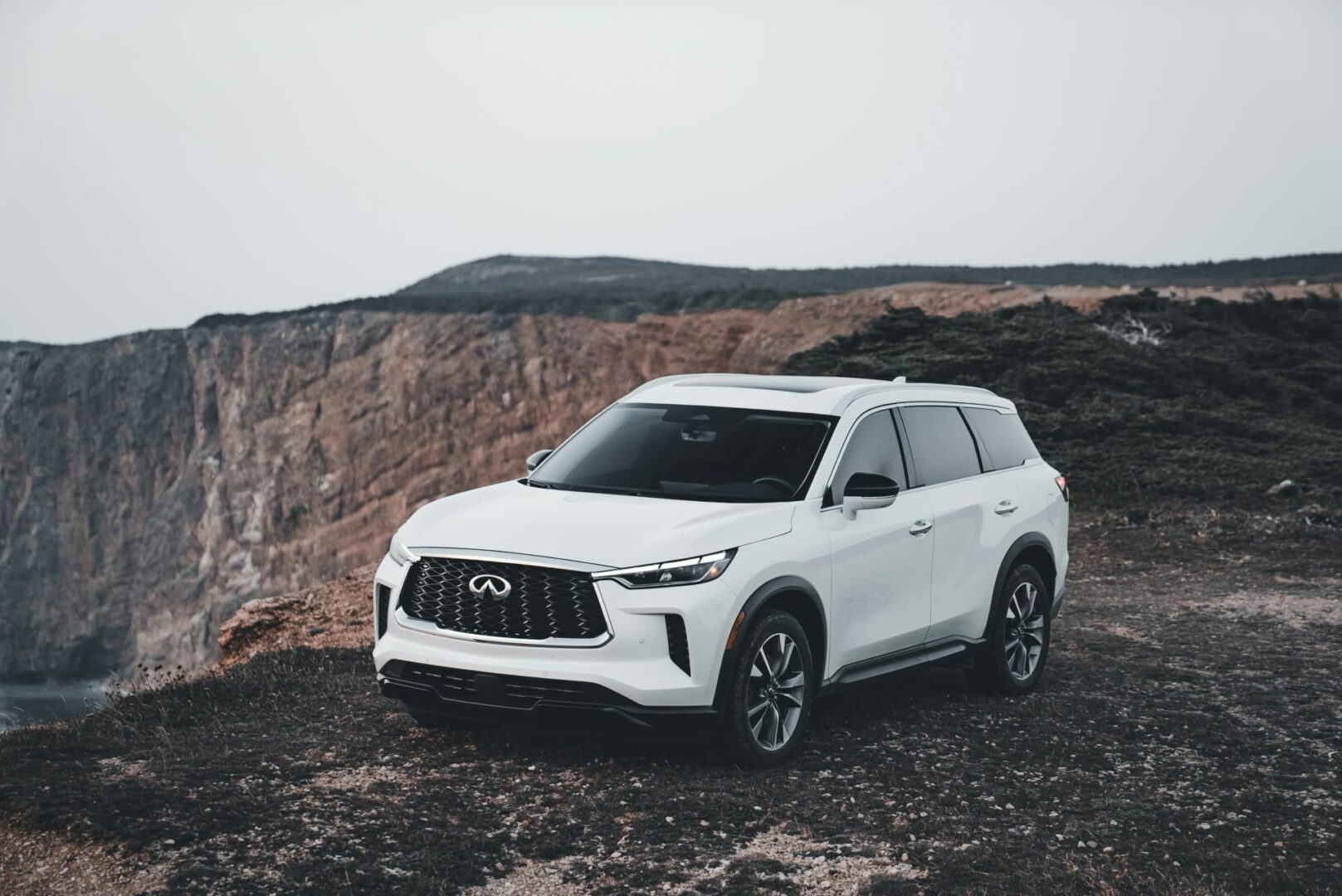
Consider the example of a luxury SUV launch. Baby Boomers may be drawn to narratives emphasizing engineering excellence and heritage craftsmanship. Millennials may respond to stories highlighting lifestyle versatility, environmental responsibility, and connectivity features. By weaving these themes into a cohesive campaign, brands communicate multidimensional value without alienating any audience segment.
Humor and authenticity are powerful tools here. A campaign that integrates subtle, culturally relevant humor can bridge generational gaps by appealing to shared experiences, while avoiding stereotypes or condescension. Authenticity ensures that the brand voice remains credible across generations, fostering trust and long-term loyalty.
Case Studies in Cross-Generational Automotive Marketing
Several automotive brands have successfully executed cross-generational campaigns, providing practical lessons for marketers.
Volvo, for instance, has consistently marketed safety as a universal value. Its campaigns appeal to Baby BoomersÔÇÖ desire for proven reliability while highlighting advanced driver-assistance features that attract younger, tech-focused buyers. VolvoÔÇÖs messaging reinforces brand trust and aligns with the evolving expectations of every generation simultaneously.
Similarly, ToyotaÔÇÖs hybrid campaigns strike a balance between environmental consciousness and practical functionality. Older buyers appreciate reliability and fuel efficiency, while younger audiences are drawn to sustainability, modern design, and connected car technology. By emphasizing a shared benefitÔÇöresponsible innovationÔÇöToyota crafts a narrative that bridges generational divides.
Tesla, too, provides a template for cross-generational engagement, blending aspirational design with technological prowess. While early adopters skew younger, the emphasis on environmental impact, safety, and long-term value appeals to older buyers who prioritize investment and utility. TeslaÔÇÖs campaigns leverage social proof, immersive experiences, and lifestyle-driven storytelling to engage a wide demographic spectrum.
Balancing Segmentation and Universal Messaging
The key challenge in cross-generational marketing lies in balancing targeted segmentation with universally resonant messaging. Overly tailored campaigns risk fragmenting brand identity, while generic campaigns can fail to connect with anyone meaningfully. The most effective strategies embrace a layered approach: individual touchpoints are customized for generational preferences, yet all converge on a consistent narrative thread that reinforces brand values.
For example, a global automotive brand might launch a campaign that includes social media content highlighting innovation for younger audiences, TV commercials emphasizing heritage for older buyers, and interactive web experiences that appeal to all generations simultaneously. Cohesive visual identity, tone of voice, and thematic continuity ensure that each touchpoint feels part of a larger, unified story.
Beyond Advertising: Experiential Engagement
Advertising alone is no longer sufficient to cultivate cross-generational loyalty. Experiential marketing initiativesÔÇöbrand activations, roadshows, immersive test drives, and community eventsÔÇöprovide tangible opportunities for engagement. A hands-on encounter with a vehicle can transcend generational differences by appealing to universal human instincts: curiosity, excitement, and tactile satisfaction.
In addition, social responsibility initiatives reinforce cross-generational resonance. Campaigns that integrate sustainability, safety advocacy, or charitable partnerships resonate with Baby Boomers who value ethical responsibility and with Gen Z who demand social impact. By connecting product experience with purposeful action, brands create emotional touchpoints that extend beyond conventional advertising.
The Future of Cross-Generational Automotive Marketing
As the automotive industry evolves, cross-generational appeal will increasingly depend on precision, authenticity, and adaptability. Emerging trendsÔÇöelectrification, autonomous mobility, shared vehicle platforms, and AI-driven personalizationÔÇöoffer new avenues for engagement. Brands that leverage these innovations to create meaningful, emotionally resonant campaigns will cultivate loyalty across demographics.
Generational boundaries will continue to blur as lifestyles converge around shared values: safety, sustainability, innovation, and experiential richness. The brands that succeed will be those that understand the nuanced needs of each cohort while delivering a cohesive narrative that speaks to the human experience at large. Cross-generational marketing is not about targeting every individual differently; it is about finding the universal drivers of desire, trust, and engagement that transcend age.
Driving Connection Across Generations
Automotive marketing in the 21st century requires sophistication, empathy, and a keen understanding of generational psychology. From the nostalgic sensibilities of Baby Boomers to the socially conscious, tech-driven mindset of Gen Z, campaigns must navigate complex landscapes without losing coherence. By prioritizing storytelling, emotional resonance, hybrid media strategies, and authentic experiences, brands can build campaigns that resonate universallyÔÇöturning vehicles into symbols of aspiration, connection, and shared human values. In the end, cross-generational appeal is not a compromise; it is a strategic imperative that drives brand loyalty and accelerates engagement in a fragmented, yet opportunity-rich, automotive market.
Breyten Odendaal
Specializing in high-performance automotive advertising and digital marketing solutions, delivering cutting-edge insights and the latest news shaping the automotive industry in South Africa.
More From Advertising

Automotive Advertising in 2026: Selling Confidence in a More Competitive Market
As South Africa’s vehicle market becomes more competitive, automotive advertising needs to do more than announce a price or specification. It needs to help buyers understand value, ownership costs and why a vehicle suits their lives.

Automotive Digital Ads in South Africa: A Shift
Exploring how South Africa’s automotive advertising evolved from print and broadcast to data-driven, programmatic digital ecosystems.

The Video Shift in Car Buying Decisions in SA
Explore how video content shapes car purchase decisions in South Africa, comparing short-form and long-form strategies for automotive marketers.