
In the evolving landscape of automotive marketing, the conversation has shifted far beyond horsepower, torque, or fuel efficiency. Modern consumers no longer purchase cars solely for functionality; they seek vehicles that resonate with their lifestyle, taste, and identity. This shift has driven automotive brands to forge partnerships outside the traditional industry boundaries, embracing fashion, film, music, and experiential ventures to remain culturally relevant. These cross-industry collaborations are not merely marketing stuntsÔÇöthey are strategic mechanisms to shape lifestyle aspirations and amplify brand influence in saturated markets.
The Power of Cultural Convergence
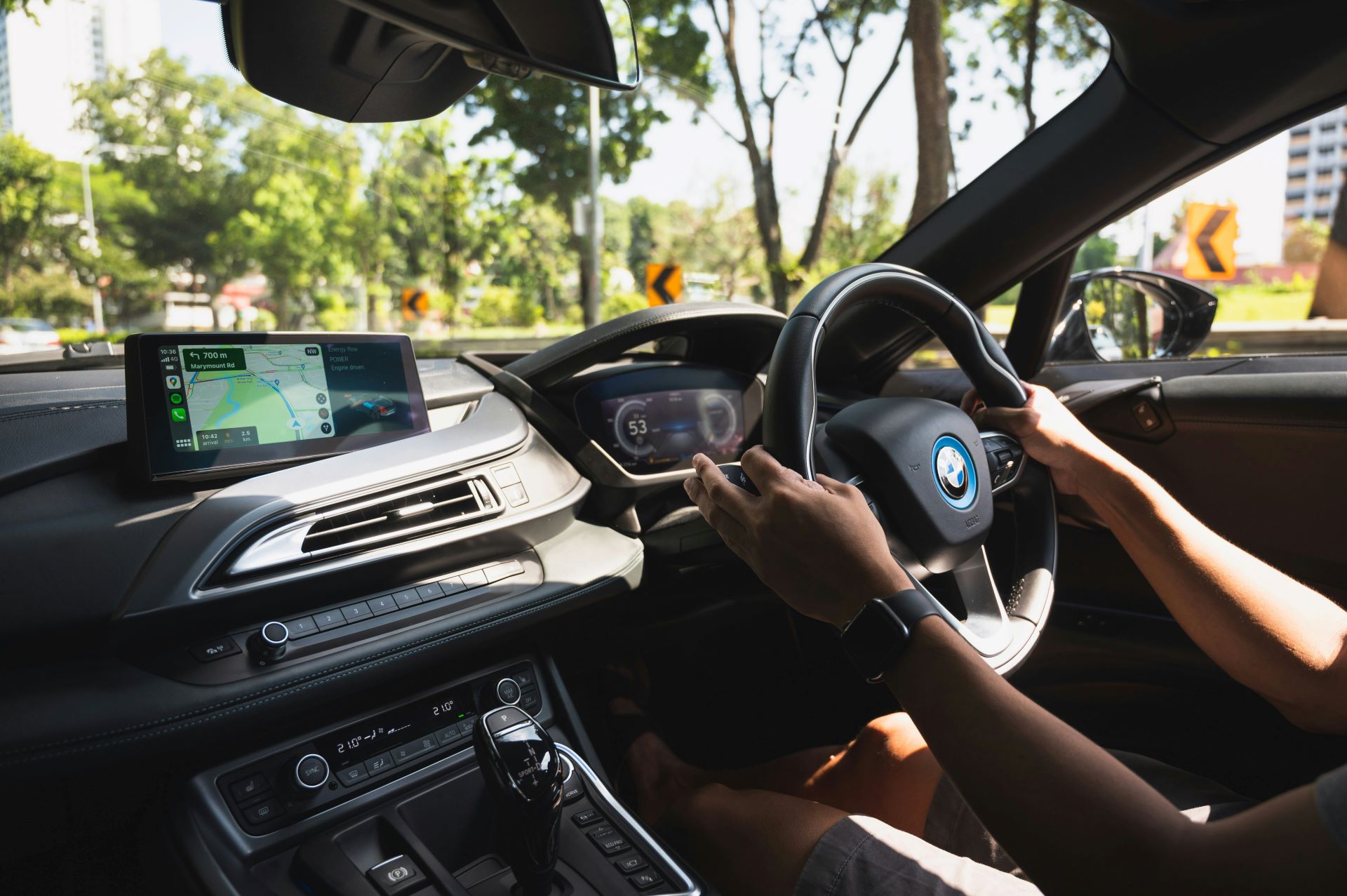
Automotive partnerships with lifestyle brands are grounded in the principle of cultural convergence. By aligning with fashion houses, luxury watchmakers, or high-profile events, car manufacturers signal that their vehicles are not just modes of transport but symbols of taste and status. Consider, for instance, the collaboration between BMW and Louis Vuitton in designing exclusive luggage sets for the BMW i8. The partnership seamlessly connects mobility and couture, appealing to affluent consumers who value aesthetics as much as performance.
Similarly, collaborations with film franchises or music artists serve as a narrative bridge. When Aston Martin becomes synonymous with James Bond, it does more than sell a car; it sells a lifestyle infused with sophistication, adventure, and exclusivity. Automotive brands, through these associations, enter a cultural lexicon that extends far beyond showroom floors, embedding themselves in the aspirational imagery of consumers.

Fashion Meets Function: The Style Imperative
The intersection of fashion and automotive branding is not superficial. Consumers increasingly expect vehicles to reflect personal style, mirroring the broader trend of self-expression. Luxury automakers like Mercedes-Benz, Porsche, and Range Rover have embraced capsule collections, co-branded merchandise, and fashion week appearances as part of their marketing ecosystem.
The strategy is clear: every interaction with the brand should reinforce a sense of identity. Limited-edition vehicle trims inspired by fashion designers or exclusive clothing lines tied to car launches create a perception of scarcity and desirability. Beyond the tangible products, these collaborations generate content that resonates across social media, fueling conversations and visual storytelling that appeal to style-conscious audiences.
Even non-luxury brands are adopting similar approaches. HyundaiÔÇÖs collaborations with lifestyle brands for urban mobility solutions and special edition models demonstrate that aspirational marketing is not confined to high-ticket vehicles. Here, the emphasis is on creating a holistic brand experience, where aesthetics, usability, and lifestyle converge to influence purchase decisions.
Film and Media Partnerships: Driving Narrative Engagement
Film and media collaborations have long been a powerful tool for automotive marketers. From product placements in blockbuster movies to immersive experiences at festivals, these partnerships offer more than visibilityÔÇöthey offer narrative integration. Cars in films do not merely serve as props; they carry character identity, plot development, and emotional resonance.
Consider how the DeLorean in Back to the Future became an icon of innovation and futurism. Similarly, the BMW Z8ÔÇÖs appearance in The World Is Not Enough elevated the brandÔÇÖs association with sleek sophistication and cutting-edge engineering. Such strategic placements create cultural touchpoints that consumers internalize, often subconsciously, translating cinematic admiration into brand affinity.
Automotive brands are now extending these partnerships to streaming platforms and interactive media, recognising that contemporary audiences engage with stories across multiple screens. By embedding vehicles into narrative worlds, brands cultivate aspiration, intrigue, and loyalty, transforming a purchase decision into a symbolic extension of lifestyle preferences.
Experiential Collaborations: Beyond the Screen
Partnerships in fashion and film are valuable, but experiences often leave the most enduring impressions. Luxury brands, in particular, leverage events, pop-ups, and immersive installations to create multi-sensory engagements. Audi, for instance, has hosted interactive art installations and test-driving events in partnership with cultural institutions, allowing consumers to interact with the brand in a curated environment that underscores innovation, design, and lifestyle alignment.
Similarly, Range Rover has collaborated with adventure tourism companies to offer experiential journeys that showcase the vehicleÔÇÖs capability while creating aspirational narratives around exploration, resilience, and leisure. Experiential partnerships, by nature, transcend passive marketing, offering consumers tactile and emotional engagement that amplifies brand resonance.
These initiatives reflect a broader marketing philosophy: in a marketplace saturated with information and options, experiential authenticity builds trust and preference. Consumers are not merely buying a vehicle; they are buying a sense of identity and belonging within a curated cultural ecosystem.
Digital Amplification: The Role of Social Media and Influencers
No discussion of automotive partnerships in lifestyle marketing would be complete without considering the digital landscape. Social media platforms, influencer collaborations, and content marketing amplify every partnership beyond its immediate reach. Platforms such as Instagram, TikTok, and YouTube provide fertile ground for automotive brands to showcase collaborations, engage niche communities, and drive user-generated content.
Influencers, particularly those bridging fashion, travel, and automotive spheres, serve as cultural translators, presenting vehicles in contexts that audiences aspire to replicate. Porsche, Mercedes-Benz, and Jaguar have leveraged influencer campaigns to highlight design features, experiential journeys, and lifestyle associations, generating both engagement and social proof. The digital amplification ensures that partnerships transcend geographic limitations, reaching global audiences in real-time.
Moreover, data-driven insights derived from social engagement inform future partnerships. Brands can identify which collaborations resonate most, which narratives inspire purchase intent, and how audiences interact with aspirational messaging, refining marketing strategies for maximum impact.

Co-Branding as a Strategic Growth Lever
At its core, automotive co-branding is a strategic growth lever. Beyond elevating brand perception, partnerships with lifestyle brands, media franchises, and cultural institutions enable market penetration, demographic diversification, and narrative flexibility. By associating with complementary brands, automakers can access audiences that may otherwise remain disengaged, fostering cross-category desirability.
For instance, limited-edition collaborations with high-fashion designers attract younger, style-conscious consumers who may not yet be in the market for premium vehicles but develop brand familiarity and aspiration. Similarly, partnerships with film or music icons enhance cultural relevance, ensuring that vehicles occupy a place in popular imagination as symbols of taste, achievement, or lifestyle alignment.
This strategic approach also mitigates traditional marketing fatigue. Rather than relying on conventional advertising channels, co-branding infuses automotive campaigns with creativity, cultural resonance, and authenticity, allowing brands to remain top-of-mind in increasingly competitive markets.
Sustainability and Lifestyle Alignment
Another dimension gaining prominence is the alignment of automotive partnerships with sustainability and ethical lifestyle choices. Electric vehicle manufacturers, in particular, have embraced collaborations that emphasize eco-conscious living, design innovation, and social responsibility. By partnering with sustainable fashion brands, renewable energy companies, or socially conscious events, automakers communicate values that resonate with an ethically minded consumer base.
TeslaÔÇÖs collaborations with lifestyle and technology brands, for example, reinforce its positioning as an aspirational yet socially responsible marque. These partnerships signal that lifestyle alignment goes beyond aestheticsÔÇöit encompasses environmental stewardship, technological innovation, and progressive thinking, reflecting the values of contemporary consumers.
Measuring Success: Beyond Sales
While partnerships undoubtedly influence purchase decisions, their impact extends far beyond immediate sales. Brand perception, cultural relevance, social engagement, and aspirational alignment are critical metrics in modern automotive marketing. Successful collaborations create an ecosystem of content, experience, and narrative that nurtures long-term loyalty and advocacy.
Automotive marketers increasingly employ holistic measurement frameworks, assessing engagement across digital platforms, experiential participation, earned media impressions, and social sentiment. These metrics provide a nuanced understanding of how lifestyle partnerships influence consumer behavior, enabling brands to iterate and refine future collaborations with precision.
The Road Ahead: Integrating Innovation and Culture
As automotive markets become more competitive, cross-industry partnerships will continue to evolve. The challenge lies not only in securing culturally relevant associations but in integrating them seamlessly into brand storytelling. The most effective collaborations are those that transcend transactional marketing, creating authentic intersections between automotive design, lifestyle expression, and cultural aspiration.
Emerging technologies, including virtual reality, augmented reality, and metaverse experiences, offer new frontiers for collaboration. Imagine test-driving a new EV in a digital recreation of a global fashion capital, or exploring a luxury SUVÔÇÖs capabilities within an immersive cinematic universe. These innovations promise to redefine automotive marketing, blending entertainment, technology, and lifestyle in ways previously unimaginable.
Driving Different, Living Aspirations
The automotive industry is no longer confined to roads and showrooms. Through thoughtful partnerships with fashion, film, music, and experiential brands, automakers are crafting aspirational narratives that resonate with contemporary lifestyles. These collaborations shape not only how consumers perceive vehicles but how they perceive themselves within the cultural ecosystem.
To drive different in todayÔÇÖs marketplace is to recognize that cars are more than machinesÔÇöthey are statements of identity, ambition, and taste. Automotive marketing that embraces cross-industry partnerships does not merely sell vehicles; it curates lifestyles, builds communities, and defines aspiration. In this convergence of design, culture, and experience, the future of automotive marketing is less about horsepower and more about heart, vision, and cultural resonance.
Breyten Odendaal
Specializing in high-performance automotive advertising and digital marketing solutions, delivering cutting-edge insights and the latest news shaping the automotive industry in South Africa.
More From Advertising
Automotive Advertising in 2026: Selling Confidence in a More Competitive Market
As South Africa’s vehicle market becomes more competitive, automotive advertising needs to do more than announce a price or specification. It needs to help buyers understand value, ownership costs and why a vehicle suits their lives.

Automotive Digital Ads in South Africa: A Shift
Exploring how South Africa’s automotive advertising evolved from print and broadcast to data-driven, programmatic digital ecosystems.

The Video Shift in Car Buying Decisions in SA
Explore how video content shapes car purchase decisions in South Africa, comparing short-form and long-form strategies for automotive marketers.