
In the world of automotive marketing, the landscape has shifted dramatically. ItÔÇÖs no longer enough to just buy clicks, rack up impressions and hope for test drives. Instead, modern campaigns demand more ÔÇö deeper insights, crossÔÇæchannel fusion, predictive timing and localisation to resonate with South African buyers while aligning with global brand architecture. In this article weÔÇÖll dive into four interlocking domains of marketing science for the auto sector: measuring emotion in car ads; predictive marketing ahead of seasonal demand; tailoring global campaigns to South Africa; and combining CRM, dealer data and online behaviour into a 360┬░ marketing view. LetÔÇÖs buckle up.

Measuring Emotion in Car Ads: Tools and Methods for Insights Beyond Clicks
Historically, automotive advertising focused on featuresÔÇöengine size, boot capacity, zeroÔÇætoÔÇæ100 times. But today, emotion is the differentiator. Research shows that emotional connection in auto ads correlates with brand strength, recall and purchase intent.
Why emotion matters
When a consumer sees a car ad that speaks only of specs, they might register the numbersÔÇöbut they donÔÇÖt necessarily register the experience. Emotion shifts viewing from ÔÇ£interestingÔÇØ to ÔÇ£IÔÇ»want to imagine myself in that carÔÇØ. For example, one study found that drivers allocated 13ÔÇ»% more attention to emotionally charged advertising than neutral advertising. In the South African context, where driving often intersects with family, status, adventure and even community identity, tapping into emotional resonance is especially powerful.
What tools are available
Marketers today have an expanding toolkit to go beyond clicks and views. Some of the methods include:
Neuromarketing tools: eÔÇæg., EEG, eyeÔÇætracking, facial coding, and implicit reaction measurement to gauge attention, arousal and memory encoding.
Analytics platforms that score creative and emotional metrics: for instance, Ace Metrix (which measures watchability, likability, desire, etc.).
Contextual and behavioural overlays: combining where ads appear, how long they run, what captures gaze, and what subsequent actions happen. Contextual advertising research indicates that auto buyers visit multiple websites, devices and touchpoints.
How to deploy in automotive campaigns
To measure emotion in car ads effectively:
PreÔÇætest creative with emotional metrics: Before a full launch, run the ad through a neuromarketing or panel test to assess emotional peaks, dips and brand linkage.
Layer with behavioural followÔÇæthrough: Combine the emotional scores with downstream metricsÔÇöe.g., qualified leads, test drive bookings, brand liftÔÇöto validate whether emotion correlates to business outcomes.
Attribute channel and format: Determine whether digital video, linear TV, social shortÔÇæform or outÔÇæofÔÇæhome generate stronger emotional engagement for the target segment.
Localise the emotionÔÇætrigger: In South Africa, the emotional triggers may differ ÔÇö value, reliability in rough terrain, pride of ownership in local contexts. The story must align with local emotional drivers rather than simply transplanting a global narrative.
Some challenges to watch
Emotion doesnÔÇÖt always equate to immediate conversion: A highly emotive ad may drive brand perception but not immediate lead capture. ItÔÇÖs a longÔÇæterm investment.
Local nuance matters: An emotion tied to, say, ÔÇ£freedom in the open roadÔÇØ may resonate differently in Johannesburg traffic than in a rural route.
Data integration complexity: Bringing emotional scores into the wider campaign analytics stack requires alignment of data formats, definitions and attribution models.
Attribution ambiguity: It's difficult to isolate how much of a sale is driven by emotion, versus price, incentives or dealer experience.
Summary
Measuring emotion in car advertising opens the door to insights beyond clicks and impressions. By understanding how viewers feel, what they remember and how that links to brand and conversion outcomes, automotive marketers move from shotgun messaging to precisely calibrated storytelling. That sets the stage for predictive marketing and 360┬░ integration.
Predictive Marketing for Seasonal Sales: Optimising Campaigns Before Demand Spikes
In the automotive sector, purchase cycles are long, inventory is significant and timing is critical. You donÔÇÖt want to lag the demand waveÔÇöyou want to surf it. This is where predictive marketing science comes into play.
Understanding seasonal patterns
Auto sales are rarely uniform. In South Africa, there are cyclical peaks linked to e.g.: yearÔÇæend promotions, model changeÔÇæovers, economic and employment trends, even tax or company fleet renewal cycles. By analysing historical sales data, dealer volume, macroÔÇæeconomic indicators and consumer intent signals (e.g., search trends, social interest, lead form fills), marketers can anticipate when demand will spike.
Building predictive models
Key components of a predictive campaign framework:
Historical & dealer data: Past sales volumes by month, model, region; dealer inventory levels; lead funnel dynamics.
Intent behaviour: Online search volume for model names, variant interest, quote requests, social sentiment.
Media & creative signals: Performance of past campaigns by timing, format and channel.
External factors: Macroeconomic indicators (interest rates, fuel price changes), regulatory shifts, exchange rate movements (important in a country like South Africa where imports matter).
Forecast modelling: Use machineÔÇælearning or timeÔÇæseries models (e.g., ARIMA, regression) to predict demand rise/fall and model different scenarios (base, conservative, upside).
Activation strategy
Once you have a forecast of demand buildÔÇæup, marketing activation should align:
PreÔÇæbuild awareness: Launch campaigns ahead of the anticipated spike so that the brand is primed when buyers drop in.
Tailor creative: Emphasise urgency (ÔÇ£limited stockÔÇØ), seasonal relevance (ÔÇ£yearÔÇæend deliveriesÔÇØ), and align with local triggers (e.g., schoolÔÇæholiday drives, business fleet renewals).
Channel mix flexibility: Shift budget toward highÔÇæimpact channels (digital video, social, search) early on; move to more conversionÔÇæoriented channels (lead capture, dealer nurture) as demand peaks.
Inventory & dealer readiness: Ensure dealer network is aligned with marketing timing so that leads donÔÇÖt drop off due to stock or fulfilment issues.
PostÔÇæpeak insights: After the seasonal cycle, analyse what happened: did demand meet forecast? Which variants led? Which channels delivered best ROI? Use this to refine the next cycle.
RealÔÇæworld relevance in the South African automotive market
In South Africa, demand can be more volatile due to external shocks (fuel prices, currency fluctuations, consumer credit tightening). A predictive marketing model must factor in local idiosyncrasies: economic sentiment, regional differences (Cape vs Joburg vs KwaZuluÔÇæNatal), and dealer infrastructure variation. By being ready ahead of the spike, a brand can capture share, manage stock better, and avoid wasted spend.
Summary
Predictive marketing transforms reactive campaign execution into proactive demandÔÇæsurfing. For automotive brands in South Africa, aligning media, creative, dealer readiness and data ahead of seasonal spikes creates an advantaged position.
Local vs Global Campaign Performance: When to Adapt Global Messaging to SA Nuances
Global automotive campaigns bring scale, consistency and brand strength. But one size doesnÔÇÖt always fit all ÔÇö especially when your market is South Africa, with its unique cultural, economic and behavioural fabric.
The tension: global consistency vs local relevance
Global messaging ensures brand coherence: logos, pillars, tone of voice, hero visuals. But purely global creative may miss local cues ÔÇö language (-Afrikaans, isiZulu, English mix), social values (community, family, resilience), media consumption habits and subÔÇæmarket segmentation (urban vs rural). According to research by Kantar, autoÔÇæads that trigger the right emotions and show meaningful difference perform better.
Criteria for localisation
When deciding to adapt a global campaign for South Africa, ask:
Does the global creative speak to local driversÔÇÖ emotional triggers? If not, adapt.
Are the visuals and scenarios reflective of local roads, environments and lifestyles? If the imagery is entirely U.S. or European, SA buyers may feel ÔÇ£thatÔÇÖs not for meÔÇØ.
Does the language resonate? Local idioms, multilingual copy, culturally relevant cues matter.
Are incentives, stock realities, delivery leads aligned with local market conditions? Messaging should not promise ÔÇ£nextÔÇæday deliveryÔÇØ if local context doesnÔÇÖt allow it.
Are media consumption patterns accounted for? In South Africa, digital penetration, mobile behaviours, social media dynamics may differ from global averages.
Best practices for automotive marketers in South Africa
Use global creative as the baseline, but build in local versions: e.g., swap local scenery, drivers, routes, dialects.
Run A/B tests locally to compare global creative vs localised versions and measure emotional metrics, lead generation and conversion.
Leverage local insights to highlight benefits meaningful in SA: for example, reliability on rough roads, longÔÇædistance family travel, fuel efficiency amid volatile prices.
In dealer localisation: align messaging with local dealer network capacity, stock and regional pricing differences.
Be culturally sensitive: South AfricaÔÇÖs diversity means no single motif covers all segments. Urban youth may resonate differently than suburban tradÔÇæfamilies or rural owners.
Summary
Global campaigns bring brand power, but local adaptation brings relevance. In the South African automotive market, blending global consistency with local nuance is the sweet spot ÔÇö and marketing science (emotional measurement, local testing, behavioural data) enables smart localisation rather than guesswork.

Combining CRM, Dealer Data & Online Behaviour: Building 360┬░ Marketing Views
The final frontier of automotive marketing science is integration. Your email CRM, dealer network lead data, and online behaviour signals donÔÇÖt live in silos ÔÇö when combined, they form a 360┬░ view of the customer journey from discovery to drive to purchase and beyond.
Why true integration matters
Car buying is seldom a singleÔÇæclick event. ItÔÇÖs a journey with multiple touchpoints: online research, social video, website configurator, dealership visit, test drive, finance process, delivery, first service. If each silo reports only its own metric, you lose the story. Building a unified view enables:
Attribution across channels, so you know which touchpoints matter at which stage.
Personalisation: being able to recognise a prospect who has viewed a certain model online, visited a dealer, and not yet purchased ÔÇö and then reach them with the right message.
Lifecycle tracking: not just lead to sale, but sale to loyalty, advocacy, repeat purchase ÔÇö enabling stronger brand equity and retention.
Dealer alignment: if the marketing team knows which leads came from which campaign, and can feed that into dealer CRM, you improve handÔÇæoff and conversion rates.
DataÔÇæintegration in practice
CRM: The brandÔÇÖs owned database of prospects, current owners, service customers ÔÇö their contact history, purchase history, preferences.
Dealer network data: Lead forms, testÔÇædrive bookings, showroom visits, sales outcomes, regionÔÇæbyÔÇæregion performance.
Online behaviour: Website sessions, configurator use, adÔÇæclicks, video views, social engagement, search intent.
Media & ad analytics: Which channels drove which traffic, behavioural paths, cost per lead, cost per sale.
Bringing together: Use a marketingÔÇædataÔÇæplatform (MDP) or Customer Data Platform (CDP) to ingest and unify these sources, then apply analytics and attribution models.
Steps for the South African automotive marketer
Map the dataÔÇæjourney: Document all the touchpoints your prospects go through, and identify where data currently resides in silos.
Cleanse and unify: Standardise identifiers (e.g., email, phone, device) so you can tie online behaviour to CRM and dealer data.
Enrich: Link offline purchase outcomes back to prior digital behaviour and campaign exposure to understand what worked.
Segment and activate: Use the unified data to build segments such as ÔÇ£configured model X online but not booked test driveÔÇØ, then activate campaign messaging tailored to that segment.
Measure and optimise: Track full funnel metrics ÔÇö from ad exposure through to sale ÔÇö and feed back into campaign planning, seasonal predictive modelling and emotionalÔÇæcreative testing.
The value unlocked
When integration is done well, you move from ÔÇ£We ran a campaign and got clicksÔÇØ to ÔÇ£We know that people who viewed the 30ÔÇæsecond video on model X, clicked through to the configurator, visited dealer Y, and converted at 12% greater rate than averageÔÇØ (for example). That insight then powers smarter media spend, more compelling creative, tighter dealer handÔÇæoff and higher ROI.
Summary
Building a 360┬░ marketing view is the glue that binds emotionÔÇæmeasurement, predictive modelling and localisation together. It turns data into actionable insight, and insight into better marketing decisions.
BringingÔÇ»ItÔÇ»AllÔÇ»Together: A Unified Framework for Automotive Marketing Science
LetÔÇÖs map out how these four pillars mesh into a coherent framework for the automotive marketer in South Africa:
Emotion measurement informs the creative: Before launch, you test for emotional engagement; during campaign, you monitor engagement, recall, sentiment; after campaign, you link emotion scores to lead/sales conversion.
Predictive modelling for seasonality informs timing and budget allocation: With insights from past campaigns, behavioural signals and market conditions you build the demandÔÇæforecast, then schedule emotionÔÇærich campaigns to ride the wave.
Local vs global calibration ensures creative relevance: Use emotion and behavioural metrics to assess whether global creative works locally; decide whether to localise; use cultural and regional insights to tailor storytelling and channel mix.
360┬░ data integration ensures visibility and accountability: By linking CRM, dealer data, online behaviour and media analytics you get a fullÔÇæfunnel view, enabling optimisation of creative, timing, regional performance and media mix.
By treating these elements as interÔÇædependent rather than isolated, automotive marketing becomes less about shotÔÇæinÔÇætheÔÇædark messaging and more about scientific, dataÔÇædriven decisionÔÇæmaking ÔÇö albeit with a human storytelling heart.
Practical Checklist for Automotive Marketers (South Africa)
Here are some actionable guidelines:
Set up emotionÔÇætesting workflows for key creative ÔÇô e.g., prior to national rollout, test in South African segments (urban, rural, family, businessÔÇæfleet) to assess emotional resonance.
Build a seasonal demandÔÇæmodel: Pull past five years of sales by month/region/model, overlay with digitalÔÇæintent signals (search volume, configurator use) and build scenarios for upcoming cycles.
Audit global campaign creative: Check for local relevance of visuals, actors, settings, idioms and incentives; where misÔÇæalignment is found, develop local adaptation.
Deploy a unified dataplatform: Ensure you can track a prospect from digital exposure  configurator  dealer visit  sale  service. Align data definitions with bonds between brand marketing and dealer network.
Activate segments: Use behavioural triggers such as ÔÇ£configured but not booked test drive in last 30 daysÔÇØ, ÔÇ£viewed competitor EV contentÔÇØ, or ÔÇ£owned model >ÔÇ»5ÔÇ»yrs and nearing tradeÔÇæinÔÇØ and connect these to tailored messaging.
Review and refine: After campaign season (and especially after seasonal peak) conduct a postÔÇæmortem: Which creative drove emotional engagement? Which channel drove highest sale conversion? Which regions missed or overÔÇæperformed relative to demand forecast?
Localise budget rules: Recognise South African market idiosyncrasiesÔÇösmaller market size, varying media cost, mobile predominant, regional dealer strength variation. Make sure media mix and creative reflect this.
Measure beyond clicks: Use emotion scores, brandÔÇælift surveys, dealerÔÇælead conversion rates, lifetime value (service/retention) rather than just CPM or CTR.
Challenges and Considerations
No framework comes without caveats. Some key things to watch:
Data quality: Dealer networks may have inconsistent lead capture, CRM systems may be siloed or outdated, online identifiers may not match offline records.
Privacy & consent: Especially when linking online behaviour to CRM and dealer data, ensure compliance with South African data protection laws (POPIA) and global regulations (GDPR if applicable).
Attribution complexity: In automotive buying journeys, attribution windows are long (weeks or months), and many touchpoints contribute. Simplistic lastÔÇæclick metrics will mislead.
Creative fatigue: EmotionÔÇærich campaigns require refresh and variation ÔÇö the mechanics of measurement help identify when a creative loses impact.
Market disruption: External shocks (economic, fuel price, interest rate, exchange rate) can invalidate predictive models or shift seasonal timing. Be agile and model multiple scenarios.
Local dealer alignment: Even the most sophisticated campaign fails if dealer network isnÔÇÖt readyÔÇöinventory, staff, processes, lead followÔÇæup all matter. Marketing science must connect to operational readiness.
Looking Ahead: The Future of Automotive Marketing Science
As we move into a future defined by connected vehicles, electrification, mobilityÔÇæasÔÇæaÔÇæservice and metaverse experiences, automotive marketing science will evolve. Expect to see:
Deeper integration of inÔÇævehicle behaviour data (telemetry, usage patterns) into marketing segments and creative personalisation.
Advanced emotionÔÇæAI that reads viewer emotional state in real time and adjusts creative messaging dynamically.
More refined predictive models that include mobilityÔÇædata (e.g., rideÔÇæhailing usage, congestion analytics) to inform where and when people are looking for new vehicles.
Immersive storytelling: VR/AR experiences that embed emotion, personalised routes and local landscapes as part of campaign creative.
More seamless brandÔÇætoÔÇædealerÔÇætoÔÇæservice ecosystem marketing, where retention, subscription and mobility solutions become part of the brand promise.
For South AfricaÔÇÖs automotive market, these advancements present both opportunities and challenges. The scale is smaller than some global markets, budgets are tighter, but the appetite for innovation is highÔÇöif the data, insights and local relevance align.
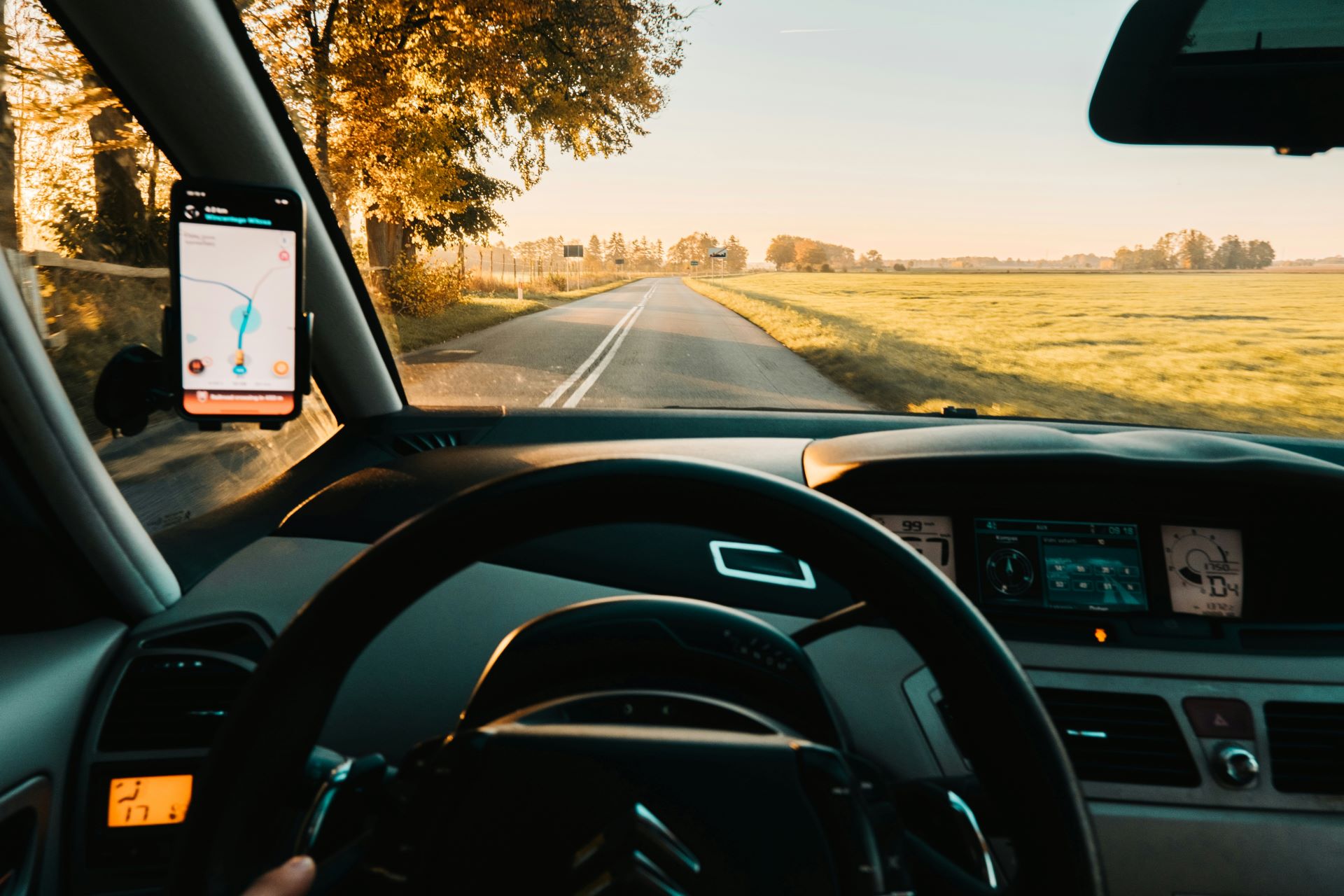
Automotive marketing today demands more than just pushing messages. It demands measurement of emotion, predictive readiness ahead of seasonality, local calibration of global campaigns and holistic integration of CRM, dealer and online behaviour data. For marketers working in South Africa, the stakes are high: to resonate locally while upholding global brand standards; to surf demand waves rather than chase them; to ensure every click, every view and every story leads toward a sale, a loyal customer and a longÔÇæterm brand advocate.
By aligning creative emotion, predictive timing, local relevance and data integration, automotive marketers turn complexity into clarity, uncertainty into optimisation and campaigns into measurable business impact. The car on the driveway becomes not just a carÔÇöit becomes a story, a relationship and a brandÔÇæexperience. And that transformation begins when you move from measuring clicks to measuring feelings, forecasting demand and integrating all the pieces into one view.
Ready to put the tools to work? GreatÔÇönow letÔÇÖs drive.
Breyten Odendaal
Specializing in high-performance automotive advertising and digital marketing solutions, delivering cutting-edge insights and the latest news shaping the automotive industry in South Africa.
More From Advertising

Automotive Advertising in 2026: Selling Confidence in a More Competitive Market
As South Africa’s vehicle market becomes more competitive, automotive advertising needs to do more than announce a price or specification. It needs to help buyers understand value, ownership costs and why a vehicle suits their lives.

Automotive Digital Ads in South Africa: A Shift
Exploring how South Africa’s automotive advertising evolved from print and broadcast to data-driven, programmatic digital ecosystems.

The Video Shift in Car Buying Decisions in SA
Explore how video content shapes car purchase decisions in South Africa, comparing short-form and long-form strategies for automotive marketers.