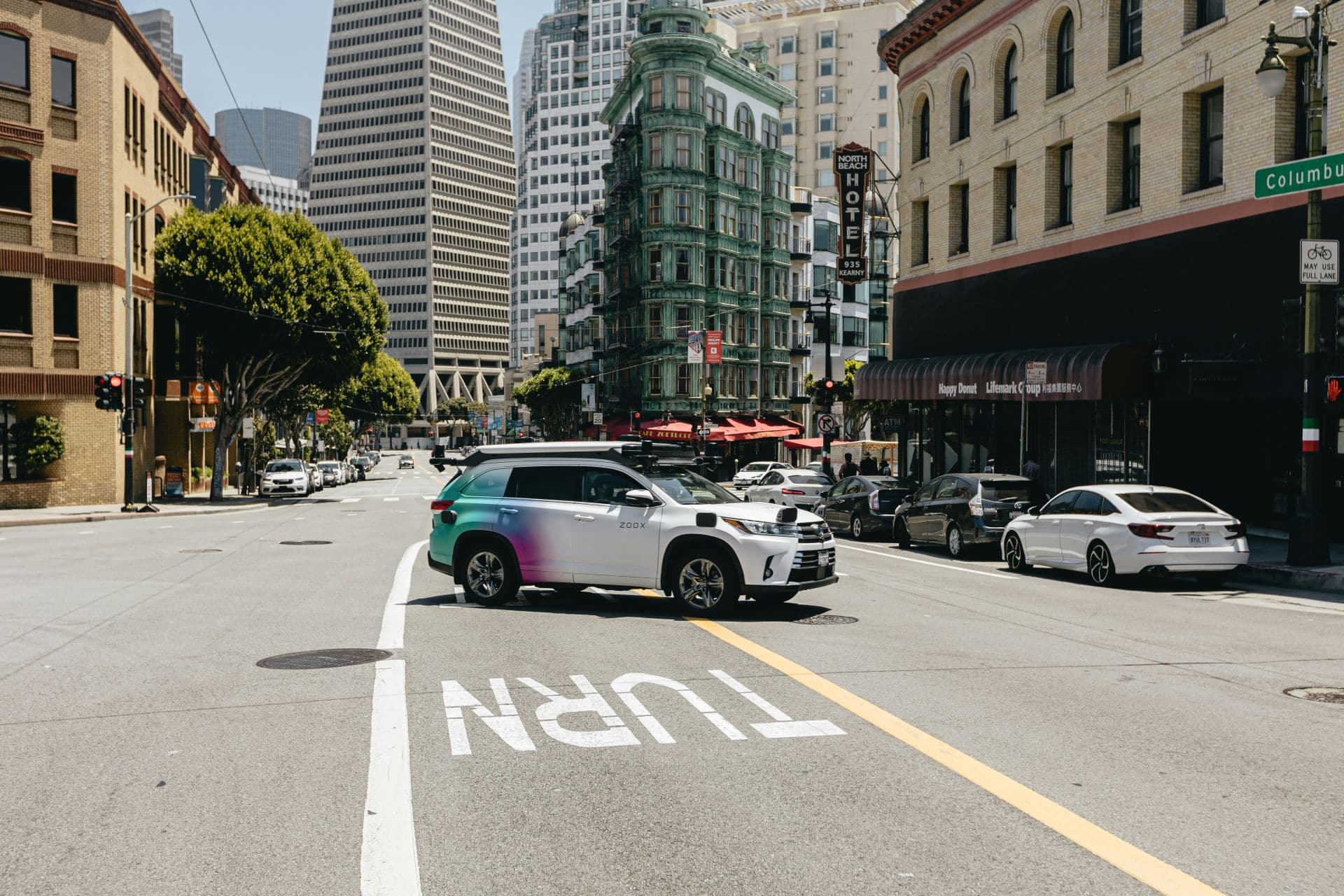
Data-Driven Design: Using Insights to Shape Campaigns
In an era where every touchpoint in the automotive buyerÔÇÖs journey is measurable, creativity alone no longer guarantees campaign success. The modern automotive consumer navigates the market with unprecedented access to information, and brands must do more than simply capture attentionÔÇöthey must predict, influence, and resonate. This is where data-driven design becomes the cornerstone of effective automotive marketing. By integrating consumer insights into creative strategy, marketers can develop campaigns that are precise, compelling, and measurable.
Data-driven design is not just a method; it is a philosophy that transforms raw numbers into actionable narratives, allowing automotive brands to craft campaigns that are informed by real consumer behavior, rather than intuition alone. This approach ensures that every visual, headline, and call-to-action is optimized to engage the right audience at the right time.
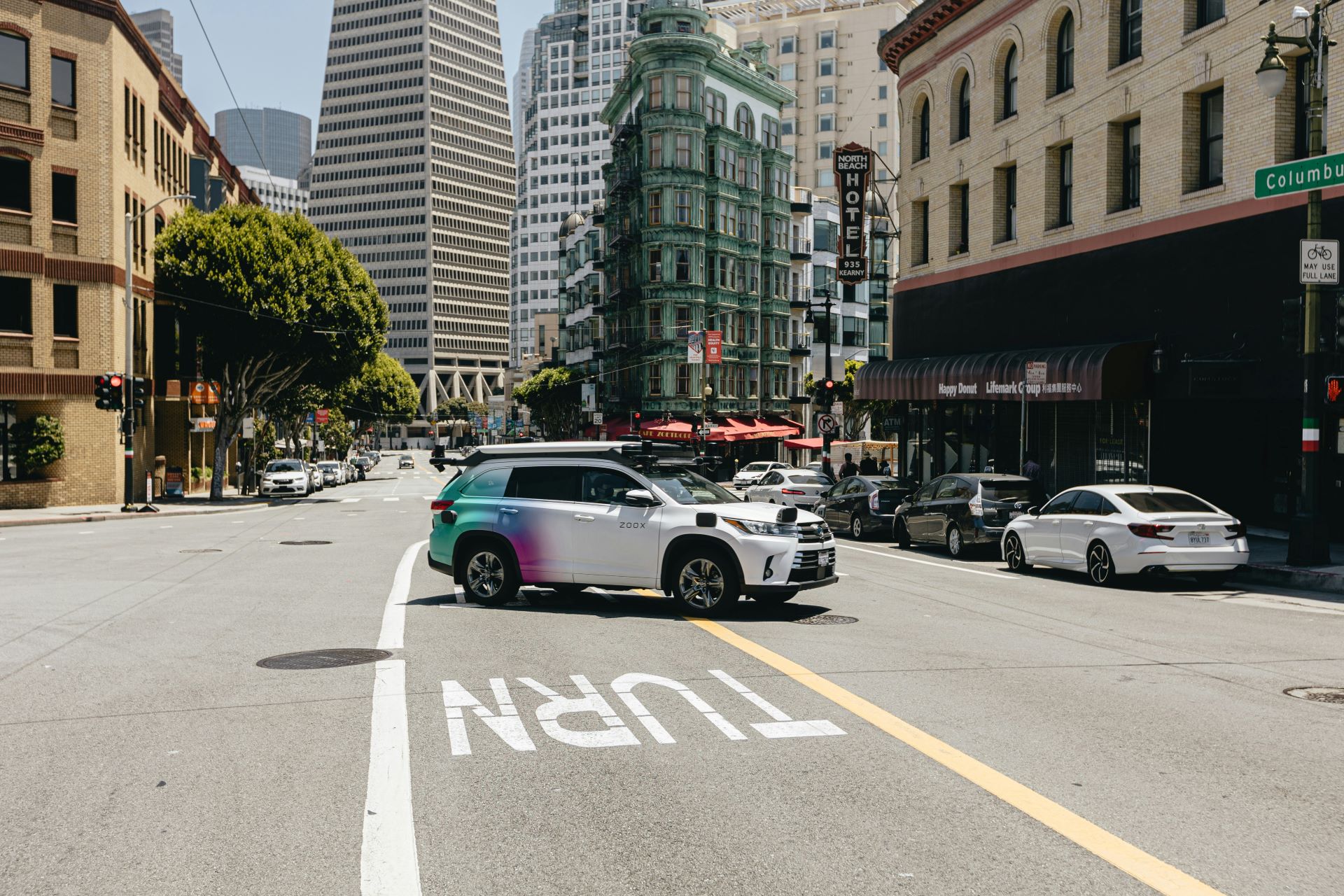
Understanding the Automotive Consumer: Where Data Meets Behavior
The first step in data-driven automotive marketing is understanding the consumer. TodayÔÇÖs car buyers are diverse, informed, and digital-first. They conduct extensive research online, compare models, read reviews, and engage with brand content across multiple channels before ever stepping into a showroom.
Data from digital interactionsÔÇöwebsite visits, search behavior, social media engagement, and online reviewsÔÇöoffers marketers a clear picture of what buyers want, when they want it, and how they prefer to receive information. Insights derived from this data allow automotive brands to anticipate needs and adapt messaging accordingly.
Behavioral patterns can indicate both conscious and subconscious preferences. For instance, a consumer frequently exploring hybrid models online signals an interest in sustainability. Another who spends time in forums discussing torque and handling indicates a performance-oriented mindset. By mining these insights, brands can develop content that speaks directly to the buyerÔÇÖs priorities, aligning messaging with the emotional and practical drivers that influence purchasing decisions.
Even small behavioral cues, such as the time of day a consumer engages with content or the type of device they use, can inform campaign design. An understanding of these patterns allows marketers to schedule ads, optimize for devices, and select channels that maximize visibility and engagement.
Translating Insights into Creativity
Data alone is insufficient; its value is unlocked when it informs creative strategy. Automotive campaigns thrive when insights shape not only the message but also the medium, visuals, and storytelling techniques.
For example, if a target audience is highly motivated by safety and reliability, creative executions should emphasize crash-test ratings, safety technology, and driver-assist features. Conversely, for audiences driven by performance and prestige, campaigns should focus on acceleration, handling, and premium interior finishes. Data ensures that these narratives are not generic but highly tailored to the audienceÔÇÖs priorities.
Dynamic creative approaches, enabled by data, allow brands to deliver personalized experiences at scale. Online ads can shift messaging based on browsing behavior, while email campaigns adapt to engagement history. Even video content can be modified in real time to highlight features that resonate most with viewers. In this way, creativity becomes both expressive and preciseÔÇöan art form guided by insight rather than guesswork.
Audience Segmentation: Personalization at Scale
One of the most impactful outcomes of data-driven design is personalization. Automotive brands can segment audiences not just by demographics but also by psychographics, purchase history, digital engagement, and even predictive behaviors.
A midsize SUV campaign, for instance, may target three distinct segments. First, young urban professionals may respond to aspirational visuals and influencer endorsements. Second, families prioritize safety, space, and comfort. Third, eco-conscious buyers are drawn to hybrid and electric models, emphasizing sustainability and low emissions. By leveraging insights from past interactions, automotive marketers can craft messaging that resonates uniquely with each group, increasing relevance, engagement, and ultimately conversion.
Segmentation extends beyond messagingÔÇöit informs media allocation and creative formats. Social media campaigns, search ads, display banners, and dealership activations can all be tailored based on segment preferences, ensuring marketing budgets are deployed efficiently and effectively.
Predictive Analytics: Anticipating Consumer Needs
Data-driven automotive campaigns are not just reactiveÔÇöthey are predictive. By analyzing historical data, brands can forecast trends and anticipate consumer preferences before they manifest.
Predictive analytics can identify which vehicle models are likely to surge in interest, the geographic regions primed for targeted campaigns, and the type of messaging that will most effectively convert leads. For example, if data shows that SUV interest spikes in certain regions during specific months, campaigns can be scheduled to align with these micro-seasons, capturing attention precisely when demand is rising.
Moreover, predictive modeling helps automotive marketers understand potential churn, enabling interventions that retain existing customers. By identifying patterns in service appointments, vehicle trade-ins, or loyalty program engagement, brands can deploy targeted campaigns to strengthen retention, upsell accessories, or promote trade-in offers.
Cross-Channel Integration: Creating Cohesive Experiences
In automotive marketing, consumers engage with brands across a multitude of channelsÔÇöfrom Instagram and YouTube to dealership visits and email campaigns. Data-driven design ensures that these interactions are cohesive and consistent, providing a seamless experience that reinforces brand messaging.
Cross-channel integration relies on unified data platforms that capture every touchpoint, allowing marketers to align messaging, creative, and timing across digital and physical channels. For example, a consumer who engages with a video highlighting a new electric vehicle on social media might receive a follow-up email featuring a nearby dealership test-drive event, with visuals and copy reflecting the same design language.
This integration is not merely aesthetic; it drives results. A consistent narrative across touchpoints enhances brand recall, strengthens trust, and improves the likelihood of conversion. Consumers today expect continuity in messaging, and data-driven design ensures that brands meet this expectation seamlessly.
The Role of AI in Automotive Marketing
Artificial intelligence has become a game-changer in data-driven automotive marketing. AI algorithms can analyze massive datasets, uncover hidden patterns, and deliver real-time insights that inform creative strategy.
From optimizing media spend to personalizing content, AI enables marketers to scale their campaigns without losing precision. Predictive AI models can identify potential leads, suggest creative adjustments, and even generate variations of ad copy or visual assets tailored to different audience segments.
AI-driven chatbots and virtual assistants further enhance consumer engagement, guiding prospects through research, comparison, and purchase processes. In the automotive industry, where decisions are complex and high-value, AI ensures that every touchpoint is optimized to meet both consumer expectations and business objectives.
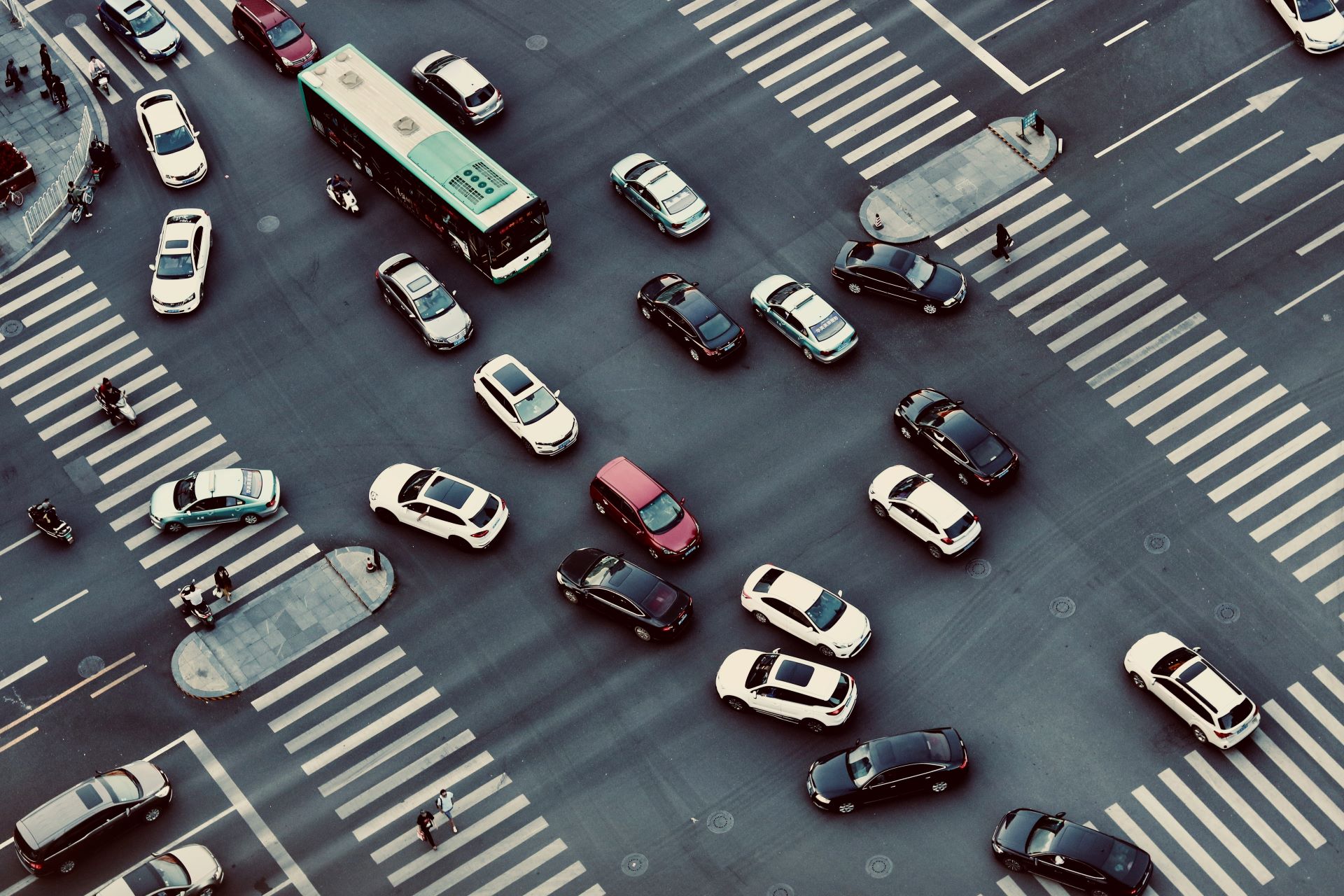
Measuring Success: Analytics and Continuous Optimization
Data-driven campaigns are inherently measurable. Key performance indicators (KPIs) such as website traffic, lead generation, social engagement, video completion rates, and dealership visits provide actionable insights. By continuously monitoring these metrics, automotive marketers can refine creative strategy, adjust targeting, and maximize ROI.
The optimization process is iterative. If a campaign promoting a new hatchback underperforms, analytics can reveal whether the issue lies in messaging, creative, timing, or channel selection. This enables swift adjustments, ensuring campaigns remain effective throughout their lifecycle.
Furthermore, post-campaign analysis contributes to long-term strategic planning. Insights gathered from one campaign inform future launches, helping automotive brands build a cumulative understanding of consumer behavior and campaign performance.
Case Studies: Data-Driven Design in Action
Luxury SUV Launch
A luxury automotive brand leveraged website analytics, social media engagement, and CRM data to launch a new SUV. By segmenting audiences based on past interactions and preferences, the campaign featured personalized video content for performance enthusiasts, families, and eco-conscious buyers. Test drives were promoted through location-based messaging, while AI-driven recommendations highlighted features most relevant to each segment. The result: a 35% increase in dealership visits and a 28% uptick in leads compared to prior campaigns.
Electric Vehicle Awareness
An electric vehicle manufacturer integrated predictive analytics to anticipate buyer interest in urban regions. Social media campaigns highlighted sustainability and innovation, while email campaigns targeted previous EV researchers with tailored messaging. AI tools dynamically adjusted creative based on engagement patterns. The campaign achieved record pre-orders and heightened brand sentiment among target demographics.
These examples demonstrate how data-driven design transforms insights into actionable strategies, elevating both creative execution and business outcomes.
Actionable Strategies for Automotive Marketers
To fully harness the power of data-driven design, automotive marketers should consider the following strategies:
Invest in robust data collection systems, capturing online and offline consumer interactions.
Use predictive analytics to anticipate trends and inform campaign timing.
Segment audiences based on behavior, psychographics, and preferences.
Align creative content with insights to ensure messaging resonates emotionally and functionally.
Integrate campaigns across channels to deliver cohesive experiences.
Continuously measure, analyze, and optimize campaigns using real-time data.
Leverage AI to scale personalization, optimize media spend, and enhance consumer engagement.
By embedding these strategies into their marketing playbook, automotive brands can create campaigns that are not only data-informed but also deeply compelling, resulting in increased engagement, loyalty, and sales.
The Future of Automotive Marketing: Insight-Driven Innovation
Data-driven design represents the future of automotive marketing. As technology advances, the ability to capture, analyze, and act on consumer insights will continue to grow, enabling brands to deliver hyper-personalized campaigns at scale.
The convergence of data, creativity, and AI allows automotive marketers to anticipate needs, respond dynamically, and craft narratives that resonate across touchpoints. Brands that embrace this approach will not only outperform competitors but also build lasting relationships with consumers in an increasingly complex and competitive market.
In a world where every click, scroll, and inquiry can be measured, the brands that succeed will be those that transform insights into impact, merging analytics with artistry to drive campaigns that are meaningful, measurable, and memorable.
Breyten Odendaal
Specializing in high-performance automotive advertising and digital marketing solutions, delivering cutting-edge insights and the latest news shaping the automotive industry in South Africa.
More From Advertising

Automotive Advertising in 2026: Selling Confidence in a More Competitive Market
As South Africa’s vehicle market becomes more competitive, automotive advertising needs to do more than announce a price or specification. It needs to help buyers understand value, ownership costs and why a vehicle suits their lives.

Automotive Digital Ads in South Africa: A Shift
Exploring how South Africa’s automotive advertising evolved from print and broadcast to data-driven, programmatic digital ecosystems.

The Video Shift in Car Buying Decisions in SA
Explore how video content shapes car purchase decisions in South Africa, comparing short-form and long-form strategies for automotive marketers.