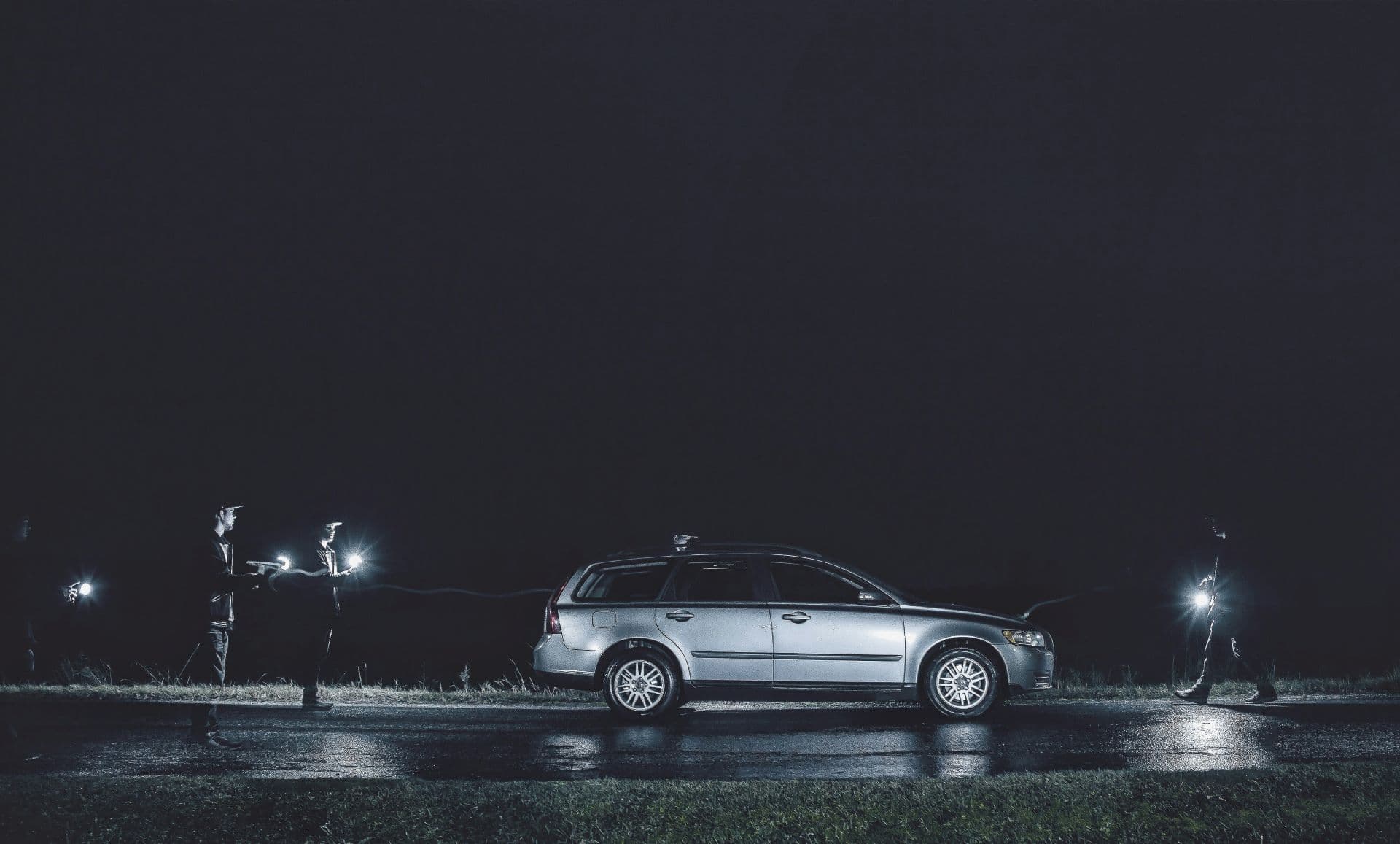
Humor has always been a powerful tool in advertising. It captures attention, creates emotional connections, and can make brands feel relatable. But when humor turns darkÔÇöleaning into satire, sarcasm, or edgy jokesÔÇöit becomes a high-wire act. Dark humor in car advertising doesnÔÇÖt just make audiences chuckle; it challenges conventions, confronts taboos, and risks igniting controversy. Understanding this delicate balance is key to leveraging humor effectively while protecting brand reputation.
The Allure of Dark Humor
Dark humor in advertising taps into the human fascination with the taboo. It thrives on irony, cynicism, and clever exaggeration. In car marketing, where safety, reliability, and status are often central themes, injecting a hint of irreverence can make campaigns stand out in a sea of conventional messaging. A cleverly placed sarcastic line or an unexpected satirical scenario can disrupt audience expectations, turning a mundane car feature into a memorable moment.
This approach works best when it aligns with brand personality. For instance, brands that have cultivated an edgy, rebellious identityÔÇöthink certain sports car manufacturers or custom tunersÔÇöcan use dark humor to reinforce authenticity. Conversely, a luxury sedan brand with a conservative reputation risks alienating its audience if the humor feels forced or inappropriate.
Case Studies in Dark Humor
Several campaigns illustrate the powerÔÇöand perilÔÇöof dark humor. One example is VolkswagenÔÇÖs historical ads that employed tongue-in-cheek exaggeration, subtly poking fun at the quirks of car ownership while highlighting reliability. Similarly, certain automotive insurance commercials use exaggerated disaster scenarios to underline the necessity of coverage, drawing laughs while conveying a serious message.
On the flip side, attempts at dark humor can backfire spectacularly. Ads that trivialize serious issues or misread cultural sensitivities often provoke outrage. A luxury SUV campaign that joked about reckless driving, for instance, can generate headlines, but not in the way the brand intended. The fallout can be swift on social media, where tone-deaf humor spreads faster than conventional PR damage control.
Satire, Sarcasm, and Edgy Jokes
At the core of dark humor are three intertwined techniques: satire, sarcasm, and edgy jokes. Satire exposes absurdities, often in societal norms or industry conventions. In car advertising, this might mean exaggerating the pretentiousness of luxury car culture to make a more relatable point. Sarcasm uses irony to make statements that are, on the surface, contrary to the intended message, creating a cognitive jolt that engages audiences. Edgy jokes push boundaries, flirting with discomfort to capture attentionÔÇöbut they must be crafted with precision to avoid genuine offense.
The key is subtlety. Humor that is too overt can feel juvenile, while humor that is too obscure risks being misunderstood. Car advertisers must consider not just the joke itself but the broader context: timing, audience demographics, and the platform through which the ad is delivered. A social media post with a sharp punchline may thrive in a meme-driven environment, whereas a television commercial must tread more carefully to appeal to a broader audience.
Why Dark Humor Works
Dark humor attracts attention because it is unexpected. Traditional car advertising often focuses on performance metrics, safety ratings, or lifestyle imagery. Darkly humorous campaigns disrupt this norm, offering a memorable twist that sticks in the audienceÔÇÖs mind. Humor also encourages sharing. A clever, edgy ad is more likely to be discussed, shared, and even go viral, extending its reach far beyond paid media channels.
Furthermore, humor can humanize a brand. Cars, after all, are inanimate objects. By injecting personalityÔÇöthrough sarcasm, irony, or subtle satireÔÇöadvertisers create a sense of voice and character that consumers can relate to. It can make even a technical feature feel exciting, or transform an everyday driving experience into a cultural commentary.
The Risks of Overstepping
Despite its appeal, dark humor is inherently risky. Misjudged tone, cultural insensitivity, or accidental offense can result in backlash. Social media amplifies mistakes, turning what might have been a niche joke into a public relations crisis. Even subtle missteps can trigger negative press, boycotts, or online harassment campaigns.
This risk is compounded in global campaigns. Humor is highly contextual, and what resonates in one culture may be taboo in another. For multinational car brands, crafting a joke that translates across languages and sensibilities requires careful localization. Failure to do so can make a witty campaign appear tone-deaf or offensive in markets with different cultural norms.
Striking the Right Balance
The most successful dark humor campaigns are calculated. They push boundaries, but not recklessly. They provoke thought without alienating core audiences. And they always maintain alignment with brand values. The creative process typically involves rigorous testingÔÇöfocus groups, internal reviews, and scenario modelingÔÇöto predict how the humor will land.
Timing also plays a critical role. A sarcastic jab at car stereotypes might work perfectly in a lighthearted context but seem insensitive if paired with news of a traffic accident. Advertisers must remain acutely aware of current events, societal sensitivities, and the ever-shifting landscape of public perception.
Dark Humor in the Digital Age
Digital platforms have transformed the way dark humor is deployed in car advertising. Social media allows for rapid, direct engagement with audiences, making it easier to gauge reaction and adjust messaging in real time. Memes, GIFs, and short-form video provide formats conducive to quick, punchy humor.
However, the virality of digital media is double-edged. A tweet meant as witty satire can be taken out of context, generating unintended backlash. Brands now operate in an environment where every joke is instantly dissected, shared, and critiqued by a global audience. This requires a level of agility and responsiveness that traditional advertising channels rarely demanded.
Lessons from the Edge
Dark humor in car advertising teaches several key lessons. First, it is an amplifier: when executed well, it magnifies a campaignÔÇÖs impact; when executed poorly, it magnifies missteps. Second, it requires audience insight. Understanding what your audience finds funnyÔÇöor offensiveÔÇöis essential. Third, subtlety is king. Nuanced humor often resonates more than blunt jokes, as it allows audiences to feel clever for ÔÇ£getting it.ÔÇØ
Finally, dark humor must always serve a purpose beyond the laugh. Whether highlighting a product feature, reinforcing brand identity, or provoking thought, the humor should enhance, not distract from, the message. In the crowded automotive market, where differentiation is key, the right joke can elevate a campaign from forgettable to iconicÔÇöbut only if it is crafted with care, insight, and a fearless respect for boundaries.

Laughing on the Edge
Dark humor is a tool of power and peril in car advertising. It attracts attention, creates memorable moments, and gives brands a bold, relatable voice. Yet it is a double-edged sword, capable of sparking controversy if wielded without precision. The brands that succeed are those that understand their audience, embrace subtlety, and integrate humor into a coherent, authentic narrative.
In a world saturated with conventional car ads, a well-placed jokeÔÇöedgy, ironic, or sarcasticÔÇöcan make all the difference. But for every laugh won, the risk of backlash looms. Dark humor in advertising is not for the faint-hearted, but for those willing to walk the fine line, it offers a chance to engage, provoke, and ultimately, leave a lasting impression.
Breyten Odendaal
Specializing in high-performance automotive advertising and digital marketing solutions, delivering cutting-edge insights and the latest news shaping the automotive industry in South Africa.
More From Advertising

Automotive Digital Ads in South Africa: A Shift
Exploring how South Africa’s automotive advertising evolved from print and broadcast to data-driven, programmatic digital ecosystems.

The Video Shift in Car Buying Decisions in SA
Explore how video content shapes car purchase decisions in South Africa, comparing short-form and long-form strategies for automotive marketers.
Why Automotive Ads Must Think Like E-Commerce
Automotive ads in South Africa need e-commerce style conversion thinking to boost leads, optimise funnels, and improve dealership ROI.