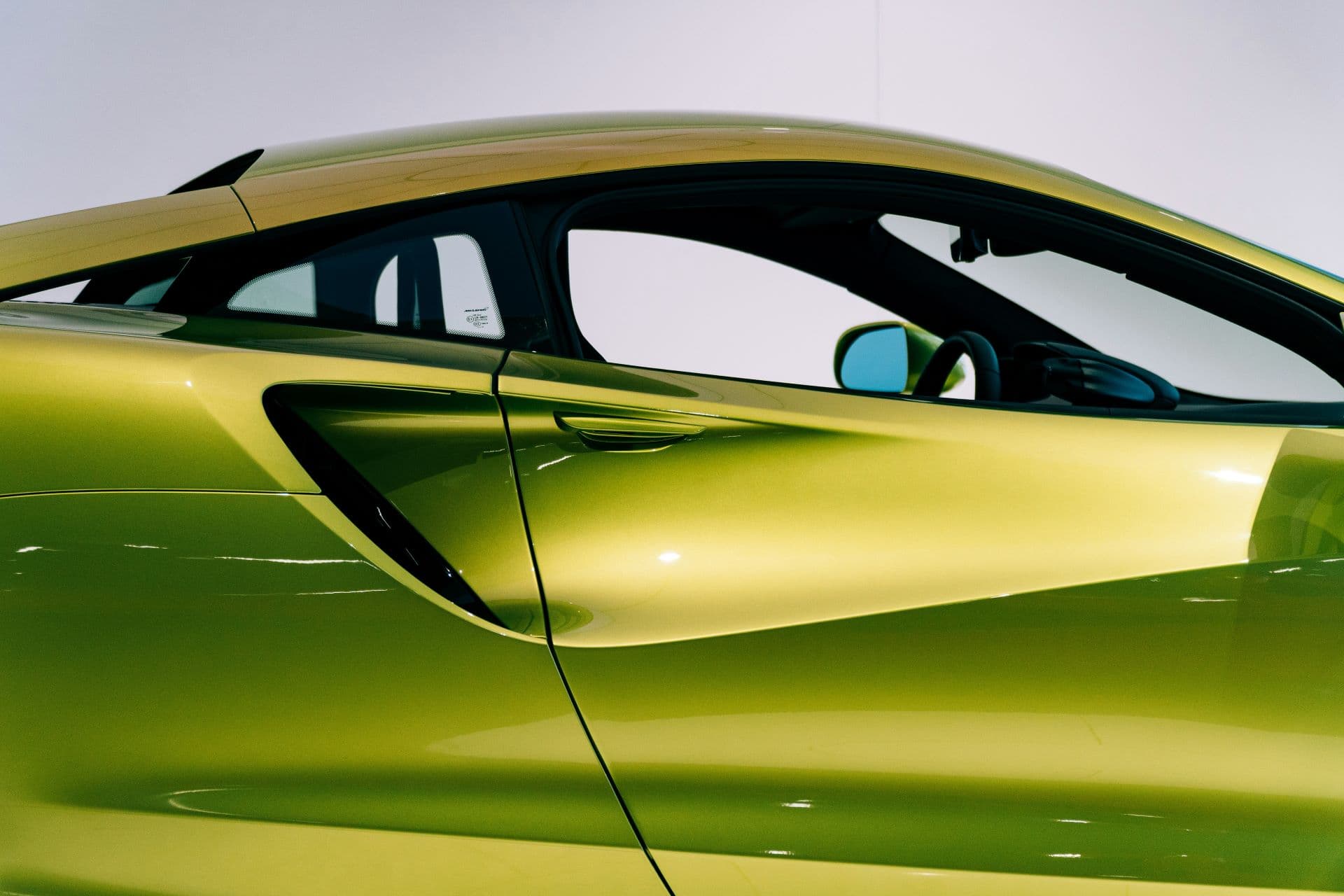
Customization as a Lifestyle: Cars as a Canvas of Identity
In todayÔÇÖs automotive landscape, cars are no longer just machines for transportation; they are a reflection of personal identity, a moving extension of lifestyle, and a statement of taste. The age of cookie-cutter vehicles is fading as drivers seek ways to make their cars uniquely their own. From vinyl wraps and aftermarket accessories to cutting-edge tech modifications, personalization has evolved beyond mere aesthetics into a powerful marketing lever for automotive brands. This shift presents an opportunity for brands to connect with consumers not only through product functionality but through emotional resonance, enabling cars to become canvases for self-expression.
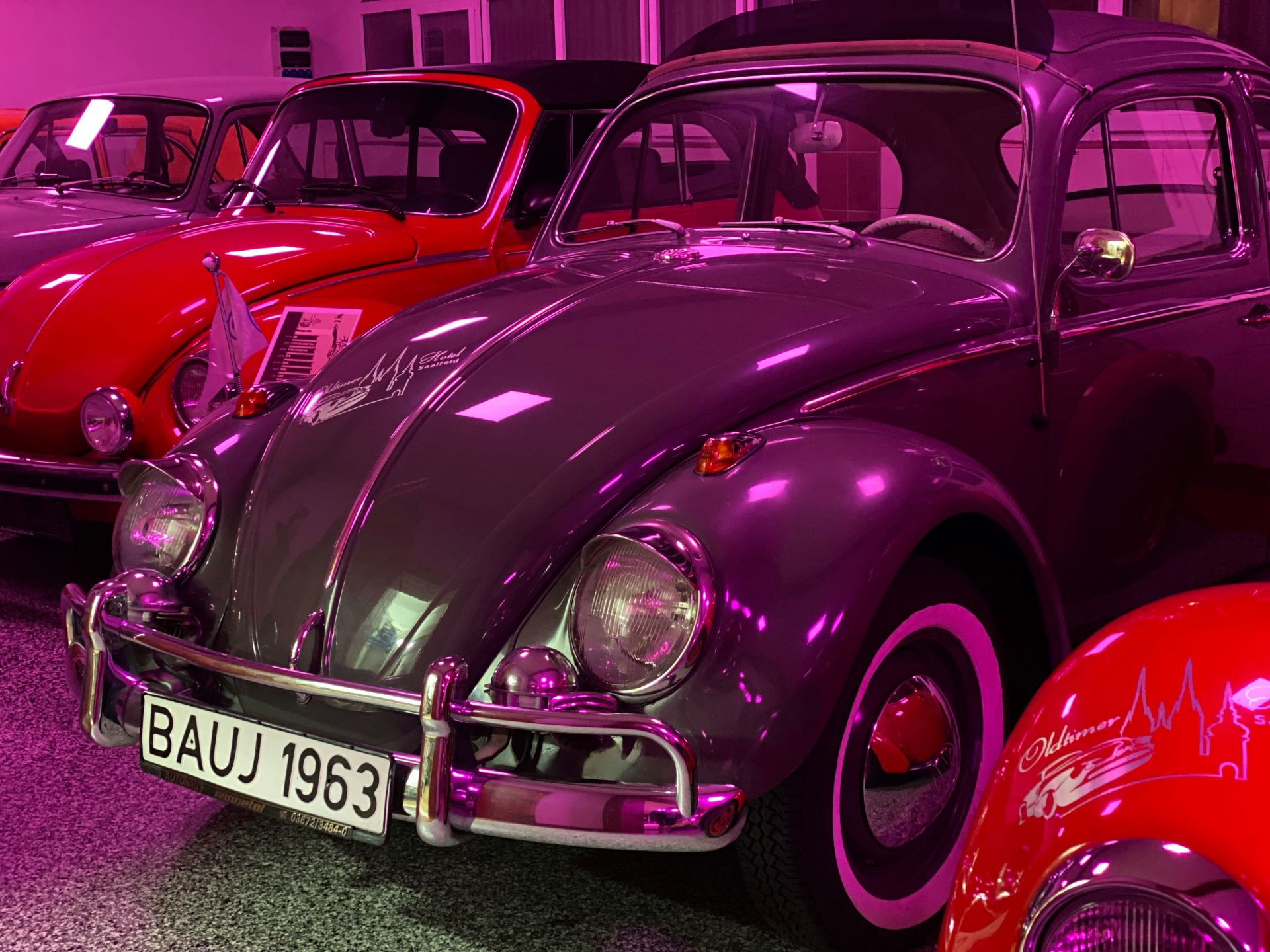
The Emotional Pull of Personalization
Modern consumers crave individuality. In a market flooded with similar models and standard features, the ability to personalize a vehicle taps into a fundamental human desire for uniqueness. Vehicle wraps, custom wheels, bespoke interiors, and specialized lighting arenÔÇÖt just about standing outÔÇöthey signal lifestyle choices, cultural identity, and personal values. Every decal, color choice, and tech upgrade communicates something about the driver, allowing the car to become an extension of self-expression.
This emotional layer strengthens brand connection. When a brand supports personalization, it signals an understanding of the consumerÔÇÖs desire for creativity and individuality. Customization becomes a dialogue between the manufacturer and the owner, fostering loyalty that goes beyond traditional product satisfaction.
Wraps, Accessories, and Aesthetic Expression
Vinyl wraps, decals, and exterior modifications have revolutionized how drivers approach vehicle identity. Whereas traditional paint jobs are fixed, wraps allow for dynamic, reversible changes that reflect evolving tastes and trends. AccessoriesÔÇöfrom spoilers and rims to interior accents and lightingÔÇöoffer further avenues for personal touch. Each choice adds to a narrative that is uniquely the ownerÔÇÖs, and each narrative subtly enhances the vehicleÔÇÖs presence in social and urban environments.
From a marketing perspective, showcasing these personalized vehicles creates aspirational content. Automotive brands that celebrate user-driven design through campaigns, social media features, or experiential events demonstrate a commitment to lifestyle alignment, not just product promotion. The message is clear: your car can be as unique as you are, and the brand provides the tools to make it so.
Technology as a Medium for Personalization
Customization isnÔÇÖt limited to physical modifications. Technological personalizationÔÇöinfotainment systems, performance tuning apps, driver-assist configurations, and lighting systemsÔÇöenables a deeply personal driving experience. Digital dashboards, sound profiles, and even AI-driven preferences allow drivers to tailor their cars to reflect personality and daily needs. These tech-driven customizations serve as emotional anchors, reinforcing the sense that the vehicle belongs uniquely to the driver.
Brands that integrate tech personalization create ecosystems where loyalty is built through engagement and ownership experience rather than mere purchase. Consumers feel empowered and connected to the brand when their vehicle can adapt and respond to their lifestyle, turning functionality into emotional resonance.
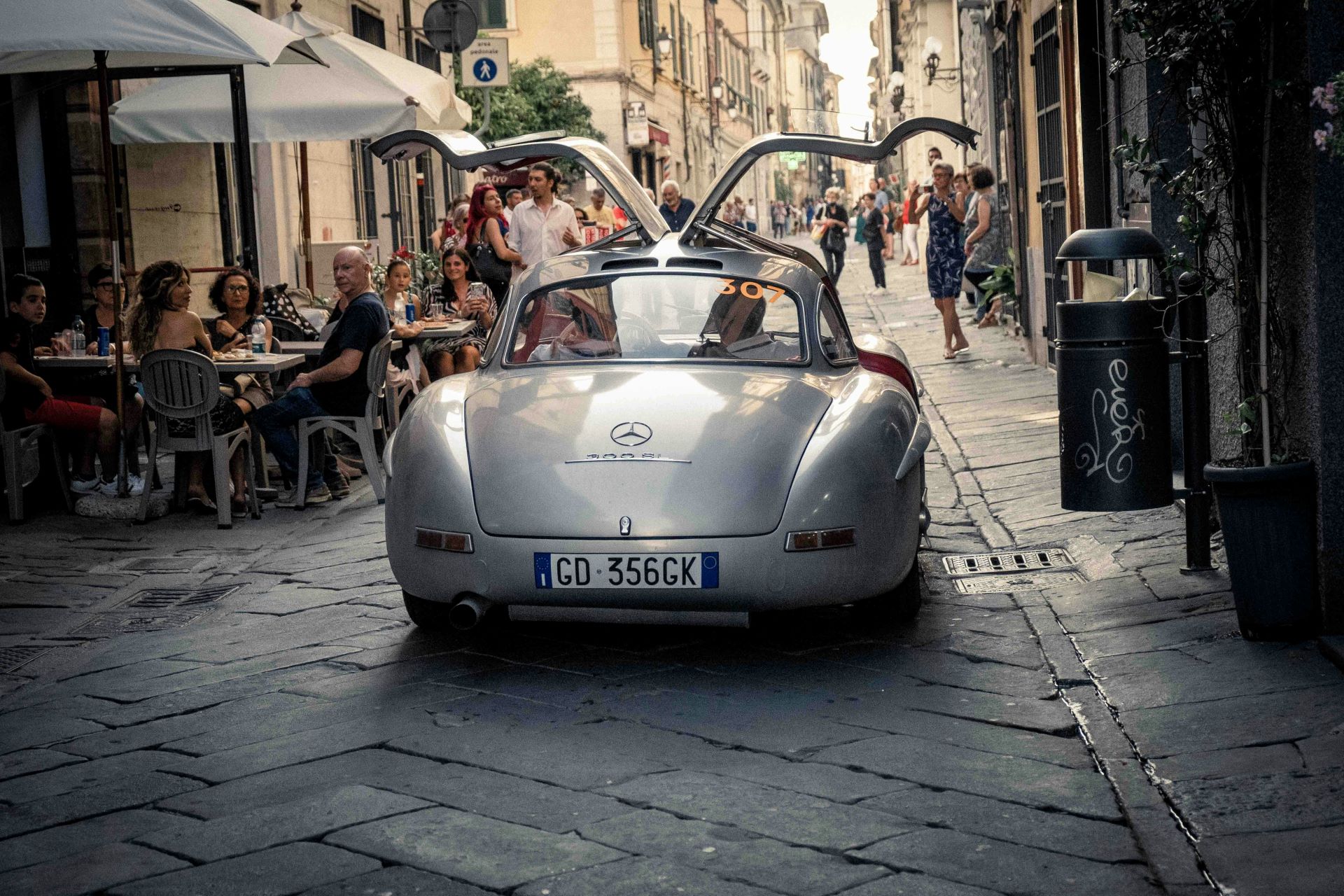
The Marketing Impact of Customization
Positioning vehicles as customizable canvases opens significant marketing potential. Automotive advertising has traditionally highlighted performance, reliability, and designÔÇöbut personalization adds a new layer of storytelling. Campaigns that celebrate user creativity, highlight community-driven modifications, and explore the lifestyle implications of customization resonate on a human level.
Experiential marketing plays a crucial role here. Brands can host customization workshops, immersive VR configurators, and influencer-led showcases, turning personalization into a tangible, interactive experience. This approach strengthens brand perception, transforming a transactional relationship into a participatory one. Consumers donÔÇÖt just buy a carÔÇöthey co-create it.
Moreover, showcasing personalized vehicles in marketing materials creates social proof and aspirational appeal. When prospective buyers see peers and influencers embracing customization, the emotional and social incentive to engage with the brand grows exponentially. Personalization becomes both a lifestyle choice and a marketing amplifier.
Community, Culture, and Shared Identity
Beyond individual expression, customization fosters community. Car enthusiasts and lifestyle-driven drivers often form networks centered around shared tastes, modifications, and experiences. Social media has amplified this effect, allowing drivers to showcase personalizations, exchange ideas, and participate in brand-driven communities.
For automotive brands, this creates a unique marketing ecosystem. Supporting user-generated content, hosting car meets, and highlighting customization stories transforms the brand into a facilitator of culture and connection. The car evolves into a social artifactÔÇöan object that carries personal identity while connecting the owner to a broader cultural movement.
From Product to Lifestyle
Ultimately, customization elevates vehicles from products to lifestyle assets. It positions the brand as a partner in personal expression, rather than a distant manufacturer. In this paradigm, automotive marketing is no longer about the car aloneÔÇöitÔÇÖs about the life it enables, the identity it expresses, and the community it cultivates.
By embracing personalization, brands tap into a deeper, emotional dimension of consumer engagement. A wrap, a tech mod, or a carefully curated accessory isnÔÇÖt just an enhancementÔÇöitÔÇÖs an extension of personality, a vehicle for storytelling, and a tool for lifestyle marketing. In an age where authenticity and self-expression are currency, customization becomes a cornerstone of brand strategy.
The Canvas of Connection
Cars are more than mobility toolsÔÇöthey are canvases for individuality, lifestyle expression, and emotional connection. By prioritizing personalization through wraps, accessories, and tech modifications, automotive brands can foster loyalty, build cultural relevance, and position themselves at the heart of consumer identity. Customization transforms the vehicle from a commodity into a narrative, and the brand from a manufacturer into a co-creator of personal expression.
In this landscape, every driver has the potential to be an artist, every car a masterpiece, and every modification a statement. For the automotive brand willing to embrace this philosophy, the result is more than salesÔÇöitÔÇÖs a lifestyle movement, one vehicle at a time.
Breyten Odendaal
Specializing in high-performance automotive advertising and digital marketing solutions, delivering cutting-edge insights and the latest news shaping the automotive industry in South Africa.
More From Advertising

Automotive Advertising in 2026: Selling Confidence in a More Competitive Market
As South Africa’s vehicle market becomes more competitive, automotive advertising needs to do more than announce a price or specification. It needs to help buyers understand value, ownership costs and why a vehicle suits their lives.

Automotive Digital Ads in South Africa: A Shift
Exploring how South Africa’s automotive advertising evolved from print and broadcast to data-driven, programmatic digital ecosystems.

The Video Shift in Car Buying Decisions in SA
Explore how video content shapes car purchase decisions in South Africa, comparing short-form and long-form strategies for automotive marketers.