
In an era defined by global connectivity and rapid technological shifts, automotive brands face the dual challenge of remaining universally appealing while resonating with the unique cultural textures of individual markets. The car, once purely a utilitarian object of mobility, has evolved into a profound symbol of identity, status, and cultural belonging. From the rugged SUVs navigating South African savannahs to the sleek urban performance cars of Europe, every vehicle carries a narrative, often subtly intertwined with local histories, heritage, and collective aspirations.
Cultural storytelling in automotive marketing is not simply a technique; it is a lens through which brands communicate their values, forge emotional connections, and embed themselves in the social fabric of the markets they serve. By understanding the ways consumers perceive carsÔÇönot merely as transportation but as extensions of selfÔÇöbrands craft campaigns that are simultaneously aspirational, relatable, and culturally meaningful.
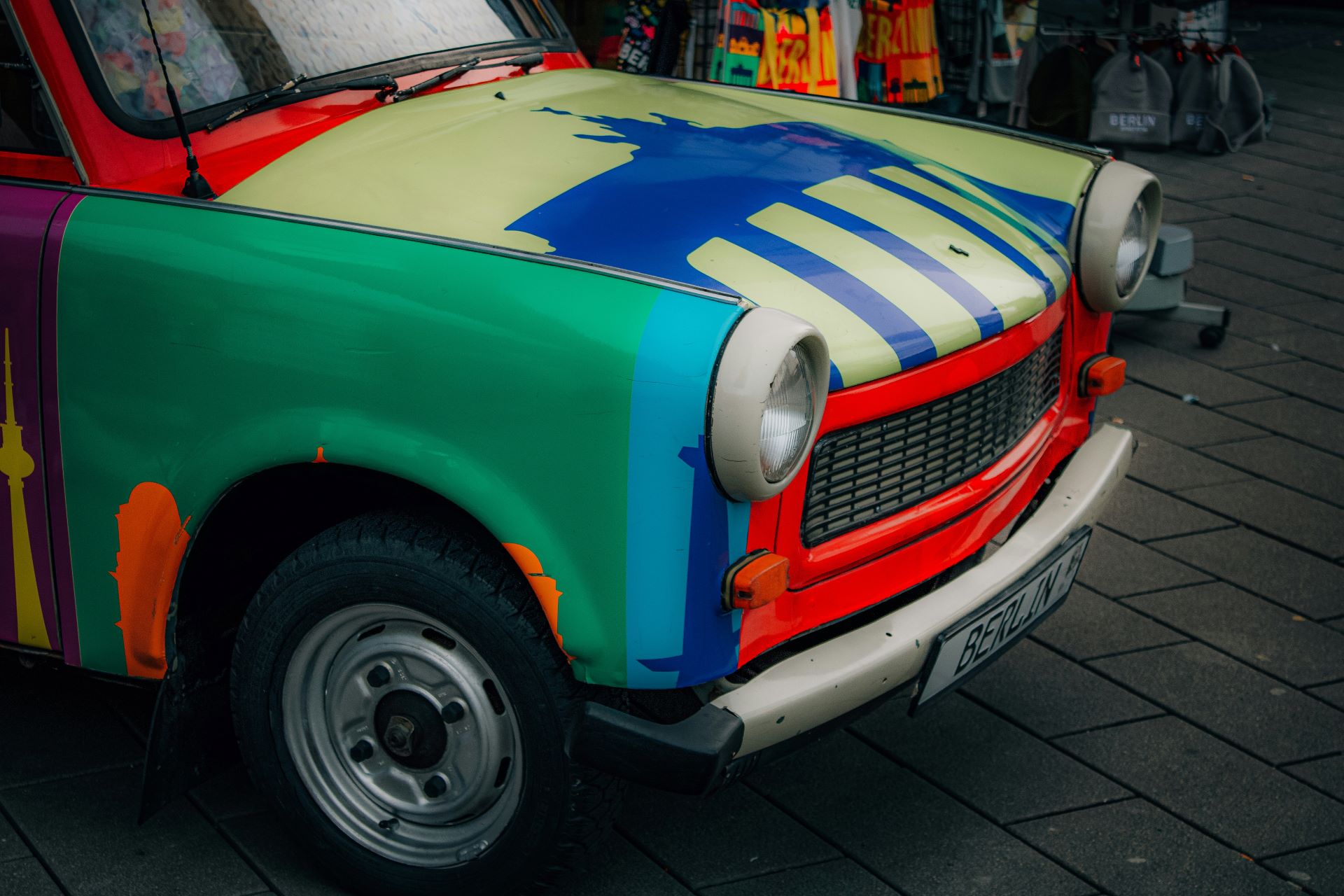
Heritage as a Bridge Between Past and Present
Automotive heritage has long served as fertile ground for cultural storytelling. Iconic marques such as Mercedes-Benz, Porsche, and MINI leverage decades of history to connect with audiences who value legacy, craftsmanship, and continuity. In marketing terms, heritage is more than nostalgiaÔÇöit is authenticity. When MINI launched limited editions referencing its 1960s rallying triumphs, the campaign tapped into British automotive lore, appealing not only to seasoned enthusiasts but also to younger consumers seeking a sense of continuity in a rapidly changing world.
Similarly, South African campaigns by local dealerships often highlight the rugged endurance of vehicles like the Toyota Hilux or Ford Ranger, framing them as companions to the nationÔÇÖs adventurous spirit and landscapes. Here, cultural storytelling intersects with geography and collective experience: the vehicle is not simply a tool but a participant in the story of everyday life, from traversing the Garden Route to hauling equipment in mining towns.
Automotive heritage marketing thrives when brands position their products as living embodiments of history. These campaigns frequently blend archival imagery, local cultural references, and aspirational narratives, allowing consumers to see themselves within a continuum that stretches from past triumphs to present innovation.
Local Narratives and Community Resonance
Global brands that succeed in local markets understand that identity is deeply context-dependent. Consumers do not merely purchase vehicles; they buy into narratives that reflect their lifestyles, values, and communities. Cultural storytelling in this context requires sensitivity to language, symbols, rituals, and even humour that resonate locally.
Consider the way Mazda markets its CX series in South Africa. Campaigns often highlight real-life stories of families, entrepreneurs, or adventurers using the vehicles in authentic South African settings. By anchoring the vehicle in lived experience, Mazda creates a narrative that transcends product specifications and engages directly with the emotional and cultural fabric of the audience. The CX vehicle becomes a metaphor for reliability, versatility, and ambitionÔÇöqualities that mirror the aspirational self-image of South African buyers.
In a global context, NissanÔÇÖs campaigns for the Micra in India and Brazil illustrate a similar strategy. By weaving local festivals, music, and everyday urban life into advertisements, the car becomes part of a cultural story rather than a disconnected commodity. This localization strategy builds loyalty because consumers perceive the brand as not only understanding their needs but also respecting their identity.

Cars as Symbols of Lifestyle and Social Position
Beyond heritage and local narratives, cars operate as semiotic markersÔÇösymbols that communicate status, taste, and social alignment. Luxury brands such as BMW, Audi, and Jaguar frequently harness cultural storytelling to elevate vehicles into lifestyle statements. A BMW advertisement does more than showcase engineering prowess; it portrays a lifestyle marked by sophistication, control, and ambition. The audience is invited to envision themselves not merely driving the car, but embodying a cultural ideal.
In markets where social identity is particularly significant, these narratives gain additional potency. South African marketing campaigns for premium vehicles often juxtapose scenic landscapes with city skylines, subtly suggesting that the car serves as a passport between natural freedom and urban sophistication. Through cinematic storytelling, music, and narrative voice, the vehicle is positioned as a conduit to personal empowerment, social distinction, and aspirational living.
This semiotic dimension extends to electric and hybrid vehicles as well. Tesla, Polestar, and BMW i-series marketing often emphasises environmental consciousness, technological literacy, and progressive thinking. Here, the car is a cultural statement as much as a mode of transport: it signals alignment with a global movement toward sustainability and innovation, reflecting both individual identity and societal values.
Storytelling Through Design and Experience
Cultural storytelling is not confined to advertising copy or visuals; it permeates the design of the vehicle itself. Interior layouts, material choices, and colour palettes can all carry subtle references to local culture, heritage, or consumer lifestyles. For example, VolkswagenÔÇÖs recent experimentation with hemp-based leather alternatives connects environmental responsibility with innovation, subtly appealing to markets where sustainable consumption carries cultural weight.
Similarly, special editions often act as vehicles of storytelling. Consider the Mercedes-AMG G 63 Grand Edition: every detail, from exclusive colour schemes to bespoke interior finishes, is an invitation to participate in a curated narrative of luxury, exclusivity, and automotive artistry. Marketing campaigns surrounding such editions emphasize story arcs that celebrate craftsmanship, individuality, and cultural literacy, creating a sense of belonging among a community of connoisseurs.
Beyond the physical car, experiential marketing amplifies storytelling. Test drives, branded events, and immersive digital campaigns offer tangible touchpoints for consumers to engage with the narrative. Hyundai and Kia, for instance, have leveraged virtual reality experiences to position their vehicles as companions in aspirational journeys, allowing consumers to inhabit a world where the car and culture intersect seamlessly.
Digital Storytelling and Community Engagement
The rise of digital platforms has exponentially increased the scope and sophistication of cultural storytelling in automotive marketing. Social media, influencer collaborations, and user-generated content allow brands to amplify narratives and encourage community participation.
Consider Toyota South AfricaÔÇÖs ÔÇ£Built for AdventureÔÇØ campaign on Instagram, which invites users to share their own overland stories. Each post is not only a testimonial but a fragment of a collective cultural narrative, reinforcing the brandÔÇÖs alignment with exploration, resilience, and local identity. Similarly, global brands often create region-specific campaigns featuring popular local influencers, musicians, or artists, turning vehicles into vehiclesÔÇöpun intendedÔÇöfor cultural expression.
Digital storytelling also allows brands to explore micro-narratives that might be too subtle for traditional media. From TikTok vignettes showing daily family routines to YouTube series documenting cross-country road trips, these stories provide authenticity and immediacy, inviting consumers to co-create meaning and strengthen emotional attachment.
Challenges and Considerations in Cultural Storytelling
While the benefits of cultural storytelling are profound, the strategy is not without risk. Missteps in cultural representation can alienate audiences and damage brand credibility. A campaign that misunderstands local symbols, exaggerates stereotypes, or appropriates cultural elements can quickly become controversial. Automotive brands must therefore invest in deep cultural research, local partnerships, and authentic storytelling.
Brands must also balance global consistency with local relevance. While a coherent global identity is essential, campaigns must be flexible enough to resonate with cultural nuances. The most successful brands achieve a synthesis where the global vision and local narrative intersect, producing campaigns that feel both aspirational and intimately familiar.
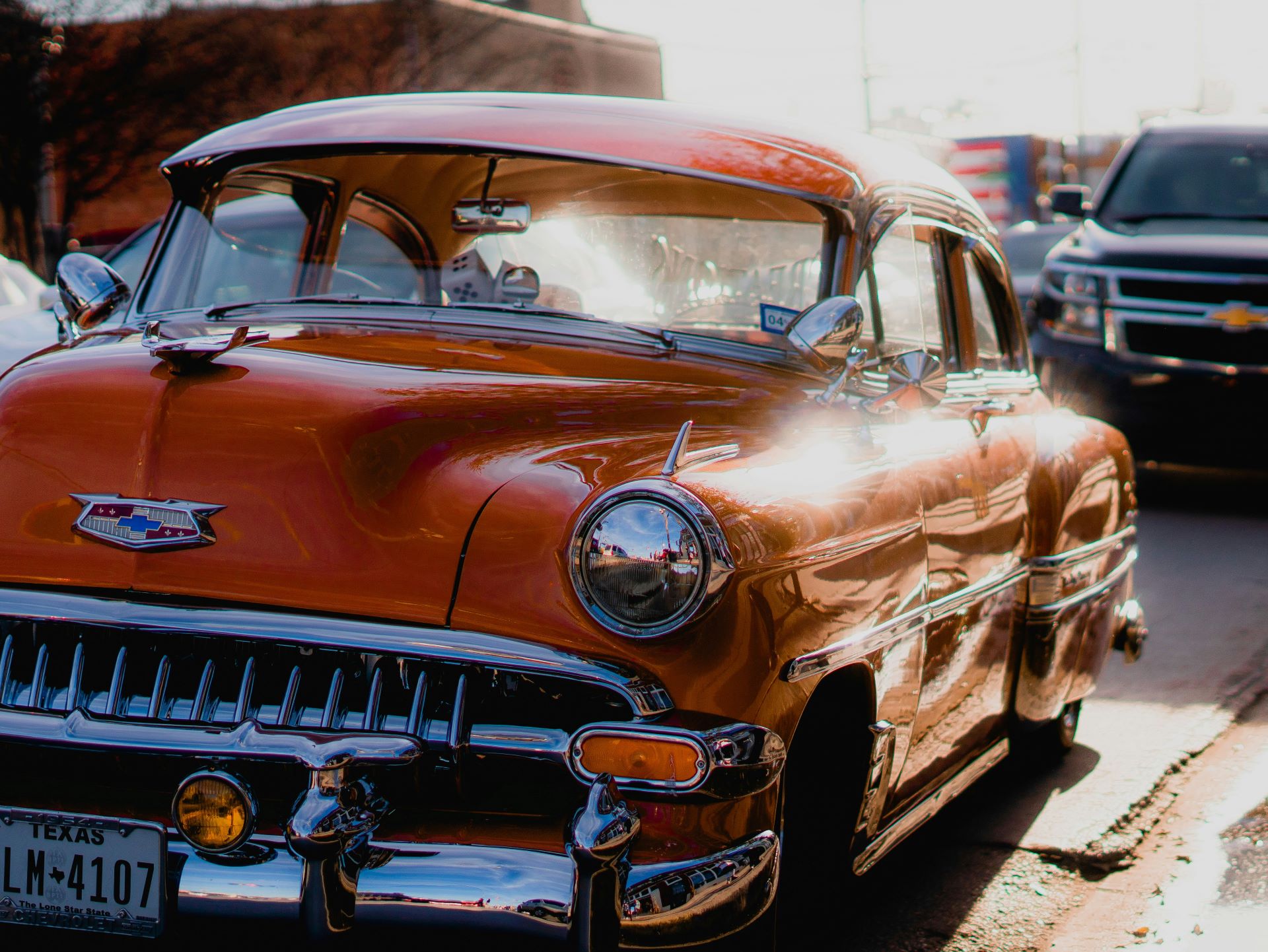
The Future of Cultural Storytelling in Automotive Marketing
As automotive technology evolves and mobility patterns shift, the role of cultural storytelling is set to expand. Electric vehicles, autonomous systems, and mobility-as-a-service models present new opportunities for brands to embed themselves in cultural narratives of progress, sustainability, and social responsibility.
The story is no longer solely about the carÔÇöit encompasses the experience, the lifestyle, and the societal impact. In this evolving landscape, the brands that master cultural storytelling will be those that not only sell vehicles but also provide frameworks for personal expression, community engagement, and meaningful cultural connection.
For automotive marketers, the challenge is clear: to craft campaigns that honor heritage, celebrate local narratives, and position vehicles as symbols of identity. The reward is deeper consumer loyalty, amplified brand resonance, and the creation of cultural legacies that extend far beyond the showroom.
Breyten Odendaal
Specializing in high-performance automotive advertising and digital marketing solutions, delivering cutting-edge insights and the latest news shaping the automotive industry in South Africa.
More From Advertising

Automotive Advertising in 2026: Selling Confidence in a More Competitive Market
As South Africa’s vehicle market becomes more competitive, automotive advertising needs to do more than announce a price or specification. It needs to help buyers understand value, ownership costs and why a vehicle suits their lives.

Automotive Digital Ads in South Africa: A Shift
Exploring how South Africa’s automotive advertising evolved from print and broadcast to data-driven, programmatic digital ecosystems.

The Video Shift in Car Buying Decisions in SA
Explore how video content shapes car purchase decisions in South Africa, comparing short-form and long-form strategies for automotive marketers.