
In an increasingly globalised marketplace, the automotive industry finds itself navigating a complex terrain where culture shapes not only consumer preferences but also the ways in which brands communicate, engage, and build loyalty. The art of automotive marketing transcends the mere presentation of technical specifications and performance metrics; it becomes a narrative deeply intertwined with the values, traditions, social norms, and aspirations of diverse populations. Understanding these cultural nuances is essential for automotive brands striving to resonate authentically with audiences in different parts of the world.
This article explores how cultural factors influence automotive marketing strategies across key regions, examining the unique challenges and opportunities they present. From the aspirational luxury sedans in Asia to the rugged, utility-focused vehicles prized in Africa, and the environmentally conscious trends emerging in Europe and North America, culture acts as both a compass and a canvas for marketers. We delve into the subtleties of regional preferences, advertising styles, and the broader societal contexts that shape consumer behaviour in this multifaceted industry.
The Intersection of Culture and Consumer Behaviour in Automotive Markets
Consumer behaviour is rarely dictated solely by product features or price points. Instead, it is filtered through the lens of cultural identityÔÇöa complex system of shared beliefs, customs, and attitudes that inform individualsÔÇÖ choices and perceptions. In automotive marketing, this translates to a critical need to adapt messaging, branding, and even product design to align with cultural expectations.
For instance, in regions where status and prestige are paramount, such as in many parts of East Asia, the marketing of vehicles often revolves around exclusivity, craftsmanship, and technological innovation that signals sophistication. Conversely, in areas where practicality and resilience are more highly valuedÔÇösuch as rural parts of Africa or South AmericaÔÇöbrands must emphasize durability, affordability, and adaptability to diverse terrains.
Marketers must also be sensitive to cultural symbolism, language nuances, and historical contexts. A marketing campaign that thrives in one country might falter or even offend in another if cultural differences are overlooked. This necessitates a blend of global brand consistency and local cultural insight, a balancing act that demands both strategic vision and cultural empathy.
North America: The Culture of Freedom and Innovation
In North America, the automotive market is shaped by a culture that prizes freedom, individuality, and innovation. The car is more than a mode of transport; it is an extension of personal identity and a symbol of independence. From the sprawling suburbs to the open highways, vehicles that offer versatility, power, and technological advancement tend to captivate consumers.
Marketing campaigns here often celebrate ruggedness and adventureÔÇöthink the iconic pickup trucks that dominate American highways or the burgeoning interest in electric vehicles heralding a future of clean technology. The American love affair with the automobile is entwined with notions of progress and exploration, which marketers amplify through aspirational storytelling and emotive imagery.
Furthermore, the cultural emphasis on innovation fuels a competitive environment where brands spotlight cutting-edge features such as autonomous driving, connected car technologies, and eco-friendly powertrains. Campaigns appeal to consumersÔÇÖ desires for convenience and sustainability, without compromising the thrill and status that owning a premium car can confer.
Europe: Heritage, Sustainability, and Precision Engineering
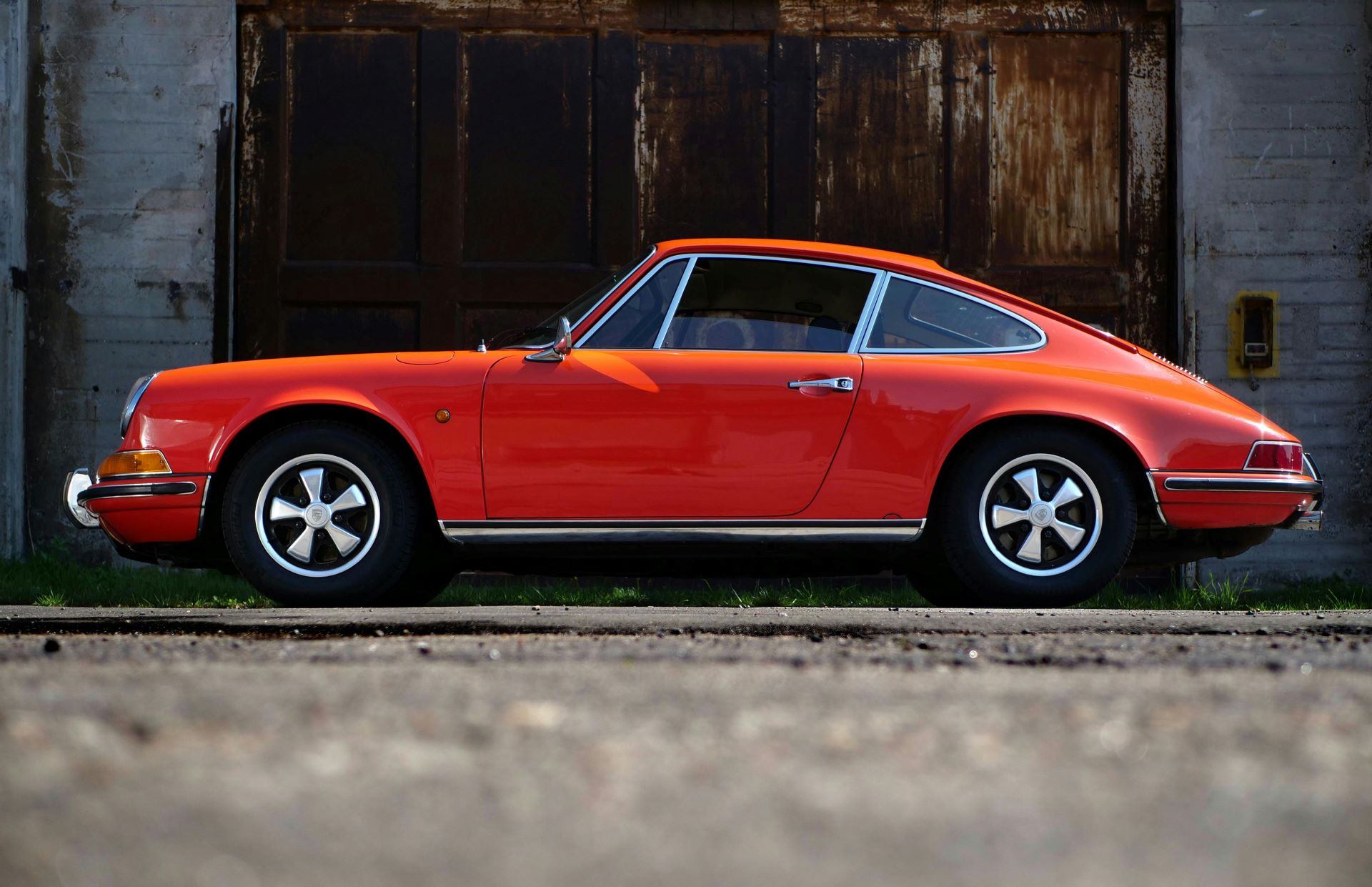
Europe presents a diverse but distinct automotive culture that intertwines tradition, craftsmanship, and an increasing emphasis on sustainability. European consumers often have a deep appreciation for heritage brands that carry a legacy of quality and precision engineering. Marketing strategies frequently leverage this history, framing vehicles as not just machines but works of art and engineering marvels.
Sustainability has become a critical cultural driver in Europe, where environmental consciousness permeates public policy and consumer attitudes alike. This cultural shift influences automotive marketing to highlight electric mobility, low emissions, and circular economy principles. Advertisements here are more likely to emphasize environmental responsibility alongside luxury or performance, reflecting a culture that values conscientious consumption.
The European automotive narrative often embraces subtlety and sophistication rather than overt extravagance. Brands deploy a measured tone, focusing on design elegance, driving dynamics, and technological refinement, appealing to consumers who view their vehicle as a statement of taste and values.

Asia-Pacific: Rapid Growth and the Pursuit of Status
The Asia-Pacific region, home to some of the fastest-growing automotive markets in the world, presents unique cultural dynamics shaped by rapid urbanisation, rising middle classes, and deep-rooted social values. In countries such as China, Japan, South Korea, and India, cars are increasingly symbols of upward mobility and social success.
In these markets, automotive marketing often centers on prestige and innovation, reflecting a collective desire to display status and embrace modernity. Luxury brands invest heavily in localising campaigns that resonate with cultural traditionsÔÇösuch as the importance of family, community, and auspicious symbolsÔÇöwhile also showcasing futuristic technologies like smart connectivity and electric drivetrains.
Moreover, digital platforms and social media have become critical channels for engaging younger, tech-savvy consumers. Influencer marketing and interactive campaigns tailored to local tastes help brands build emotional connections and trust in a crowded marketplace.
Africa: Resilience, Practicality, and Emerging Aspirations
AfricaÔÇÖs automotive market is as diverse as its cultures, spanning vast rural landscapes to dynamic urban centres. Here, the cultural context of automotive marketing is shaped largely by practicality and resilience. Vehicles must perform reliably in challenging environments, making durability and serviceability key selling points.
However, as the continentÔÇÖs economies grow and consumer aspirations evolve, there is a burgeoning appetite for vehicles that combine utility with style and comfort. Marketers must therefore navigate a dual narrativeÔÇöhonouring the rugged, hardworking spirit of many consumers while introducing elements of modernity and prestige.
Local storytelling that reflects community values, family ties, and entrepreneurial spirit resonates deeply in many African cultures. Marketing campaigns that incorporate these themes while addressing the realities of local infrastructure and purchasing power create authenticity and trust.
Latin America: Passion, Emotion, and Community
In Latin America, culture infuses automotive marketing with a sense of passion, emotion, and community. The car is often an expression of lifestyle, family connection, and social engagement. This cultural context encourages marketers to craft narratives that are vibrant, warm, and emotionally engaging.
Advertising frequently draws on music, art, and local traditions, creating a cultural tapestry that highlights joy, freedom, and togetherness. Brands that successfully tap into these emotional undercurrents build strong loyalty and brand affinity.
Economic factors also play a role, as affordability and financing options are crucial considerations in many Latin American markets. Marketers balance this with aspirational messaging that speaks to dreams of upward mobility and personal achievement.

The Cultural Compass of Automotive Marketing
The automotive industryÔÇÖs global reach necessitates a keen understanding of cultural diversity, demanding marketers to be both global strategists and local interpreters. Each regionÔÇÖs distinct values, social norms, and consumer behaviours shape how automotive brands must position themselvesÔÇöfrom the celebration of freedom and innovation in North America to the nuanced balance of heritage and sustainability in Europe, and the aspirational dynamism of Asia-Pacific to the pragmatic resilience of Africa.
Successful automotive marketing hinges on respecting and reflecting these cultural realities, creating campaigns that do more than sell carsÔÇöthey tell stories that resonate deeply, foster emotional connections, and ultimately, drive brand loyalty. As the world evolves, so too must the cultural fluency of automotive marketers, making cultural insight not just an advantage but an imperative.
Breyten Odendaal
Specializing in high-performance automotive advertising and digital marketing solutions, delivering cutting-edge insights and the latest news shaping the automotive industry in South Africa.
More From Advertising

Automotive Advertising in 2026: Selling Confidence in a More Competitive Market
As South Africa’s vehicle market becomes more competitive, automotive advertising needs to do more than announce a price or specification. It needs to help buyers understand value, ownership costs and why a vehicle suits their lives.

Automotive Digital Ads in South Africa: A Shift
Exploring how South Africa’s automotive advertising evolved from print and broadcast to data-driven, programmatic digital ecosystems.

The Video Shift in Car Buying Decisions in SA
Explore how video content shapes car purchase decisions in South Africa, comparing short-form and long-form strategies for automotive marketers.