
Car advertising has always been more than just glossy brochures or cinematic TV spots. From the moment manufacturers realised that their vehicles could represent lifestyle rather than simply mobility, the scope of automotive marketing widened dramatically. Cars became symbols of aspiration, social mobility, and self-expression. Today, that tradition has evolved into something far more expansive: partnerships that stretch beyond the automotive world into fashion houses, tech leaders, gaming studios, and cultural power players. These collaborations are not just about selling carsÔÇötheyÔÇÖre about embedding brands into the cultural fabric of the moment.
Automotive advertising no longer relies solely on horsepower, torque figures, or design cues to generate excitement. Instead, campaigns are increasingly framed through cultural connections and emotional resonance. By reaching across industries, manufacturers are signalling that they understand the worlds their customers inhabitÔÇödigital, physical, and aspirational. In an age where consumer attention is fragmented across endless platforms and passions, cross-industry collaborations offer a way to create advertising that feels bigger than the product itself.
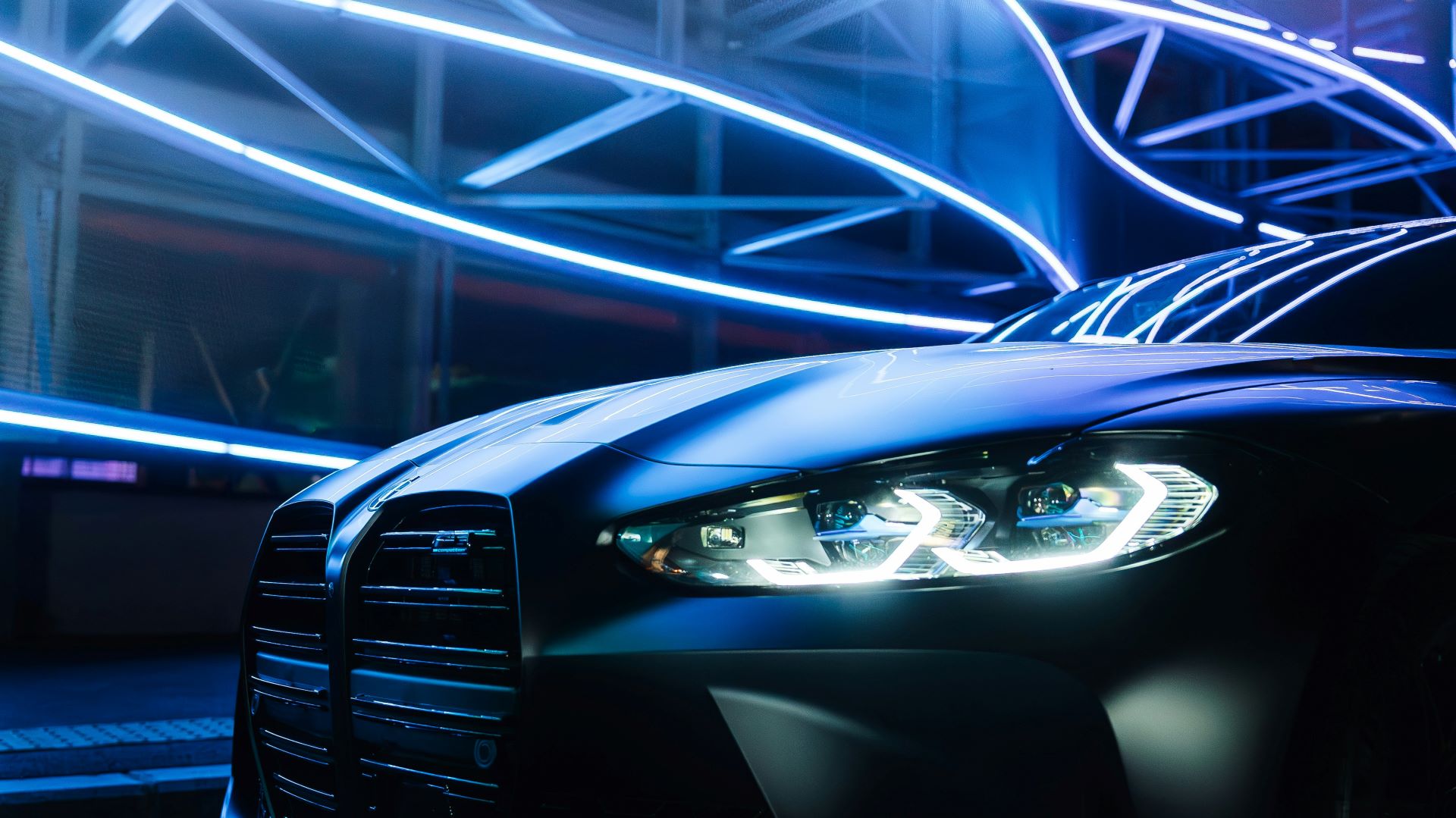
Why Collaboration Works in the Age of Relevance
The marketing landscape has shifted dramatically in the past decade. Consumers today are sceptical of traditional advertising. They seek authenticity, entertainment, and alignment with their personal values. A glossy shot of a car on a mountain road no longer guarantees engagement. To cut through, brands must tap into passions beyond the vehicleÔÇöfashion, technology, art, sport, or gaming. Collaborations provide the bridge.
When a carmaker partners with a fashion house, they are not just offering a co-branded jacket or limited-edition trim. They are telling audiences that cars, like clothes, are a statement of style. When they team up with tech giants, they signal a commitment to innovation and seamless digital lifestyles. And when gaming studios are involved, they connect with younger audiences who may not yet own a car but are forming brand loyalties in virtual worlds. This alignment extends relevance far beyond the showroom floor.
At its heart, cross-industry collaboration works because it is expansive. It doesnÔÇÖt force the car into the centre of the conversation but instead positions it within a constellation of cultural touchpoints. The car becomes part of a bigger picture, a prop in a lifestyle story that resonates deeply with targeted communities.
Fashion on Wheels: Couture Meets Car Culture
Fashion has long been one of the most natural partners for the automotive world. Both industries trade in aesthetics, prestige, and identity. The runway and the road share the same DNA: expression, exclusivity, and allure. Some of the most striking collaborations in recent years have been between carmakers and luxury fashion labels, creating campaigns that feel as much at home in Vogue as they do in Top Gear.
When Mercedes-Benz collaborated with Virgil Abloh, the late creative visionary behind Off-White, it was less about producing a one-off vehicle and more about creating an artistic statement. The partnership blurred lines between couture and automotive engineering, and the marketing impact rippled across both industries. It reached audiences who might never have considered themselves petrolheads but saw in the collaboration a fusion of culture and design that resonated with their aesthetic sensibilities.
Similarly, collaborations with streetwear giants have tapped into youth culture. A car ad featuring co-branded sneakers, graffiti-inspired design details, or a launch tied to a fashion drop taps into a mindset where cars become collectable and culturally significant. For these campaigns, scarcity and exclusivity echo the hype-driven mechanics of fashion, transforming car launches into cultural events.
Technology as the New Luxury Signal
If fashion collaborations highlight cars as objects of style, partnerships with tech companies position them as symbols of progress. Technology has become the new luxury, and collaborations with Silicon Valley players or consumer electronics brands underline the automotive industryÔÇÖs pivot toward smart mobility.
Take the way electric vehicle brands have aligned with companies like Apple or Google. Beyond mere software integrations, these partnerships highlight a seamless digital lifestyle. Marketing a car today often involves showing how it interacts with the devices that define our daily livesÔÇösmartphones, wearables, voice assistants. A campaign that illustrates a car syncing effortlessly with a suite of tech products speaks not just to convenience but to the larger idea of belonging to an ecosystem.
Tesla, though unconventional in its marketing, thrives on this crossover appeal. Its cars are often framed not against competitors in the automotive space but as peers of disruptive tech companies. This reframing elevates the car beyond being transport and positions it as part of a future-forward lifestyle.
For established automakers, partnering with tech giants is a way of signalling relevance to an audience that values innovation as much as, if not more than, heritage. A luxury SUV showcased alongside cutting-edge audio equipment or VR experiences doesnÔÇÖt just sell a vehicleÔÇöit sells entry into a culture of progress.
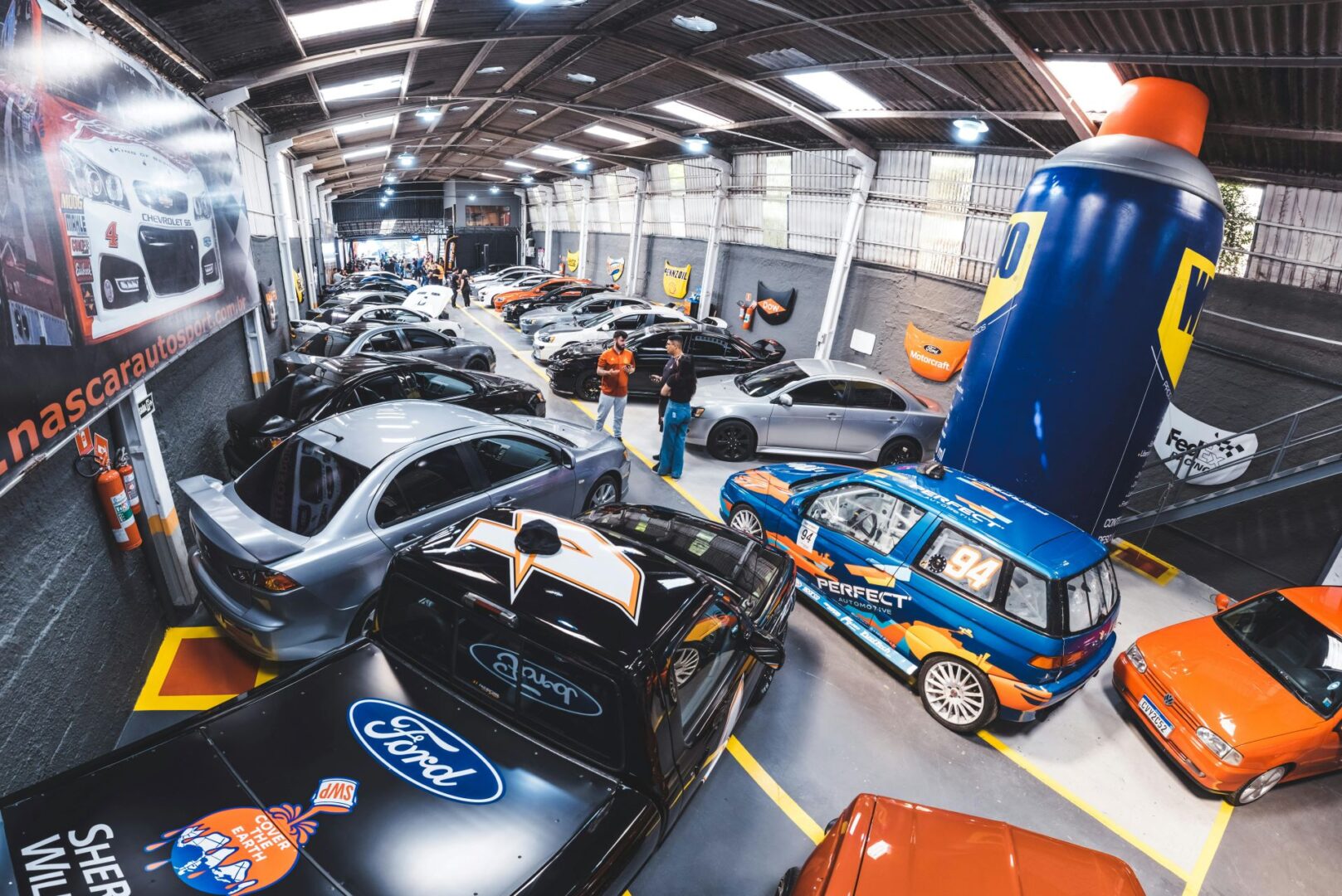
Gaming as the Gateway to TomorrowÔÇÖs Drivers
Perhaps the most dynamic and future-facing collaborations are those with gaming studios. For decades, young audiences have been driving digital versions of cars in titles like Gran Turismo, Forza, and Need for Speed long before they get behind the wheel of the real thing. Savvy manufacturers have realised that in-game presence is as powerful as a television commercial.
Cross-industry collaborations in gaming go beyond product placement. Limited-edition vehicles designed specifically for a game generate excitement not only among players but across the entire automotive press. Some partnerships have gone further, with concept cars designed exclusively for virtual platforms later influencing real-world prototypes. The loop between virtual and physical blurs, and marketing becomes both entertainment and inspiration.
For younger generations, these collaborations are often their first meaningful interaction with a car brand. If they fall in love with a marqueÔÇÖs performance in a game, that loyalty can translate into future purchase decisions. This makes gaming collaborations one of the most strategically valuable marketing investments in the long run.
Culture as a Shared Canvas
The unifying thread in all these collaborations is culture. Whether through the glamour of fashion, the allure of technology, or the excitement of gaming, automotive brands are seeking to embed themselves into the passions that define modern life. Cross-industry partnerships allow them to transcend the boundaries of traditional advertising and speak to consumers in ways that feel relevant, personal, and authentic.
These campaigns succeed when they feel like a natural fit. Forced collaborations, where the car and the partner brand have no obvious connection, tend to fall flat. But when the shared values are clearÔÇöcreativity, innovation, identityÔÇöthe result is not just effective advertising but cultural conversation.
The Risk of Overextension
Of course, cross-industry collaborations are not without risk. Audiences are quick to detect when a partnership feels opportunistic or insincere. A collaboration that prioritises spectacle over substance can backfire, leaving both brands diminished. Similarly, excessive focus on lifestyle storytelling can risk alienating core enthusiasts who care deeply about the engineering or performance heritage of a brand.
The challenge, therefore, is balance. Automotive companies must integrate cross-industry partnerships without diluting their own brand identity. They need to ensure that the car remains part of the story, not simply a backdrop to another brandÔÇÖs aesthetic. The most successful campaigns maintain this balance, offering cultural relevance while still celebrating the car as a product of design, technology, and performance.
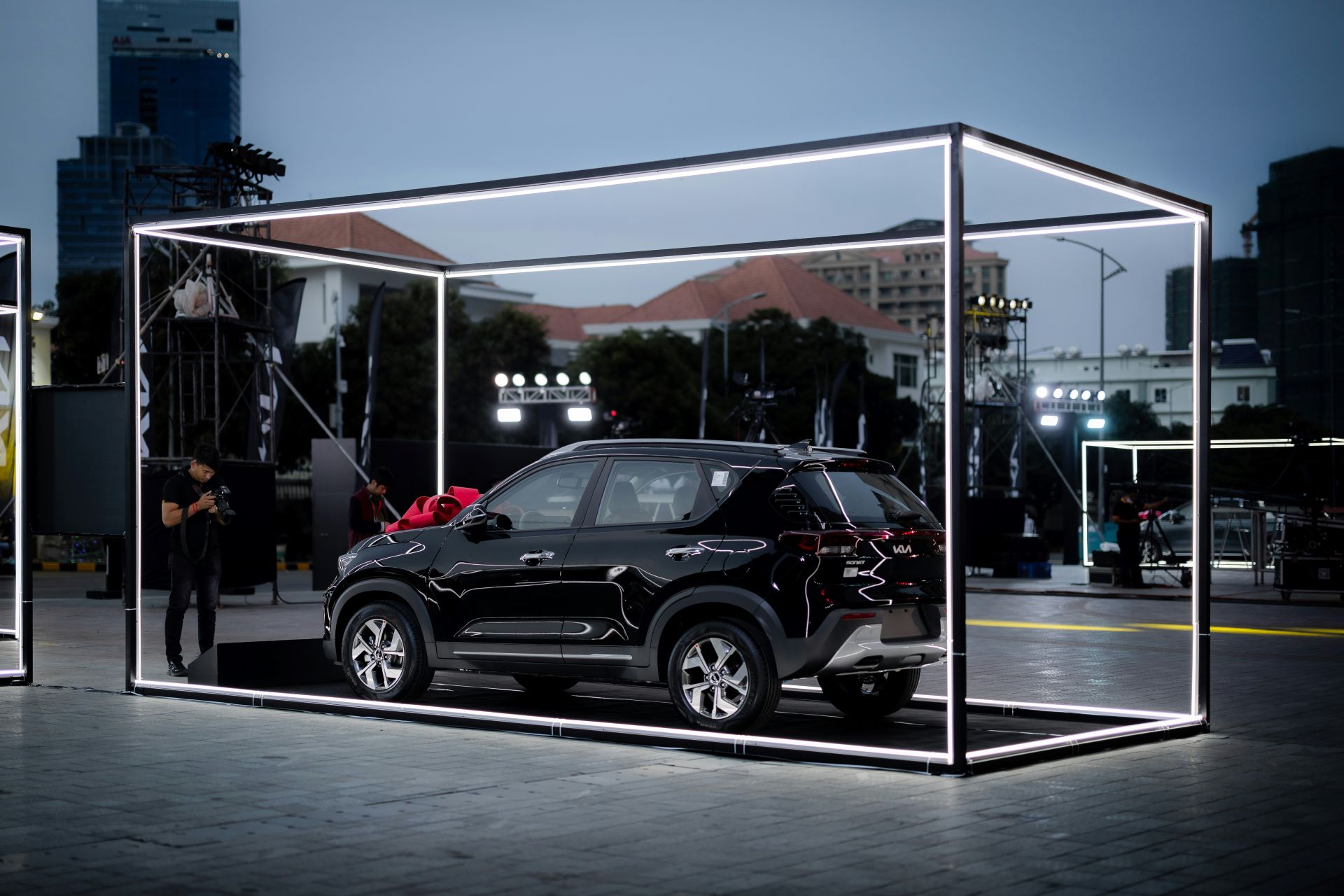
Looking Ahead: A Future Built on Collaboration
As the automotive industry transitions through one of its most disruptive erasÔÇöelectrification, autonomy, shared mobilityÔÇöcross-industry collaborations are set to become even more vital. Cars are no longer just machines for driving; they are nodes in ecosystems of technology, style, entertainment, and sustainability. Advertising must reflect this transformation, and collaborations are the most powerful tool to make that connection tangible.
The future will likely see even deeper partnerships, perhaps with industries we havenÔÇÖt yet considered. As streaming services dominate entertainment, could we see car brands collaborating with film studios to create narrative-driven campaigns? As sustainability becomes the defining cultural concern, will automotive brands team up with renewable energy companies or sustainable fashion designers? The possibilities are vast, limited only by imagination and brand alignment.
What remains clear is that cars can no longer stand alone in advertising. They must exist within the broader story of culture, and cross-industry collaborations provide the palette with which to paint that story. From couture runways to virtual racetracks, from tech ecosystems to cultural movements, the car is no longer just soldÔÇöit is staged, styled, and shared.
Breyten Odendaal
Specializing in high-performance automotive advertising and digital marketing solutions, delivering cutting-edge insights and the latest news shaping the automotive industry in South Africa.
More From Advertising

Automotive Advertising in 2026: Selling Confidence in a More Competitive Market
As South Africa’s vehicle market becomes more competitive, automotive advertising needs to do more than announce a price or specification. It needs to help buyers understand value, ownership costs and why a vehicle suits their lives.

Automotive Digital Ads in South Africa: A Shift
Exploring how South Africa’s automotive advertising evolved from print and broadcast to data-driven, programmatic digital ecosystems.

The Video Shift in Car Buying Decisions in SA
Explore how video content shapes car purchase decisions in South Africa, comparing short-form and long-form strategies for automotive marketers.